
Tsuneya Densuke is a Michelin Plate-recognised izakaya in Kyoto's Nakagyo Ward, where a menu of over a hundred dishes centres on fish prepared in traditional izakaya style. Tilefish, marinated mackerel, and sake-paired à la carte items sit alongside beef dishes at mid-range pricing, making it one of the more substantial value propositions in a city whose dining scene skews toward formal kaiseki.
Pearl is the En Primeur Club membership app — saves, bookings, and concierge access live there. Same editors, same standards.
- Address
- 84 Kannoncho, Nakagyo Ward, Kyoto, 604-0821, Japan
- Phone
- +81 50-3184-2644
- Website
- tsuneyadensuke.com
- Directions
- Get directions
 Saves & bookings on Pearl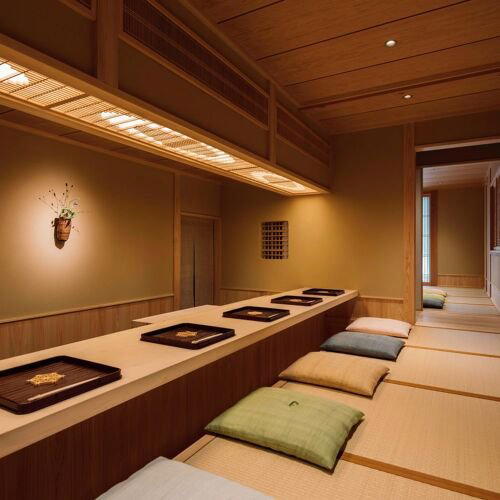
What Izakaya Dining in Kyoto Actually Looks Like
Kyoto's dining identity is built around kaiseki, the multi-course formal tradition that turns seasonal ingredients into precise, ceremonial eating. That reputation is earned, restaurants like Nijo Aritsune and Eitaroya sit at the ¥¥¥¥ tier and set a standard that's hard to argue with. But kaiseki is a specific contract: a fixed sequence, a set price, a tempo that belongs to the kitchen. Izakaya dining is the inverse of that. The guest controls the pace, the portion, and the direction of the meal. At Tsuneya Densuke, in Nakagyo Ward, that freedom comes with a menu of more than a hundred dishes, a price range that sits at ¥¥¥, meaningfully below the kaiseki tier that dominates serious Kyoto dining.
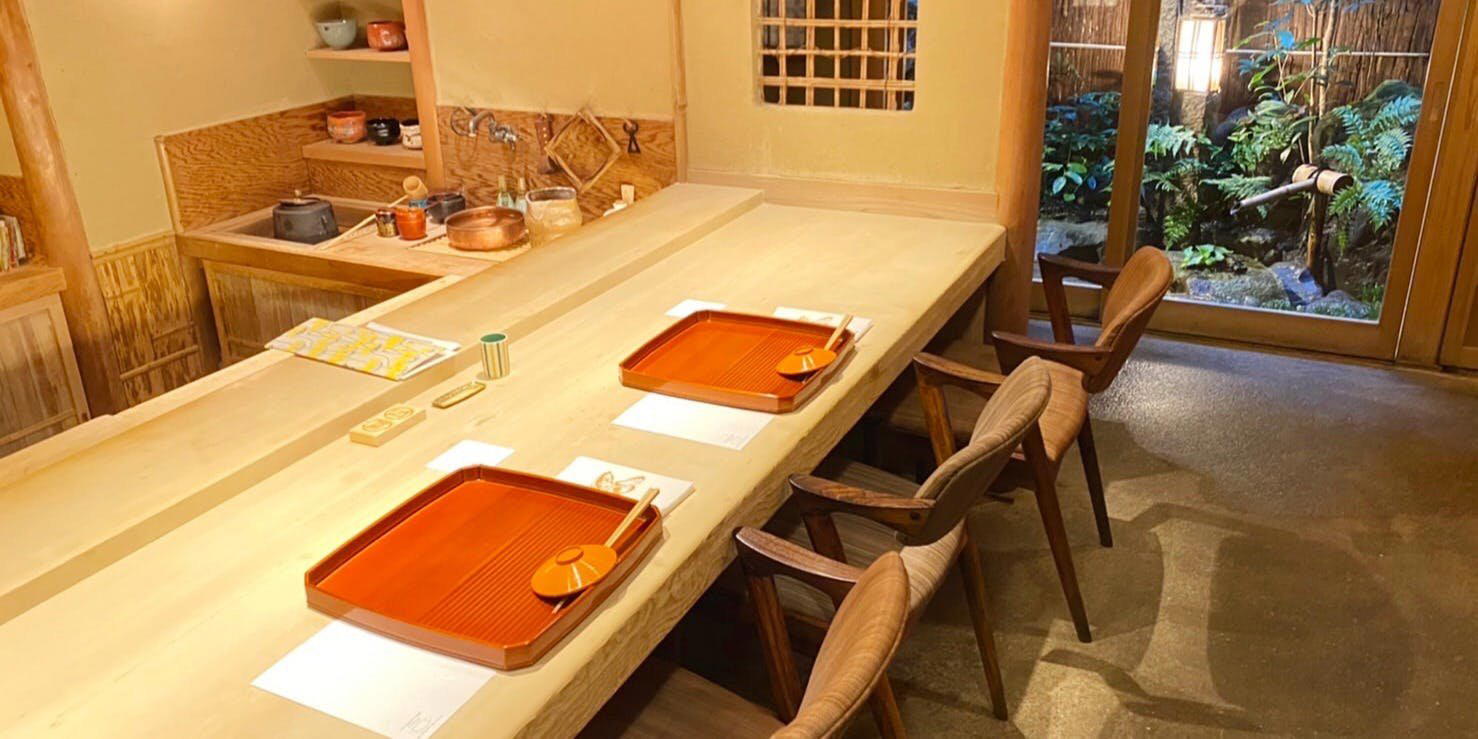
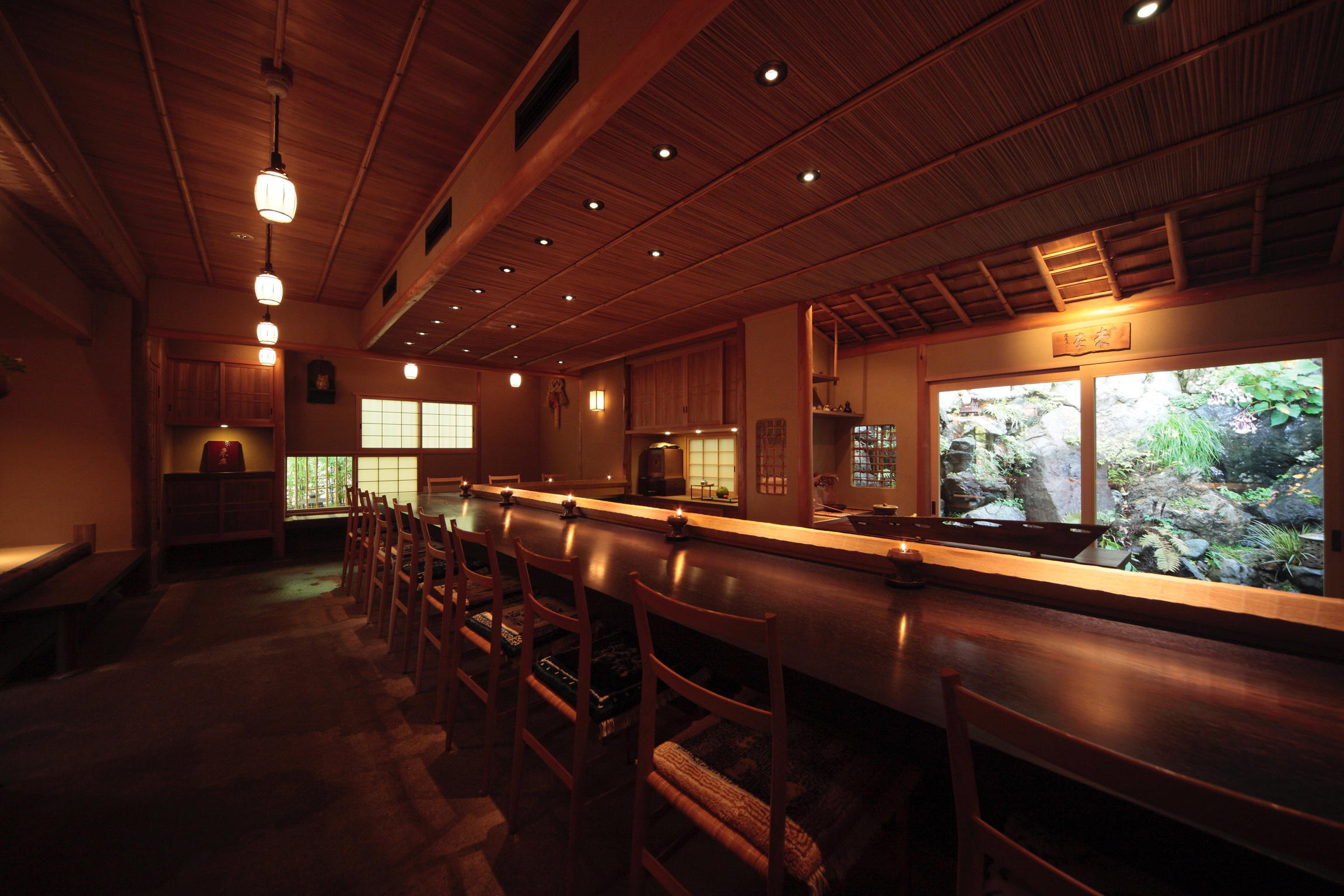
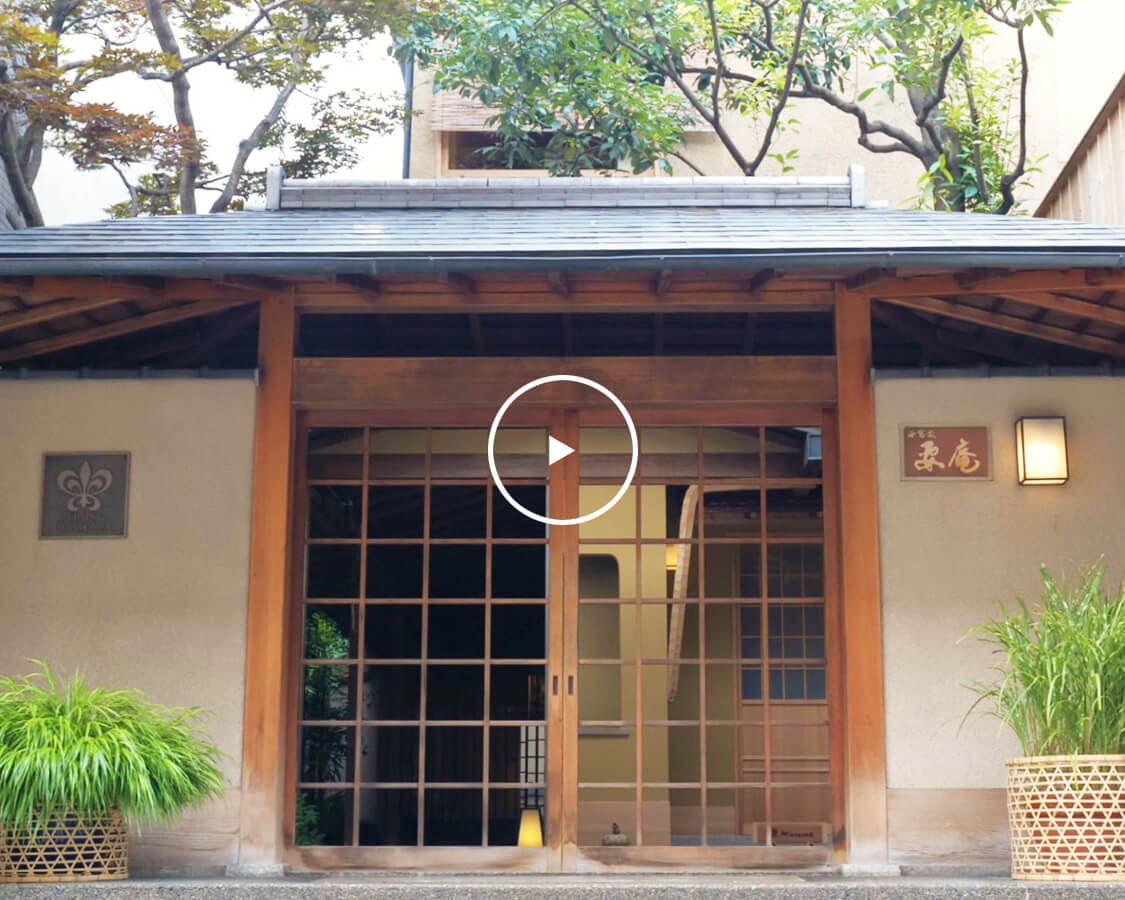
The Room and How It Feels
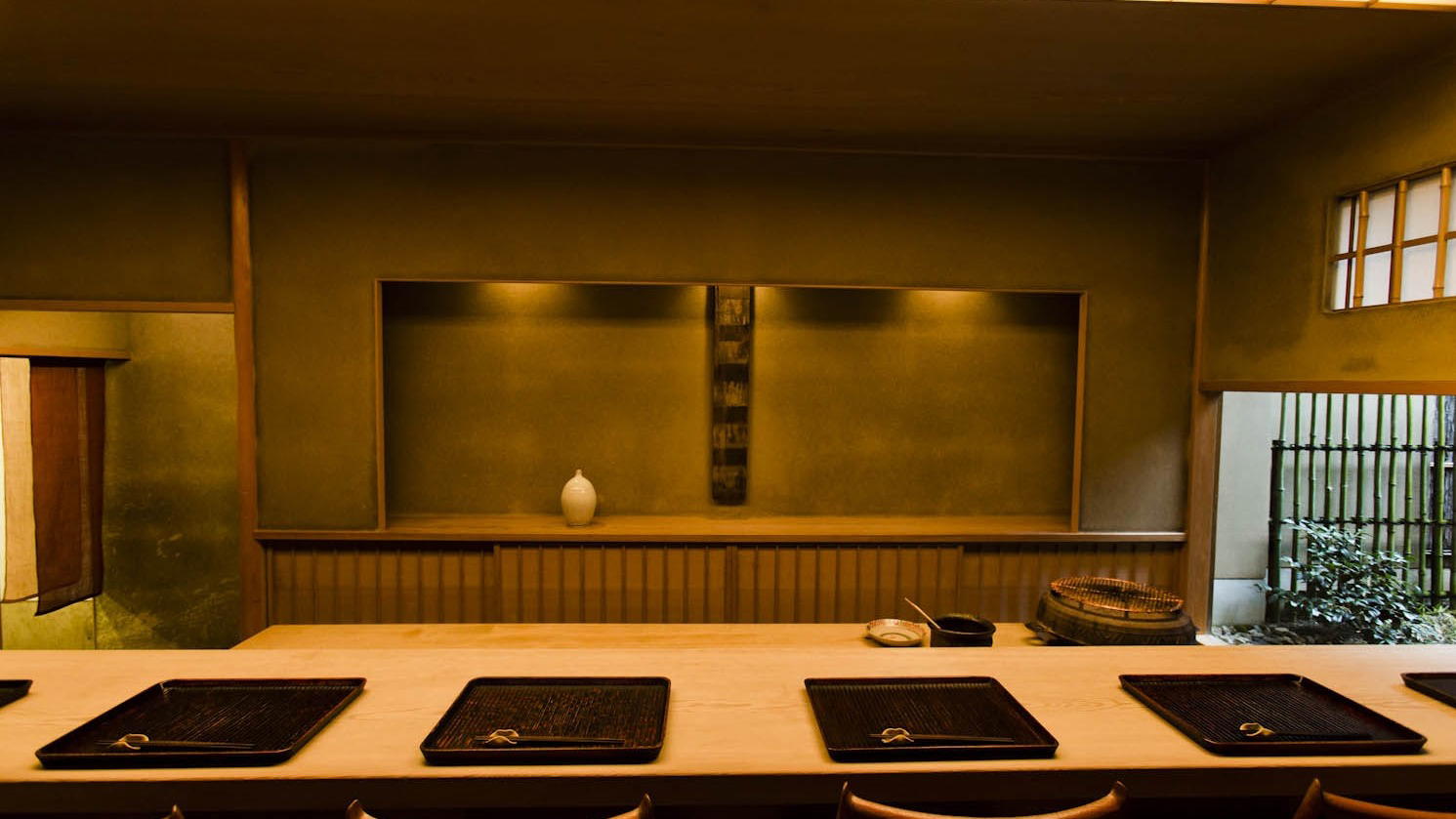
Nakagyo Ward sits at the commercial and geographic heart of Kyoto, pressed between the quieter northern districts and the tourist-heavy streets of Gion to the east. The address, 84 Kannoncho, puts Tsuneya Densuke in the kind of mid-city block where izakayas have always done their leading work: accessible, unshowy, easy to return to. Walking in, you are not entering a space that asks anything of you in terms of formality or ceremony. Izakaya environments across Japan operate on a different register than kaiseki rooms. The atmosphere is warmer and less curated; the ambient noise is part of the offer, not a distraction from it.5 across 131 reviews suggests the experience lands consistently for the range of guests who walk through the door.
A Hundred Dishes and the Logic Behind Them
The scale of the menu at Tsuneya Densuke deserves attention as a deliberate editorial stance, not just a list of options. In a city where kaiseki menus compress the season into eight or ten precisely chosen courses, a menu exceeding a hundred dishes makes the opposite argument: that abundance and choice are themselves a form of hospitality. The restaurant's stated policy reinforces this, every guest can eat what they like, in whatever quantity they prefer. That is a structural decision, not just a customer service posture. It shapes how tables eat, how long they stay, and what the rhythm of the room becomes.
Fish anchors the menu. Tilefish appears both grilled and deep-fried, two preparations that pull the same ingredient in different textural directions. Mackerel is marinated and offered either as sashimi or as roll sushi, a choice that lets the guest decide how much the vinegared rice should factor into the experience. These are not unusual techniques within izakaya cooking, but the explicit dual treatment of single ingredients reflects a kitchen that takes the format seriously. Alongside the fish programme, beef dishes including simmered beef with tofu and beef cutlets round out a menu designed to work across a full evening of sake-pairing rather than as a single-sitting meal. The restaurant's Plate recognition positions it as a primer on the diversity of Japanese cuisine, a signal that the range here is not incidental but central to what the kitchen is doing.
Value at the ¥¥¥ Tier in a ¥¥¥¥ City
Kyoto's most recognised dining sits at the ¥¥¥¥ level. Kaiseki rooms like Gion Sasaki and Ifuki operate in that bracket, and the price reflects both the ingredient sourcing and the kitchen labour that multi-course precision demands. At ¥¥¥, the restaurant is not cheap by any absolute measure, but the comparison matters. Within Kyoto's dining hierarchy, mid-range pricing at Michelin-recognised quality is not a common combination. The restaurant's value proposition is specific: izakaya format, fish-led, sake-oriented, with a menu breadth that makes it easy to spend two hours at the table and never feel restricted in what you're ordering.
The izakaya tradition is not geographically uniform, what Kyoto kitchens do with fish and sake pairings reflects the city's proximity to the Japan Sea and its own ingredient culture.
How It Sits in the Broader Japan Picture
Harutaka in Tokyo and HAJIME in Osaka operate at the upper end of formal dining in their respective cities. akordu in Nara, Goh in Fukuoka, 1000 in Yokohama, and 6 in Okinawa each represent regional expressions of Japanese dining at recognised quality levels. The restaurant belongs to a different tier of that ecosystem: it is not performing for international fine-dining audiences or positioning against three-star peers. It is doing what the izakaya format has always done, making skilled, ingredient-led cooking available to people who want a long evening with sake, fish, and the ability to order freely. In Kyoto, where the alternative is almost always a fixed-course room with a fixed price and a fixed duration, that offer is neither minor nor incidental.
Planning Your Visit
Address: 84 Kannoncho, Nakagyo Ward, Kyoto, 604-0821, Japan. Price range: ¥¥¥. Awards: Michelin Plate 2024, Michelin Plate 2025. Booking is essential, and evenings in central Kyoto can fill quickly.5 from 125 reviews.
The Minimal Set
Comparable venues nearby, for context on price, style, and recognition.
| Venue | Cuisine | Price | Notes |
|---|---|---|---|
| Tsuneya DensukeThis venue — the venue you are viewing | Nakagyō, Kyoto Izakaya | $$$$ | Not listed |
| Miyagawacho Tensho | Higashiyama, Seasonal Tempura Kaiseki | $$$$ | Not listed |
| Takehisa | Nakagyō, Kyoto Kappo Kaiseki | $$$$ | Not listed |
| Kappo Shinatomi | Kamigyō, Kappo | $$$$ | Not listed |
| Ryoriya Kanemitsu | Not listed | $$$$ | Shimogyō, Modern Kaiseki with Charcoal Grilling |
| Koryori Takaya | Shimogyō, Kappo Omakase | $$$$ | Not listed |
Recognition history
Dated appearances from independent guides and award organizations, with the underlying list record or original source where available.
Michelin Plate
Michelin
Michelin Plate
Michelin
Michelin Plate
Michelin
Continue exploring
More in Kyoto
Restaurants in Kyoto
Browse all →
Bars in Kyoto
Browse all →

Hotels in Kyoto
Browse all →
Wineries in Kyoto
Browse all →
At a Glance
- Intimate
- Elegant
- Classic
- Special Occasion
- Date Night
- Private Dining
- Sake Program
Current opening hours
- Monday
- 5:30–10 PM
- Tuesday
- 5:30–10 PM
- Wednesday
- 5:30–10 PM
- Thursday
- 5:30–10 PM
- Friday
- 5:30–10 PM
- Saturday
- 5:30–10 PM
- Sunday
- Closed
Hours can change for holidays and private events. Last verified .
Intimate traditional Japanese atmosphere with counter seating and private rooms, emphasizing a cozy dining experience focused on appetizers and drinks.