Our verdict
KOKUBU Steak House occupies a precise address in Kobe's Kitanagasadori district, where the city's Wagyu tradition runs deepest. The restaurant draws on Kobe beef's local heritage in a setting shaped by the rituals of the Japanese steakhouse format. For visitors planning a meal around the city's defining protein, KOKUBU represents one address in a neighbourhood built for exactly that purpose.

Pearl is the En Primeur Club membership app, where members save venues, book tables and use the concierge.
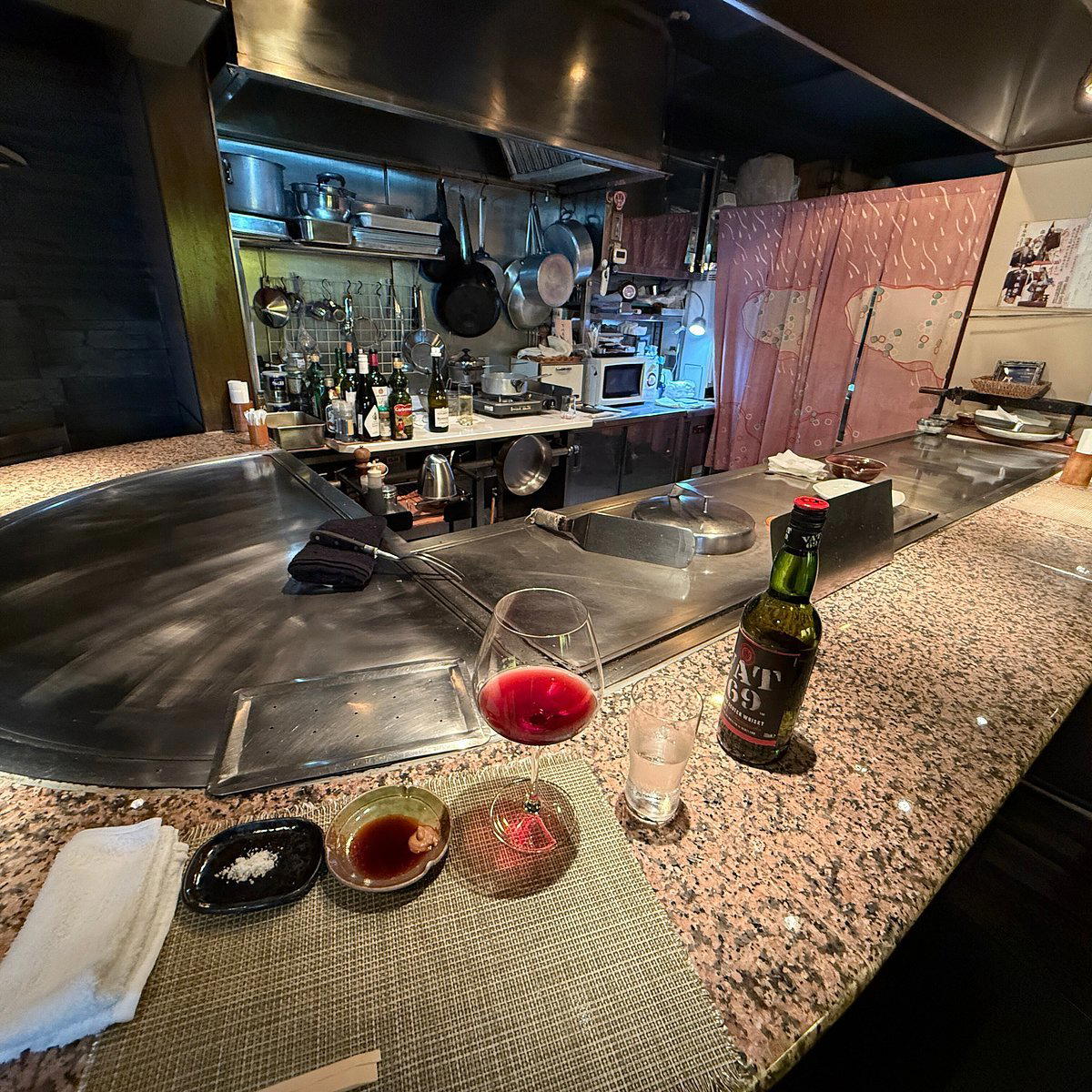
Where Kobe Beef Meets Its Own Neighbourhood
Kitanagasadori, the long avenue cutting through Kobe's Chuo Ward, has always functioned as a kind of culinary spine for the city's upper dining tier. The address at 1 Chome-21-2 places KOKUBU Steak House within walking distance of the historic foreign settlement quarter, an area that has shaped Kobe's cosmopolitan food culture since the Meiji era. Arriving along this stretch, the architecture shifts between Western-influenced buildings and more recent commercial facades, a layering that reflects Kobe's role as a port city that absorbed outside influence without losing its own culinary identity. Kobe beef, the protected designation tied to Tajima cattle raised in Hyogo Prefecture, found its most concentrated dining infrastructure precisely here, and steakhouses along this corridor have long served as the primary stage for its consumption.
The Ritual of a Japanese Steakhouse Meal
To eat at a Kobe steakhouse is to follow a format with distinct choreography. The teppanyaki tradition, in which the cook prepares Wagyu on an iron griddle at tableside, organises the meal around visual performance and controlled timing. Diners do not simply receive a plate; they observe the preparation, the slicing, the resting of meat before service. In this context, the quality of the beef is only part of what is being consumed. The pacing of the meal, appetiser courses, the arrival of the main cut, the accompanying vegetables prepared on the same surface, constitutes a form of hospitality logic that the format encodes and transmits. This is not theatre in the superficial sense; it is a service grammar that sets expectations for both kitchen and guest.
Kobe beef itself operates under strict designation rules. The cattle must be born, raised, and slaughtered in Hyogo Prefecture, with beef quality grade A4 or A5 and a Beef Marbling Score of 6 or above on the Japan Meat Grading Association scale. These criteria create a defined upper tier within which steakhouses at this level compete on sourcing, cut selection, and preparation technique rather than on differentiation by protein category. Among Kobe's steakhouse operators, Aragawa holds perhaps the longest-documented position at the premium end, while venues like KOKUBU occupy the same geography and serve an overlapping clientele.
Setting and Format in Context
Kobe's restaurant scene has developed a more specialised character than Osaka or Kyoto precisely because its premium tier concentrates so heavily on a single product. Where HAJIME in Osaka represents avant-garde kaiseki in a city defined by breadth, and Gion Sasaki in Kyoto operates within a centuries-old seasonal framework, Kobe's high-end dining identity is anchored in beef. That specificity means visitors arrive with a clearer mandate: this is a city you come to for one category executed at depth. The diversity that exists within that category, different cuts, different preparation approaches, different service formats, becomes the meaningful variation.
Within Kobe's broader restaurant portfolio, the city also maintains strong representations in other categories. Ca Sento operates on the Spanish end of the spectrum, while Ash Restaurant, Fushin, and fuxing each occupy distinct positions in the city's dining map. But visitors arriving specifically for the Wagyu experience tend to organise their itinerary around steakhouse bookings first and fill complementary meals around them.
Planning a Meal in Kobe's Steakhouse Tier
The practical logic of eating at a Kobe steakhouse demands some advance thought. Premium Wagyu restaurants in Chuo Ward, particularly those at dinner, operate on reservation-only or near-reservation-only terms during high-traffic periods. Spring and autumn bring the largest concentrations of visitors from both domestic and international markets, those planning an autumn trip to the Kansai region should treat steakhouse reservations as the first booking made, before hotels or transit. Kobe sits approximately 30 minutes from Osaka by express train on the Hanshin or Hankyu lines, and approximately 45 minutes from Kyoto, positioning it as a viable day-trip destination but also rewarding an overnight stay for visitors who want to extend into the Kitano district's cafes and foreign-influence architecture.
For regional comparison, akordu in Nara and Goh in Fukuoka illustrate how Kansai and Kyushu dining operate at the premium tier outside Kobe's beef-centric framing. Further afield across Japan's prefectures, venues like a kaiseki address in Nanao, a counter-format restaurant in Sapporo, and a lakeside establishment in Takashima reflect Japan's dispersed but consistently high-floor dining culture. Even a destination in Nishikawa Machi and Birdland in Sakai underscore that Japan's serious dining is distributed across its geography in ways that reward itinerary planning rather than city-centric thinking.
For international visitors arriving via Tokyo, the contrast in steakhouse culture is worth noting. Tokyo's premium Wagyu scene, visible in districts like Ginza and Nishi-Azabu, operates at comparable price points but within a different service context, often smaller, quieter rooms designed around the counter rather than the tableside griddle. Venues such as Harutaka in Tokyo show how Tokyo's premium dining prioritises a different kind of intimacy. Kobe, by contrast, leans into the teppanyaki format's social dimension: the shared griddle, the visible preparation, the communal pacing of a table that eats together and watches together. For visitors who have experienced high-end beef dining in Tokyo or even internationally at a reference point like Le Bernardin or Atomix in New York, the Kobe steakhouse tradition reads as a genuinely distinct format, not a localised version of a global model, but the original context from which many of those models drew.
Our full Kobe restaurants guide covers the city's dining scene across categories, with specific guidance on neighbourhood orientation and seasonal booking patterns.
Frequently asked questions
What part of town is KOKUBU Steak House in?
KOKUBU Steak House is located at 1 Chome-21-2 Kitanagasadori, Chuo Ward, Kobe, Hyogo 650-0012, Japan, Kobe.
How does KOKUBU Steak House's location in Kitanagasadori affect the dining experience?
Kitanagasadori in Kobe's Chuo Ward is the avenue most associated with the city's concentrated premium dining tier, making the address itself a statement of positioning within the local steakhouse hierarchy. Restaurants on this stretch have historically drawn both domestic travellers making the trip specifically for certified Kobe beef and international visitors using Kobe as a day-trip from Osaka or Kyoto. The neighbourhood's character, more focused and less sprawling than Osaka's dining districts, means that competition among steakhouses here is tight and the standard expected by regular guests reflects that.
What dish is KOKUBU Steak House famous for?
KOKUBU Steak House is a Kobe beef specialist operating on Kitanagasadori in Chuo Ward, the corridor that concentrates the city's upper tier of Wagyu dining. The format centres on teppanyaki preparation, where Kobe beef is cooked on an iron griddle in front of guests. In a city where the beef itself sets the standard, the execution at the iron plate is what differentiates one house from another.
Do I need a reservation for KOKUBU Steak House?
Advance booking is advisable. Premium Wagyu teppanyaki restaurants in Kobe's Chuo Ward, particularly for dinner service, tend to operate at limited capacity to maintain the quality of each seating. Contacting the restaurant directly or booking through a hotel concierge in Kobe is the practical approach, especially for weekend or evening visits.
What is KOKUBU Steak House known for?
KOKUBU Steak House occupies a position within Kobe's steakhouse tier on Kitanagasadori, the address corridor in Chuo Ward that has functioned as the city's reference point for premium beef dining. The teppanyaki format, common to Kobe's upper-end steakhouses, places the cook and the preparation in full view of the table, making the meal as much about craft as ingredient. Kobe itself remains one of the few cities in Japan where the provenance of the beef is a legally defined designation, which frames the baseline expectation at any serious house here.
Can KOKUBU Steak House handle vegetarian requests?
Teppanyaki steakhouses in Kobe are built around Wagyu beef as the central offering, and KOKUBU is located within that specialist tier on Kitanagasadori in Chuo Ward. Vegetarian accommodation is not a confirmed feature of the menu. Guests with dietary restrictions should check the venue's official channels before booking to establish what, if anything, can be arranged.
Style and Standing
Comparable venues nearby, for context on price, style, and recognition.
| Venue | Cuisine | Price | Awards | Notes |
|---|---|---|---|---|
| KOKUBU Steak HouseThis venue (the venue you are viewing) | Kobe Beef Teppanyaki | $100–150 | Not listed | Not listed |
| baron | Kobe beef charcoal-grilled steakhouse | $200–300 | Tabelog 100 #32 | Chūō |
| Sandayahonten Steak House - Daimaru Kobe | Teppanyaki Kobe Beef Steakhouse | $50–100 | Not listed | Chūō |
| Ito Grill | Classic Kobe yoshoku & charcoal‑grilled Kobe beef | $100–150 | Tabelog 100 #91 | Chūō |
| Kobe Beef Steak Ishida. Ikutashinmichi-shop | Premium Kobe Beef Teppanyaki | $50–100 | Not listed | Chūō |
| Tsuki Usagi | Halal Kobe Beef Japanese | $200–300 | Not listed | Chūō |
Continue exploring
More in Kobe
Restaurants in Kobe
All restaurants in Kobe →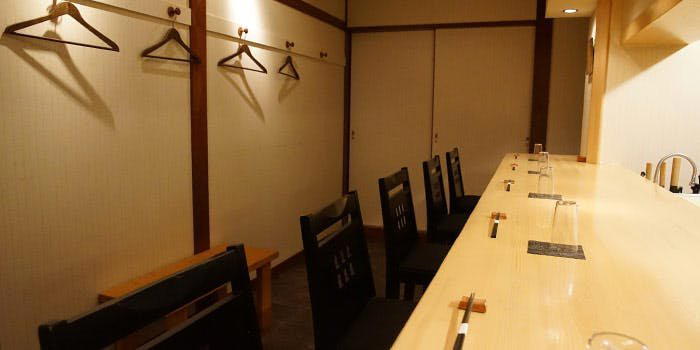
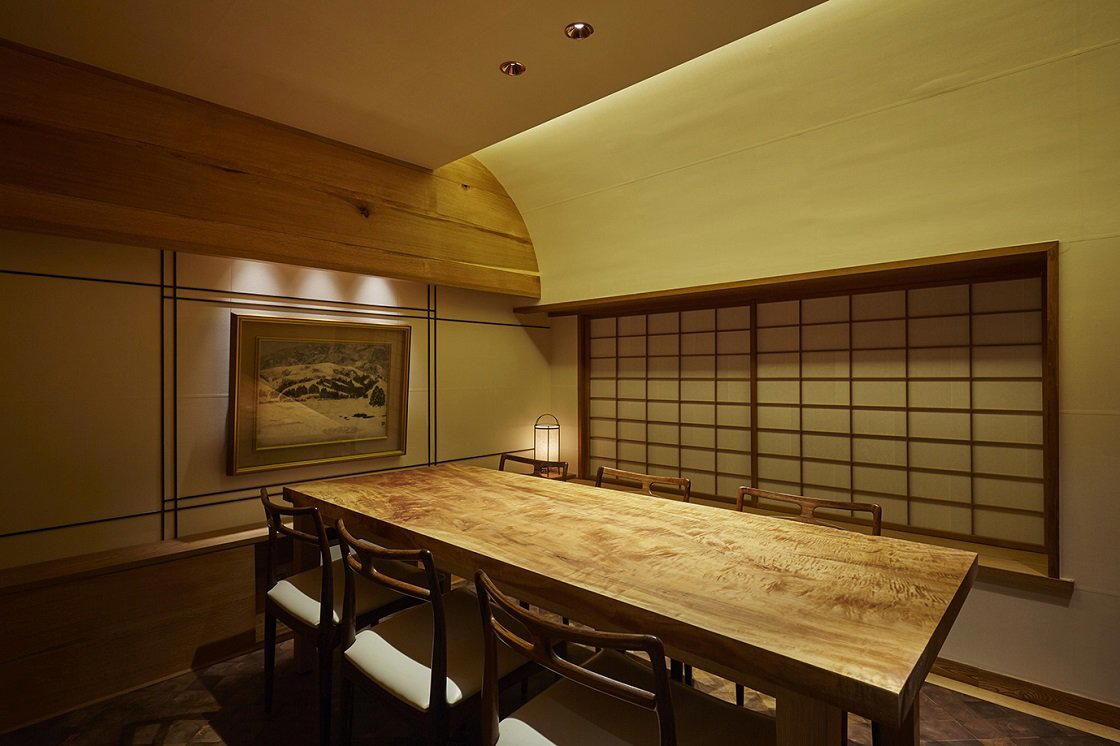
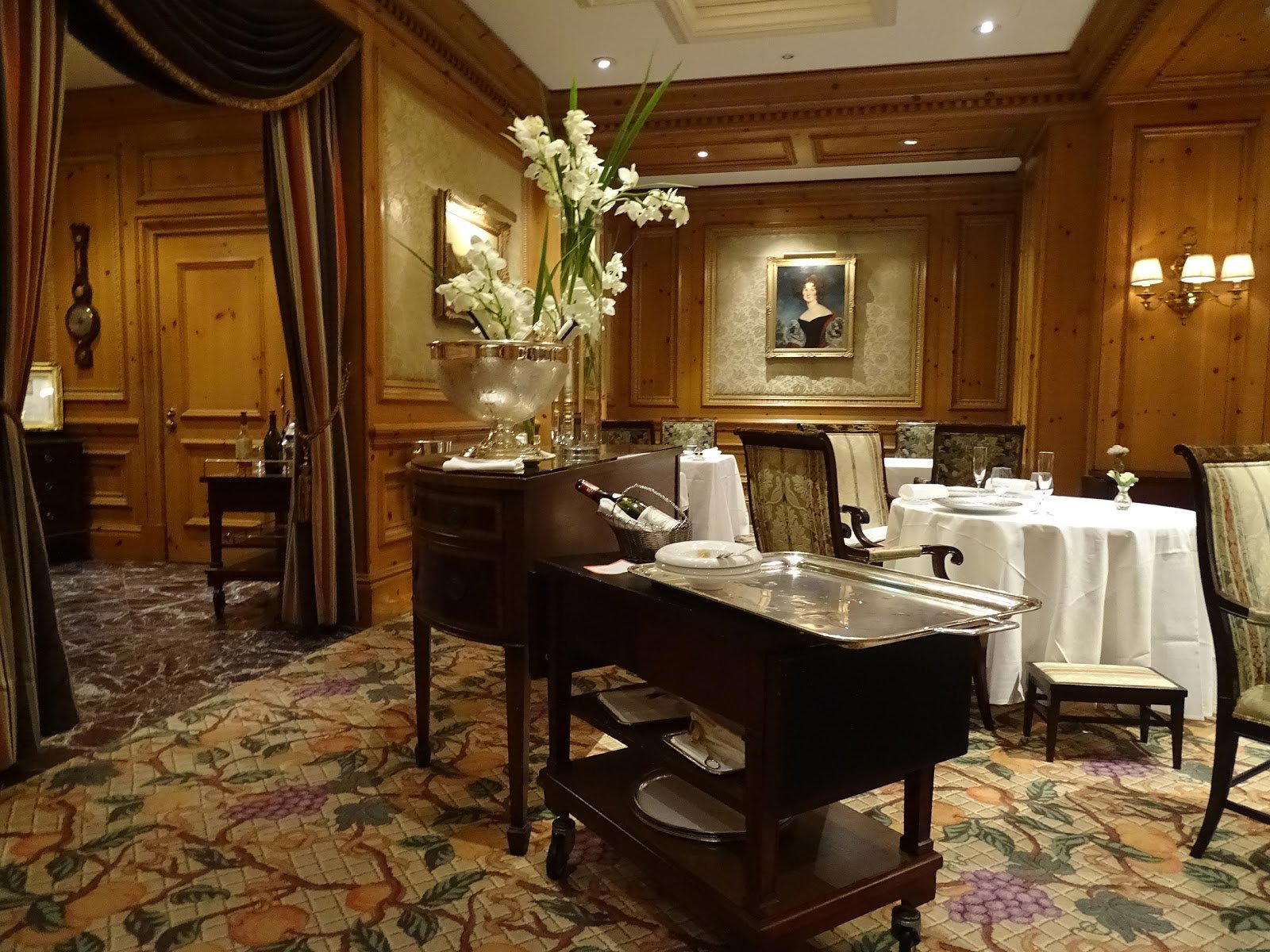
Bars in Kobe
Browse all →
Details
- Intimate
- Elegant
- Cozy
- Date Night
- Special Occasion
- Chefs Counter
- Open Kitchen
- Sake Program
- Counter Dining
- A La Carte
Current opening hours
- Monday
- 5–10 PM
- Tuesday
- 5–10 PM
- Wednesday
- 5–10 PM
- Thursday
- 5–10 PM
- Friday
- 5–10 PM
- Saturday
- 5–10 PM
- Sunday
- Closed
Hours can change for holidays and private events. Hours as of .
Intimate and charming atmosphere with limited seating around the teppanyaki counter, creating a personal and homey family vibe.