

Tabelog Bronze #39
Our verdict
Ca Sento places Spanish cooking inside Kobe’s small, high-precision fine-dining tier, with Chef Shinya Fukumoto working in an Innovative-Spanish register rather than a tapas-bar idiom. Its 2026 Tabelog Bronze Award, 2025 Tabelog 100 selection for Innovative / Creative cuisine, and OAD Japan recognition put it in the city’s serious reservation conversation.

Pearl is the En Primeur Club membership app — saves, bookings, and concierge access live there. Same editors, same standards.
- Address
- 4 Chome-16-14 Nakayamatedori, Chuo Ward, Kobe, Hyogo 650-0004, Japan
- Phone
- +81 78-272-6882
- Hours
- Mon–Tue ClosedWed–Sun 6–11 PM
- Website
- casento.jp
- Directions
- Get directions
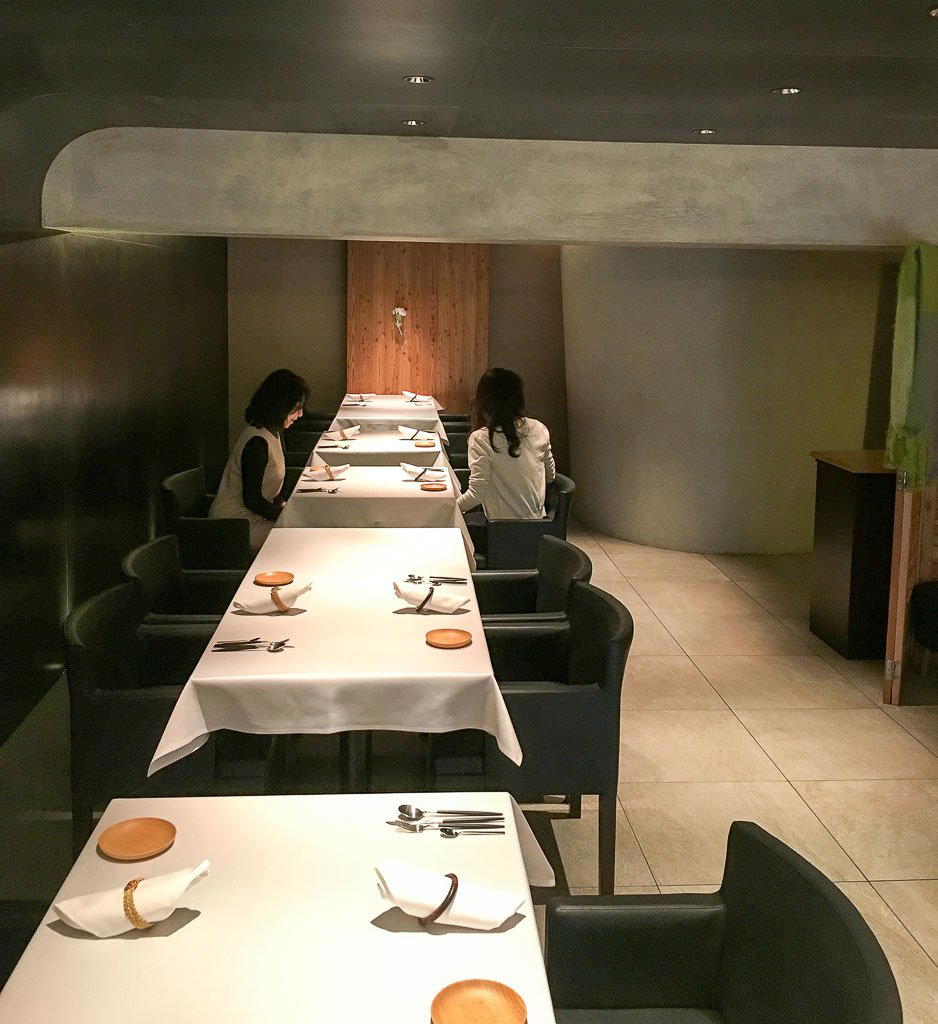
In Nakayamatedori, Kobe’s dining rhythm changes quickly from station-side utility to the quieter register of destination restaurants. The city has always been comfortable with imported influences: port culture, beef houses, coffee rooms, patisserie, and European technique all sit naturally here. Ca Sento belongs to that lineage, but its Spanish identity is not the casual grammar of pintxos and paella. It works closer to Barcelona’s modern Catalan conversation, where seafood and mountain ingredients can share a plate, where suquet-like fish thinking matters as much as roast-meat depth, and where dessert can nod to crema catalana without needing to announce nostalgia.
That context matters because Spanish dining in Japan often splits into two camps: convivial, wine-led restaurants built around shared plates, and chef-led rooms that use Spanish structure as a framework for Japanese seasonality. The latter is a narrower category, and Kobe has fewer such rooms than Tokyo or Osaka. Chef Shinya Fukumoto’s kitchen sits in that smaller lane, classified as Innovative and Spanish, with recognition that confirms it is being judged against serious creative restaurants rather than neighborhood Iberian comfort food.
Catalan logic filtered through Kobe's port-city palate
Catalan cooking gives a chef unusual freedom because it is not a single flavor profile. Barcelona’s table moves between mar i muntanya, the sea-and-mountain logic of seafood with meat or poultry; suquet, the fishermen’s stew tradition built on depth rather than prettiness; and custard, citrus, almond, olive oil, and smoke. In Japan, that vocabulary can align cleanly with the country’s own respect for fish, broth, rice, and precise heat. The useful question is not whether a restaurant feels “authentic” in a postcard sense, but whether it understands the architecture behind the cuisine.
Ca Sento’s category signals that the meal should be read through technique and sequence rather than through a checklist of Spanish classics. That makes it a better fit for diners who follow contemporary European cooking in Japan than for diners looking for a casual Spanish night out. Among the comparison set supplied EL ALMA, Donostia, gastroteka bimendi, Ñ, and ETXOLA represent a broader out-of-metro Spanish field with lower-to-mid price positioning in several cases. Ca Sento occupies a different tier: a compact Kobe fine-dining room with award traction and a budget band that puts it in special-occasion territory.
The Kobe setting sharpens the point. This is a city where foreign cuisines have long been absorbed rather than treated as novelty, and where Western-form dining does not need to perform as spectacle. The restaurant’s recognition by Tabelog, including a 2026 Bronze Award and 2025 selection for Tabelog 100 Innovative / Creative cuisine, places it inside a Japanese evaluation culture that rewards consistency across years. Earlier Tabelog Award listings, including Gold in 2019 and Silver in several subsequent years, give the room a longer signal than a single-season spike.
A small-room format changes the stakes
Fine dining in Kobe is often more intimate than the large luxury-hotel model. The relevant comparison is not scale but control: fewer seats, tighter pacing, and a service style where wine and sake can both be part of the conversation. Ca Sento lists sommelier service and a drinks program spanning wine and nihonshu, which is useful in this culinary register. Spanish technique can pull toward acidity, stock, garlic, oil, and char; Japanese pairings can answer those moves without forcing the meal into a European-only frame.
The awards profile also shows why this is not simply a local favorite. Opinionated About Dining included Ca Sento in its Japan rankings in 2023, 2024, and 2025, and its 2026 Japan list marks the restaurant as Highly Recommended. Tabelog gives it a 2026 score of 4.29 and a Bronze Award. Those numbers should not be read as decoration; in Japan’s restaurant culture, sustained guide and platform recognition affects how diners plan, how far they will travel, and how much risk they assign to an unfamiliar city.
The editorial read is clear: this is for travelers who want Kobe beyond beef, but not beyond Kobe’s strengths. The city’s dining identity is usually reduced to wagyu, yet its better European-leaning rooms are part of the same port logic that shaped its bakeries, coffee houses, and Western restaurants. Ca Sento’s Spanish-Catalan axis gives that history a contemporary expression. It is a strong candidate for a Kobe itinerary when the point is to see how Japanese precision changes a Mediterranean cuisine without turning it into fusion theater.
How to place it in a Kobe dining itinerary
For a wider map of the city, use Our full Kobe restaurants guide alongside nearby dining references such as Aburi Niku Kobo Wakkoku Shinkobe ten, Aburi Niku Kobo Wakkoqu Kitano Sakamoto Ten, Akaneya Coffee Ten, Akari, and Ali's Halal Kitchen. The contrast is useful: beef, coffee, local dining rooms, and international kitchens show how broad Kobe’s food culture is before a Spanish fine-dining reservation enters the plan.
Travel planning should also account for the rest of the city rather than treating dinner as an isolated event. Our full Kobe hotels guide, Our full Kobe bars guide, Our full Kobe wineries guide, and Our full Kobe experiences guide help build the surrounding stay. For Spanish dining elsewhere in Japan and beyond, compare the category with Aca 1°, Spanish in Tokyo and Amari, Spanish in Brighton and Hove. Broader Japan references, from -Grilled beef Sukiyaki- KAMAKURA TANUKIAN 鎌倉 たぬき庵 in Kamakura to. 鮪と炭火焼き うお炭 秋葉原店 in Tokyo.cafe in Osaka.know in Kumamoto, (Shoku) Vietnam in Kawasaki, and [Curry Senmon Ten] Maruyama Kyoju. in Sapporo, show how varied the country’s destination dining map becomes once the search moves beyond obvious categories.
The recommendation is specific: choose Ca Sento when the goal is a composed Kobe dinner with Spanish structure, Catalan intelligence, and Japanese fine-dining discipline. Diners seeking a loud tapas counter or a casual wine bar should look elsewhere. Diners interested in how Barcelona’s culinary grammar can travel through Kobe’s port-city sensibility will understand why this room has remained in the awards conversation.
Frequently asked questions
Is Ca Sento focused on a specific cuisine style?
Ca Sento serves Spanish cuisine.
Who's behind the kitchen at Ca Sento?
The chef associated with Ca Sento is Shinya Fukumoto.
What days is Ca Sento closed?
Hours at Ca Sento: Hours: Monday Closed Tuesday Closed Wednesday 6–11 pm Thursday 6–11 pm Friday 6–11 pm Saturday 6–11 pm Sunday 6–11 pm.
What's the address for Ca Sento?
Ca Sento is located in Kobe.
Comparable venues nearby, for context on price, style, and recognition.
| Venue | Cuisine | Price | Awards | Notes |
|---|---|---|---|---|
| Ca SentoThis venue — the venue you are viewing | Modern Spanish with Japanese Ingredients | $150–200 | Tabelog Bronze #39 | Not listed |
| Uemura | Modern Kaiseki | $200–300 | La Liste Top Restaurants · Tabelog Bronze #496 | Chūō |
| Sushi Ueda | Traditional Omakase Sushi | $300–500 | Tabelog Bronze #494 | Chūō |
| Kitanozaka Kinoshita | Seasonal Italian Tasting Menu | $150–200 | La Liste Top Restaurants | Chūō |
| Setsugekka | Kobe Beef Teppanyaki | $100–150 | Not listed | Chūō |
| Kobe Beef GENKICHI | Kobe Beef Teppanyaki | Not listed | Not listed | Chūō |
Recognition history
Dated appearances from independent guides and award organizations, with the underlying list record or original source where available.
Opinionated About Dining Top Restaurants in Japan Highly Recommended
Opinionated About Dining
Tabelog Bronze #39
Tabelog
Full recognition history (6 entries)
Opinionated About Dining Top Restaurants in Japan Ranked #144
Opinionated About Dining
Tabelog 100 #61 · No. 61
Tabelog · Tabelog 100 - Innovative / Creative cuisine - 2025
Opinionated About Dining Top Restaurants in Japan Ranked #115
Opinionated About Dining
Opinionated About Dining Top Restaurants in Japan Ranked #102
Opinionated About Dining
Continue exploring
More in Kobe
Restaurants in Kobe
Browse all →
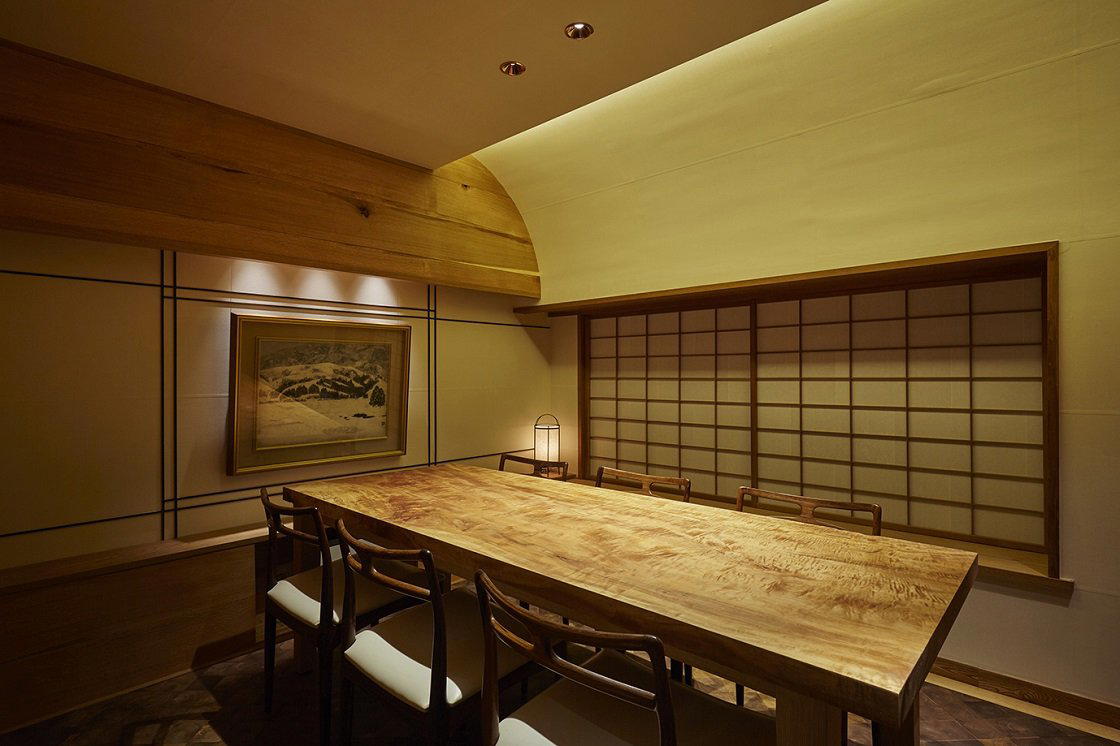
Bars in Kobe
Browse all →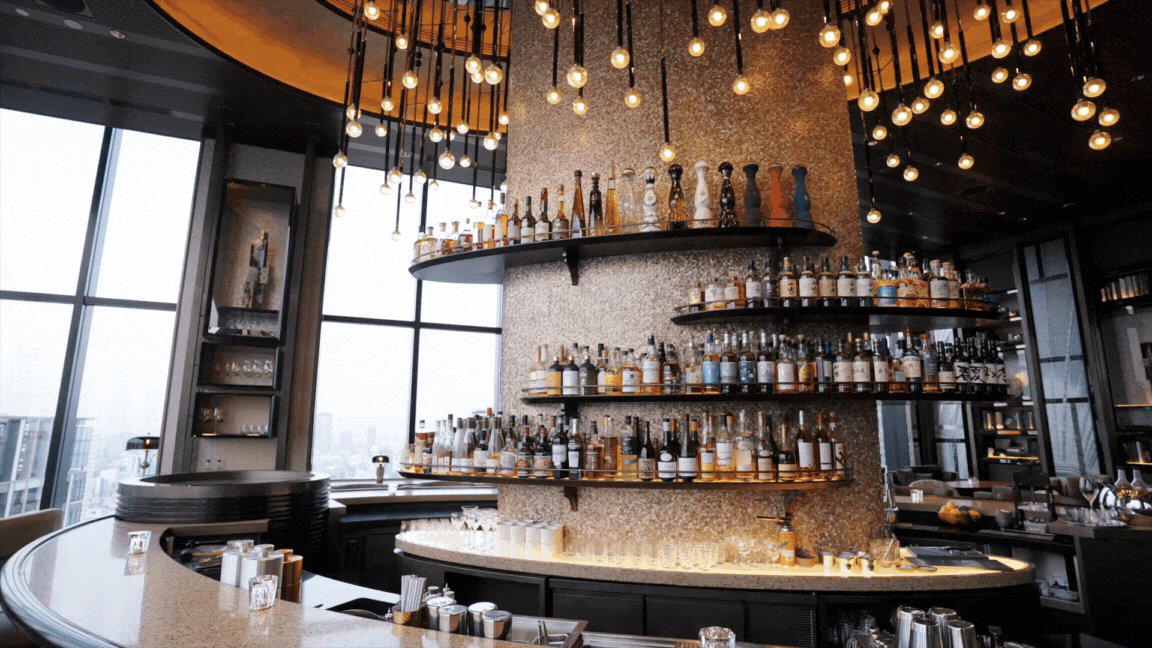
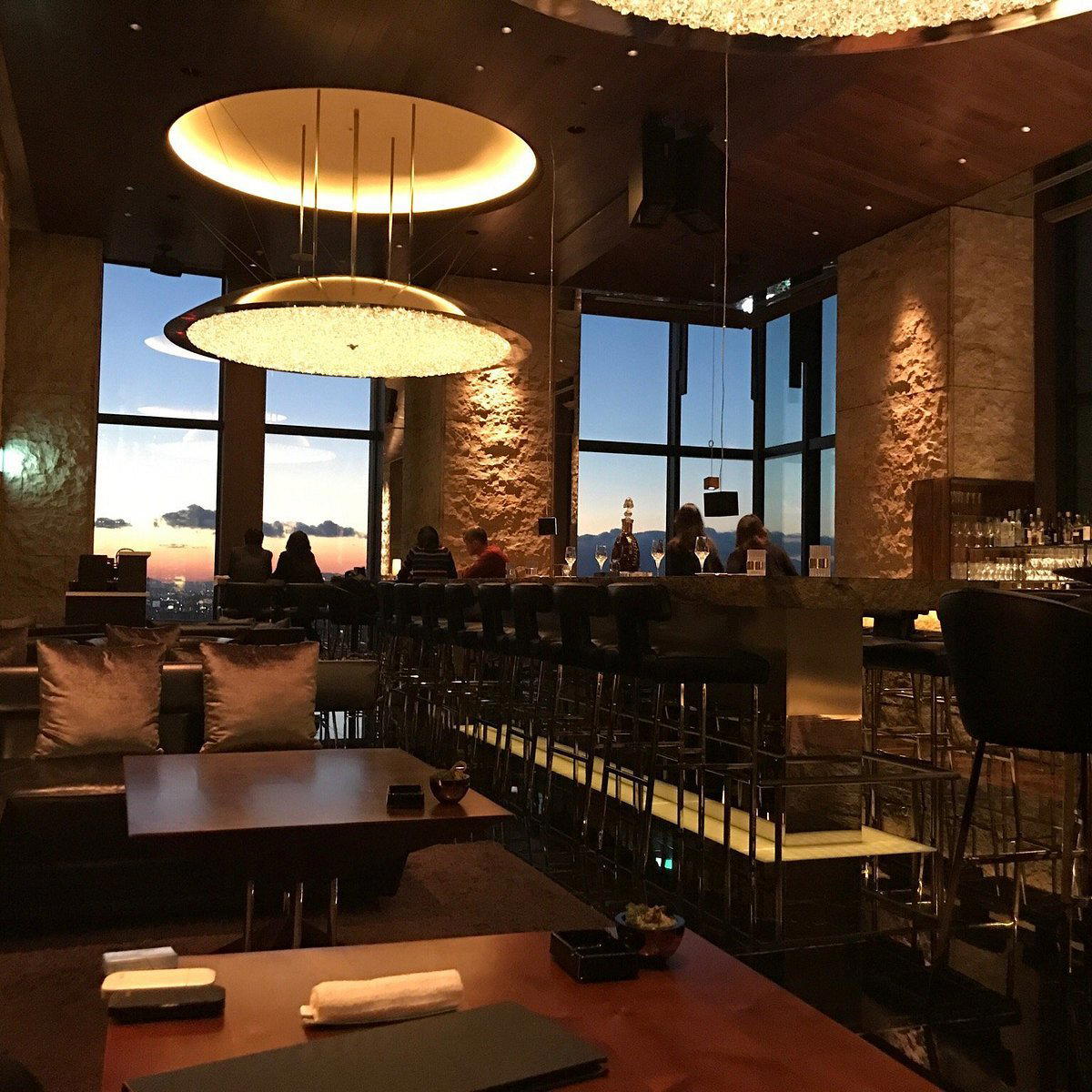



Hotels in Kobe
Browse all →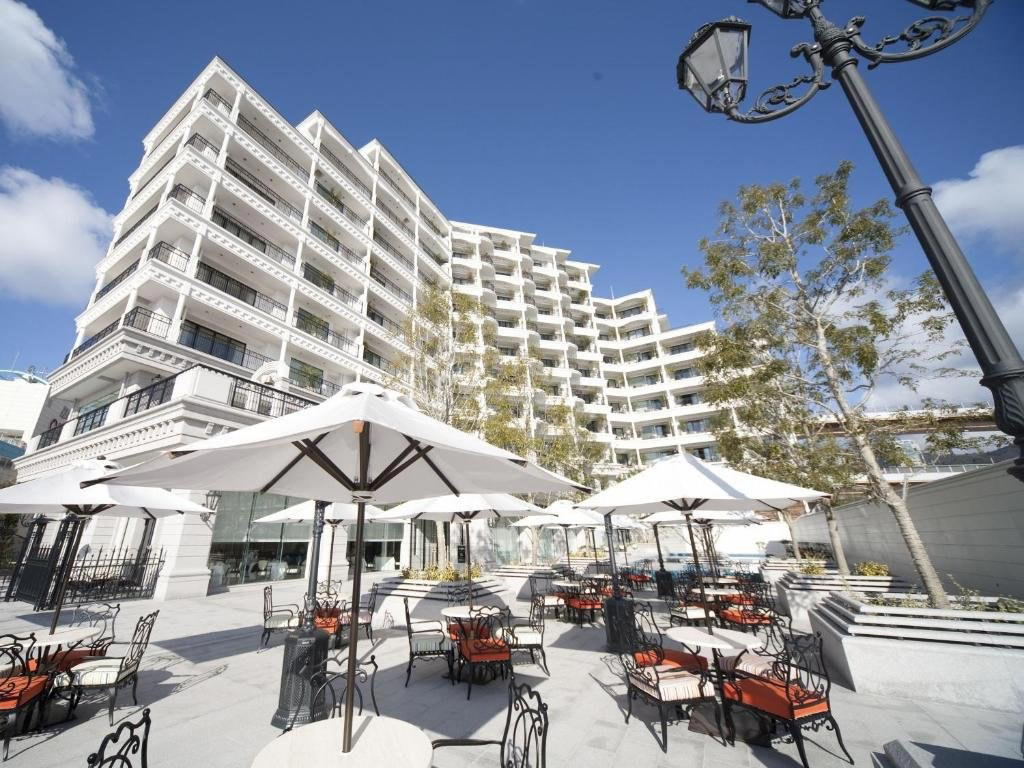


Details
- Elegant
- Cozy
- Intimate
- Sophisticated
- Modern
- Date Night
- Special Occasion
- Standalone
- Sake Program
- Local Sourcing
- Tasting Menu
- Set Menu
Current opening hours
- Monday
- Closed
- Tuesday
- Closed
- Wednesday
- 6–11 PM
- Thursday
- 6–11 PM
- Friday
- 6–11 PM
- Saturday
- 6–11 PM
- Sunday
- 6–11 PM
Hours can change for holidays and private events. Last verified .
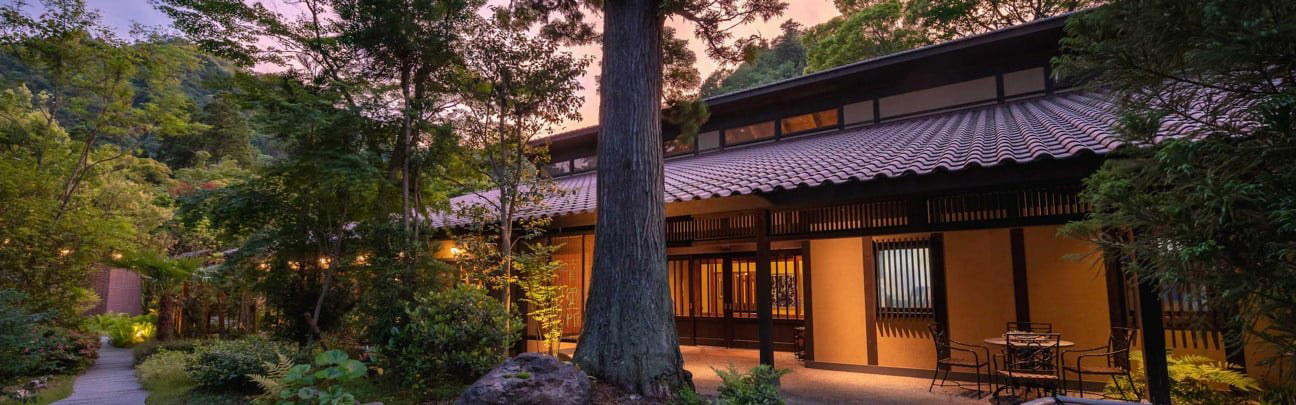
Contemporary monochromatic dining room seating 20 with white light-filled space, low ceilings, organic motifs, and cozy hidden retreat atmosphere.