Our verdict
Ash Restaurant occupies a Kitano-adjacent address in Kobe's Chuo Ward, a neighbourhood historically shaped by foreign trade and the produce corridors that fed it. The restaurant sits in a dining scene where ingredient provenance carries more weight than almost anywhere else in Japan, with Kobe beef, Seto Inland Sea fish, and Hanshin-area vegetables forming a natural sourcing triangle that serious kitchens here draw from systematically.

Pearl is the En Primeur Club membership app — saves, bookings, and concierge access live there. Same editors, same standards.
- Address
- 3 Chome-3-20 Yamamotodori, Chuo Ward, Kobe, Hyogo 650-0003, Japan
- Phone
- +815031774646
- Hours
- Daily 12–3 PM, 6–9:30 PM
- Website
- kobe-kitanohotel.co.jp
- Directions
- Get directions
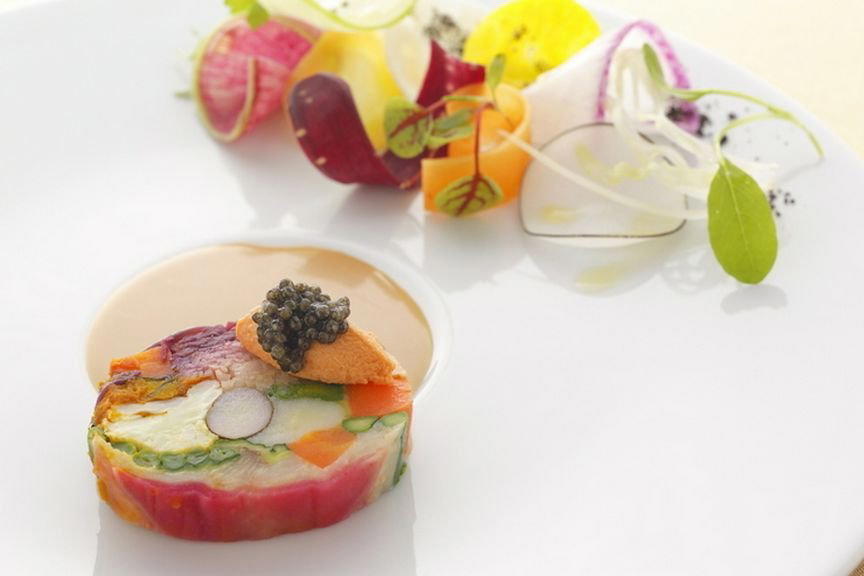
Where Kobe's Ingredient Geography Becomes a Kitchen Philosophy
Kobe's position as a port city has always made it a clearinghouse for produce. The Seto Inland Sea sits to the south, delivering fish to the city's docks with a regularity that shaped both its restaurant culture and its palate. The Rokko mountain range rises to the north, funnelling cold, clean water into the agricultural zones of the Hanshin corridor. And then there is the beef: Tajima cattle raised inland, graded and sold under the Kobe designation that remains among the most scrutinised provenance claims in Japanese food culture. Ash Restaurant, at 3 Chome-3-20 Yamamotodori in Chuo Ward, sits inside this geography in a meaningful way. The Kitano address is not incidental — this is the part of Kobe where Western merchant culture once concentrated, and where the city's appetite for hybrid culinary forms has been most permissive and most demanding simultaneously.
The Kitano Setting and What It Signals
Yamamotodori is one of Kobe's more considered streets — wide enough for slow walking, lined with low-rise buildings that carry traces of the Meiji-era foreign settlement. Approaching the address on a quiet evening, the neighbourhood reads less as a restaurant district and more as a residential quarter that happens to contain serious dining. That contrast is deliberate in much of Kobe's upper-tier food scene: the city tends to house its more committed restaurants in spaces that don't announce themselves aggressively. Kitano's dining cluster, which includes restaurants across multiple cuisines, Ca Sento (Spanish) and Kitanozaka Kinoshita (Italian) among them, operates on the assumption that guests arrive already oriented, not browsing.
That orientation matters when thinking about what Ash occupies in Kobe's dining map. The city's serious restaurant tier runs from beef-specialist counters like Aragawa at the apex of charcoal-grilled Tajima beef, through kaiseki formats (see Uemura), to more internationally inflected kitchens. Ash sits in this range as a destination whose address and neighbourhood context place it in conversation with the city's more considered dining options, rather than its casual or tourist-facing market.
Ingredient Sourcing as Competitive Differentiator in the Hanshin Region
Across the Kansai region's serious restaurants, provenance claims have moved from marketing language to operational infrastructure. Kitchens at this level in Osaka, HAJIME in Osaka, for example, have built sourcing relationships that function almost as supply-chain partnerships: specific farmers, specific fishing boats, specific seasonal windows. Kyoto's kaiseki tradition, represented by places like Gion Sasaki in Kyoto, codifies this through the dashi-forward framework that makes ingredient quality structurally visible, there is nowhere to hide in a clear broth. Kobe's own restaurants inherit this regional seriousness while adding the city's distinct port-city openness to non-Japanese technique and product.
That openness is part of what makes ingredient sourcing in Kobe particularly interesting to trace. A kitchen here can plausibly build a menu that draws on Awaji Island onions, locally landed madai, Nishiki market aromatics from Kyoto an hour away by rail, and Tajima beef without any of those decisions reading as inconsistent. The Hanshin sourcing triangle, sea, mountain, plain, is genuinely that dense. For a restaurant at Ash's address, proximity to both the port wholesale markets and the mountain agricultural zones creates sourcing options that kitchens in more landlocked Japanese cities simply don't have at the same frequency or freshness margin.
Kobe in the Wider Kansai Dining Circuit
Travellers building a serious Kansai eating itinerary increasingly treat the region as a single circuit rather than three separate city trips. Kobe is thirty minutes by rapid rail from Osaka, forty from Kyoto. That proximity has sharpened competition: a restaurant in Kobe needs to offer something that justifies the journey over staying in Osaka's own deep restaurant pool, or Kyoto's. The answer for most of Kobe's upper tier has been specificity, either the beef, the port-adjacent seafood access, or the Western-influenced hybrid cuisine that developed during the foreign settlement period and never fully disappeared.
Ash's Yamamotodori location places it within that specificity argument. The Kitano district's identity as Kobe's most internationally textured neighbourhood gives any kitchen there a particular kind of permission, to draw on French technique, on Spanish produce logic, on Californian fermentation culture, without that reading as incongruous. Compare this to how sourcing-led restaurants in more homogeneous Japanese dining environments operate: akordu in Nara navigates the question of European technique in a deeply traditional Japanese city; affetto akita in Akita works with northern Japanese produce through an Italian lens. Kobe has historically required less justification for that kind of translation.
Internationally, the sourcing-forward restaurant model that Kobe's better kitchens exemplify runs parallel to what places like Le Bernardin in New York City have built around fish provenance, or what Lazy Bear in San Francisco represents in terms of treating sourcing as the primary editorial decision in a menu. The shared logic is that ingredient origin is not backstory but structure, it determines what the kitchen can do, not just what it claims.
Planning a Visit
Ash Restaurant is located at 3 Chome-3-20 Yamamotodori, Chuo Ward, Kobe, in the Kitano district, accessible from Shin-Kobe Station (Shinkansen and subway) in under fifteen minutes on foot, or from Motomachi and Sannomiya stations via the city's local rail network. The Kitano area is most naturally approached on foot, and the walk from Sannomiya through the uphill residential streets functions as a useful transition between the city's commercial centre and its quieter dining quarter.
Kobe's serious restaurant tier generally books ahead, particularly on weekends and during peak travel windows, the late October to early December period, when autumn produce is at its peak in the Hanshin region, tends to compress availability across the city's upper-tier kitchens. For a broader sense of where Ash sits within Kobe's wider dining options, the our full Kobe restaurants guide covers the city's range systematically.
Kobe's peer dining set also extends beyond city limits: Abon in Ashiya, just east along the coast, operates in the same affluent residential register; Fushin and fuxing represent different points on the city's cuisine spectrum. For travellers extending south or west, Goh in Fukuoka, Aji Arai in Oita, Ajidocoro in Yubari District, and Akakichi in Imabari map further points on Japan's regional sourcing-led restaurant circuit. Harutaka in Tokyo offers a Tokyo counterpoint for comparison across the same sourcing-forward framework applied to sushi.
Frequently asked questions
What should I expect atmosphere-wise at Ash Restaurant?
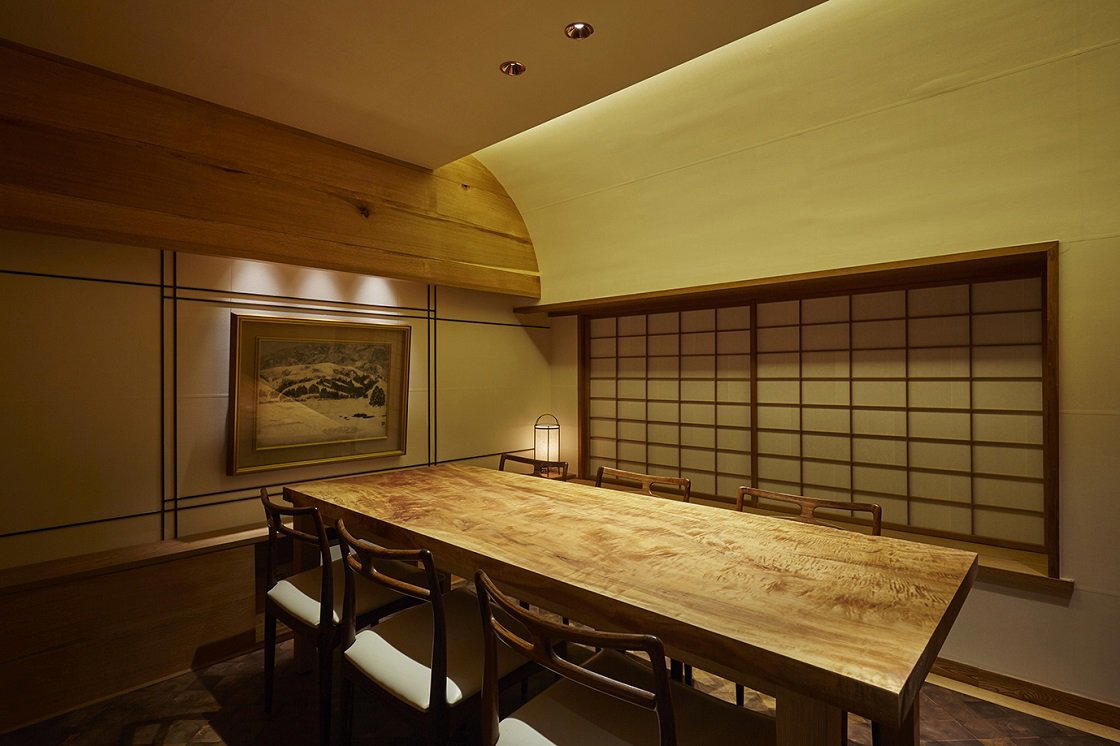
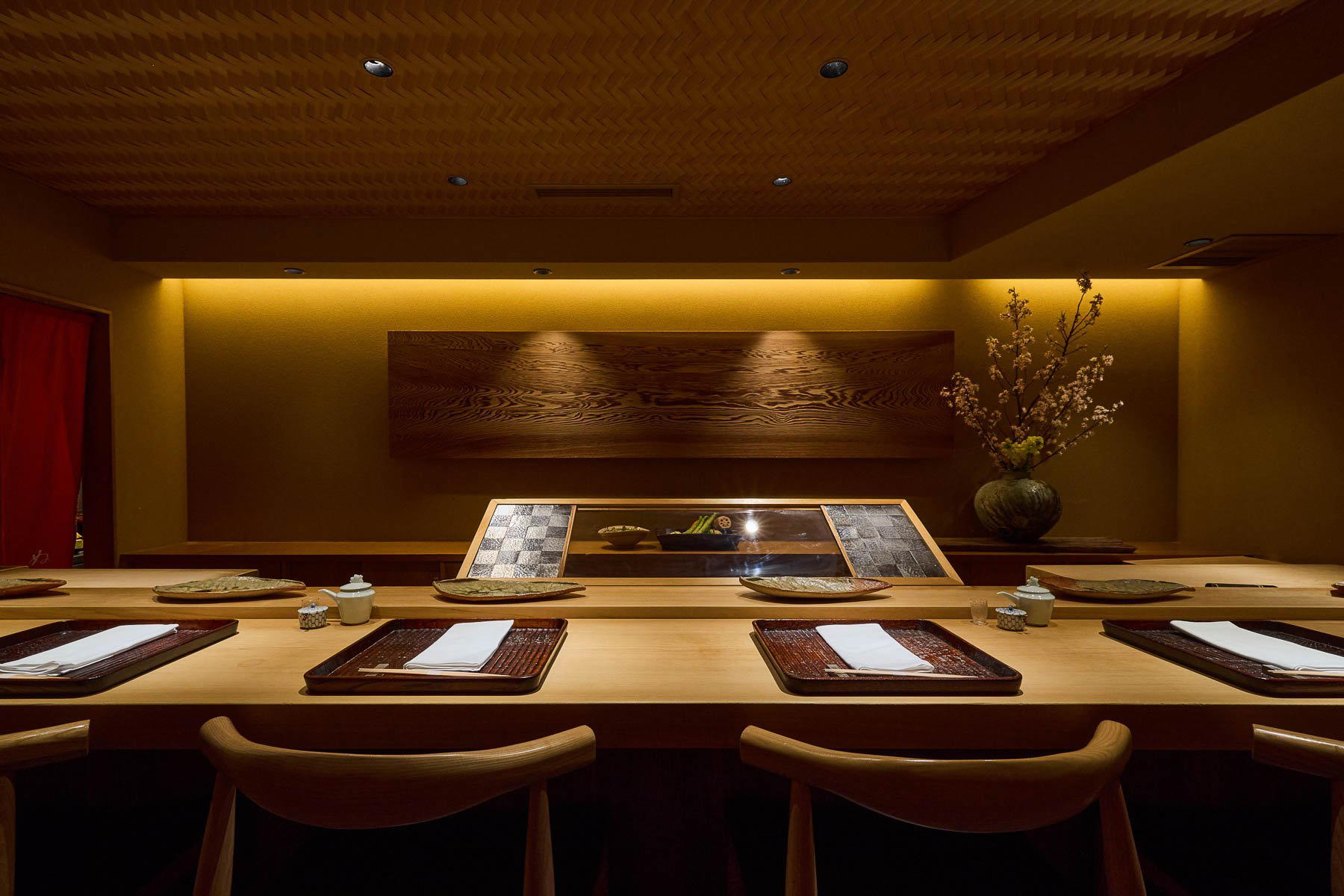
Ash sits on Yamamotodori in Kobe's Kitano district, a street defined by low-rise Meiji-era buildings and a pace that encourages deliberate walking. The setting signals restraint over spectacle — the neighbourhood itself has a considered, residential quality that tends to filter the room toward guests arriving with purpose. Expect something closer to focused quiet than animated buzz.
Where do I go for Ash Restaurant?
Ash Restaurant is located at 3 Chome-3-20 Yamamotodori, Chuo Ward, Kobe, Hyogo 650-0003, Japan, Kobe.
How does Ash Restaurant fit into a broader Kansai dining itinerary based in Kobe?
Travellers treating Kansai as a single dining circuit increasingly include Kobe as a distinct stop alongside Osaka and Kyoto, and the Kitano district at 3 Chome-3-20 Yamamotodori is accessible from Shin-Kobe Station on both the Shinkansen and subway lines. Ash's ingredient-led positioning places it within the tier of Kansai restaurants where provenance tracking has become part of the kitchen's operating logic rather than front-of-house narrative. For anyone building a multi-city Kansai itinerary, Kobe's geography — port access, mountain proximity, regional producers — gives it a sourcing profile distinct from its neighbours.
What should I eat at Ash Restaurant?
The kitchen's orientation toward Seto Inland Sea fish and Hanshin-region produce shapes what arrives at the table. Kobe's port history has long made it a clearinghouse for high-quality ingredients, and restaurants operating at this level in the Kansai circuit treat sourcing as operational infrastructure rather than marketing. Specific dishes and current menus are best confirmed directly with the restaurant ahead of your visit.
Do they take walk-ins at Ash Restaurant?
Walk-in availability at Ash is not confirmed, and given its address in Kitano — a district where serious Kobe restaurants tend to operate on reservations — planning ahead is advisable. Contacting the restaurant directly before arrival is the most reliable approach. No booking policy is publicly documented at this time.
A Quick Peer Check
Comparable venues nearby, for context on price, style, and recognition.
| Venue | Cuisine | Price | Awards | Notes |
|---|---|---|---|---|
| Ash RestaurantThis venue — the venue you are viewing | Modern French with Local Japanese Ingredients | $100–150 | Not listed | Not listed |
| ラ・メゾン・ドゥ・グラシアニ | Classic French Fine Dining | $150–200 | Tabelog 100 #41 | Chūō |
| Kobe Plaisir Honten | Kobe beef teppanyaki & Hyogo vegetables | $50–100 | Tabelog 100 #66 | Chūō |
| kobe-Beef Steak Ishida.sannomiya-Shop | Kobe Beef Teppanyaki | Not listed | Not listed | Chūō |
| Teppanyaki Tajima | Teppanyaki Japanese Fine Dining | $50–100 | Tabelog 100 #33 | Chūō |
| CHEZ CHILO | Traditional French Bistro | $100–150 | Tabelog 100 #89 | Chūō |
Continue exploring
More in Kobe
Restaurants in Kobe
Browse all →
Bars in Kobe
Browse all →
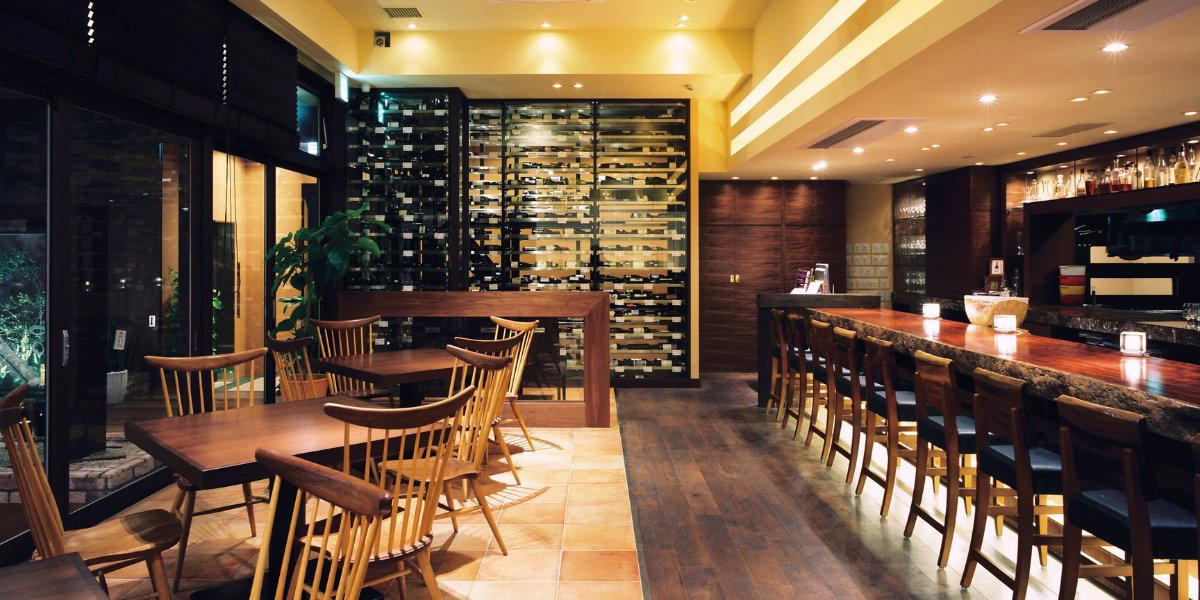
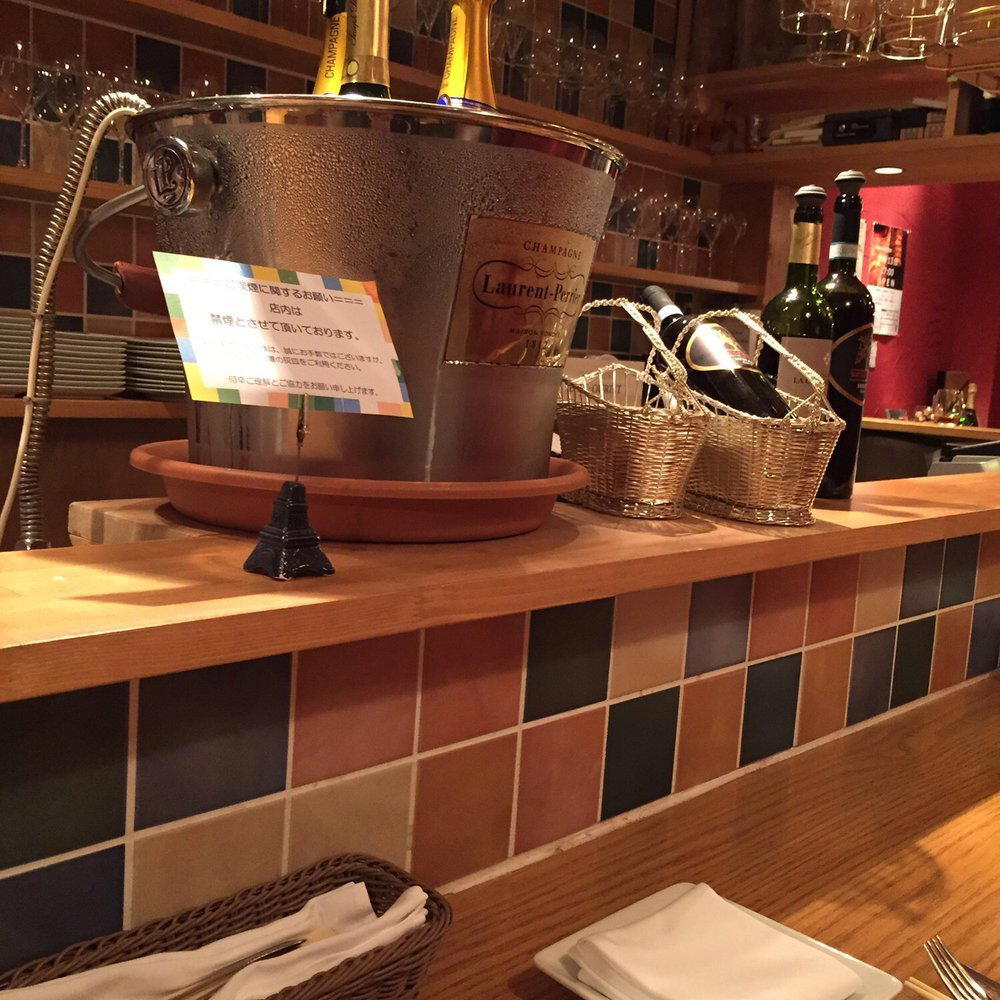
Hotels in Kobe
Browse all →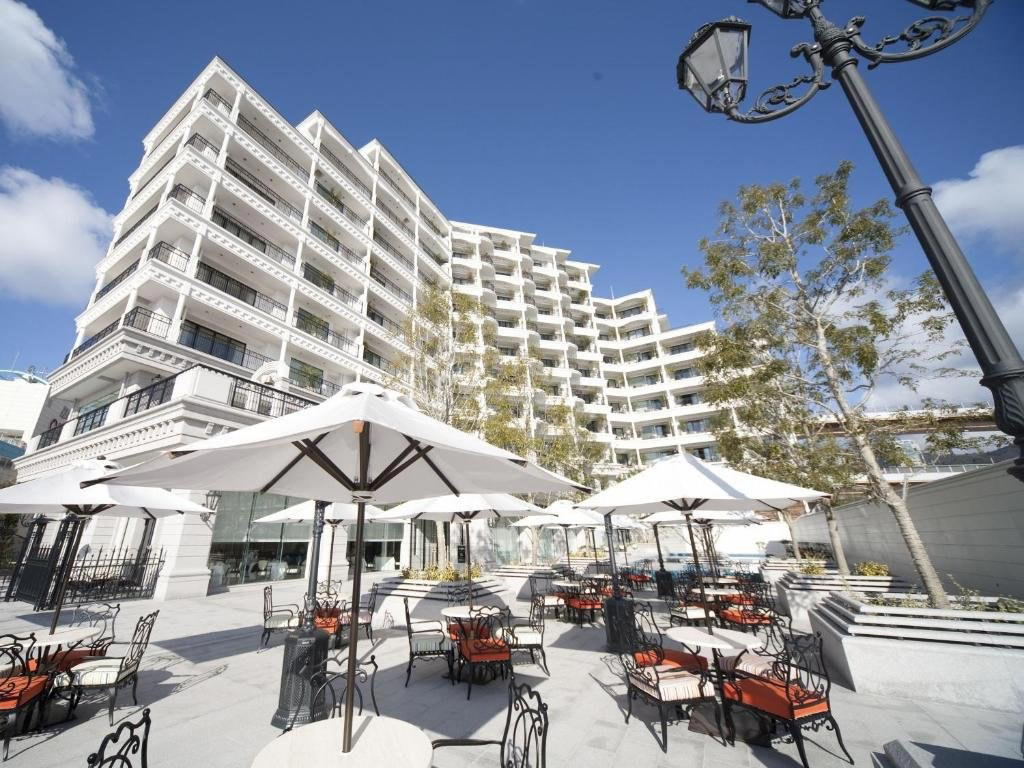
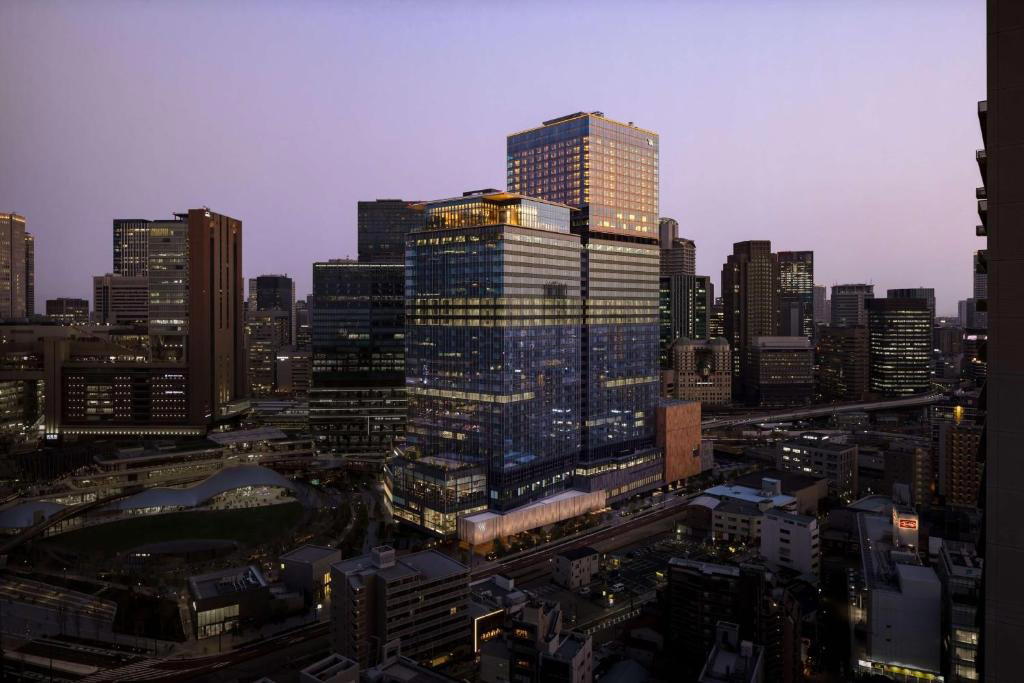

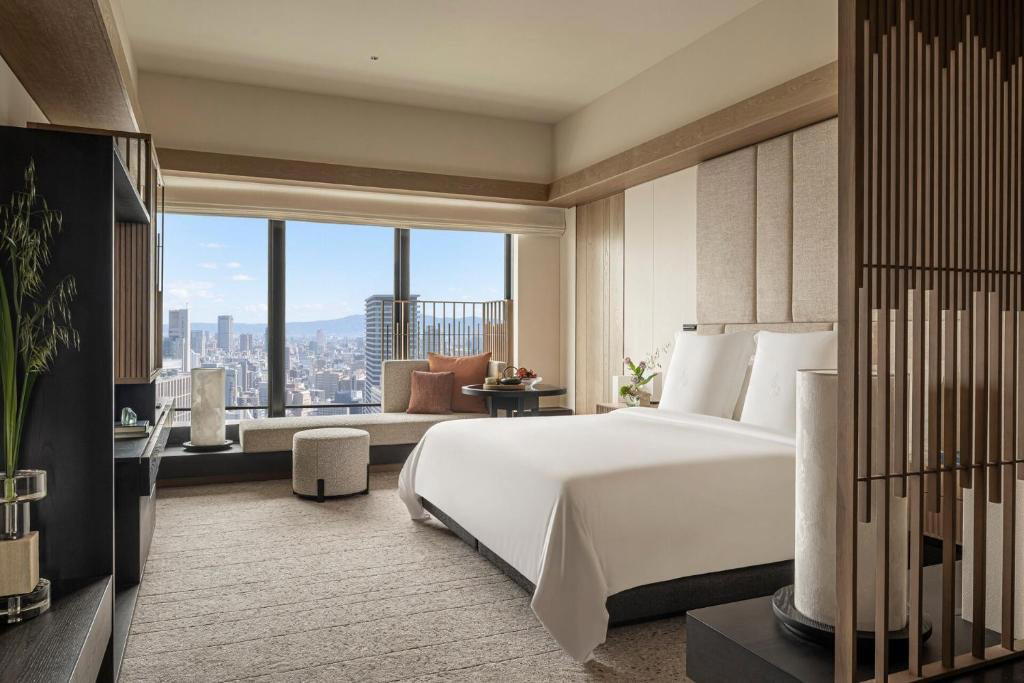

Ash Restaurant
The wine
- Wine program
- Exceptional wine program
- Sommelier-led
Details
- Elegant
- Sophisticated
- Date Night
- Special Occasion
- Hotel Restaurant
- Sommelier Led
- Local Sourcing
- Sake Program
Current opening hours
- Monday
- 12–3 PM, 6–9:30 PM
- Tuesday
- 12–3 PM, 6–9:30 PM
- Wednesday
- 12–3 PM, 6–9:30 PM
- Thursday
- 12–3 PM, 6–9:30 PM
- Friday
- 12–3 PM, 6–9:30 PM
- Saturday
- 12–3 PM, 6–9:30 PM
- Sunday
- 12–3 PM, 6–9:30 PM
Hours can change for holidays and private events. Last verified .
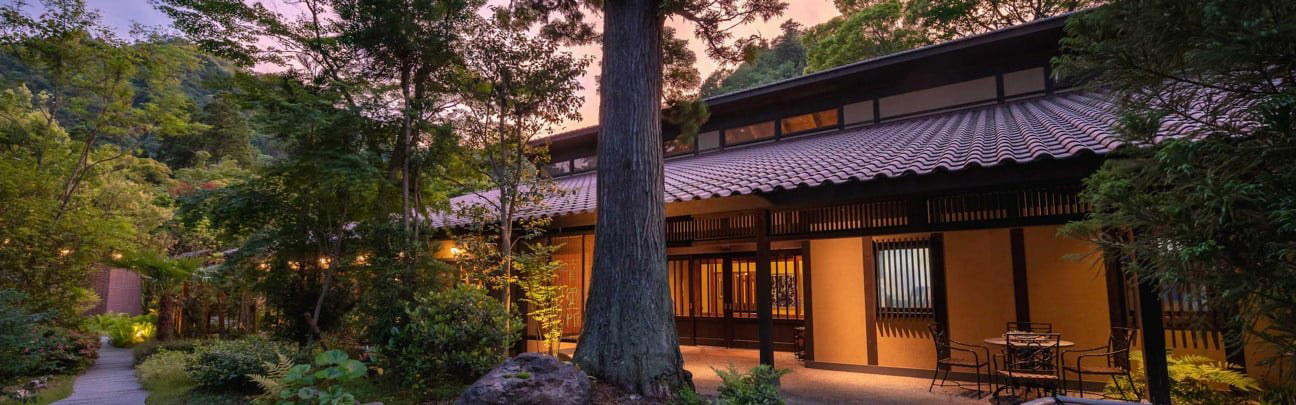
Refined and elegant with a French touch, featuring a welcoming lobby atmosphere.