BAR PLUS sits in Abeno, south of Osaka’s usual cocktail conversation around Umeda and Shinsaibashi. With, it is better read through neighbourhood context: a compact Osaka bar entry where the address, back-bar promise, and Abeno location matter more than trophy signals.

Pearl is the En Primeur Club membership app — saves, bookings, and concierge access live there. Same editors, same standards.
- Address
- Japan, 〒545-0052 Osaka, Abeno Ward, Abenosuji, 1 Chome−1−43 大阪マリオット都ホテル 19F
- Phone
- +81 6-6628-6187
- Hours
- Mon–Fri 5 PM–12 AMSat–Sun 1 PM–12 AM
- Website
- miyakohotels.ne.jp
- Directions
- Get directions
- Booking
- Book on TableCheck
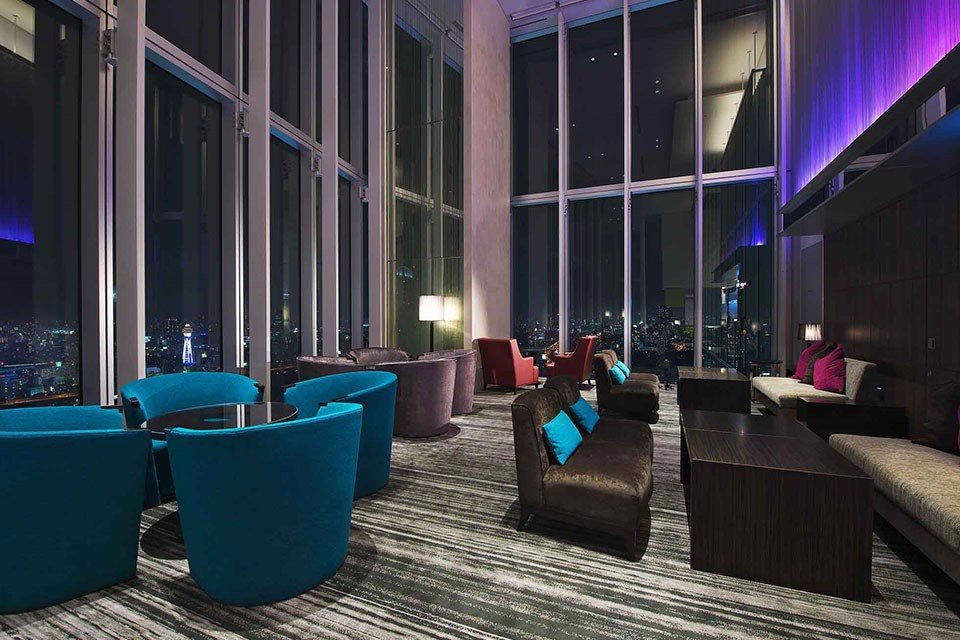
Abeno, after the last train rush
Abeno changes character after office hours. The station area carries the bright, vertical energy of department stores, rail connections, and late shopping, but the smaller streets around Abenosuji let Osaka’s drinking culture settle into a quieter register. This is where a bar address can matter as much as a public award list. BAR PLUS is listed at 1-1-43 Abenosuji, Abeno-ku, placing it away from the standard visitor circuit that often starts in Namba, loops through Shinsaibashi, and ends in Umeda. That geography is the first editorial clue: this is not a hotel-lobby cocktail room trading on skyline views, nor a tourist-facing novelty bar built around spectacle. It belongs to the smaller Osaka drinking map, where the city’s serious bars often ask guests to pay attention to shelf depth, pacing, and the social grammar of the counter.
Osaka’s bar culture has long been split between high-energy drinking districts and quieter specialist rooms. Namba and Dotonbori deliver volume, lights, and late-night movement; Kitashinchi and parts of Umeda carry a more formal after-work polish; Abeno has a different rhythm, shaped by transit, local regulars, and its position just south of Tennoji. In that setting, a spirits-led bar does not need a long public biography to make sense. The editorial question is simpler: does the room appear to belong to the category of bars where the back bar does the talking?
That absence is useful rather than empty. In Japanese cocktail culture, especially outside the international awards circuit, many serious bars operate with limited English-language information and a reliance on local discovery. For a traveler, the missing data changes the planning posture. This is not a place to treat like a confirmed itinerary anchor unless current details are verified close to the day. It is better approached as part of a broader Abeno evening, with enough flexibility to adjust if hours, seating, or entry conditions differ from expectations.
The spirits-collection reading
The useful lens here is the back bar. Osaka has a deep relationship with whisky, not only because Japan’s whisky story is regionally tied to Kansai through Yamazaki, but because the city’s counter bars have absorbed the rituals of bottle care, measured service, and low-volume conversation. A spirits collection in this context is not only a shelf of rare labels. It is a way of sorting guests into drinking styles: neat pours for those tracking distillery character, highballs for those following texture and temperature, classic cocktails for those judging balance, and seasonal or house drinks where the bartender’s hand becomes clearer.
The stronger editorial point is category placement. A bar using the name BAR PLUS in Abeno sits inside a city where serious cocktail rooms are judged less by menu length than by the way they connect spirits, glassware, dilution, and conversation. Rare bottles can matter, but curation matters more. A deep back bar that is poorly explained becomes a museum shelf; a focused one becomes a working library. Osaka’s better small bars often excel at the second model, translating whisky, gin, rum, brandy, and liqueur into a sequence that fits the guest rather than a fixed script.
That places this address in conversation with other Kansai and Japan bar references. Bar Nayuta speaks to Osaka’s fascination with tucked-away cocktail rooms and mood-led service. Craftroom represents the city’s more contemporary cocktail vocabulary, where technique and menu design carry the experience. Bar Bota points toward the intimate counter format that remains central to Japanese drinking culture. adee Lounge & Bar shows the opposite pole: hotel polish, city views, and a broader hospitality frame. BAR PLUS is better understood between these poles, as an Abeno address whose interest lies in the possibility of a spirits-driven room rather than in a public awards résumé.
Why Osaka rewards a quieter bar crawl
Osaka is often sold through food first: okonomiyaki, kushikatsu, takoyaki, udon, and the city’s appetite for fast, generous eating. The drinking culture is more layered. A strong evening here can begin with counter food, move through a whisky highball, and end in a narrow bar where the bartender sets the pace. The city’s hospitality style can be direct, warm, and informal compared with Tokyo’s more codified service rituals, but serious cocktail work in Osaka is not casual in construction. Ice, pour size, glass temperature, and the sequencing of drinks are treated with discipline.
For visitors comparing cities, Tokyo’s Ginza tradition is the obvious reference point. Star Bar Ginza in Tokyo belongs to a lineage where classic technique, formal service, and international recognition have shaped expectations. Kansai can feel less declarative. Lamp Bar in Nara, with its reputation tied to competition-level bartending and destination drinking, shows how a smaller city can attract serious cocktail attention without copying Tokyo’s scale. Osaka sits between those modes: bigger, louder, and more food-driven than Nara, but often less ceremony-heavy than Ginza.
Internationally, the comparison also helps. Café La Trova in Miami frames the bar as performance, music, and Cuban-American hospitality. Osaka’s smaller specialist bars usually work in the opposite direction. The counter narrows the room, the bottle choice becomes the conversation, and the guest’s drinking pace matters. A spirits collection here is not simply a display of scarcity. It is part of a culture that prizes sequence: aperitif, base-spirit focus, richer final drink, or a clean highball to reset the evening.
It does not confirm awards, price, hours, phone, website, booking method, seat count, dress code, cuisine type, bar lead, or signature drinks. That matters because premium travel writing should not fill silence with invention. The trust signal here is therefore contextual rather than trophy-led: Abeno as a specific Osaka neighbourhood, and the broader credibility of Japan’s counter-bar tradition.
A venue with published hours, booking platform, menu pricing, and award history can be slotted into a tight itinerary. A venue with only an address needs a looser plan. Travelers should confirm same-day operating status through current local sources or hotel concierge support where available, especially because small Japanese bars may change opening patterns, private-event availability, or holiday schedules without a large English-language footprint. The more limited the public data, the more valuable the surrounding plan becomes: dinner nearby, a second bar option, and enough time to avoid turning the evening into a single-address gamble.
How it fits into an Osaka night
The Abeno location makes sense after a Tennoji or Abeno dinner rather than as an isolated cross-town dash. This part of the city works differently from the Namba-Shinsaibashi axis. The pleasure is not only in late-night density but in the contrast between commercial brightness and smaller street-level rooms. A visitor staying near Umeda or Namba should think of this as a south-city drinking stop, not a casual five-minute detour. Without latitude and longitude in the record, exact distance or walking time should not be stated, but the address clearly places it in Abeno-ku rather than the northern hotel districts.
Osaka rewards pairing categories. The city’s eating culture has enough range that a bar evening improves when it follows the right dinner rather than competes with it. For a broader plan, Our full Osaka restaurants guide is the better starting point before building a drinks route. Travelers who prefer to stay close to their hotel bar or minimize late transfers should cross-check neighbourhood base with Our full Osaka hotels guide. Those building a dedicated bar itinerary should use Our full Osaka bars guide to compare Abeno with Namba, Shinsaibashi, Umeda, and Kitashinchi.
For readers thinking beyond bars, Osaka’s broader EP Club map also matters. Our full Osaka wineries guide is useful for understanding wine-led addresses and retail-drinking culture in the city, while Our full Osaka experiences guide helps position a bar stop after theatre, architecture, food markets, or private cultural formats. The point is sequencing. Abeno can carry an evening, but it works better when the drinking stop is tied to a neighbourhood plan rather than treated as a trophy run.
Atmosphere: what to expect from the category
The confirmed record does not describe the room, soundtrack, lighting, seating, or service style, so no specific interior scene should be invented. The category, however, sets reasonable expectations. A small Osaka spirits bar is usually judged on proximity: distance from bartender to guest, the readability of the bottle shelf, the pace of drink-making, and the comfort of silence between orders. If the evening calls for loud group drinking, this type of address may be the wrong tool. If the goal is a measured drink after dinner and a closer look at Japanese back-bar culture, the Abeno setting is more promising.
The absence of a published dress code also argues for moderation. Osaka is less stiff than Tokyo in many dining and drinking contexts, but counter bars reward guests who arrive composed rather than theatrical. Smart casual clothing is a safe default, not because a rule is listed, but because the format usually benefits from restraint. Groups should be careful as well. Without a seat count, it is better to assume that small parties are easier to accommodate than large ones. A pair can adapt to a compact room; a group of six can overwhelm the atmosphere or simply fail to fit.
Price, booking, and timing
That means cost should not be guessed. In Japan, serious cocktail bars can vary widely depending on cover charges, rare-spirit pours, fruit drinks, whisky age statements, and service structure. A guest ordering standard cocktails will have a different bill from someone asking for allocated whisky or older brandy. The practical answer is to treat the bar as a premium-leaning specialist stop until current pricing is confirmed, especially if rare bottles are part of the reason for going.
Timing should also be handled with care. No hours are provided, so the safer approach is to verify opening status before crossing the city. Early evening may suit a quieter first drink if the room opens before the post-dinner wave; later hours may fit Osaka’s natural rhythm after food. Public holidays, irregular closures, and small-room capacity can all affect the outcome. Because no phone number or website appears in the record, hotel concierge support, current local listings, or recent map-platform updates become practical tools rather than optional extras.
Continue exploring
More in Osaka
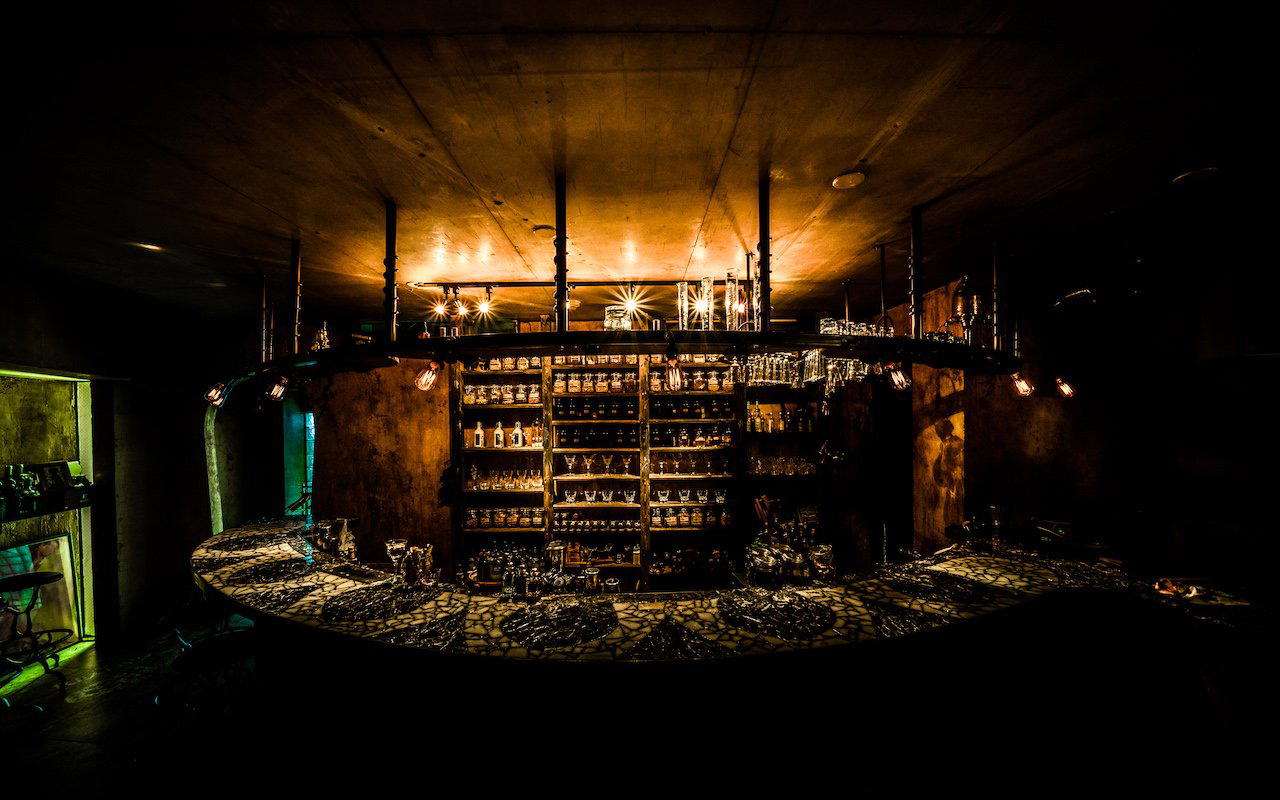
Bars in Osaka
Browse all →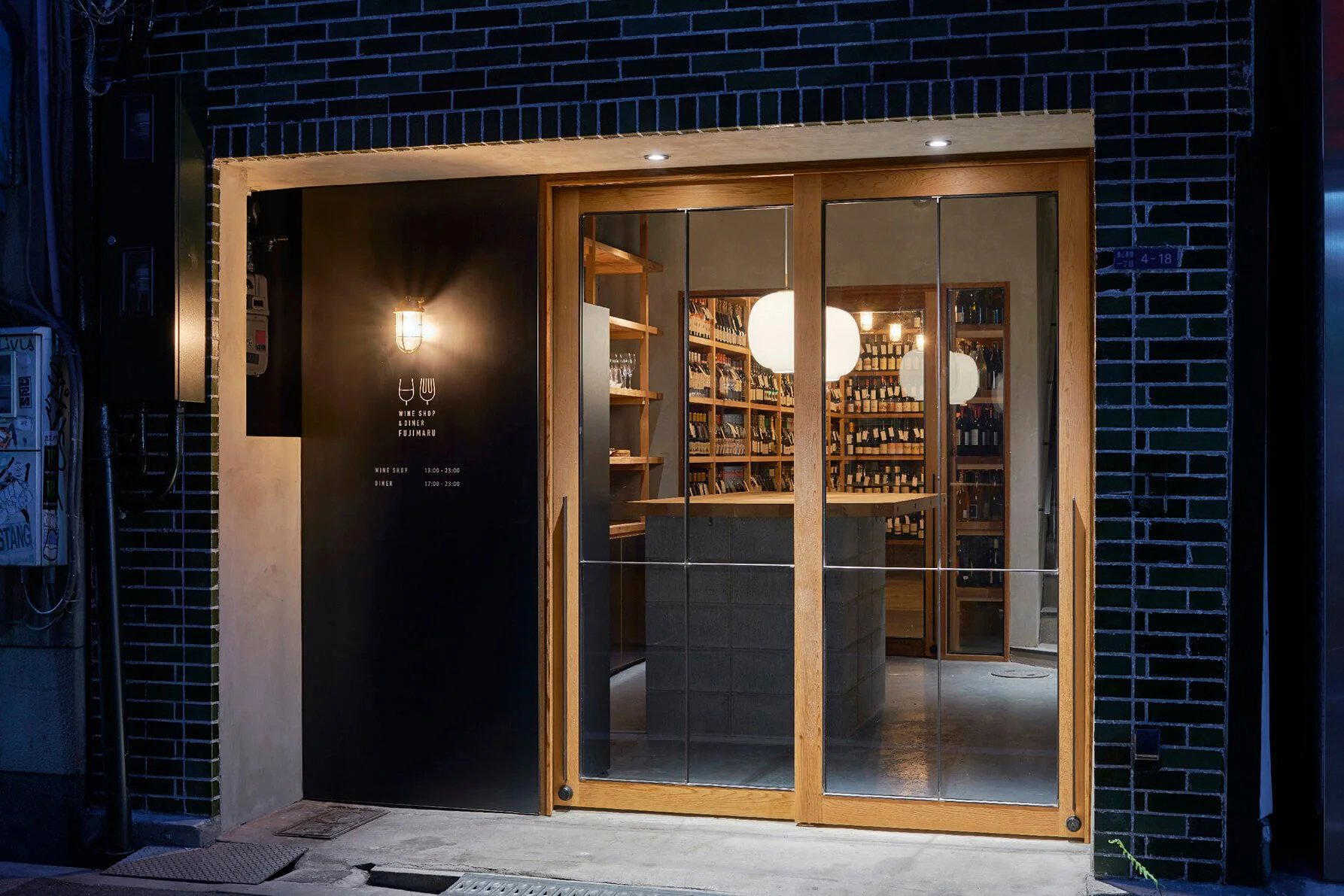
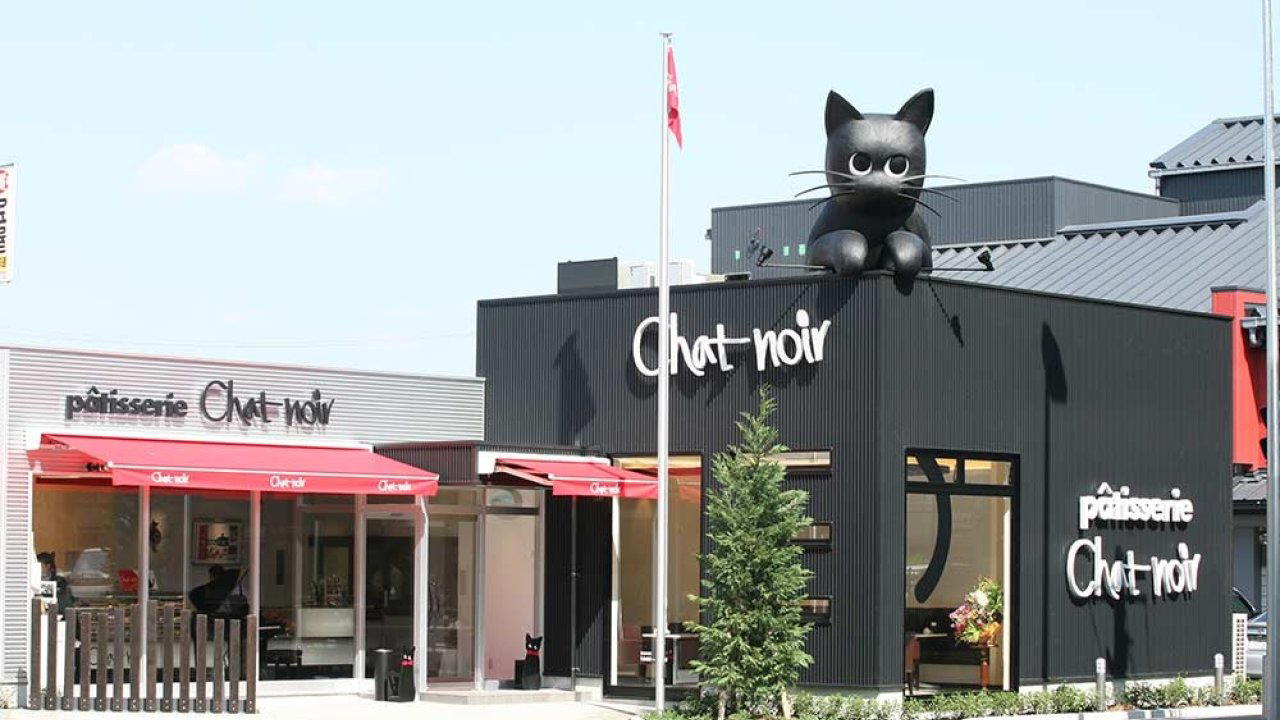
Restaurants in Osaka
Browse all →


Hotels in Osaka
Browse all →


Wineries in Osaka
Browse all →
Details
- Elegant
- Modern
- Scenic
- Sophisticated
- Romantic
- Date Night
- After Work
- Celebration
- Special Occasion
- Casual Hangout
- Panoramic View
- Hotel Bar
- Seated Bar
- Lounge Seating
- Classic Cocktails
- Whiskey
- Gin
- Rum
- Tequila
- Zero Proof
- Skyline
- Street Scene
Current opening hours
- Monday
- 5 PM–12 AM
- Tuesday
- 5 PM–12 AM
- Wednesday
- 5 PM–12 AM
- Thursday
- 5 PM–12 AM
- Friday
- 5 PM–12 AM
- Saturday
- 1 PM–12 AM
- Sunday
- 1 PM–12 AM
Hours can change for holidays and private events. Last verified .
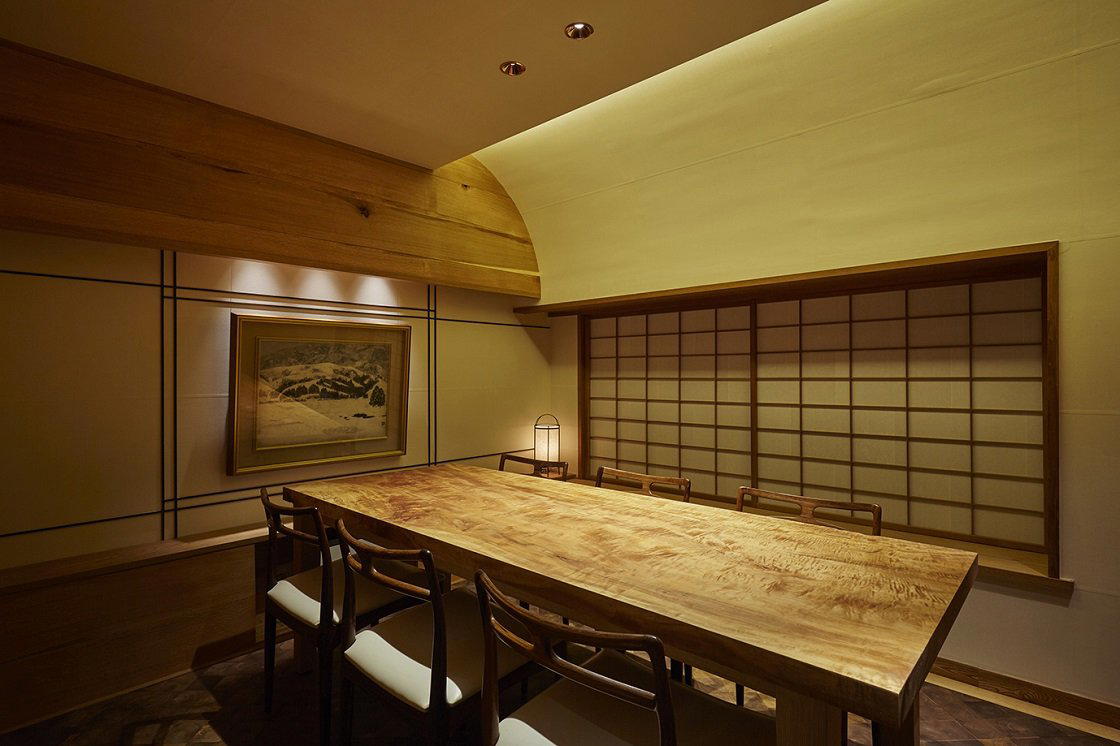
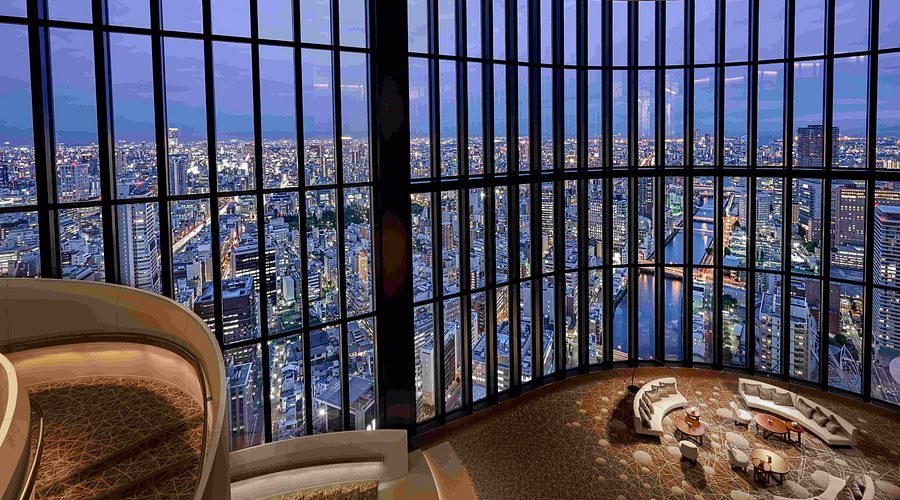
Calm and upscale with a high ceiling that creates a sense of openness, large windows overlooking Osaka’s cityscape, bar counter and table seating, and live performances that add a refined lounge feel without becoming overly loud.