
Michelin Selected
The property sits within reach of the city's celebrated beef restaurants, harbour views, and the cosmopolitan energy that has defined Kobe's character since the Meiji-era port trade.

Pearl is the En Primeur Club membership app — saves, bookings, and concierge access live there. Same editors, same standards.
- Address
- 25 Kyomachi, Chuo Ward, Kobe, Hyogo 650-0034, Japan
- Phone
- +81 78-326-1511
- Website
- theorient.jp
- Directions
- Get directions
Kobe's Urban Hotel Tier and Where Oriental Hotel Fits
Kobe occupies an unusual position in Japan's hotel geography. It is not a destination city in the conventional ryokan-and-onsen sense, yet it draws a sophisticated visitor base: beef-focused food travellers, business guests from the Hanshin corridor, and those using it as a western base while moving between Kyoto, Osaka, and the Arima Onsen resort district. Within this context, the city's premium hotel options split between harbour-facing properties, design-led independents, and urban full-service addresses in the central Chuo-ku ward. Oriental Hotel Kobe, addressed at 25 Kyomachi, sits in that last category, close to the city's commercial and dining core, and its 2025 Michelin Selected distinction places it in a recognised tier of accommodation that the guide associates with consistent standards of hospitality and presentation. Michelin Selected, in the guide's own framing, is not an award of extraordinary achievement but a mark of dependable quality across key criteria: staff attentiveness, room condition, and the overall coherence of the guest experience. For a traveller allocating a night or two to Kobe before moving on to Kyoto or Osaka, that signal carries practical weight.
For context on the Kobe accommodation range, Hotel La Suite Kobe Harborland takes a harbour-facing position with a different spatial logic, while Arimasansoh Goshobessho and Tocen Goshobo represent the ryokan format in the Arima Onsen area outside the city proper. Oriental Hotel operates in a different register entirely: urban, centrally located, and oriented around city access rather than retreat.
The Kyomachi Address and What It Means in Practice
Kyomachi, in Chuo-ku, has been part of Kobe's commercial centre since the city's days as one of Japan's principal treaty ports. The neighbourhood carries the particular density of a city that compressed international commerce, ship trade, and high-end retail into a relatively small coastal zone. Today, that history is legible in the street-level mix of older Western-style buildings alongside contemporary retail. For a hotel guest, the address translates to walkable access to Kobe's main concentration of beef restaurants, department stores, and the broader Motomachi and Kitano districts. The proximity to Sannomiya station, the city's main transport hub, means onward movement to Osaka (roughly 30 minutes by rail), Kyoto (under an hour), or Shin-Kobe shinkansen station is operationally simple. Travellers building a Kansai itinerary that combines Kyoto's temple-dense interior, Osaka's food corridors, and Kobe's harbour city character can use this location as an efficient base without repositioning accommodation. For a broader view of what the city offers, our full Kobe restaurants guide maps the dining options by neighbourhood and price tier.
Service Culture at Urban Japanese Hotels in This Tier
The editorial angle most relevant to Oriental Hotel Kobe is what Michelin Selection signals about service culture in this specific category of Japanese urban hotel. Japan's hospitality tradition operates within a framework of omotenashi, a concept that describes anticipatory, host-led attentiveness rather than responsive guest-management. At the level of a Michelin Selected urban hotel, this typically translates into staff-to-guest ratios and training depth that exceed what comparably priced international chain properties deliver in the same city tier. The practical expression varies by property: it might mean that concierge staff hold meaningful knowledge of local restaurant booking windows rather than defaulting to the hotel's own outlets, or that room service communication is handled with enough specificity to feel considered rather than procedural. These are the qualities that distinguish hotels operating within Japan's service culture from those that are merely well-managed by international standards. The 2025 Michelin hotel guide's selection criteria weight these experience dimensions, which is precisely why the distinction carries more signal about the guest experience than a star rating measuring room hardware alone.
Travellers who want to benchmark this service tier against other Michelin-recognised Japanese addresses will find relevant comparisons across different regions and formats: Gora Kadan in Hakone, Amanemu in Mie, Nishimuraya Honkan in Kinosaki-cho, and Zaborin in Kutchan each represent distinct expressions of premium Japanese hospitality, from classic onsen ryokan to contemporary design properties. At the urban hotel end of the same spectrum, HOTEL THE MITSUI KYOTO in Kyoto and Bvlgari Hotel Tokyo in Tokyo occupy higher price tiers but share the same priority on staff culture as a differentiating quality. Further afield within Japan, properties such as Benesse House in Naoshima, Fufu Nikko in Nikko, Fufu Kawaguchiko in Fujikawaguchiko, Asaba in Izu, and Kamenoi Besso in Yufu each demonstrate how service philosophy adapts across format and geography without losing the essential character of the tradition.
Kobe as Context: Why the City Rewards a Deliberate Stay
Kobe is frequently treated as a day trip from Osaka or a brief transit stop, which underestimates what the city offers to a guest who stays overnight. The beef culture here is specific and historically grounded: Kobe beef, produced from Tajima-strain Wagyu cattle raised in Hyogo Prefecture, operates within one of the most tightly regulated certification frameworks in Japanese food production, and the restaurants serving it at the high end are spread across the Chuo-ku neighbourhood that Oriental Hotel serves directly. A dinner reservation at one of the city's dedicated Kobe beef restaurants followed by a morning walk through the Kitano Ijinkan foreign residences district is the kind of itinerary that a centrally located hotel makes logistically clean. The harbour views from the Meriken Park area, a short walk from Kyomachi, carry the weight of the city's port history in a way that a day visitor moving through on a schedule rarely absorbs fully.
For travellers extending a Japan itinerary beyond the Kansai region, the network of premium addresses accessible by shinkansen from Shin-Kobe broadens quickly: Halekulani Okinawa, Jusandi in Ishigaki, Sekitei in Hatsukaichi-shi, Satoyama-Jujo in Niigata, Fufu Kyu-Karuizawa Restful Forest in Karuizawa, Nasu Mukunone in Nasu, and Atami Izusan Karaku in Atami each represent distinct regional hospitality characters that reward routing decisions made at the planning stage. For international comparison reference, The Fifth Avenue Hotel in New York City, Badrutt's Palace Hotel in St.
Planning a Stay
Oriental Hotel Kobe is located at 25 Kyomachi, Chuo-ku, Kobe, a short distance from Sannomiya station and the main commercial and restaurant concentration of the city centre. Booking is handled directly through the hotel; no public booking platform or direct phone contact appears in currently available data, so prospective guests should verify reservation options through the hotel's official website or through a travel concierge service. Given Kobe's position as a secondary city in most international itineraries, availability windows here tend to be more open than at comparable hotels in Kyoto or Tokyo during peak spring and autumn travel seasons, though the city draws domestic visitors year-round and specific dates around Golden Week or Awa Odori-adjacent travel periods warrant early planning. Michelin Selected status in the 2025 guide is a current recognition and should be confirmed against the most recent edition of the Michelin hotel guide when booking.
What It’s Closest To
Comparable venues nearby, for context on price, style, and recognition.
| Venue | Cuisine | Price | Awards | Notes |
|---|---|---|---|---|
| Oriental Hotel KobeThis venue — the venue you are viewing | Historic urban resort blending Western and Eastern influences with modern luxury. | Not listed | Michelin Selected | Not listed |
| Tocen Goshobo | Traditional ryokan blending Japanese and Western residential design with modern touches. | $200–300 | Michelin Selected | Kita |
| Arimasansoh Goshobessho | Traditional Japanese ryokan villa with Western influences | $500–750 | Michelin Selected · Mr & Mrs Smith Seal of Approval | Kita |
| Hotel La Suite Kobe Harborland | Waterfront luxury boutique with Mediterranean architecture | $300–500 | Michelin Selected · Small Luxury Hotels of the World Member | Chūō |
| Gosoku no Kutsu | Traditional Japanese ryokan with detached villas | $200–300 | Michelin Selected | Asakusa-machi |
| Hanzuiryo (半水盧) | Luxury heritage ryokan with contemporary service standards, positioned as a upper-tier wellness and culinary destination within a protected national park. | Not listed | 1 Michelin Key | Unzen |
Recognition history
Dated appearances from independent guides and award organizations, with the underlying list record or original source where available.
Michelin Selected
Michelin
Continue exploring
More in Kobe
Hotels in Kobe
Browse all →

Bars in Kobe
Browse all →
Restaurants in Kobe
Browse all →


Details
- Elegant
- Sophisticated
- Classic
- Scenic
- Romantic Getaway
- Anniversary
- Waterfront
- Historic Building
- Panoramic View
- Terrace
- Wi Fi
- Pool
- Spa
- Room Service
- Concierge
- Restaurant
- Bar
- Waterfront
- Skyline
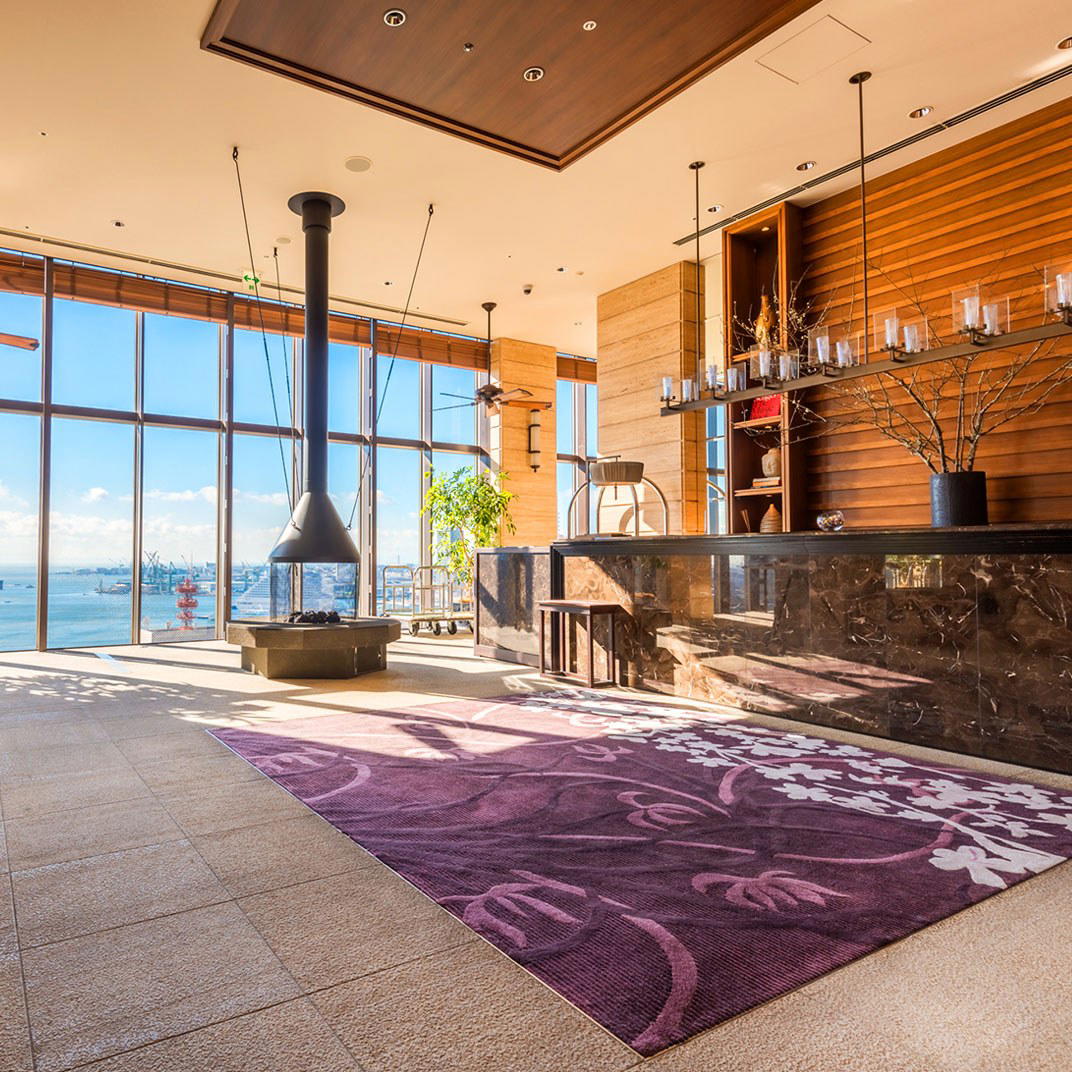
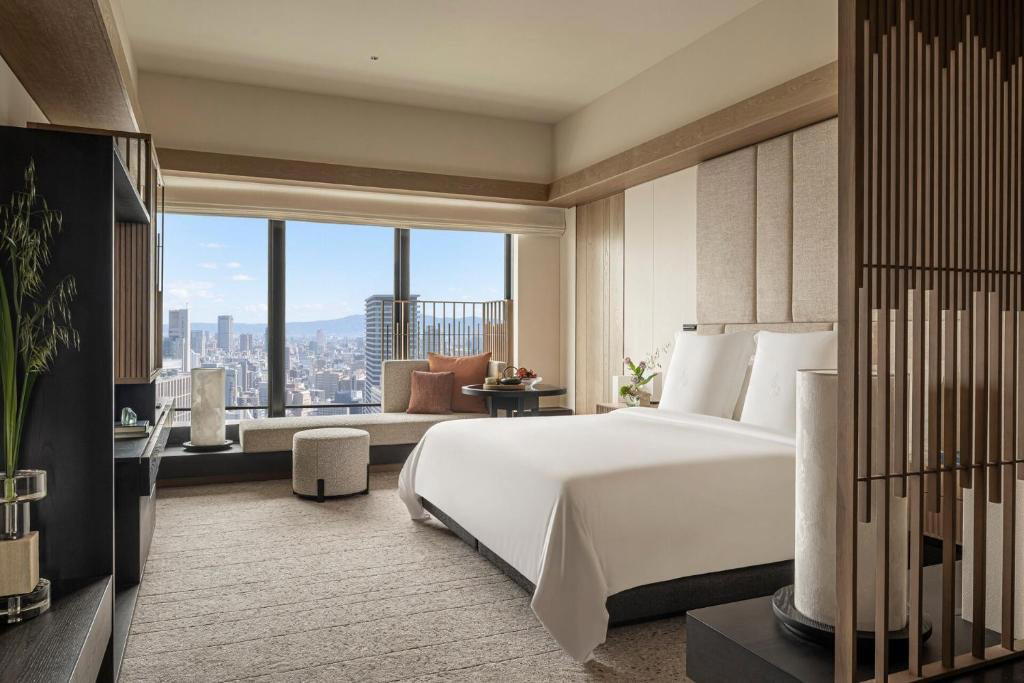
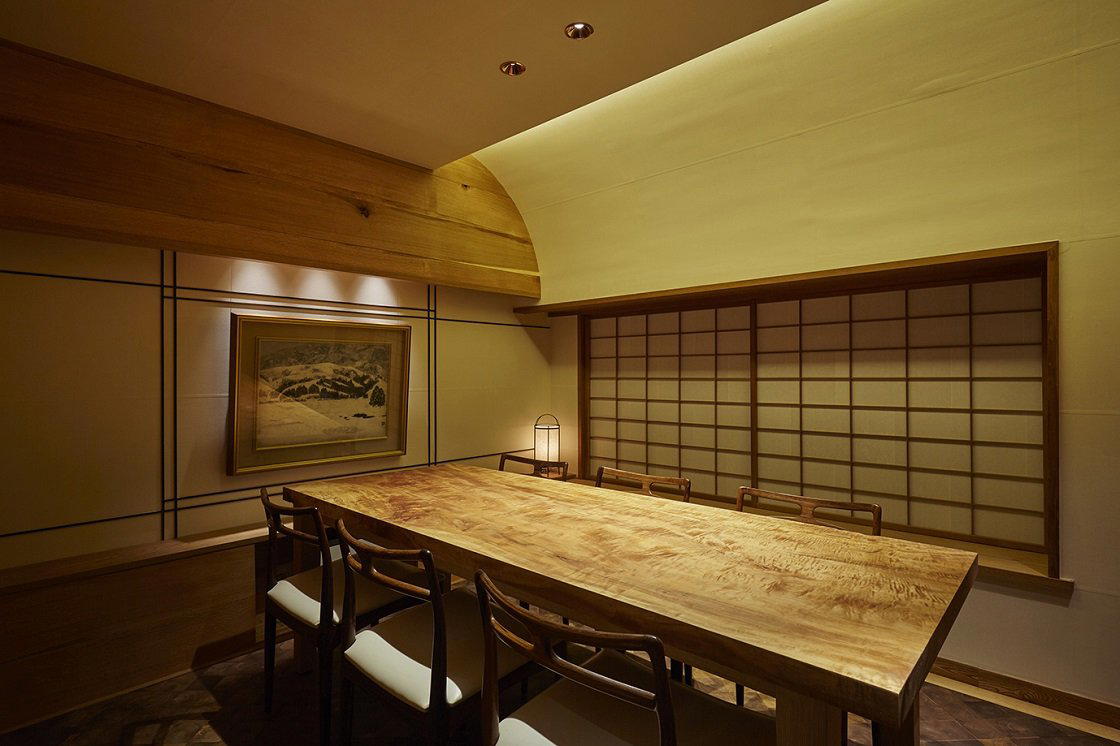
Classic and modern appeal with textures of wood, marble, and stone; bright and luxurious ambiance inspired by light and wind, offering serene terrace retreats and panoramic port and city views.