Eigashima's White Oak distillery occupies a position few Japanese whisky producers can claim: it holds the country's oldest licence for whisky distillation, issued in 1919, operating from the coastal city of Akashi in Hyogo Prefecture..

Pearl is the En Primeur Club membership app — saves, bookings, and concierge access live there. Same editors, same standards.
- Address
- Nishijima-919 Ōkubochō, Akashi, Hyogo 674-0065
- Phone
- +81 78-946-1001
- Website
- ei-sake.jp
- Directions
- Get directions
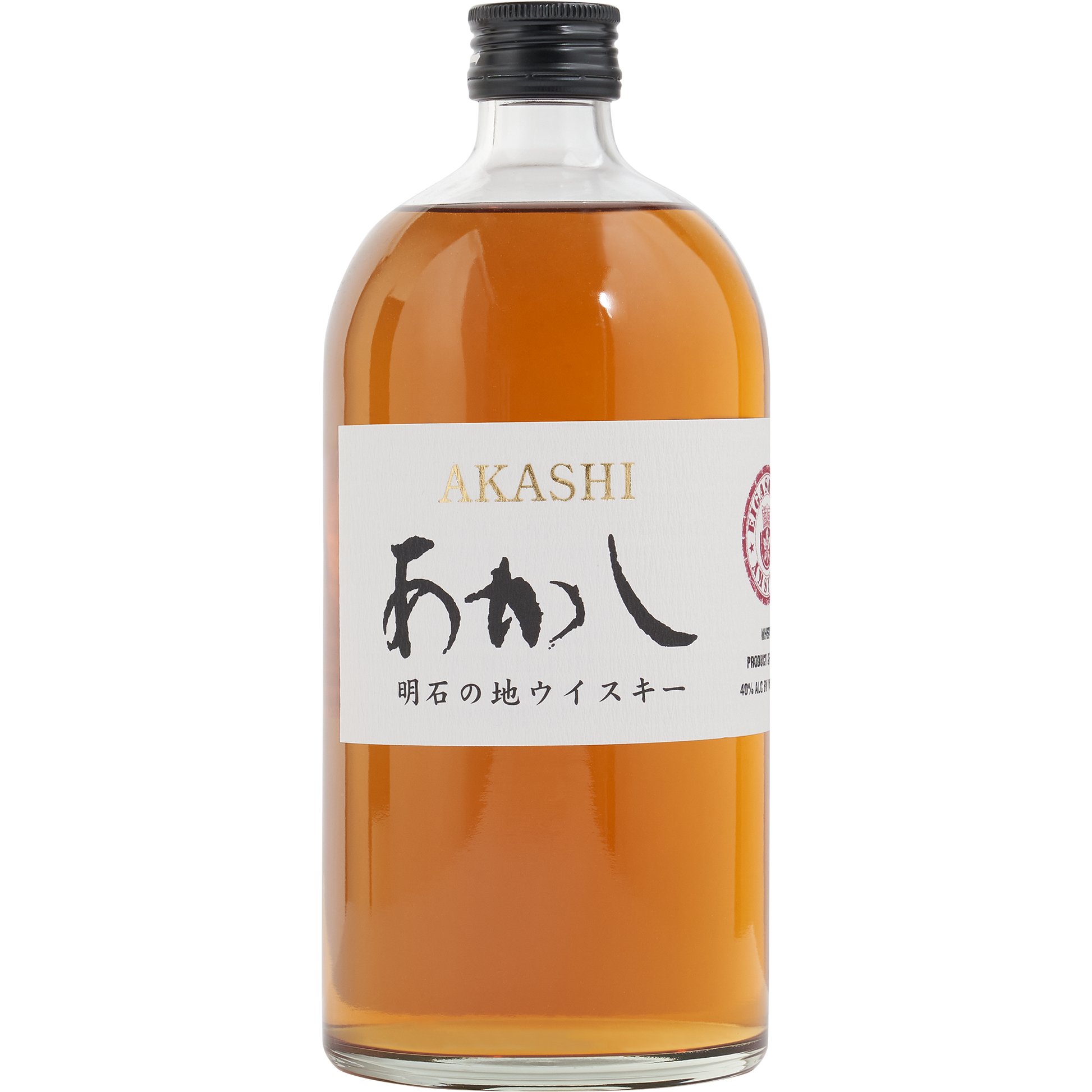
Where the Seto Inland Sea Shapes the Spirit
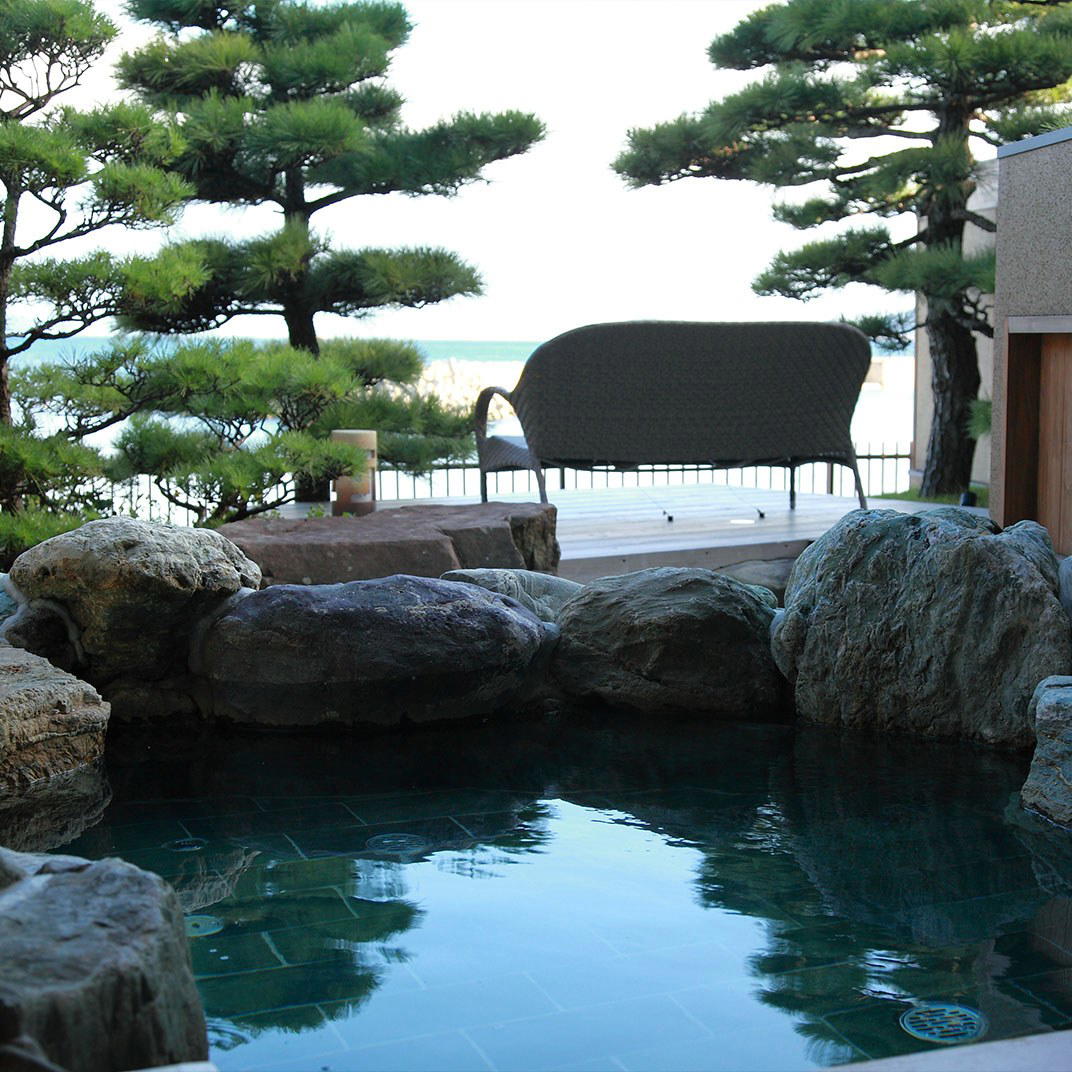
The stretch of Hyogo coast between Kobe and Himeji carries a specific climate logic that few Japanese whisky producers have drawn from as long as Eigashima. The Seto Inland Sea moderates temperatures across seasons, and the salt-threaded air that moves inland through Akashi has been part of the distillery's maturation conditions for over a century. Among Japan's distilleries, that coastal position matters: where highland producers like Hakushu (Suntory) in Hokuto work with mountain-cool air and forest humidity, or where Mars Shinshu Distillery in Miyada sits at elevation in the Japanese Alps, Eigashima operates at sea level, with warmer average temperatures and the ocean as a constant environmental variable. That terroir produces a different barrel dynamic, one that tends toward rounder, faster-maturing spirit profiles compared to Japan's cooler inland sites.
The address itself — Nishijima-919 Ōkubochō, Akashi, Hyogo — places the distillery within the broader Akashi Bay corridor, a stretch of coastline that feeds some of Japan's most prized seafood to markets in Osaka and Kobe. The proximity to that food culture is not incidental. Akashi's culinary identity, covered more fully in our full Akashi restaurants guide, centres on ingredients shaped by tidal movement and sea air. The distillery operates in that same environmental register.
The Oldest Licence in Japanese Whisky
Japan's whisky industry is most often narrated through two dominant threads: the Suntory story, beginning with Yamazaki (Suntory) in Shimamoto in 1923, and the Nikka story, rooted in Yoichi (Nikka) in Yoichi from 1934. Eigashima disrupts that timeline. The distillery received Japan's first whisky distillation licence in 1919, pre-dating both of those founding moments. That fact changes the framing of Japanese whisky's origin story in a meaningful way: it was not Osaka or Hokkaido that produced the country's first licensed whisky, but a modest coastal city in Hyogo Prefecture. The licence was not merely ceremonial; Eigashima was already producing sake and other spirits when whisky was added to its portfolio, giving it a production culture that preceded the category's wider Japanese development.
Compared to purpose-built single-malt operations like Chichibu in Chichibu, which launched in 2008 with a clear craft-whisky positioning, or Kanosuke in Kagoshima, representing the newer wave of regional Japanese distilling, Eigashima holds a categorically different historical position.
Terroir in a Bottle: The Coastal Maturation Argument
The terroir argument for whisky is more contested than it is for wine, but the environmental case for Akashi single malt carries observable logic. Coastal maturation sites are well-documented for producing specific flavour profiles: the influence of sea air on barrel porosity and the relative warmth of a maritime microclimate accelerates certain extraction processes. Japanese distilleries operating in contrasting environments make the comparison useful. Miyagikyo (Nikka) in Sendai draws from a river valley environment with cooler, more humid conditions. Fuji Gotemba Distillery in Gotemba works at significant altitude in the shadow of Fuji, where cold air slows maturation and produces a notably different extraction rate from wood. At Akashi, the Seto Inland Sea dynamic pushes in a different direction: warmer, more saline, producing a profile that sits closer to certain coastal Scotch expressions than to Japan's mountain-altitude whiskies.
That positioning gives Akashi single malt a reference point beyond Japan. The comparison with coastal Scotch is not a marketing construction; it is a product of shared environmental logic. Collectors and serious whisky travellers who have worked through Aberlour in Aberlour or the broader Speyside tradition will find the Akashi positioning intelligible even without deep familiarity with Japanese whisky's regional distinctions.
Visiting Akashi: Practical Context
Akashi sits approximately 50 kilometres west of Osaka along the JR Kobe Line, accessible by rapid express in under an hour from Osaka station. The journey is considerably shorter from Shin-Kobe, making the distillery a viable side trip for travellers based in either city. The scale of Eigashima as a production site reflects its dual identity: it remains an operating sake brewery alongside its whisky operation, which means the physical environment is working rather than visitor-optimised in the way that newer destination distilleries sometimes present themselves.
For travellers building a multi-distillery itinerary through Japan, Akashi pairs logically with a Kobe base. From there, the Suntory Yamazaki distillery in Shimamoto and the broader Osaka-Kobe corridor cover a significant range of Japanese whisky's development in a compressed geography. Japanese wine travellers making similar circuits might extend to Château Mercian Mariko Winery in Nagano Prefecture or 98Wines in Yamanashi for a fuller read on how Japanese producers are drawing from local terroir across different categories.
The Pearl 2 Star Assessment
In a Japanese whisky market that has seen significant international attention and corresponding price pressure over the past decade, the recognition of a historically significant but comparatively under-documented producer carries weight. The distillery's output is not as widely distributed internationally as the Suntory or Nikka portfolios, which means the Pearl 2 Star signal functions as a useful navigation point for travellers and collectors approaching the category without prior knowledge of Eigashima's standing. It reflects what the coastal Akashi environment and a long institutional knowledge of distillation can produce when assessed on their own terms.
Comparison Snapshot
Comparable venues nearby, for context on price, style, and recognition.
| Venue | Cuisine | Price | Notes |
|---|---|---|---|
| Eigashima (White Oak)This venue — the venue you are viewing | malted barley | Not listed | Not listed |
| Yamazaki (Suntory) | Yamazaki | $20–30 | Not listed |
| Mars Shinshu Distillery | Yama Sauvignon | Not listed | Miyada Village, Kamiina District |
| Shizuoka | Petit Verdot, Cabernet Sauvignon | $50–100 | Izu City |
| Hakushu (Suntory) | Yamanashi | $10–20 | Hakushu-cho |
| Fuji Gotemba Distillery | Winery | Not listed | Gotemba |
Details
- Rustic
- Intimate
- Scenic
- Wine Education
- Solo Exploration
- Historic Building
- Private Tasting
- Waterfront
- Malted Barley
- Single Malt
- Blended
- Japanese
- English
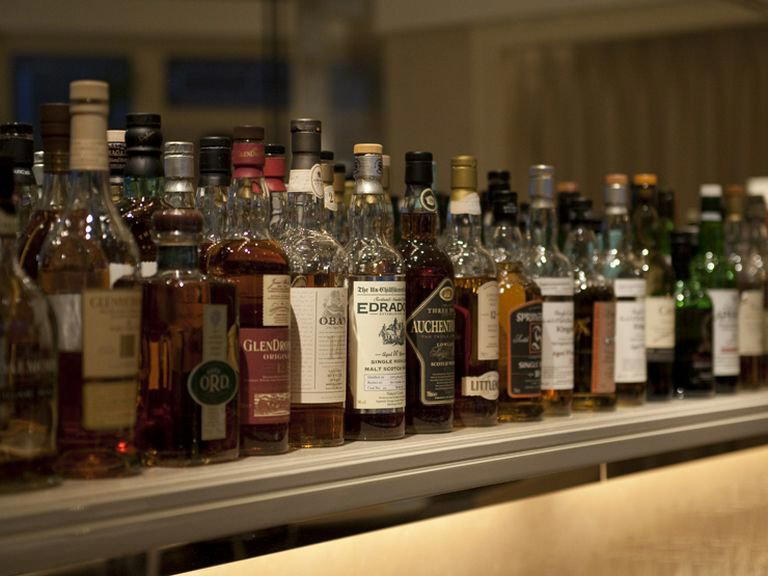
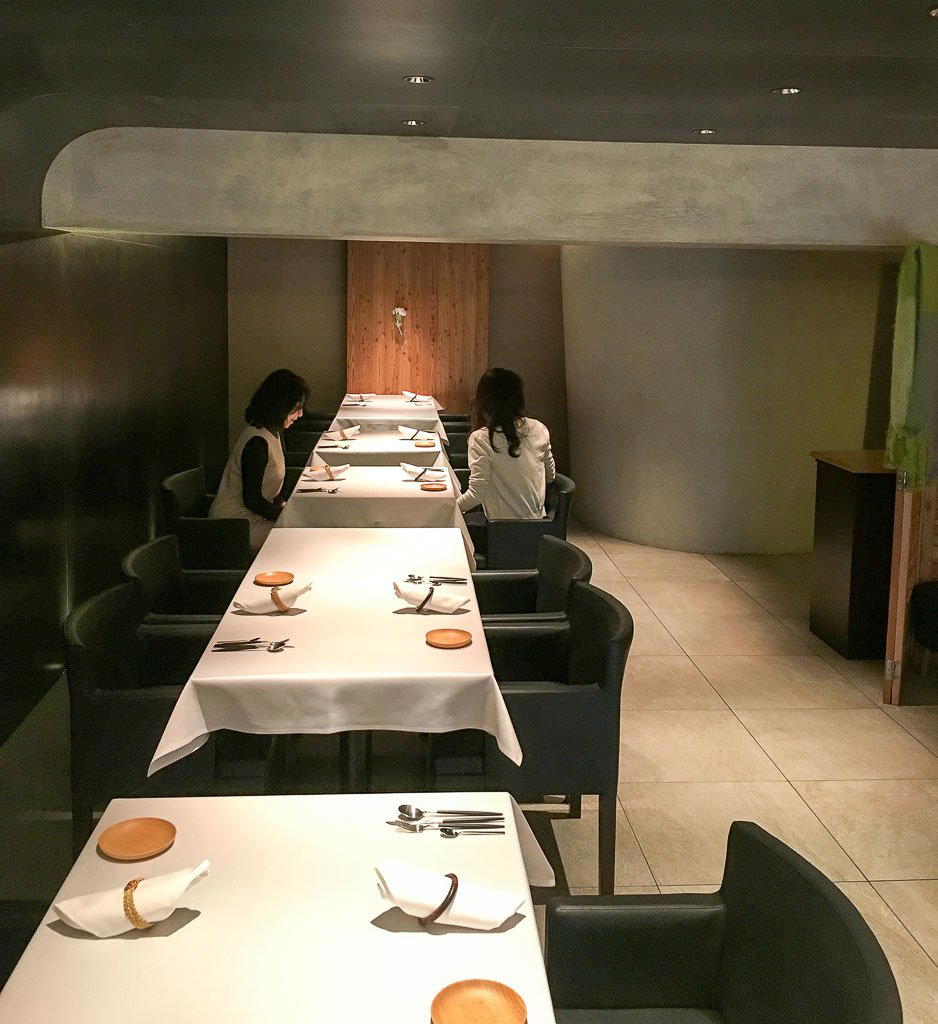
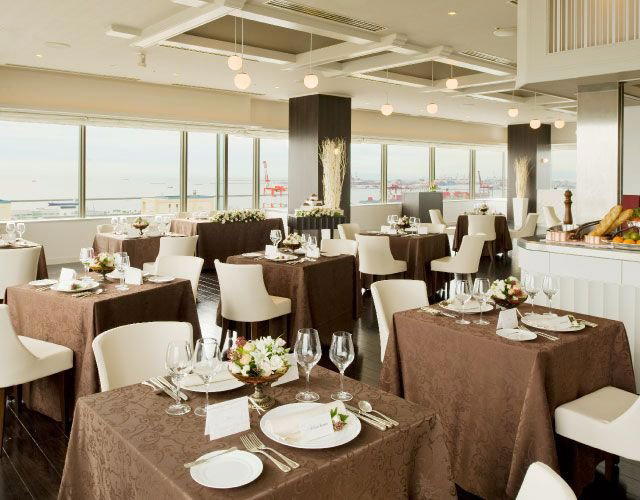
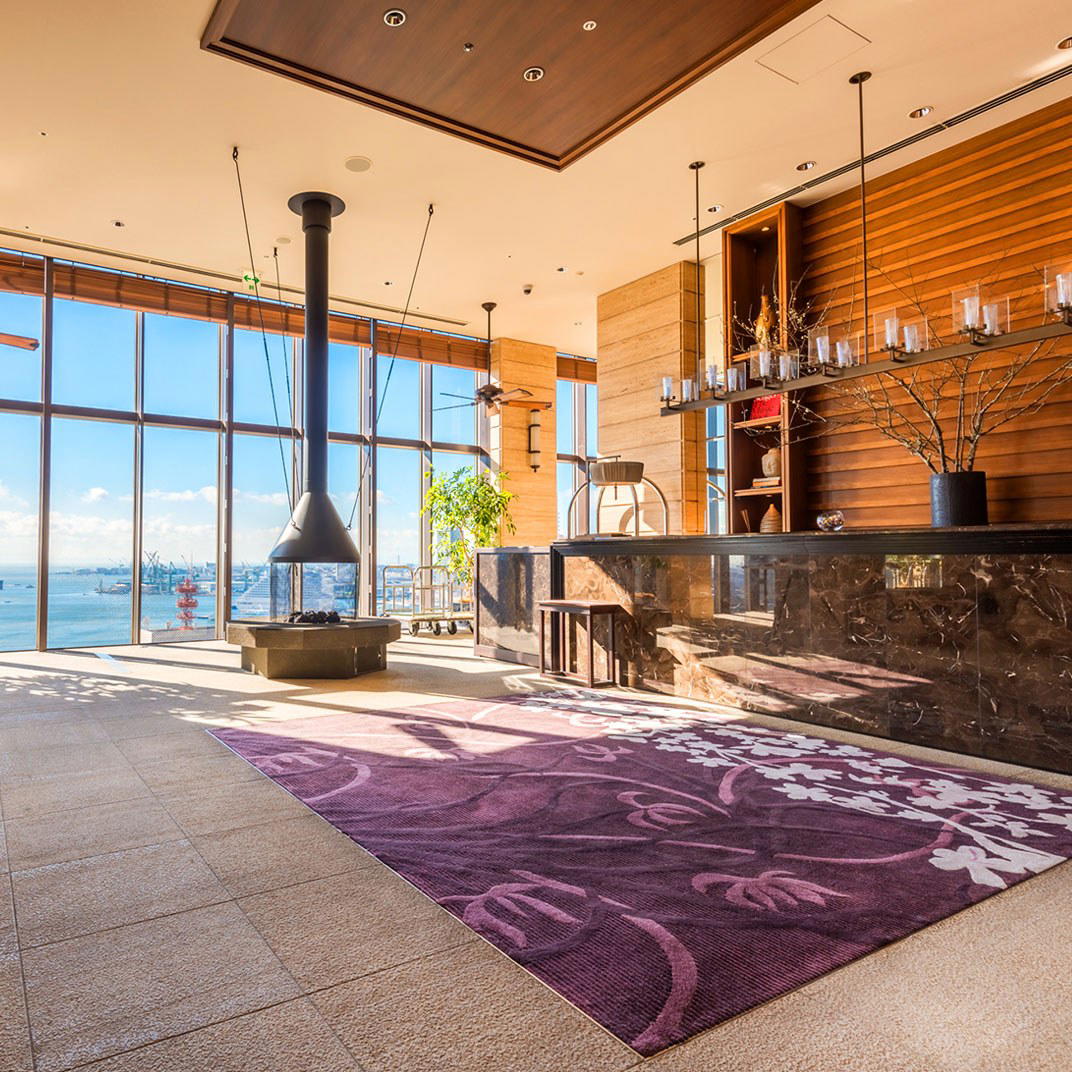
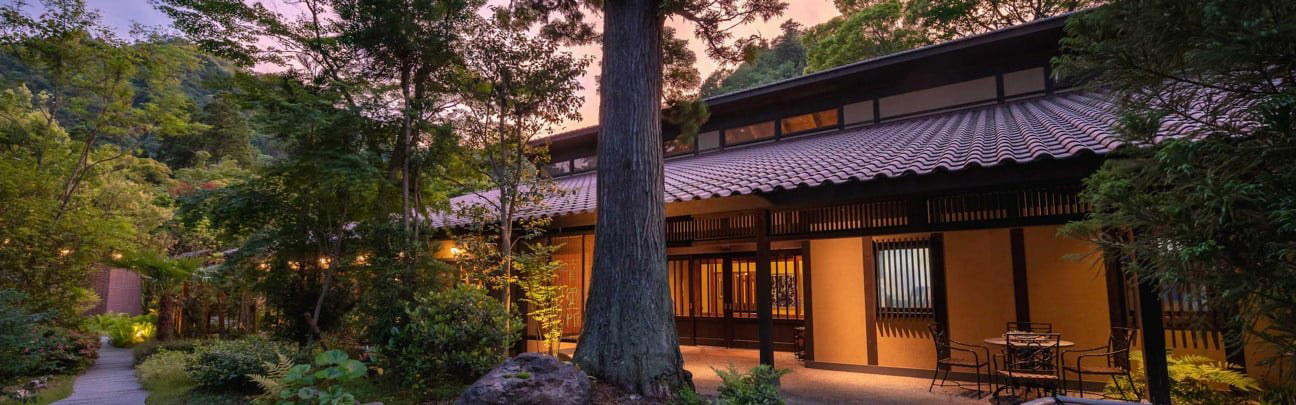
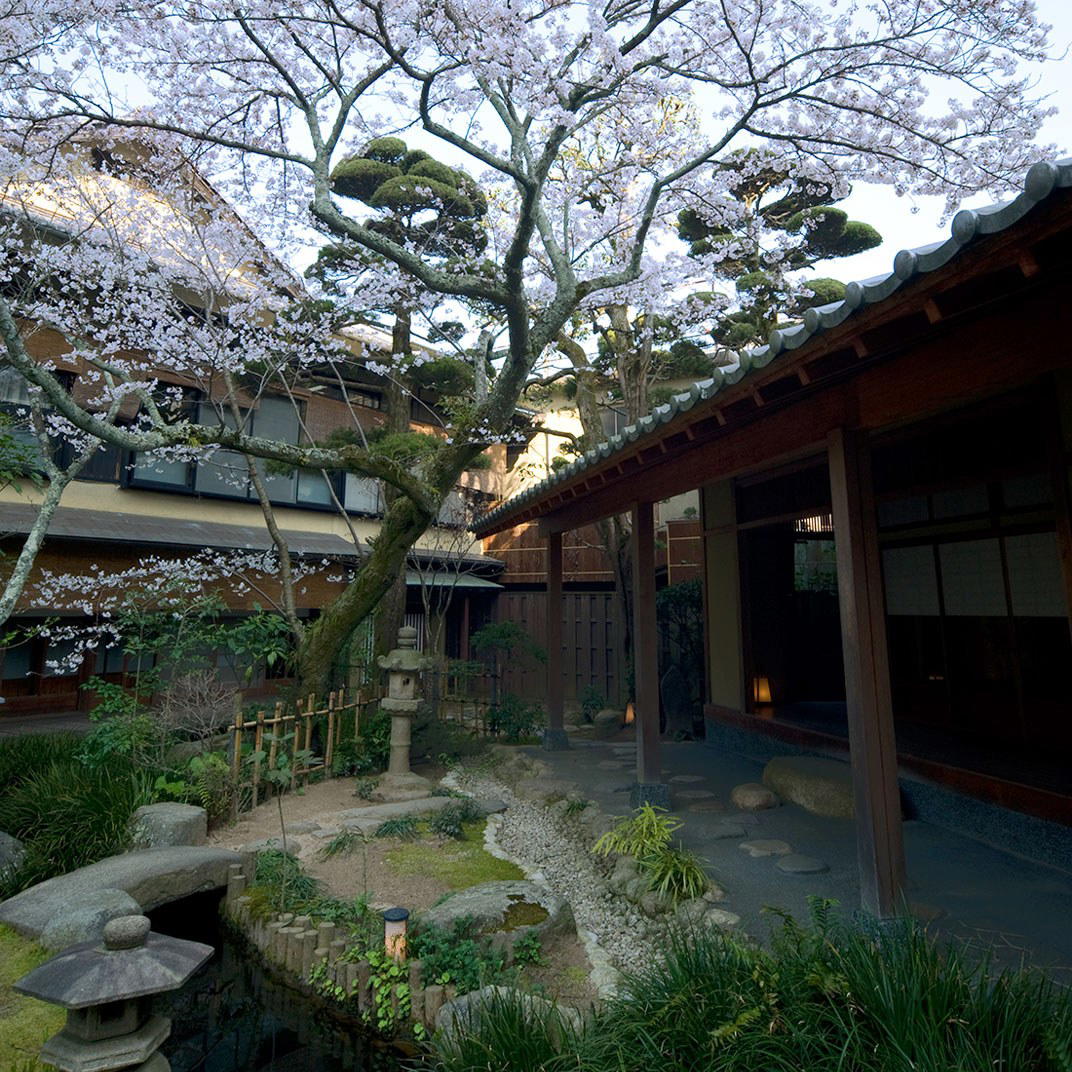
Intimate and rustic with a coastal briny influence from its seaside location, featuring a quiet, artisanal atmosphere.