Hotel bars in Osaka occupy a quieter lane than the city’s late-night cocktail rooms: less street theatre, more controlled pacing. Bar Old Imperial Bar sits on the second floor of the Imperial Hotel Osaka in Kita Ward, making it a better fit for a composed drink before or after dinner than for a roaming bar crawl. Public records do not list awards, prices, a bartender, or signature drinks.
Pearl is the En Primeur Club membership app — saves, bookings, and concierge access live there. Same editors, same standards.
- Address
- Japan, 〒530-0042 Osaka, Kita Ward, Tenmabashi, 1 Chome−8−50 帝国ホテル 2階
- Phone
- +81 6-6881-4886
- Website
- imperialhotel.co.jp
- Directions
- Get directions
 Saves & bookings on Pearl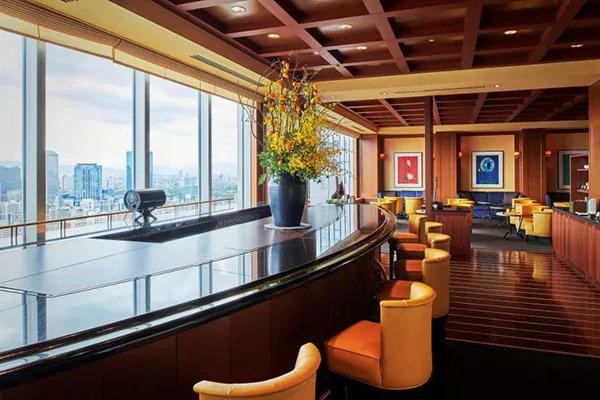
Osaka hotel-bar polish, away from the street-level rush
The approach sets the tone before a glass is raised: Kita Ward, Tenmabashi, the second floor of the Imperial Hotel Osaka, and a room framed by hotel-bar manners rather than the improvisational energy of Osaka’s alley bars. Bar Old Imperial Bar belongs to a Japanese drinking tradition where the first signal is not volume or novelty, but control: lighting kept low, service calibrated, and the evening slowed down by the architecture of a hotel lobby rather than accelerated by the street outside.
That distinction matters in Osaka. The city’s drinking culture is often introduced through Namba, Shinsaibashi, and Ura-Namba, areas where small bars, standing counters, whisky shelves, and late-night food routes form a dense circuit. Kita has a different rhythm. Around Umeda and the business-hotel corridors, bars tend to serve guests who want a measured stop before a train, after a meeting, or at the end of dinner. A hotel bar in this part of the city is not competing with the loudest room in town. It competes on steadiness, discretion, and the ability to make a drink feel like a punctuation mark rather than the whole paragraph.
In that context, Bar Old Imperial Bar is useful precisely because the public record is spare. That absence narrows the editorial claim. This is not a page for invented lore about a house martini or a bartender’s biography. It is a read on format: a hotel bar inside the Imperial Hotel Osaka, located at Japan, 〒530-0042 Osaka, Kita Ward, Tenmabashi, 1 Chome−8−50, 帝国ホテル 2階, and positioned for drinkers who value a calm room in a city better known for appetite and momentum.
The cocktail programme, read through format rather than mythology
Japanese cocktail culture has two dominant premium expressions. One is the small, chef-like counter bar, where a bartender’s gesture becomes part of the performance and the guest watches ice, glassware, citrus, and shaking technique at close range. The other is the hotel bar, where consistency carries greater weight than personality cult. The second category is less romantic in travel writing, but it often serves a more practical purpose: it gives the drinker a reliable room, a slower tempo, and a service standard attached to a larger hospitality operation.
Osaka’s independent cocktail rooms can reward patience and curiosity. Bar Nayuta sits closer to the modern destination-bar conversation, while Craftroom speaks to the city’s technical cocktail audience. Bar Bota fits another lane again, useful for readers comparing smaller-format Osaka bars against hotel settings. A hotel bar such as Bar Old Imperial Bar occupies a more conservative tier. That does not make the format lesser; it makes the promise different. The emphasis shifts from surprise to composure, from menu-chasing to the old virtues of pacing, seating, and a drink served in a room designed for lingering.
The lack of a public cuisine type in the record also helps define expectations. This should not be read as a food-led bar or a restaurant with cocktails attached. Osaka has plenty of places where food and drink are inseparable, from kushikatsu routes to late-night izakaya counters, but the hotel-bar category usually asks a different question: where can a traveller sit down, decompress, and order a classic or house-style drink without turning the night into a search operation? With no verified signature drinks available, the responsible guidance is simple. Treat the cocktail programme as a classic hotel-bar proposition unless confirmed otherwise by the venue directly.
Why the room type matters in Osaka
Osaka drinking often rewards movement. A good night can run from a counter meal to a whisky bar, then to a second-floor cocktail room or a late bowl of noodles. That format suits travellers who want the city’s improvisational side. Hotel bars serve a different kind of itinerary. They are useful when the evening needs a fixed anchor: after a formal dinner, before returning to a room, or when weather, timing, or fatigue makes a cross-city bar crawl feel badly planned.
That is why the Imperial Hotel address is the key practical detail. Tenmabashi places the bar away from the densest Namba nightlife clusters, with a more residential and riverside feeling than the commercial crush around Dotonbori. The decision is less about chasing Osaka’s loudest cocktail scene and more about choosing a controlled environment in Kita Ward. Readers building a fuller itinerary should use Our full Osaka bars guide for the city-wide drinking map, then decide whether this stop functions as the composed end of a night rather than its experimental centre.
How it compares with Osaka’s more contemporary bar language
Modern cocktail bars increasingly sell technique: clarification, carbonation, house ferments, culinary infusions, and tasting-menu pacing. That style has changed expectations in cities from Tokyo to New York, and Osaka has absorbed part of that language through smaller rooms with tighter identities. In comparison, a hotel bar attached to a major property usually plays a longer game. It is less dependent on a single viral drink or a bartender’s personal narrative, and more dependent on repeatable service for hotel guests, business travellers, and locals who prefer a settled room.
This is where comparison helps. adee Lounge & Bar represents the hotel-lounge side of Osaka from another angle, with skyline and design cues likely to shape the evening as much as the drink order. Bar Old Imperial Bar, by contrast, reads as an older hotel-bar proposition by name and setting. The word “Old” in the name should not be inflated into heritage claims beyond the record, but it does signal a mood: classic, hotel-based, and resistant to the constant refresh cycle that defines many contemporary cocktail lists.
For readers who track Japanese cocktail culture beyond Osaka, useful reference points sit outside the city. Star Bar Ginza in Tokyo represents the precise, counter-led Tokyo school, while Lamp Bar in Nara shows how a smaller city can produce a serious destination bar with a strong identity. Even Café La Trova in Miami is useful as a contrast, because it shows how cocktail culture can be built around music, Cuban bartending tradition, and public energy. Osaka’s hotel bars sit on a quieter axis: less spectacle, more containment.
What to expect from the category, and what not to assume
The responsible way to write about sparse venue data is to separate category knowledge from venue fact. It is fair to say that Japanese hotel bars often prioritize classic cocktails, whisky, attentive pacing, and a calm room. Those omissions should shape reader expectations.
For a premium traveller, that may be enough. Not every bar decision has to chase an award list. In a city where eating can dominate the schedule, a hotel bar can perform a specific role: it reduces friction. The address is fixed inside the Imperial Hotel Osaka, the format is legible, and the setting suits a drink where conversation matters more than discovery. That is a legitimate use case, especially for travellers staying in or near Kita Ward, or for those pairing the evening with a restaurant elsewhere in the area.
Dining plans should be built separately. For food-led planning, use Our full Osaka restaurants guide alongside the bar shortlist. Hotel context also matters for travellers deciding where to stay, and Our full Osaka hotels guide gives the broader lodging frame. Osaka does not have a winery scene in the same way as rural wine regions, but wine-oriented readers can still use Our full Osaka wineries guide for the city’s relevant wine coverage, and Our full Osaka experiences guide for cultural planning beyond dinner and drinks.
Planning notes: location, booking, price, and timing
The verified address places Bar Old Imperial Bar on the second floor of the Imperial Hotel Osaka in Kita Ward’s Tenmabashi area. That makes it more convenient for travellers already north of central Osaka than for those spending the whole night around Namba or Dotonbori.
Price should also be treated with caution. Hotel bars in Japan typically sit above casual standing bars and many neighbourhood drinking rooms, but without a published range in the record, exact spend should not be stated. The practical assumption is to budget for a hotel-bar level of service rather than a casual highball stop. That framing is more useful than pretending precision where none exists.
Timing is the other factor. A hotel bar works well before a late dinner when the aim is to begin calmly, or after dinner when the group wants one composed drink without searching for another address. It is a weaker fit for travellers who want a high-energy Osaka night built around multiple small bars. In that case, the independent rooms in the city guide will produce a sharper itinerary.
Editorial assessment
Bar Old Imperial Bar is not the Osaka choice for readers trying to map the cutting edge of cocktail technique from published awards and bartender profiles. The available record simply does not support that claim. Its value is more specific: a classic hotel-bar setting inside the Imperial Hotel Osaka, useful for a quieter drink in Kita Ward when logistics, comfort, and conversation carry more weight than novelty.
That makes it a practical counterpoint to Osaka’s smaller cocktail rooms. The city’s bar scene has enough range to support both approaches: destination counters for drinkers who want to study technique, and hotel rooms for those who want the evening to settle. The smarter itinerary does not force one to replace the other. It uses each format at the right moment.
Questions readers ask
What is Bar Old Imperial Bar known for?
Use it as a composed hotel-bar option in Osaka rather than as an award-led cocktail destination. Its clearest identity comes from format and location: a calm hotel setting in a city where many drinking plans revolve around livelier street-level routes.
Can I walk in to Bar Old Imperial Bar?
Confirm directly with the Imperial Hotel Osaka before relying on a walk-in. In practical terms, that means the bar can suit a flexible evening in Kita Ward, but it should not be used as the sole fixed plan without checking current access details through the hotel.
What's the signature drink at Bar Old Imperial Bar?
No verified signature drink is listed in the venue data, so a specific cocktail should not be named. The safer expectation is a hotel-bar cocktail programme rather than a documented house-drink experience. Readers looking for award-tracked or technique-led cocktail rooms in the region should compare it with Osaka and nearby-city bars in EP Club’s wider bar coverage.
What use case fits Bar Old Imperial Bar?
The strongest use case is a quiet pre-dinner or post-dinner drink in Osaka when the group values a hotel setting and easy pacing. It is less suited to travellers building a bar-hopping route around late-night neighbourhood energy. With no published price range or awards in the record, the decision should be based on location, format, and the need for a settled room.
How should it be compared with Osaka’s cocktail scene?
Compare it by category, not hype. Osaka’s independent cocktail bars often trade on small-room identity and bartender-led technique, while hotel bars trade on consistency, discretion, and comfort. Bar Old Imperial Bar belongs to the latter category. That makes it a useful stop for certain evenings, especially in Kita Ward, but not a substitute for a full survey of the city’s contemporary cocktail counters.
Continue exploring
More in Osaka
Bars in Osaka
Browse all →




Restaurants in Osaka
Browse all →




Hotels in Osaka
Browse all →




Wineries in Osaka
Browse all →
At a Glance
- Classic
- Elegant
- Sophisticated
- Romantic
- Well Known
- Intimate
- Date Night
- After Work
- Late Night
- Special Occasion
- Solo
- Historic Building
- Design Destination
- Hotel Bar
- Seated Bar
- Lounge Seating
- Classic Cocktails
- Whiskey
- Conventional Wine
Current opening hours
- Monday
- 5 PM–12 AM
- Tuesday
- 5 PM–12 AM
- Wednesday
- 5 PM–12 AM
- Thursday
- 5 PM–12 AM
- Friday
- 5 PM–12 AM
- Saturday
- 5 PM–12 AM
- Sunday
- 5 PM–12 AM
Hours can change for holidays and private events. Last verified .
Dimly lit and calm with refined, classic interiors—checkered glass, warm lighting, and Wright-style furnishings—creating a serene, nostalgic hotel-bar atmosphere suited to quiet conversation and refined drinking.
Know Before You Go
- Getting there
- Japan, 〒530-0042 Osaka, Kita Ward, Tenmabashi, 1 Chome−8−50 帝国ホテル 2階