
Tabelog 100 #3
Our verdict
fuxing puts Kobe’s Chinese dining in a serious, small-room register rather than a hotel-banquet frame. The draw is the way Japanese urban sourcing culture and Chinese technique meet at counter scale, supported by Tabelog Chinese WEST 100 selections in 2023, 2024 and 2026, plus a Tabelog Award 2025 Bronze signal.

Pearl is the En Primeur Club membership app — saves, bookings, and concierge access live there. Same editors, same standards.
- Address
- Japan, 〒650-0011 Hyogo, Kobe, Chuo Ward, Shimoyamatedori, 4 Chome−12−8 フォルム下山手 1F
- Phone
- +81 78-958-6533
- Hours
- Mon–Wed 5:30–10:30 PMThu ClosedFri–Sun 5:30–10:30 PM
- Website
- facebook.com
- Directions
- Get directions
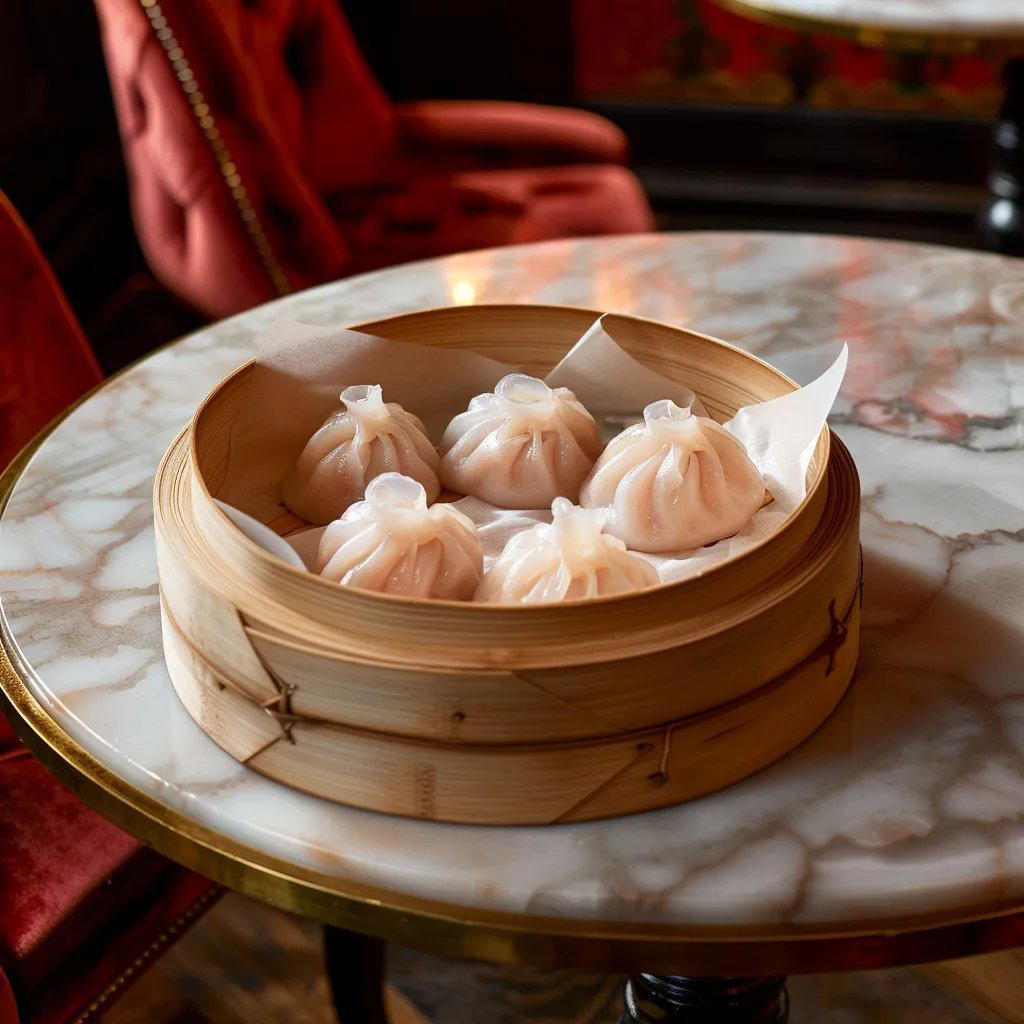
Shimoyamatedori is not Kobe’s loudest dining district, which suits this Chinese room. The approach is compact and urban: a ground-floor address in Chuo Ward, near the city’s civic spine and Motomachi’s restaurant traffic, where the evening feels less like destination spectacle than a reservation for people who know why they are there. At fuxing, the context is not theatre but scale. Chinese cooking in Japan often splits between casual neighborhood plates, department-store dining and high-cost tasting formats; this room belongs to the smaller, ingredient-led end.
Kobe’s food identity is too often reduced to beef shorthand. That misses the city’s older exchange culture: port-city trading routes, Chinese community history, Western-style yoshoku, coffee rooms, patisseries and high-spend counters within a short rail or taxi hop. For a wider read, Our full Kobe restaurants guide maps the city beyond one specialty, while nearby and adjacent options such as Aburi Niku Kobo Wakkoku Shinkobe ten, Aburi Niku Kobo Wakkoqu Kitano Sakamoto Ten, Akaneya Coffee Ten, Akari and Ali's Halal Kitchen show how broad Kobe’s table can be within a compact city grid.
Chinese technique filtered through Kobe's ingredient discipline
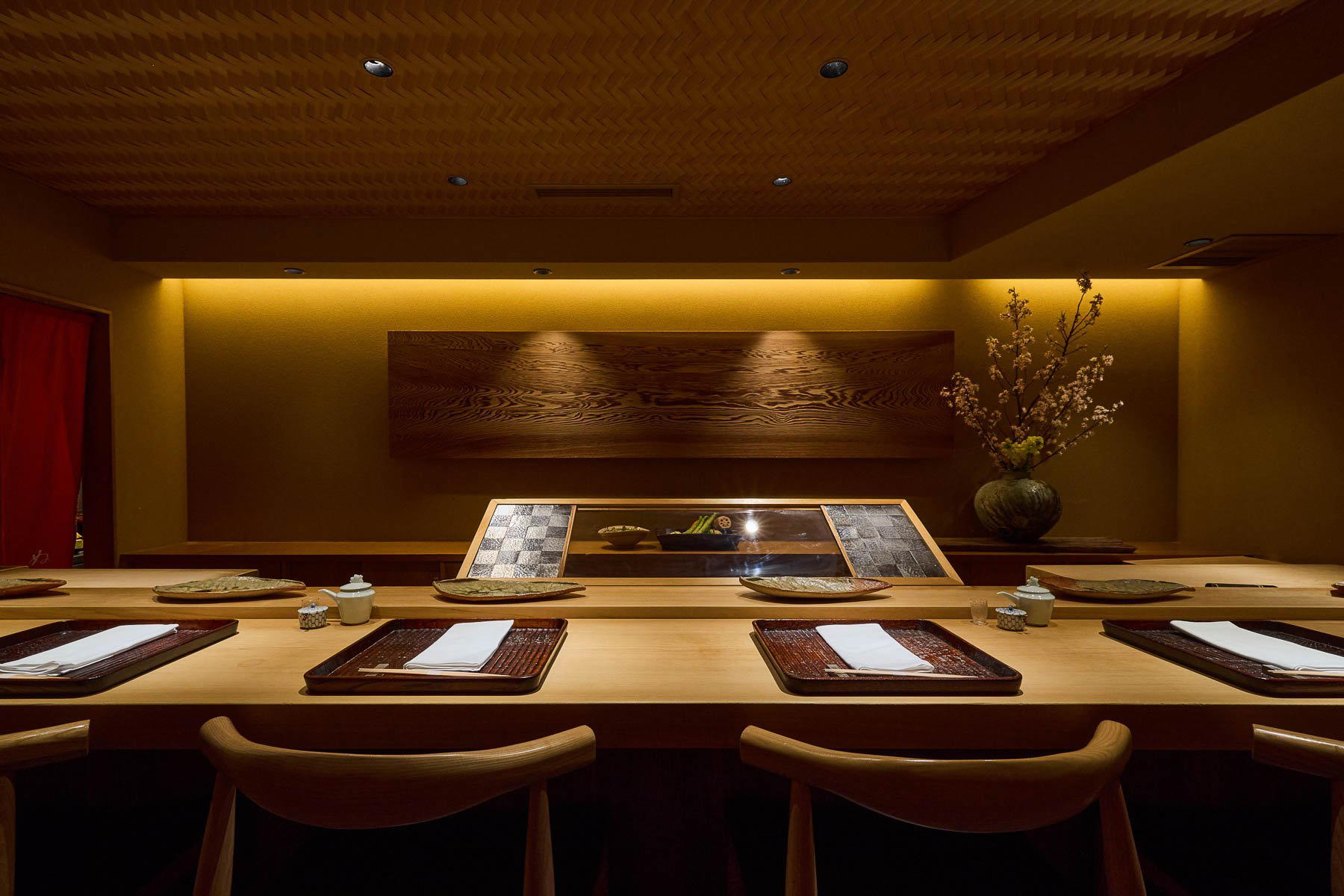
The serious Chinese restaurants that resonate in Japan rarely copy mainland banquet grammar wholesale. They absorb the Japanese habit of narrowing the frame: fewer seats, tighter pacing, sharper product selection and a wine program that treats Chinese seasoning as a pairing problem rather than an afterthought. That is where fuxing fits. The counter seating and small capacity place it closer to a chef-facing Japanese format than to a large Cantonese or Sichuan dining room. At this size, ingredient choices become visible editorial decisions: seafood, meat, vegetables and seasonings have less room to hide behind abundance.
The award trail gives that position measurable weight. Selection for Tabelog Chinese WEST 100 in 2023, 2024 and 2026 places the restaurant within western Japan’s serious Chinese category, while a Tabelog Award 2025 Bronze recognition moves it beyond ordinary local popularity. Those signals are not substitutes for taste, but they identify the competitive set: a restaurant judged against specialist Chinese rooms across the region, not simply Kobe’s everyday dinner addresses.
Price also clarifies intent, even when the meal changes by season or procurement. This is not the same decision as a casual lunch counter, a yoshoku plate or a light Motomachi stop. In the comparison set provided for Kobe, yokoyama occupies a high-spend tier below this restaurant’s dinner range, while Yoshoku GURa, Shinshin and La Pierre Blanche Motomachi ten sit in more accessible brackets. The choice is clear: fuxing is for a planned Chinese dinner where sourcing, pacing and wine carry the value argument.
Why the wine signal matters in a Chinese room
Chinese cuisine creates pairing complications many restaurants avoid: heat, sweetness, fermented depth, vinegar, smoke, stock and texture can all appear in one sequence. A stated focus on wine is therefore more than luxury detail. It points to a dining style expected to move through contrasts rather than sit on a single flavor register. In Japan, that has become a defining marker among ambitious Chinese restaurants, especially in compact rooms where the beverage program can be tailored more precisely than in a banquet setting.
That helps explain the restaurant’s firm stance on alcohol participation. It is unusual enough to be operationally significant, and tells the reader how to assess fit before planning a night here. The venue is not positioning wine as an optional extra; it treats drinking as part of the format. For travelers, that separates it from broader Kobe dining choices and from more flexible casual Chinese restaurants where the beverage decision can be secondary.
Counter scale changes the mood. In a large Chinese dining room, generosity often reads through volume: platters, steam, circulation, shared dishes and family-style rhythm. In a compact Kobe setting, the tradition is compressed into sequence and proximity. The pleasure is less spectacle than watching a kitchen edit, adjust and serve with little distance between cooking and table. Ingredient sourcing becomes legible, because product quality and timing have to carry the evening.
How to place it within a Kobe itinerary
For a visitor building a serious Kobe stay, this is a dinner anchor, not a casual add-on. The surrounding area suits travelers who want the city’s central dining geography without committing to the obvious waterfront or hotel-district circuit. It pairs naturally with daytime routes through Motomachi, Kitano or the civic center side of Chuo Ward, followed by a focused evening meal after the city’s coffee, sweets and beef narratives have had their turn.
The broader Kobe trip can be organized around that contrast. Our full Kobe hotels guide is the practical companion for where to sleep, while Our full Kobe bars guide, Our full Kobe wineries guide and Our full Kobe experiences guide help frame the city before and after dinner. Readers comparing Japanese dining across regions can also place Kobe against -Grilled beef Sukiyaki- KAMAKURA TANUKIAN 鎌倉 たぬき庵 in Kamakura. 鮪と炭火焼き うお炭 秋葉原店 in Tokyo.cafe in Osaka.know in Kumamoto, (Shoku) Vietnam in Kawasaki and [Curry Senmon Ten] Maruyama Kyoju. in Sapporo. Outside Japan, Jōdo Saké Bar in Los Angeles and Onigiri Time in Pasadena offer a different lens on how Japanese food culture travels.
The editorial read is simple: choose fuxing when the night calls for Chinese cuisine treated with the discipline of a small Japanese counter, not when flexibility, speed or a broad group brief is the priority. Its strongest argument is the convergence of category recognition, compact format, wine seriousness and Kobe’s ingredient-conscious dining culture. That gives the restaurant a clear role in the city: a high-commitment Chinese dinner for travelers who want Kobe to be more than beef and harbor views.
Frequently asked questions
Is fuxing suitable for children?
Yes. the public record lists "Children welcome" and notes it is family friendly, alongside a 16-seat dining room in Kobe. Check the venue's official channels for the latest details.
Is fuxing formal or casual?
It reads as a reserved dinner room rather than a casual drop-in: counter seating, 16 seats, and a 17:30–23:00 service window in Kobe. The Tabelog Bronze 2025 recognition places it in a serious dining tier.
What are fuxing's hours?
Hours at fuxing: Mon, Tue, Wed, Thu, Fri, Sat, Sun 17:30 - 23:00 L.O. 22:00.
What is fuxing known for?
fuxing is primarily known for its core concept and execution in Kobe.
Comparable Spots, Quickly
Comparable venues by cuisine and price in the same metro.
| Venue | Cuisine | Price | Awards | Notes |
|---|---|---|---|---|
| fuxingThis venue — the venue you are viewing | Modern Chinese Fine Dining | $150–200 | Tabelog 100 #3 | Not listed |
| Toten Kaku Koube honten | Traditional Chinese (Beijing) in historic Western-style mansion | $50–100 | Tabelog 100 #77 | Chūō |
| Rakkanki | Chinese Xiaolongbao | $20–30 | Tabelog 100 #88 | Chūō |
| Toriryori Ranpu | Chicken Dishes / Izakaya | $30–50 | Tabelog 100 #95 | Chūō |
| Mangetsu | Traditional Yakiniku & Horumon | $50–100 | Tabelog 100 #41 | Chūō |
| Shinshin | Traditional Cantonese rice porridge & dim sum | $10–20 | Tabelog 100 #50 | Chūō |
Recognition history
Dated appearances from independent guides and award organizations, with the underlying list record or original source where available.
Tabelog 100 #3 · No. 3
Tabelog · Tabelog 100 - Chinese cuisine - WEST - 2026
Full recognition history (2 entries)
Tabelog Bronze
Tabelog
Continue exploring
More in Kobe
Restaurants in Kobe
Browse all →
Bars in Kobe
Browse all →



Hotels in Kobe
Browse all →


Details
- Elegant
- Intimate
- Sophisticated
- Business Dinner
- Special Occasion
- Sake Program
- A La Carte
Current opening hours
- Monday
- 5:30–10:30 PM
- Tuesday
- 5:30–10:30 PM
- Wednesday
- 5:30–10:30 PM
- Thursday
- Closed
- Friday
- 5:30–10:30 PM
- Saturday
- 5:30–10:30 PM
- Sunday
- 5:30–10:30 PM
Hours can change for holidays and private events. Last verified .
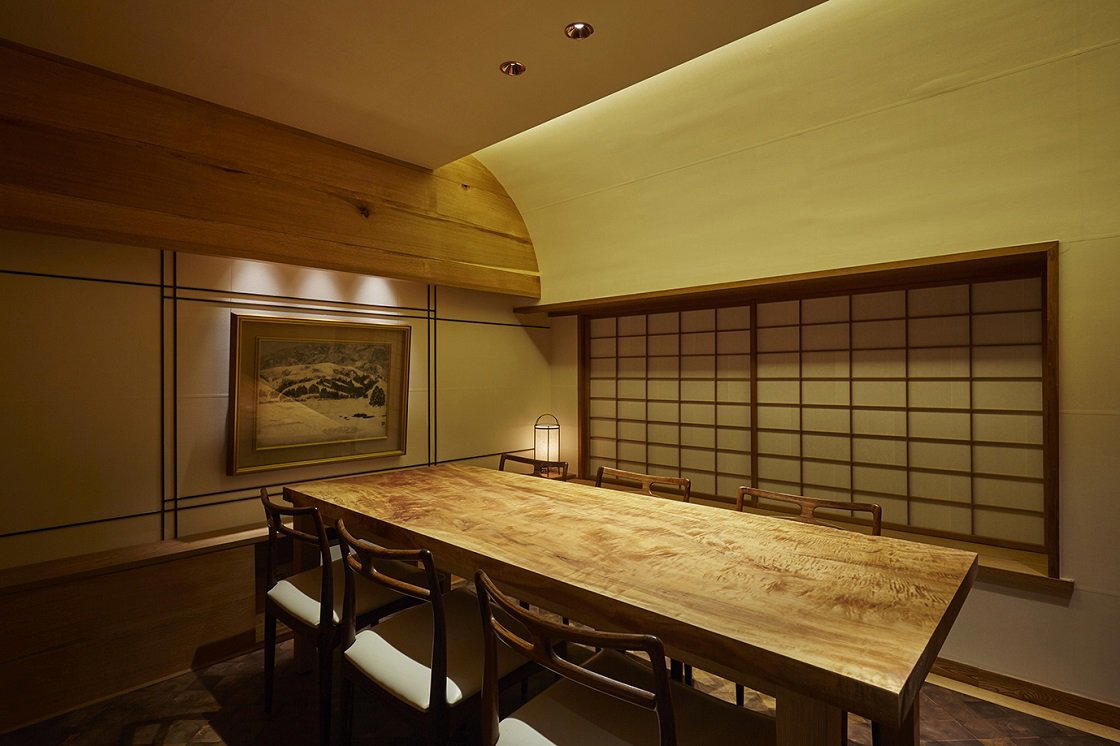
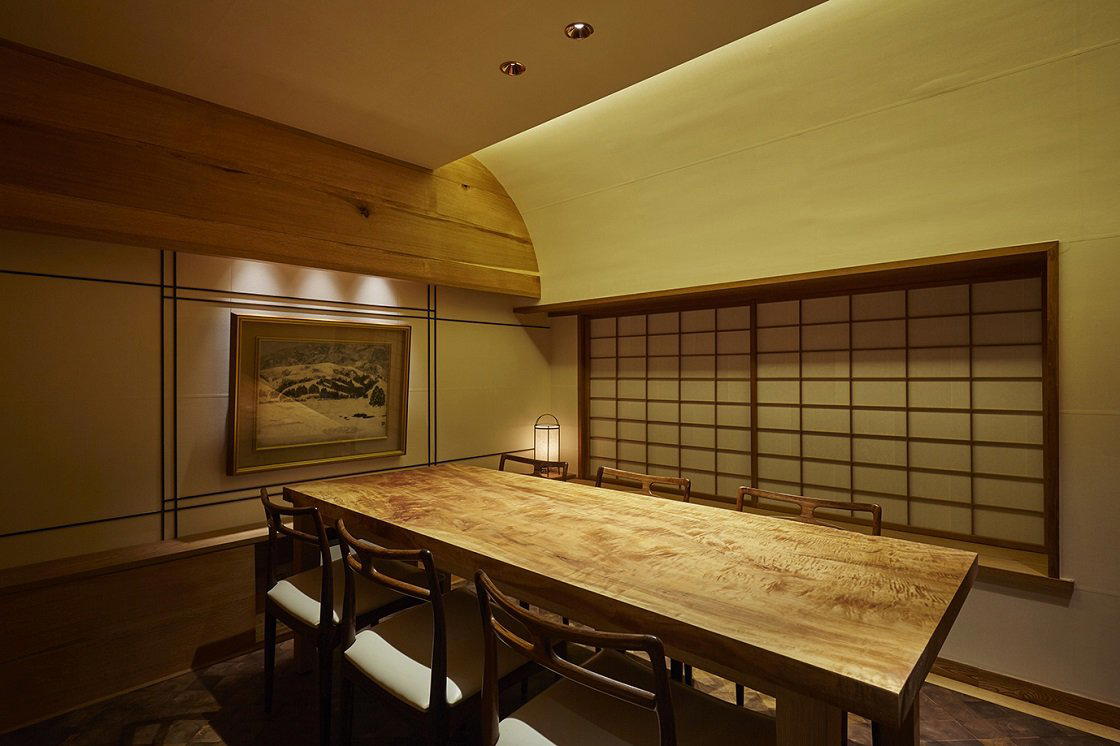
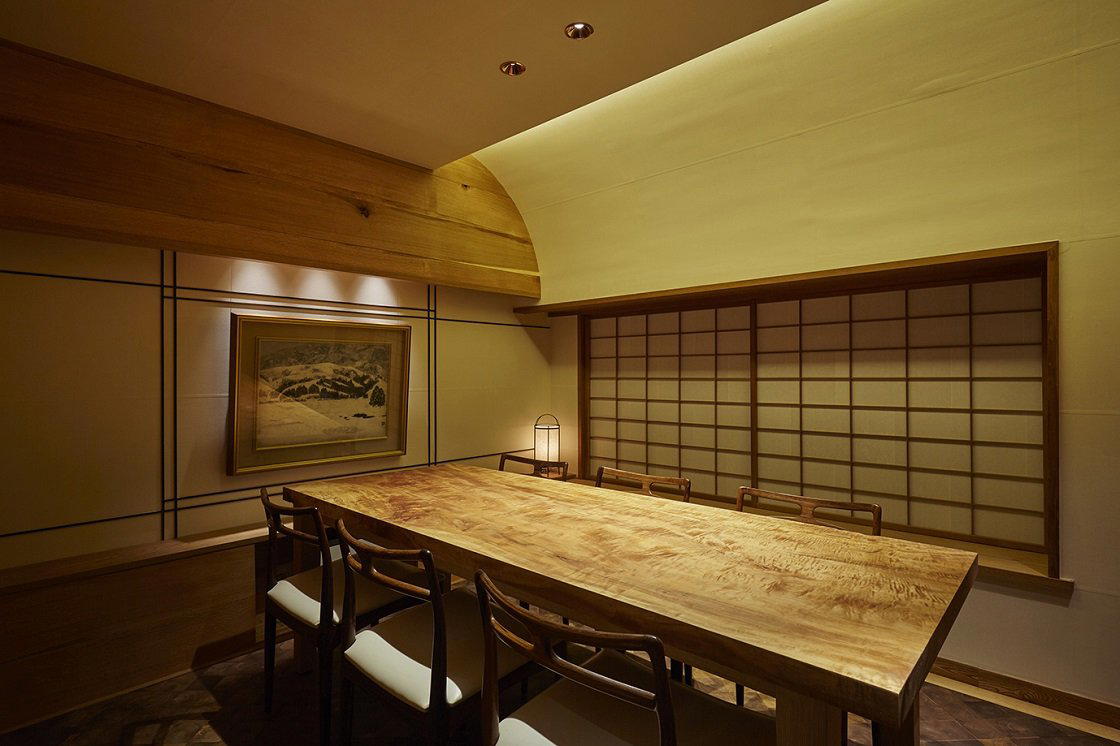
Stylish space with counter seating in an intimate 16-seat setting.