
Michelin Selected
A MICHELIN Selected ryokan in Arima Onsen, one of Japan's oldest hot spring districts, Tocen Goshobo sits at the serious end of the traditional inn category. The property's position in Kobe's Kita-ku places it within a cluster of heritage bathhouses and multi-generational inns that define Arima's reputation as a thermal resort with architectural and ritual continuity.

Pearl is the En Primeur Club membership app — saves, bookings, and concierge access live there. Same editors, same standards.
- Address
- 858 Arimacho, Kita Ward, Kobe, Hyogo 651-1401, Japan
- Phone
- +81 78-904-0551
- Website
- goshoboh.com
- Directions
- Get directions
Arima Onsen and the Architecture of Arrival
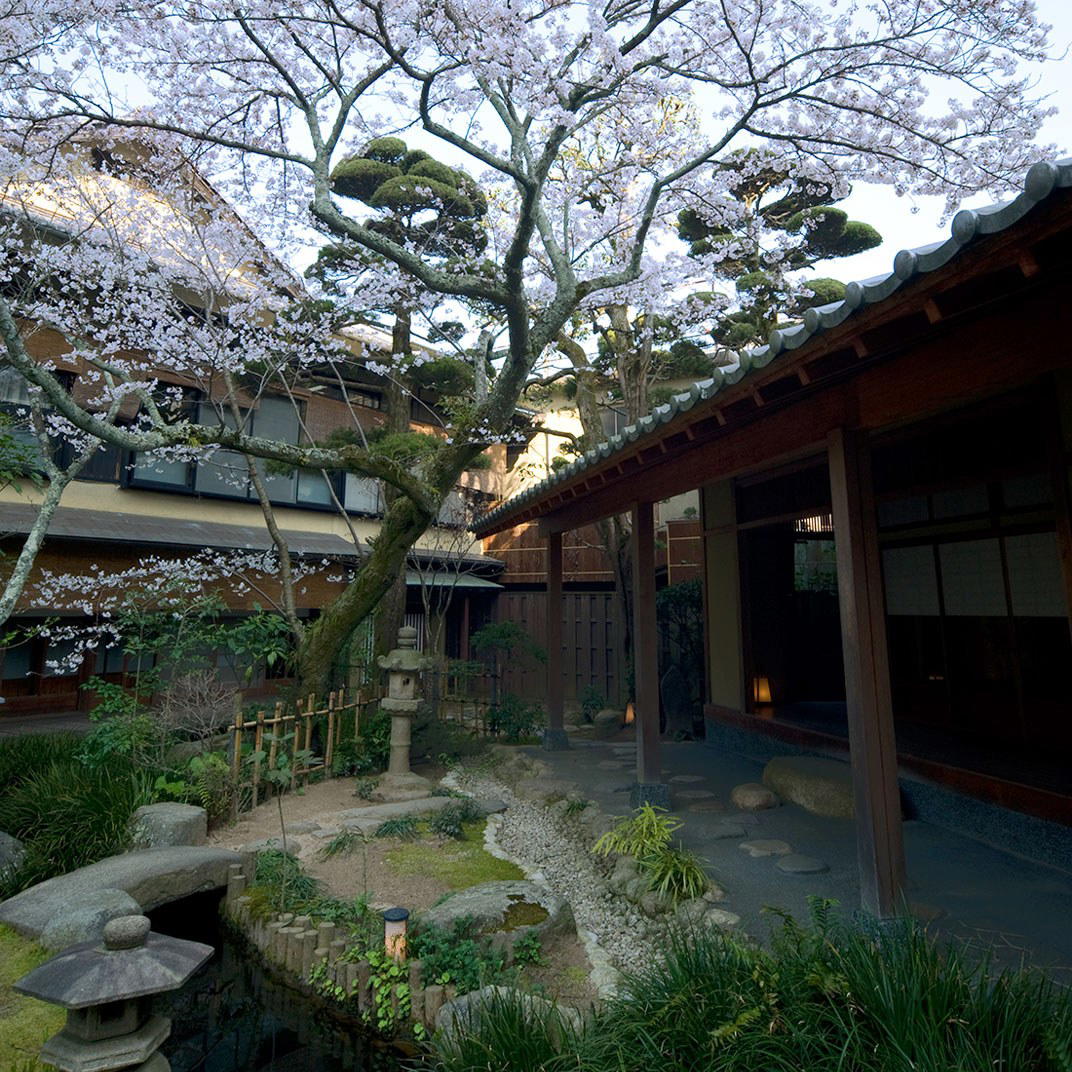
The approach to Arima Onsen from central Kobe takes roughly forty minutes by road or ropeway, and the transition is abrupt in the leading sense. The urban grid dissolves into cedar-covered hillside, and by the time the narrow lanes of Arimacho appear, the register has shifted entirely. This is one of Japan's oldest recorded hot spring settlements, documented in eighth-century texts, and the built environment carries that history in its proportions. Wooden facades, stone-paved alleys, and the faint mineral smell of iron-rich water in the air precede any formal check-in. Tocen Goshobo, addressed at 858 Arimacho in Kita-ku, sits within this context rather than apart from it.
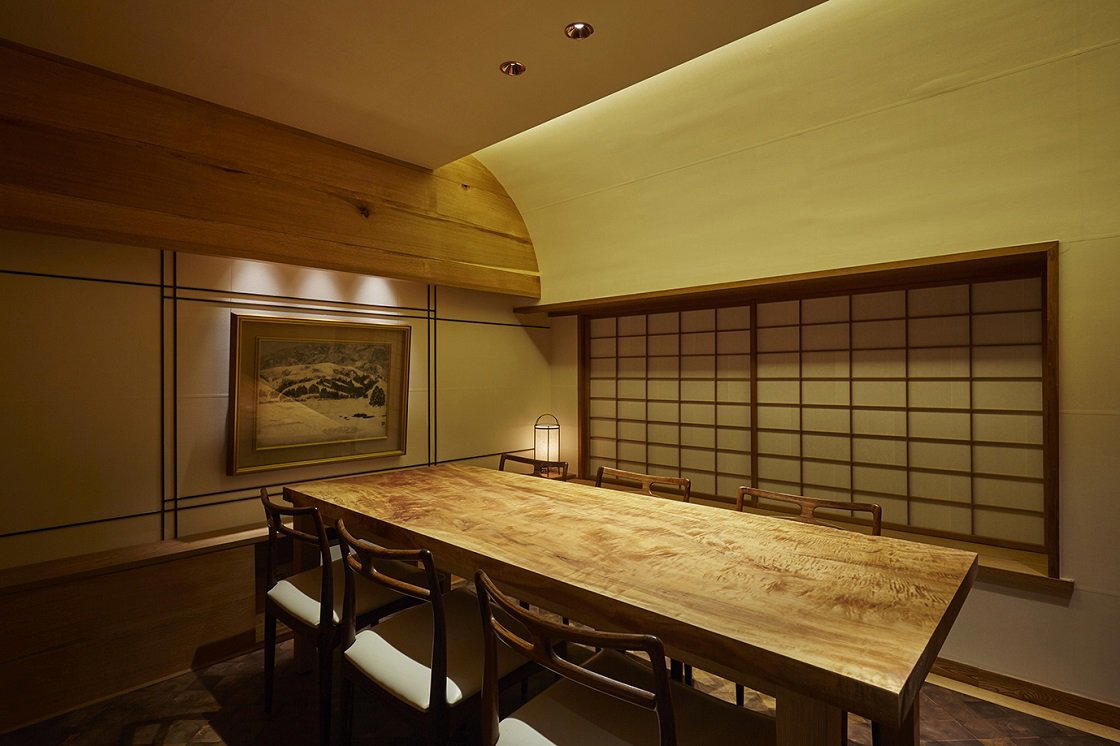
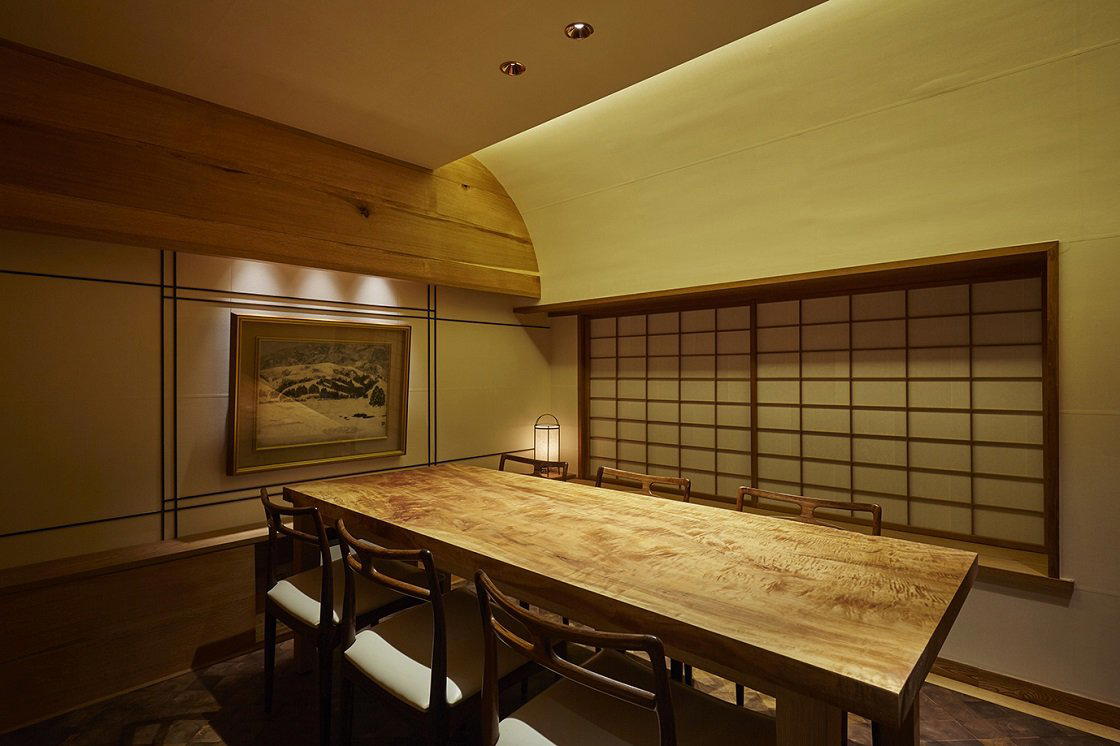
Among the inns concentrated along Arima's hillside lanes, the physical grammar of a traditional ryokan is legible at a glance: low rooflines, shoji screens, deep eaves designed for rain. What distinguishes properties at the upper tier of this district is not departure from those conventions but the quality of their execution. Aged timber joinery, the calibration of natural light through paper screens, the way a corridor turns to frame a garden view — these are the details that separate careful restoration from mere replication. Tocen Goshobo's MICHELIN Selected designation in the 2025 guide situates it within the cohort of Arima inns that meet an internationally applied standard of quality, a meaningful signal in a district where competition among heritage properties is substantial.
The Ryokan Design Tradition at Arima
The architectural language of the Japanese inn evolved over centuries as a direct expression of the onsen experience: the building exists to frame the bath, the garden, and the meal, in that order. Space planning in a property like Tocen Goshobo follows a logic quite different from that of Western hotels. Corridors are part of the experience, not connective tissue to be minimised. The relationship between the interior and the ryokan's garden or courtyard is treated as a designed threshold rather than an incidental view. Rooms typically read as multi-functional spaces where sleeping, bathing, and dining happen sequentially in the same tatami area, attended by assigned staff who calibrate the rhythm of the stay.
Arima's thermal waters are categorised into two distinct types: the iron-bearing kinsen (gold spring), which turns amber-brown on contact with air, and the colourless, sodium-carbonate-rich ginsen (silver spring). Properties in the district access one or both, and the quality, volume, and presentation of these baths are central to how the upper tier of Arima ryokan differentiate themselves. The architecture of the bath space, from stone selection and water temperature management to the framing of a garden view from the tub, reflects the same design attention as the guest rooms.
Kobe's Position as a Ryokan Gateway
Among Japanese cities with direct access to premium onsen districts, Kobe's proximity to Arima is unusual in that it allows a different kind of trip structure. A guest at a Kobe harbour property — say, Hotel La Suite Kobe Harborland or the Oriental Hotel Kobe, can treat Arima as an excursion, while a guest committing to the onsen experience in full, as the ryokan format intends, will base themselves in the hills. The two stay types serve different purposes. The full ryokan stay at Tocen Goshobo, with its kaiseki dinner, communal or private baths, and unhurried morning ritual, is a different category of experience from a harbour-view city hotel. Neighbouring Arimasansoh Goshobessho, also in Arima Onsen, occupies similar territory and represents the kind of peer comparison worth making when deciding between properties in the district.
For travellers building a broader Kansai itinerary, Arima sits within reach of Kyoto (roughly ninety minutes) and Osaka (under an hour), which positions a Tocen Goshobo stay naturally as either a standalone destination or a mid-journey pause. The Kobe city context, its port history, European-influenced Kitano neighbourhood, and Nada sake district, adds cultural texture for those who arrive a day early. Our full Kobe guide maps the broader scene.
Placing Tocen Goshobo in the Japan Ryokan Tier
The MICHELIN Selected category in the hotel guide applies to properties that meet quality criteria across physical condition, service, and atmosphere without necessarily reaching the higher Key distinctions. Within Japan, this standard is applied against a field that includes some of the most demanding traditional hospitality in the world. Properties like Gora Kadan in Hakone, Asaba in Izu, and Nishimuraya Honkan in Kinosaki-cho represent the tier against which Arima's upper properties are informally measured. Each has a distinct regional character, Hakone's volcanic drama, Izu's forested river settings, Kinosaki's pedestrian arcade and shared public baths, and Arima's distinguishing qualities are its mineral specificity and its proximity to a major urban centre.
The broader geography of MICHELIN Selected ryokan in Japan spans property types from the architecturally adventurous, such as Zaborin in Kutchan, which positions Hokkaido's winter landscape as part of the design, to the heritage-dense, such as Kamenoi Besso in Yufu, one of Kyushu's oldest operating inns. Tocen Goshobo's position within this national field reflects the specific strengths of the Arima tradition: concentration of thermal resources, a dense historic streetscape, and the accumulated reputation of a district that has hosted travellers for over a millennium.
For comparison outside Japan's onsen tradition, the commitment to place-specific architecture and ritual service at properties like Amanemu in Mie or Benesse House in Naoshima represents a parallel strand of Japanese hospitality where design and environment are inseparable from the offer. These properties draw from the same cultural logic, that the building, the land, and the service are a single argument, even when the format differs.
Planning a Stay
Tocen Goshobo is a ryokan property in Arima Onsen's Arimacho district, reachable from central Kobe in under an hour. Advance reservation is advisable: Arima Onsen operates at high occupancy during autumn foliage season (mid-October through November) and Golden Week (late April to early May), which are the two peak periods when the district's inns book quickly. Winter weekends also see strong demand from guests seeking the thermal experience in cold weather. Direct contact via the property's reservation channel is the standard approach for ryokan stays of this type, as room-type selection and meal preferences are typically confirmed at booking. The MICHELIN Selected credential reflects a 2025 assessment, making this a current rather than historical designation.
Fast Comparison
Comparable venues nearby, for context on price, style, and recognition.
| Venue | Cuisine | Price | Awards | Notes |
|---|---|---|---|---|
| Tocen GoshoboThis venue — the venue you are viewing | Traditional ryokan blending Japanese and Western residential design with modern touches. | $200–300 | Michelin Selected | Not listed |
| Hotel La Suite Kobe Harborland | Waterfront luxury boutique with Mediterranean architecture | $300–500 | Michelin Selected · Small Luxury Hotels of the World Member | Chūō |
| Oriental Hotel Kobe | Historic urban resort blending Western and Eastern influences with modern luxury. | Not listed | Michelin Selected | Chūō |
| Arimasansoh Goshobessho | Traditional Japanese ryokan villa with Western influences | $500–750 | Michelin Selected · Mr & Mrs Smith Seal of Approval | Kita |
| Nazuna Kyoto Higashihonganji | Renovated historic machiya ryokan blending tradition and modernity | Not listed | Michelin Selected | Shimogyō |
| Node Hotel | Contemporary boutique hotel inspired by a private art collector's residence, blending hospitality with curated contemporary art. | $100–200 | Michelin Selected | Shijo Nishinotoin, Nakagyo-ku |
Recognition history
Dated appearances from independent guides and award organizations, with the underlying list record or original source where available.
Michelin Selected
Michelin
Continue exploring
More in Kobe
Hotels in Kobe
Browse all →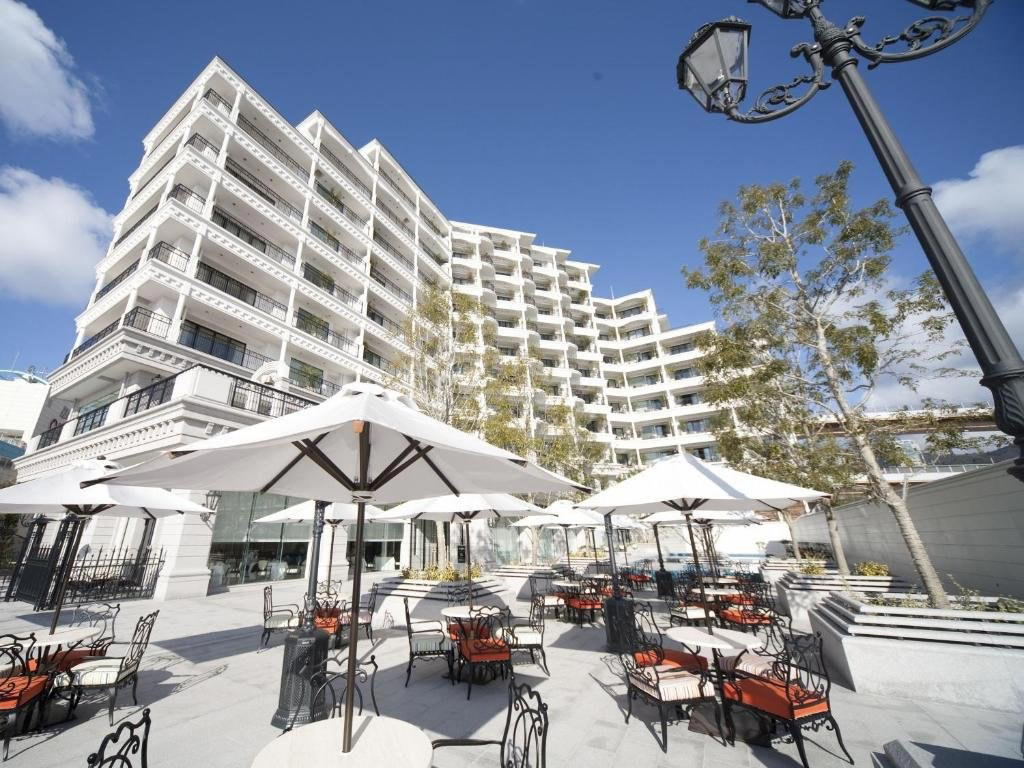


Bars in Kobe
Browse all →



Restaurants in Kobe
Browse all →


Details
- Quiet
- Elegant
- Scenic
- Classic
- Intimate
- Sophisticated
- Honeymoon
- Romantic Getaway
- Wellness Retreat
- Anniversary
- Historic Building
- Garden
- Free Parking
- Restaurant
- Room Service
- Mountain
- Garden
Zen atmosphere with soothing wooden interiors, tatami floors, shoji screens, and peaceful gardens, enhanced by the therapeutic brown-colored hot springs.