


Tabelog Silver #82
Our verdict
Miyoshi Kyoto sits in the narrow, high-spend category where wagyu is treated through kaiseki logic rather than steakhouse abundance. The eight-seat counter format, Tsutomu Ito’s beef-focused cooking, Tabelog Silver recognition in 2026, and an OAD Japan ranking place it among Kyoto’s serious meat addresses rather than casual yakiniku rooms.

Pearl is the En Primeur Club membership app — saves, bookings, and concierge access live there. Same editors, same standards.
- Address
- 8-1 Katagiharanakakaito, Nishikyo Ward, Kyoto, 615-8174, Japan
- Phone
- +81 75-391-2000
- Hours
- Mon–Wed 11:30 AM–2 PM, 5–10 PMThu ClosedFri–Sun 11:30 AM–2 PM, 5–10 PM
- Website
- niku-miyoshi.com
- Directions
- Get directions
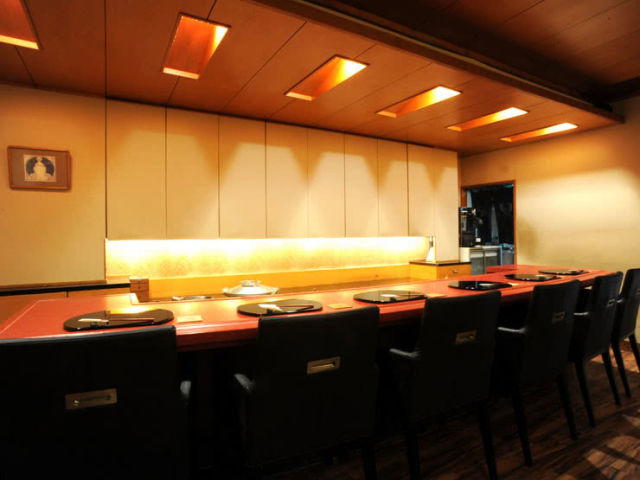
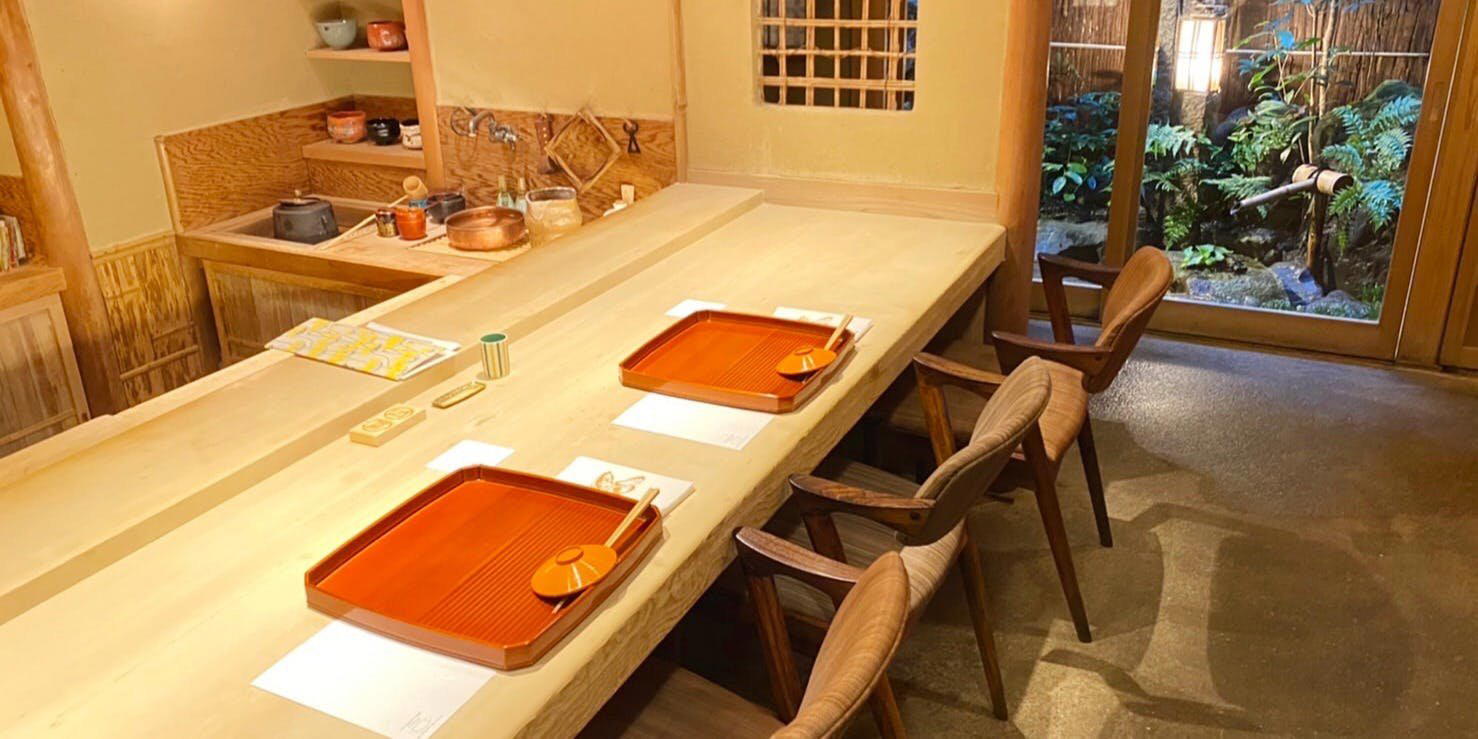
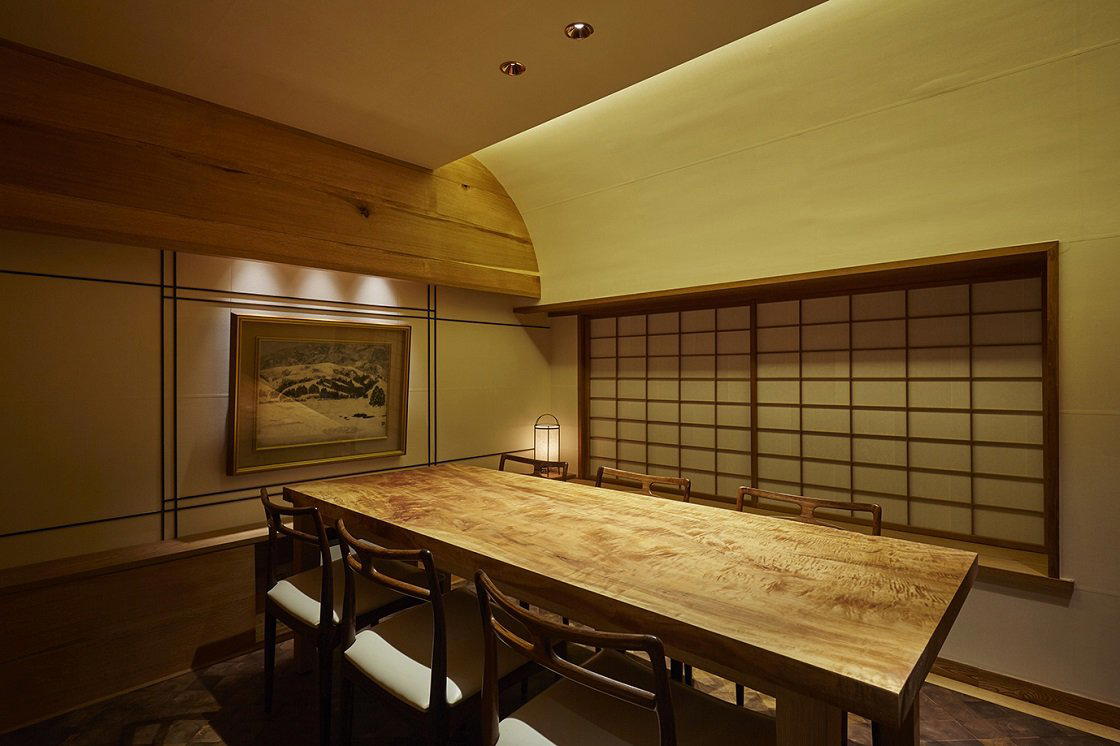
Gion dining often announces itself quietly: narrow approaches, controlled lighting, a room arranged to make the counter feel like the main stage rather than a service station. In that setting, beef kaiseki reads differently from yakiniku or steak. The point is not volume, smoke, or a parade of cuts; it is sequence, restraint, and the way wagyu can be handled with the pacing usually associated with Kyoto cuisine. Miyoshi Kyoto belongs to that smaller lane, where meat is treated as a seasonal course structure rather than a single luxury ingredient.
That distinction matters in Kansai. Kyoto’s dining culture has long rewarded progression, temperature, and proportion, while Tokyo’s high-end meat rooms often lean more visibly into scarcity, brand beef, and counter theatre. A beef kaiseki room in Kyoto has to speak both languages: it must satisfy the diner who came for marbling and depth, while keeping the cadence closer to kappo and kaiseki than to a grill-led blowout. Miyoshi restaurant Kyoto is persuasive because it sits inside that tension, not outside it.
Wagyu through a Kyoto kaiseki lens
Beef kaiseki is a narrow category because it asks an expensive ingredient to behave with discipline. Wagyu can dominate a meal quickly; Kyoto’s grammar pushes the opposite direction, toward alternation, contrast, and pauses. The stronger examples in the genre use beef in multiple registers, not simply as larger portions of premium cuts. That is why the category attracts diners who have already done sushi counters, tempura counters, and conventional kaiseki, and are looking for a meat-focused format with comparable control.
The counter format reinforces that reading. An eight-seat room changes the economics and the mood: it puts the cooking within view, compresses the social scale, and makes pacing more exposed. This is where beef kaiseki separates itself from standard wagyu dining. The meal has to hold attention without relying only on rarity of sourcing or visual marbling. Charcoal, knife work, seasoning, and the order of courses carry more weight than spectacle.
Chef Tsutomu Ito’s name is attached to the restaurant’s public recognition, but the more useful point is what that recognition says about the category. Tabelog’s 2026 Silver Award and a 4.46 score place the restaurant in Japan’s serious reservation dining tier, while Opinionated About Dining ranked it in its 2026 Japan Top Restaurants list. Those are not interchangeable signals. Tabelog reflects a domestic review culture with particular force in Japan; OAD brings an international, obsessive-diner lens. Together, they make the case that this is not merely a Gion meat specialist with a loyal following, but a restaurant judged against ambitious Japanese dining rooms across genres.
Kansai restraint, Kanto comparison
Kansai and Kanto do not divide neatly on beef, but the dining cultures do frame luxury differently. In Tokyo, high-end meat can feel more explicitly comparative: producer, breed, cut, provenance, ranking. Kyoto’s stronger restaurants tend to absorb those facts into atmosphere and sequence. The result is less declarative and, when handled well, more demanding. Diners have to pay attention to pacing rather than waiting for a single climax.
That is the regional lens through which Miyoshi makes sense. The restaurant is not trying to be a general Japanese cuisine room with a few prized beef courses, nor a steak counter dressed in kaiseki language. It occupies the middle ground where wagyu is the premise and Kyoto structure is the method. In a city where kaiseki can sometimes be treated by visitors as a fixed historical form, beef kaiseki shows how adaptable that structure remains.
Within Kyoto, Nikuryori Kanae is the cleanest local comparison because it also works in beef kaiseki rather than broad washoku. Outside Kyoto, Gyuho, Beef Kaiseki in Osaka gives Kansai diners another reference point for how meat can be folded into course dining, while Niku Kappō JŌ, Beef Kaiseki in Tokyo shows the Kanto version of the genre, where kappo precision and Tokyo’s competitive counter culture shape the experience differently. Those comparisons are useful because they clarify what the Kyoto version is protecting: quietness, sequence, and a less aggressive display of luxury.
Kyoto’s wider dining map also helps set the frame. 3TOKU6MI Shijo karasuma ten, 551蓬莱, [ki:], and Abbesses point to the city’s breadth, from everyday regional appetite to contemporary and European-influenced cooking. The value of a restaurant like Miyoshi is clearer against that spread: it is not representative of Kyoto dining as a whole, but of a costly, highly focused subgenre within it.
Who the room rewards
This is a restaurant for diners who understand that wagyu at this level is less about excess than calibration. The useful question is not whether someone likes beef; it is whether they want beef interpreted through a Kyoto course structure. A diner looking for a casual grill, a broad à la carte selection, or a flexible family meal will read the format incorrectly. A diner who already appreciates counter dining, controlled pacing, and the way beverage service can frame richer courses will understand the appeal faster.
The wine, sake, and shochu emphasis, along with sommelier service, also signals that the restaurant is built for a complete evening rather than a quick meat fix. That matters with wagyu. Richness needs management, and beverage structure is one of the ways a serious meat restaurant keeps the meal from flattening. The no-smoking policy and perfume restraint point in the same direction: the room is designed around concentration.
For a broader Kyoto itinerary, use Our full Kyoto restaurants guide alongside Our full Kyoto hotels guide, Our full Kyoto bars guide, Our full Kyoto wineries guide, and Our full Kyoto experiences guide. Travelers extending the meat theme across Japan can also compare regional formats through -Grilled beef Sukiyaki- KAMAKURA TANUKIAN 鎌倉 たぬき庵 in Kamakura. 鮪と炭火焼き うお炭 秋葉原店 in Tokyo.cafe in Osaka.know in Kumamoto, (Shoku) Vietnam in Kawasaki, and [Curry Senmon Ten] Maruyama Kyoju. in Sapporo. Seen this way, Miyoshi is not simply a luxury dinner in Gion; it is a precise argument for how Kansai can make wagyu feel structured, quiet, and exacting.
Frequently asked questions
Who's behind the kitchen at Miyoshi?
The chef associated with Miyoshi is Tsutomu Ito.
How would you describe the cuisine at Miyoshi?
Miyoshi serves Beef Kaiseki cuisine.
When is Miyoshi open?
Hours at Miyoshi: Hours: Monday 5–11 pm Tuesday 5–11 pm Wednesday 5–11 pm Thursday 5–11 pm Friday 5–11 pm Saturday 5–11 pm Sunday Closed.
How do I find Miyoshi?
Miyoshi is located in Kyoto.
What makes Miyoshi worth seeking out?
Miyoshi is a Kyoto beef kaiseki room with just 8 counter seats, so the meal is built around close control and pace rather than volume. It carries an OAD 2026 ranking and a 2026 Tabelog Silver Award, placing it among the city’s more closely watched beef-focused dining rooms.
Style and Standing
Comparable options at the same price tier.
| Venue | Cuisine | Price | Awards | Notes |
|---|---|---|---|---|
| MiyoshiThis venue — the venue you are viewing | Wagyu Kaiseki | $300–500 | Tabelog Silver #82 | Not listed |
| Iida | Classical Kaiseki | $300–500 | La Liste Top Restaurants · Tabelog Gold #9 | Nakagyō |
| Doujin | Kyoto Kaiseki | $500+ | La Liste Top Restaurants · Tabelog Gold #7 | Sakyō |
| Ryoriya Kanemitsu | Modern Kaiseki with Charcoal Grilling | $150–200 | Michelin Plate | Shimogyō |
| Jikon Hiratate | Modern Japanese Fine Dining | $150–200 | Michelin Plate | Nakagyō |
| Sakagawa | Traditional Kaiseki | $150–200 | Tabelog Bronze #381 | Higashiyama |
Recognition history
Dated appearances from independent guides and award organizations, with the underlying list record or original source where available.
Opinionated About Dining Top Restaurants in Japan Ranked #21
Opinionated About Dining
Tabelog Silver #82
Tabelog
World's Best Steaks 101 Best Steak Restaurants #40
World's Best Steaks
Full recognition history (7 entries)
Opinionated About Dining Top Restaurants in Japan Ranked #23
Opinionated About Dining
Tabelog Silver
Tabelog
Opinionated About Dining Top Restaurants in Japan Ranked #43
Opinionated About Dining
Opinionated About Dining Top Restaurants in Japan Ranked #35
Opinionated About Dining
Continue exploring
More in Kyoto
Restaurants in Kyoto
Browse all →
Bars in Kyoto
Browse all →
Hotels in Kyoto
Browse all →
Wineries in Kyoto
Browse all →
Details
- Intimate
- Elegant
- Sophisticated
- Cozy
- Modern
- Special Occasion
- Date Night
- Chefs Counter
- Open Kitchen
- Sake Program
- Tasting Menu
- Counter Dining
- Sake Program
Current opening hours
- Monday
- 11:30 AM–2 PM, 5–10 PM
- Tuesday
- 11:30 AM–2 PM, 5–10 PM
- Wednesday
- 11:30 AM–2 PM, 5–10 PM
- Thursday
- Closed
- Friday
- 11:30 AM–2 PM, 5–10 PM
- Saturday
- 11:30 AM–2 PM, 5–10 PM
- Sunday
- 11:30 AM–2 PM, 5–10 PM
Hours can change for holidays and private events. Last verified .
Understated elegance with modern Japanese taste, low lighting, calming atmosphere, rich reds, glossy blacks, and comfortable leather chairs.