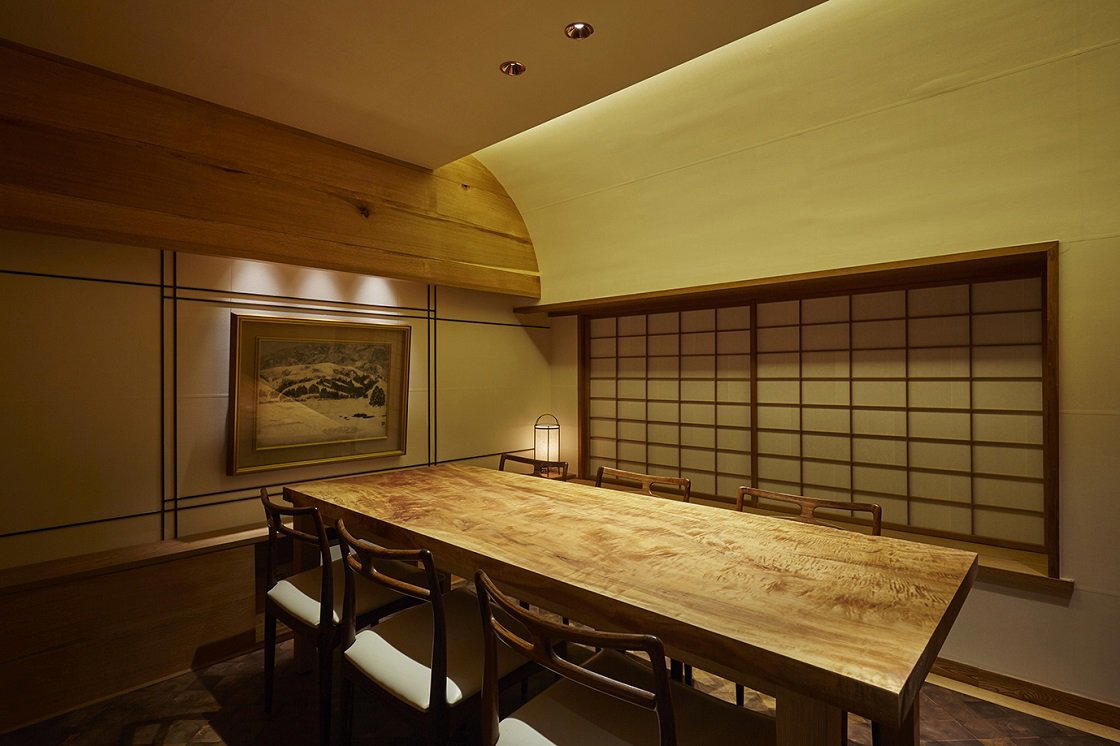
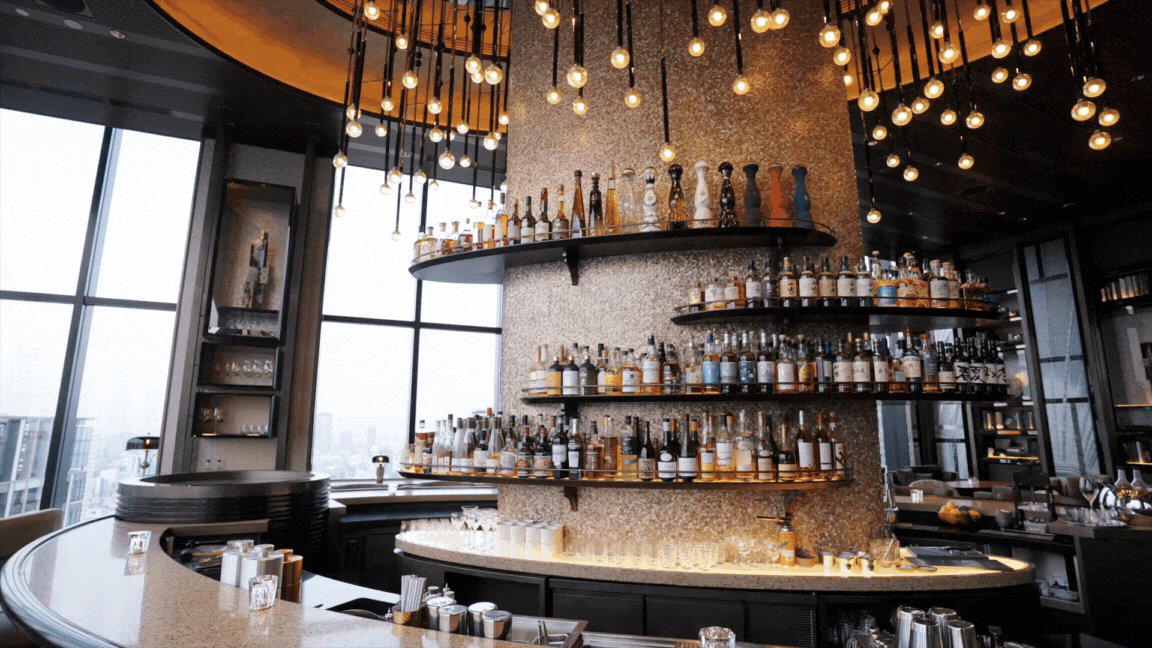
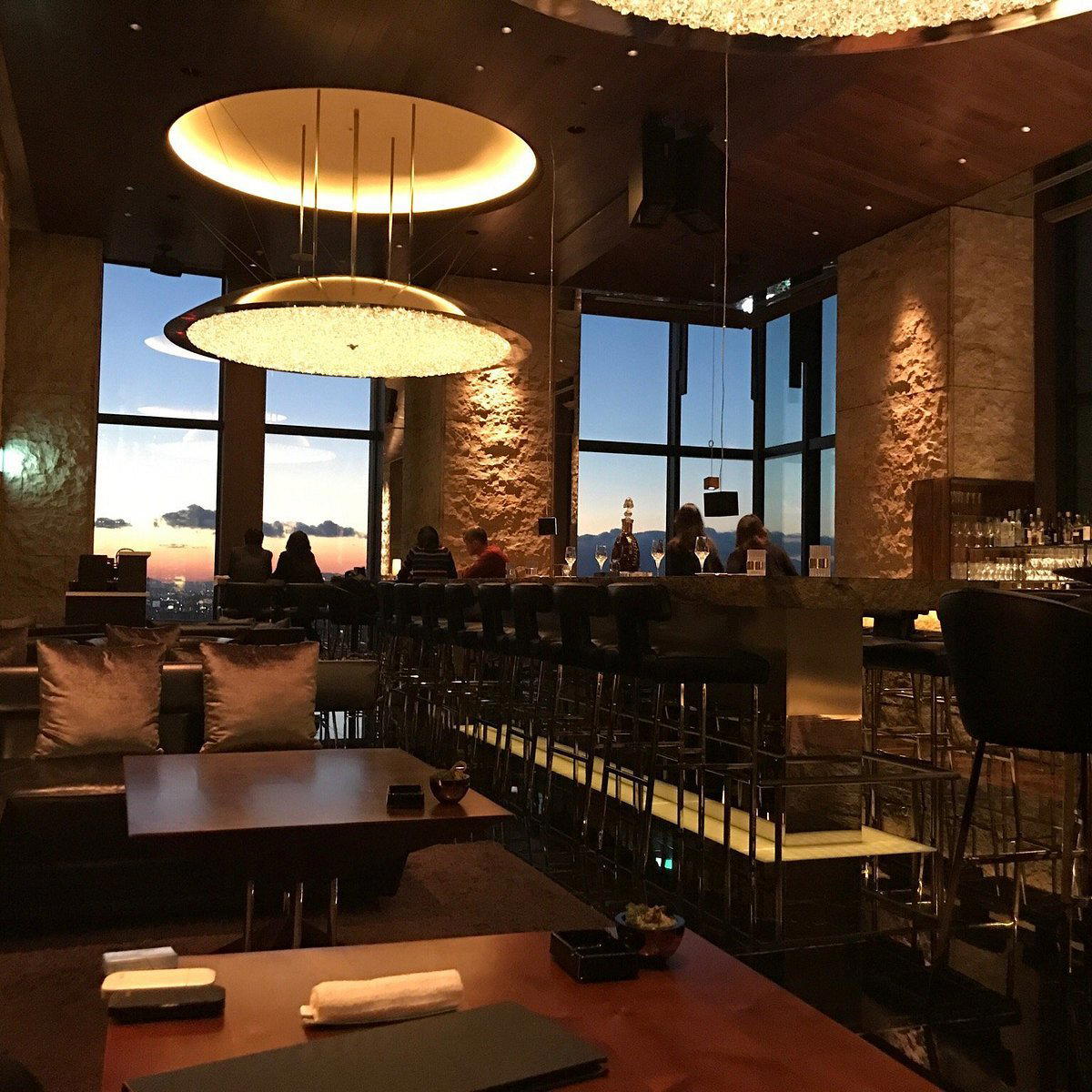
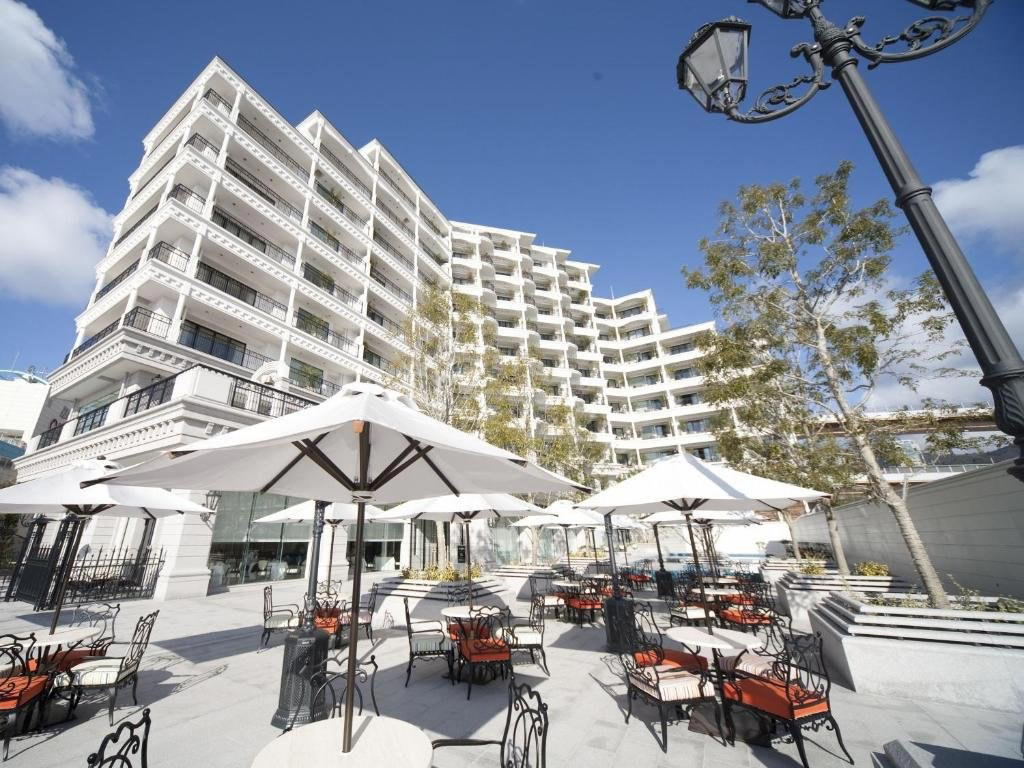
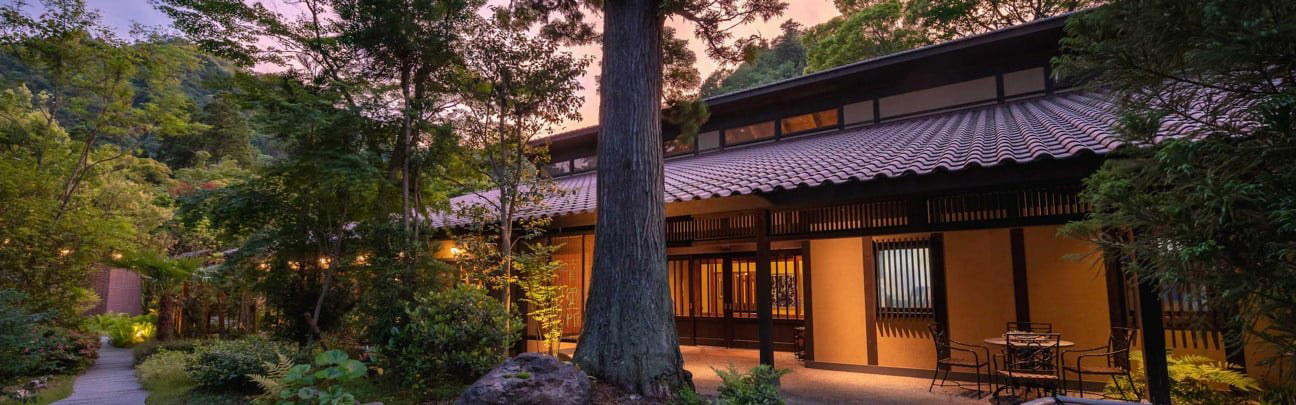
Our verdict
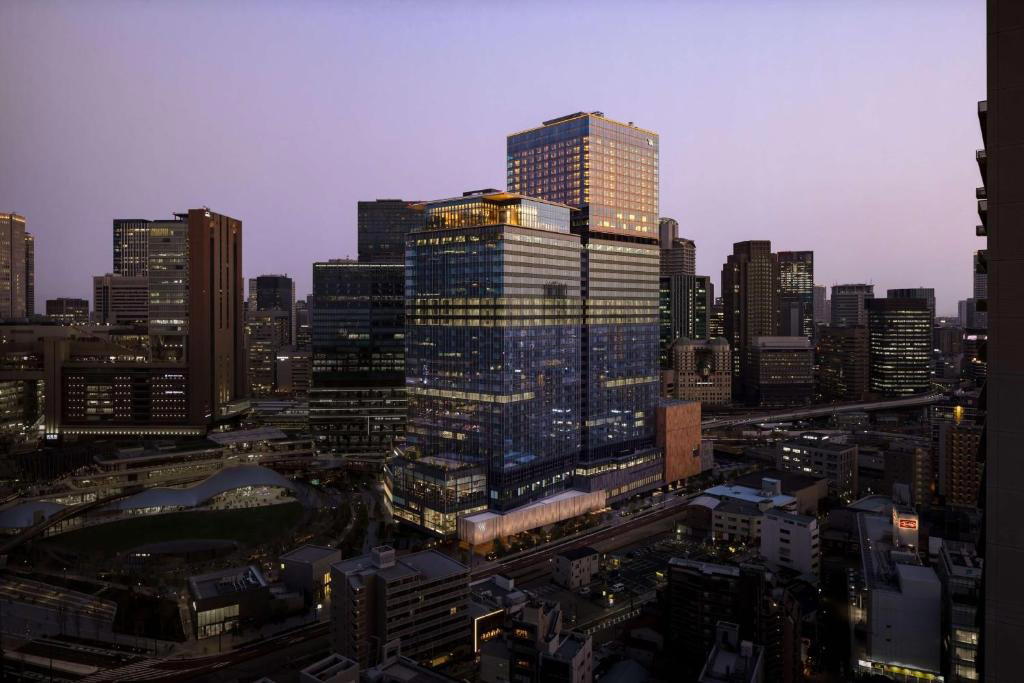
Tsuki Usagi occupies the eighth floor of a building in Kobe's Kitanagasa district, a stretch of the city where European-influenced architecture and Japan's port-city cosmopolitanism have coexisted for over a century. The address places it squarely within Kobe's most internationally layered neighbourhood, where the dining scene has long moved between traditions with unusual fluency.

Pearl is the En Primeur Club membership app — saves, bookings, and concierge access live there. Same editors, same standards.
- Address
- Japan, 〒650-0012 Hyogo, Kobe, Chuo Ward, Kitanagasadori, 2 Chome−11−5 Grand COAST 8F
- Phone
- +81783253327
- Hours
- Daily 5 PM–12 AM
- Website
- tsukiusagikobe.jp
- Directions
- Get directions
- Booking
- Book on the venue's website
The menu
What to order
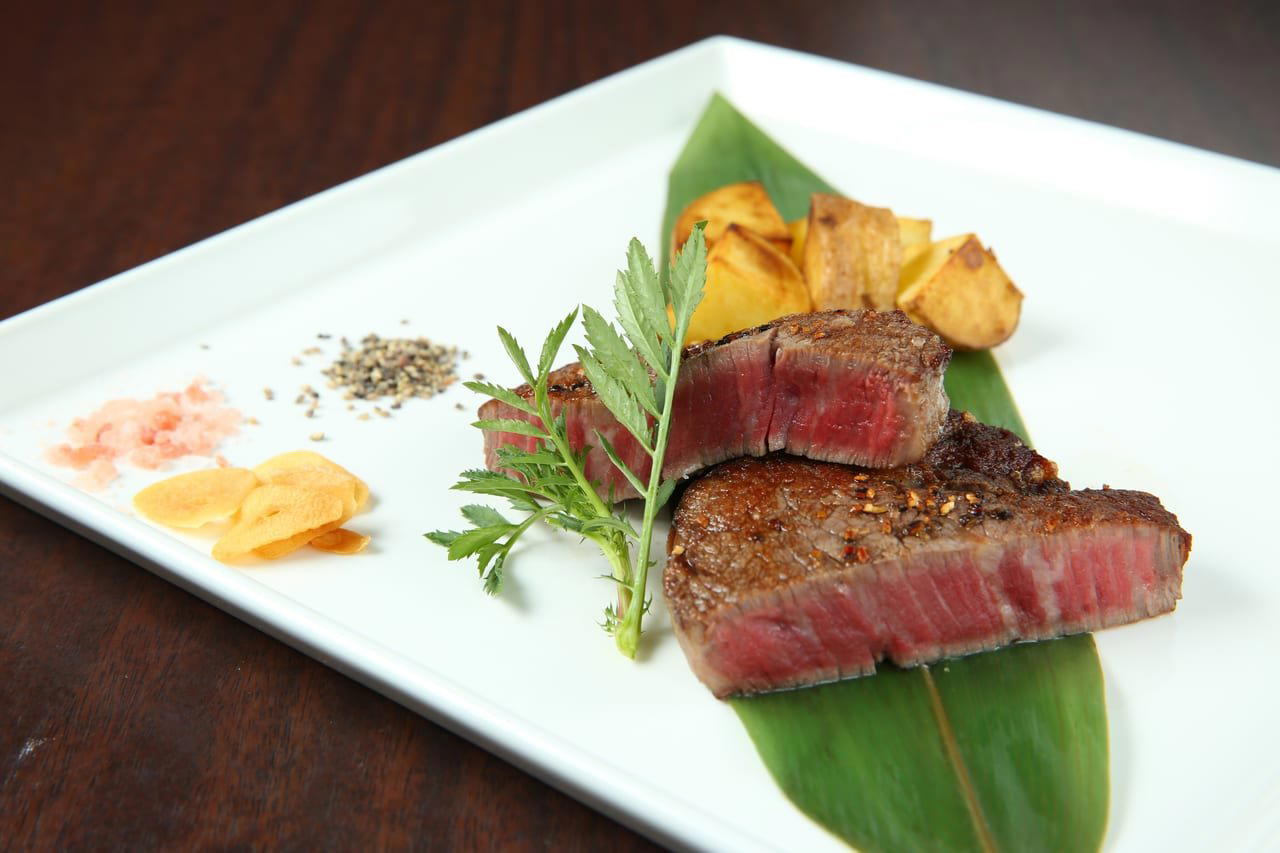
- Halal Kobe Beef Steak
- Hoba Yaki
- Sukiyaki
Kitanagasa and the Logic of Kobe's Most Cosmopolitan Address
Kobe has never quite belonged to the standard Japan dining narrative. Where Tokyo accumulates Michelin stars through sheer density and Kyoto trades on kaiseki tradition, Kobe operates on a different set of coordinates. The city opened to foreign trade in 1868, and the resulting mix of German, British, and Chinese merchant communities left something more than architecture. It left a dining culture that moves between registers with less self-consciousness than almost anywhere else in Japan. Kitanagasa, the district where Tsuki Usagi sits, is the most concentrated expression of that character. The streets here hold wine bars, French bistros, and longstanding Japanese counters within a few minutes of each other, and the clientele navigates between them without the category anxiety that can make dining decisions in other Japanese cities feel like cultural commitments.
Tsuki Usagi occupies the eighth floor of a building at 2-11-5 Kitanagasadori in Chuo Ward, a vertical position that already signals something about its relationship to the street. Ground-floor Kobe dining tends toward the visible and the transactional. The upper floors, particularly in this part of the city, belong to places that prefer a degree of remove from foot traffic. That remove is not exclusivity for its own sake but a practical filtering mechanism: it selects for guests who have already decided to come rather than those who walked past and noticed a window.
Where Tsuki Usagi Sits in Kobe's Dining Scene
Kobe's restaurant scene covers more ground than the city's modest international profile might suggest. At one end, Aragawa operates as one of Japan's most serious and expensive steakhouses, its reputation built over decades on Tajima beef prepared with minimal intervention. At another, Ca Sento represents the city's comfort with Spanish cooking in a way that would feel incongruous in a more tradition-bound city. Ash Restaurant and Fushin occupy positions in the contemporary Japanese and kaiseki-adjacent registers, while fuxing reflects the city's persistent Chinese culinary influence. Tsuki Usagi sits within this mix as a Kitanagasa address, which places it in the part of the city most accustomed to the coexistence of traditions.
The Kansai region as a whole has become one of Japan's most compelling dining corridors. HAJIME in Osaka operates at a different price tier and formality level. Gion Sasaki in Kyoto anchors the kaiseki tradition with significant critical weight. akordu in Nara brings a European framework to a city otherwise defined by its temples. Against this regional backdrop, Kobe's contribution is less about a single dominant style and more about a plurality of approaches that reflect the city's trading-port history. Tsuki Usagi's Kitanagasa location places it at the centre of that plurality.
The Neighbourhood as Context
Kitanagasa functions as Kobe's most self-contained dining and drinking district. The Ijinkan, the preserved foreign merchant residences on the hillside above, draw visitors to the area during the day, but by evening the district runs on its own logic. Restaurants here draw from a local professional clientele, Osaka day-trippers who come specifically for Kobe's port-city atmosphere, and the occasional international visitor who has been pointed away from the more obvious Kyoto-Tokyo axis. The competition for that audience is real. A single city block in this area can hold places spanning three or four different culinary traditions at comparable price points, which means venues that survive do so on the strength of their specific proposition rather than on neighbourhood monopoly.
The eighth-floor position means arriving at Tsuki Usagi involves a transition that most ground-floor restaurants do not require. An elevator ride is a small ritual, but it functions as one: it marks the moment when street-level Kobe is exchanged for whatever the room above offers. Cities with strong rooftop or upper-floor dining cultures, from Hong Kong to São Paulo, have long understood that the view is only part of what those rooms sell. The other part is the sensation of having left the street deliberately. In Kobe's case, where the street itself is already interesting, that deliberateness carries weight.
Kobe in the Wider Japan Dining Context
For visitors arriving from Tokyo, the shift in register is noticeable. Harutaka in Tokyo represents the kind of precision-focused, counter-format sushi that the capital has made its most internationally recognised dining export. Kobe's leading tables are less focused on a single format and more on the city's particular mixture of comfort with outside influence. Further afield, Goh in Fukuoka and destinations like 三本木 魚川製 in Nanao, 夕佳亭山乃 in Sapporo, 湖畔荘 in Takashima, and 鳥羽屋 in Nishikawa Machi each demonstrate how Japan's dining depth exists well outside the major metropolitan centres. Kobe belongs to that second tier of cities that reward diners willing to move beyond the standard itinerary. For reference points outside Japan, the precision and intention that serious diners bring to places like Le Bernardin in New York City or Atomix in New York City translates directly to how Kobe's better tables handle their own craft, even if the formats differ entirely. Birdland in Sakai offers another data point for how the Kansai region sustains serious dining outside of its most celebrated cities.
Planning a Visit
Tsuki Usagi is located on the eighth floor at 2-11-5 Kitanagasadori, Chuo Ward, Kobe, in the Kitanagasa district. The area is walkable from Motomachi Station and sits below the Kitano Ijinkan hillside quarter, making it a natural anchor for an evening that begins with a walk through the preserved foreign settlement. For a broader orientation to Kobe's dining scene, the full Kobe restaurants guide covers the city's range from steakhouses to contemporary Japanese counters.
Frequently asked questions
Where exactly is Tsuki Usagi?
Tsuki Usagi is located at Japan, 〒650-0012 Hyogo, Kobe, Chuo Ward, Kitanagasadori, 2 Chome−11−5 Grand COAST 8F, Kobe.
Is Tsuki Usagi a good option for a dinner stop while exploring Kobe's Kitanagasa district on foot?
Tsuki Usagi's address at 2-11-5 Kitanagasadori places it directly inside the Kitanagasa district, which is walkable from Motomachi station and sits at the base of the Ijinkan hillside quarter. The eighth-floor location means it functions less as a casual drop-in and more as a destination within an evening's itinerary through the neighbourhood. For visitors working through Kobe's Chuo Ward on foot, the building is a logical anchor point.
What should I order at Tsuki Usagi?
The Kitanagasa district context — where the restaurant sits on the eighth floor at 2-11-5 Kitanagasadori — suggests a focused, considered menu rather than a broad à la carte format. Asking the kitchen directly at the time of your visit is the most reliable approach.
Do they take walk-ins at Tsuki Usagi?
No booking policy is publicly listed for Tsuki Usagi, and with an eighth-floor address in the compact Kitanagasa district, capacity is likely limited. Walk-in availability will depend heavily on the night and season. Arriving early in the evening or visiting on a weeknight gives the best chance if you have not reserved ahead.
What do critics highlight about Tsuki Usagi?
No named critical reviews or award citations are currently documented for Tsuki Usagi. The venue's position in Kitanagasa — Kobe's most internationally layered dining and drinking district — places it within a neighbourhood that draws attention from food writers covering the Kansai region. Its eighth-floor address in Chuo Ward is a concrete point of distinction within that local scene.
Can Tsuki Usagi handle vegetarian requests?
No dietary accommodation details are published for Tsuki Usagi. Given the absence of a listed website or phone number, the most direct route is to contact the venue through the building at 2-11-5 Kitanagasadori, Chuo Ward, Kobe, before your visit. Kitanagasa restaurants as a group vary widely in their flexibility, so confirming in advance is sensible.
Cuisine and Credentials
Comparable venues nearby, for context on price, style, and recognition.
| Venue | Cuisine | Price | Awards | Notes |
|---|---|---|---|---|
| Tsuki UsagiThis venue — the venue you are viewing | Halal Kobe Beef Japanese | $200–300 | Not listed | Not listed |
| Kobe Steak Restaurant Mouriya Lin | Teppanyaki Kobe Beef Steakhouse | $150–200 | Not listed | Chūō |
| Kobe Beef TANRYU | Kobe Beef Teppanyaki | $150–200 | Tabelog Bronze #454 | Chūō |
| kobe-Beef Steak Ishida.sannomiya-Shop | Kobe Beef Teppanyaki | Not listed | Not listed | Chūō |
| Aburi Niku Kobo Wakkoqu Kitano Sakamoto Ten | Kobe beef teppanyaki steakhouse | $100–150 | Tabelog 100 #62 | Chūō |
| Aragawa | Kobe Beef Steakhouse | $300–500 | Not listed | Chuo-ku |