Our verdict
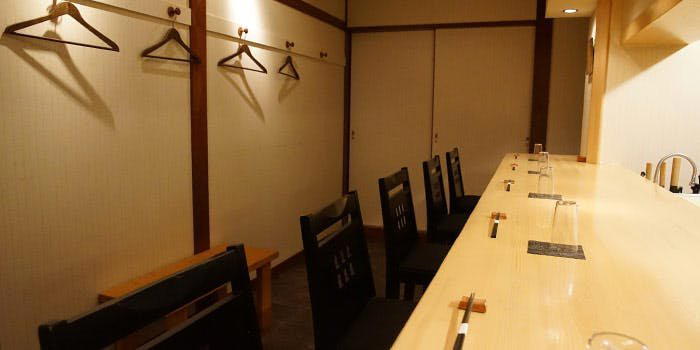
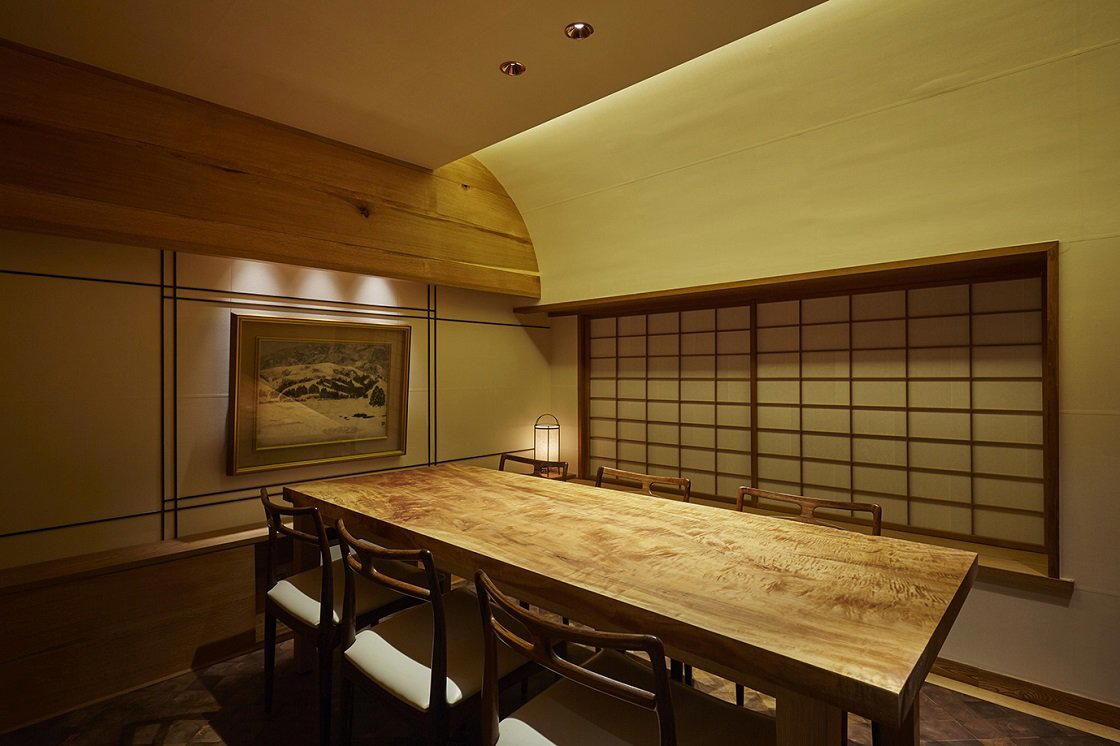
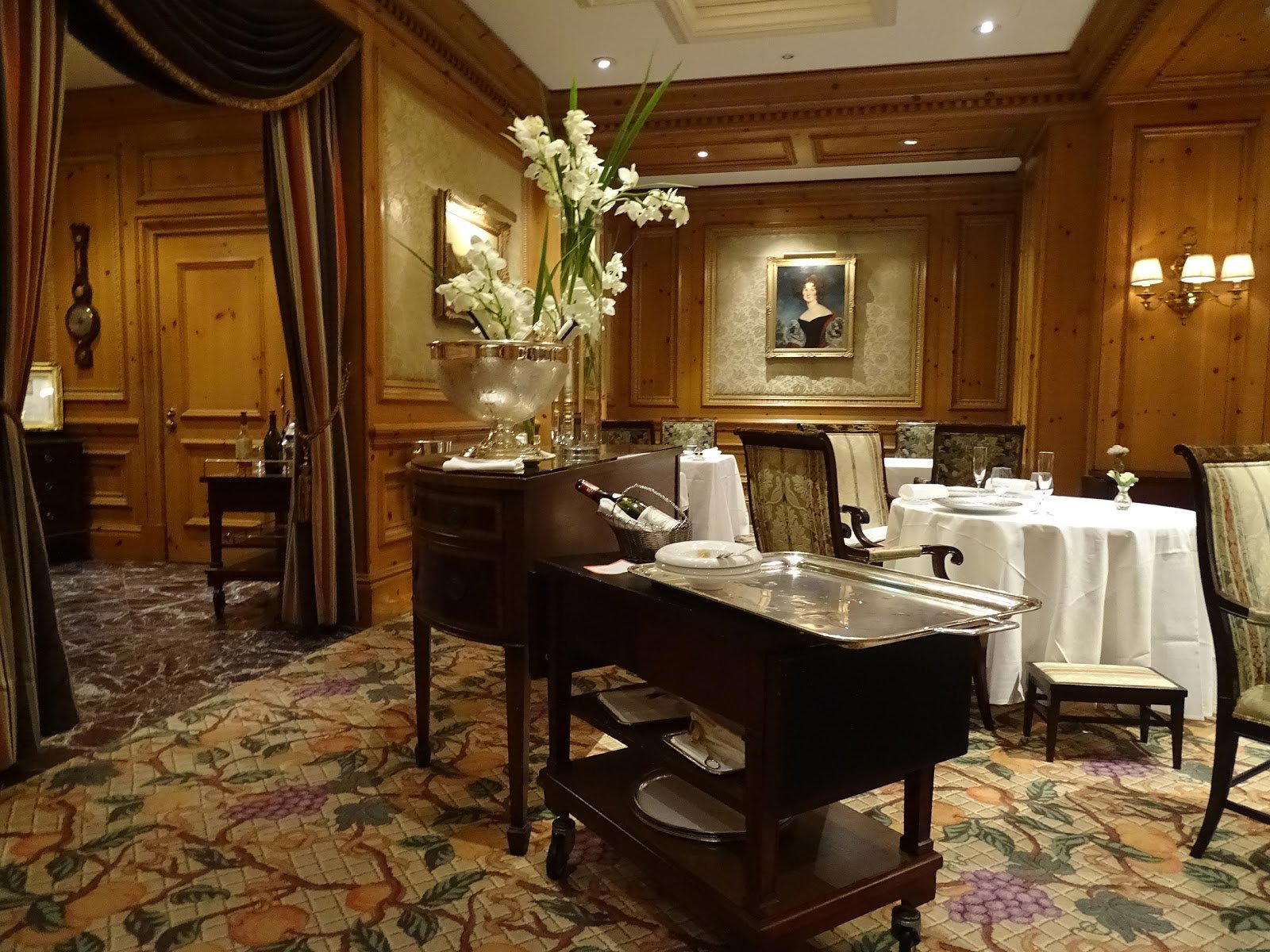
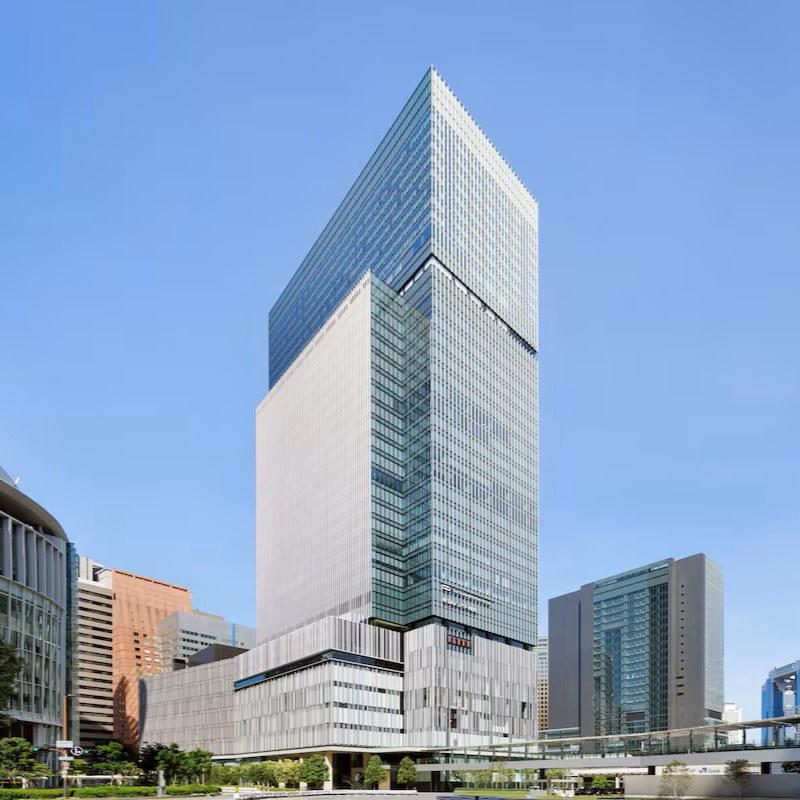
Located on the ninth floor of Daimaru Kobe in Chuo Ward, Sandayahonten Steak House is one of the city's established addresses for Kobe beef served in a formal dining format. The restaurant sits within a department store setting that has long anchored premium dining in central Kobe, positioning it alongside the city's broader tradition of high-grade beef culture rather than apart from it.

Pearl is the En Primeur Club membership app, where members save venues, book tables and use the concierge.

Beef Culture and the Department Store Dining Floor
In Kobe, the intersection of premium beef and formal restaurant dining has a geography of its own. The upper floors of department stores like Daimaru have historically housed some of the city's most serious restaurants, a format that dates to the postwar rebuilding of Japanese urban retail and reflects a particular logic: concentrated foot traffic, controlled environments, and a clientele accustomed to deliberate spending. Sandayahonten Steak House occupies the ninth floor of the Daimaru Kobe building in Akashimachi, Chuo Ward, within this established tradition rather than outside it.
Kobe's reputation for beef is not simply a marketing construct. The city's port history facilitated early exposure to Western-style cattle consumption in the Meiji period, and the surrounding Tajima cattle region produces the Wagyu that underpins the city's premium steak houses. A restaurant operating under the Sandayahonten name in this location is participating in a dining culture with real historical depth, one that places considerable weight on the ritual of the meal itself: how the beef is presented, sliced, cooked, and paced across the table.
The Architecture of a Teppanyaki or Steak Service
The dining ritual at a Kobe steak house of this tier tends to follow a recognizable cadence, whether the format is teppanyaki or table service. The meal begins with lighter courses, sometimes a salad or soup, before the primary cut arrives. The beef itself is the structural center of the experience, and competent staff typically walk guests through the grade, provenance, and suggested preparation before cooking begins. This is not ceremonialism for its own sake; it reflects the genuine complexity of Wagyu fat distribution, which changes the cooking window considerably compared with leaner Western cuts.
At teppanyaki counters across Kobe, the spatial relationship between the cook and the diner is part of the service design. Guests sit at or near the cooking surface, which means the Maillard reaction plays out in front of them, not behind a kitchen door. The smell of Wagyu fat rendering at high heat, the visual of a thick cut developing its crust, and the brief resting period before carving are all experienced in real time. This transparency is a feature of the format, not incidental to it. It also places additional pressure on execution: there is no concealment of technical decisions.
Kobe's steak houses sit within a broader Kansai dining culture that values precision and restraint. Compared with, say, the theatrical excess sometimes found at high-end American steakhouses, the Kobe format tends toward understatement in service style while investing heavily in ingredient sourcing. The beef carries the weight; the room and the staff support without overshadowing. For comparison, restaurants like Aragawa have built long-term reputations in Kobe on exactly this principle, letting the quality of the Wagyu speak with minimal intervention.
Situating Sandayahonten Within Kobe's Beef Dining Tier
Kobe's premium steak addresses range from small, counter-only rooms that require advance reservations to hotel dining rooms and department store restaurants with broader capacity. Each segment attracts a different kind of diner: the former rewards those who plan far ahead and prioritize intimate, singular meals; the latter serves business entertaining, family milestones, and visitors who want the Kobe beef experience without the weeks-long booking lead time that the smallest rooms require.
The Daimaru location places Sandayahonten in the more accessible segment of this tier without removing it from the premium category. Department store restaurants in Japan are rarely casual; the expectations around service, presentation, and ingredient quality remain high across the category. For visitors to Kobe who want to experience the city's beef culture in a setting that does not require months of planning, this kind of address functions as a reliable point of entry into the tradition.
Kobe's dining scene extends well beyond beef, with strong representation in Spanish cuisine at places like Ca Sento, contemporary formats at Ash Restaurant, and specialized kaiseki at Fushin. Chinese cuisine also has a distinct footprint in the city, with fuxing representing the Nankinmachi tradition. But beef remains the category most associated with Kobe internationally, and the steak house format remains its most direct expression.
For broader regional context, the Kansai dining corridor includes addresses like HAJIME in Osaka and Gion Sasaki in Kyoto, both operating at the top of their respective categories. Further afield, Harutaka in Tokyo and akordu in Nara illustrate how the Kansai region's premium dining culture connects to broader national and international influences. Within Japan's wider geography, serious dining addresses also include Goh in Fukuoka and more specialized regional venues like 一本木 猟川製 in Nanao, 夕仙山乃 in Sapporo, 湖辺庵 in Takashima, 庄羽屋 in Nishikawa Machi, and Birdland in Sakai.
Planning Your Visit
Sandayahonten Steak House is located on the ninth floor of the Daimaru Kobe department store at 40 Akashimachi, Chuo Ward, Kobe, Hyogo, 650-0037. The Daimaru building sits in central Kobe, within walking distance of Motomachi Station and Kobe Station, making it direct to reach by rail from Osaka or Kyoto. Department store dining floors in Japan typically operate on the store's hours with slight variation for restaurants; confirming current opening times directly with the venue before visiting is advisable, particularly on public holidays when schedules may differ.
As with most premium steak houses in Kobe, contacting the restaurant in advance is the reliable approach for securing a table, especially for weekend evenings or larger groups. Phone contact or in-person inquiry at the restaurant floor is the standard method in the absence of an online booking system. Dress expectations at this category of venue lean toward smart casual at minimum; business attire is appropriate and consistent with the department store dining floor context.
For a broader view of where this venue sits within the city's dining options, see our full Kobe restaurants guide. For international reference points on high-precision protein-focused dining, Le Bernardin in New York City and Atomix in New York City illustrate how comparable attention to technique and sourcing plays out in different culinary traditions.
Frequently asked questions
How do I find Sandayahonten Steak House - Daimaru Kobe?
Sandayahonten Steak House - Daimaru Kobe is located at Japan, ã650-0037 Hyogo, Kobe, Chuo Ward, Akashimachi, 40 大丸ç¥æ¸åº 9éã¬ã¹ãã©ã³ããã¢, Kobe.
Is Sandayahonten Steak House at Daimaru Kobe suitable for a special-occasion dinner in Kobe?
The ninth-floor location within Daimaru Kobe places it among the city's established department store dining venues, a format that in Japan has long served milestone meals: anniversaries, business entertaining, and family celebrations. Kobe itself is the origin city for Japan's most closely certified beef designation, which gives a focused steak dinner here a geographic logic that restaurants in other cities cannot replicate. For group bookings or event enquiries, reaching the venue directly through the Daimaru Kobe store is the recommended route given no standalone booking platform is currently listed.
What should I order at Sandayahonten Steak House - Daimaru Kobe?
Sandayahonten sits within Kobe, the city whose name defines one of Japan's most regulated beef designations, so the steak course is the clear focus. Kobe beef must meet strict grading thresholds under the Kobe Beef Marketing and Distribution Promotion Association, meaning what arrives on the plate carries verifiable provenance. Specific current menu items are best confirmed directly with the restaurant before your visit, as seasonal availability applies to certified Kobe beef supply.
How far ahead should I plan for Sandayahonten Steak House - Daimaru Kobe?
The restaurant occupies the ninth floor of Daimaru Kobe at 40 Akashimachi, Chuo Ward, a department store dining floor that draws both local regulars and visitors to the city. Formal steak houses at this tier in Kobe typically fill on weekends and during peak travel periods, particularly Golden Week and the autumn season. Contacting the venue directly for reservation windows is advisable; the restaurant does not currently list online booking details.
What has Sandayahonten Steak House - Daimaru Kobe built its reputation on?
The restaurant operates within Daimaru Kobe, a department store whose upper-floor dining tenants are held to consistent standards of service and ingredient sourcing by the operator. In Kobe's premium beef dining tier, position inside a major department store signals a particular model: formal table service, structured meal cadences, and proximity to a high-traffic retail environment that demands reliable quality across a broad clientele. The Sandayahonten name links the venue to a steak house lineage rooted in the city that gave certified Kobe beef its commercial identity.
Do they accommodate allergies at Sandayahonten Steak House - Daimaru Kobe?
Japanese formal steak houses at the department store dining level generally handle dietary requests through advance notice rather than menu substitution at the table. Contacting Daimaru Kobe's restaurant floor directly before your reservation is the most reliable approach for communicating specific requirements.
Cost Snapshot
Comparable venues nearby, for context on price, style, and recognition.
| Venue | Cuisine | Price | Awards | Notes |
|---|---|---|---|---|
| Sandayahonten Steak House - Daimaru KobeThis venue (the venue you are viewing) | Teppanyaki Kobe Beef Steakhouse | $50–100 | Not listed | Not listed |
| Steak House Oriental (Kobe Meriken Paku Oriental Hotel ) | Kobe beef teppanyaki steakhouse | $150–200 | Tabelog 100 #58 | Chūō, Kobe beef teppanyaki steakhouse |
| baron | Kobe beef charcoal-grilled steakhouse | $200–300 | Tabelog 100 #32 | Chūō, Kobe beef charcoal-grilled steakhouse |
| Kobe Plaisir Honten | Kobe beef teppanyaki & Hyogo vegetables | $50–100 | Tabelog 100 #66 | Chūō, Kobe beef teppanyaki & Hyogo vegetables |
| Daiei | Traditional Kobe Beef Teppanyaki Steakhouse | $50–100 | Tabelog 100 #64 | Nada, Traditional Kobe Beef Teppanyaki Steakhouse |
| Setsugekka | Kobe Beef Teppanyaki | $100–150 | Not listed | Chūō, Kobe Beef Teppanyaki |