
Tabelog 100 #32
Our verdict
baron sits in Kobe’s serious beef conversation rather than the casual steakhouse lane, with a Tabelog 100 Steak / Teppanyaki WEST 2025 selection and a dinner spend in the JPY 30,000–39,999 range. The appeal is Kobe beef handled through a compact, reservation-led format, with traceable cattle details and a room scaled for close attention rather than volume.

Pearl is the En Primeur Club membership app — saves, bookings, and concierge access live there. Same editors, same standards.
The menu
What to order
- Charcoal-grilled Kobe beef tenderloin steak
- Charcoal-grilled Kobe beef sirloin steak
- Kobe beef rump and top round steak
- Kobe beef consommé
- European-style Kobe beef curry
Hunter-zaka changes tone as it climbs from Sannomiya: fewer shopfronts, more upper-floor rooms, and the kind of Kobe dining geography where a restaurant feels private without turning theatrical. Here, baron belongs to the city’s serious beef culture, shaped by proximity to Tajima cattle, teppanyaki tradition, and a local audience able to separate branding from sourcing discipline.
Abroad, Kobe beef is often flattened into luxury shorthand; in Kobe, the category is more exacting. The question is not just certification, but how a restaurant treats lineage, age, grade, cut, fat quality, and cooking format. Here the evidence is technical: recent cattle notes identify female Kobe beef with A5 grading, BMS scores where listed, producer names, individual identification numbers, carcass weights, and cuts including sirloin, ribeye, rump, ichibo, inner flat, and non-vacuum fillet.
Kobe beef treated as provenance, not theatre
Kobe has two parallel steak traditions. One is performance-led teppanyaki, built around the counter, hot plate, and watching a cook manage fat and heat in real time. The other is provenance-led beef dining, where the room matters less than the purchase: which animal, cut, producer, and condition. baron sits closer to the second camp, while remaining within the wider steak and meat-dish category.
That distinction matters because the Kobe name carries global currency. Restaurants can trade on the city’s beef reputation with little explanation; stronger rooms make the supply chain legible. Recent listed cattle include animals raised by producers in Sanda City, with MUFA and OA values shown for several entries. These are not decorative numbers: they indicate fatty-acid composition and oleic-acid markers used by Japanese beef specialists to judge texture and richness beyond headline grade.
Selection by Tabelog 100 Steak / Teppanyaki WEST in 2025 gives baron a credible external signal within western Japan’s steak and teppanyaki field. This is not Michelin-style fine-dining recognition, and should be read as category depth, user-driven Japanese dining culture, and regional comparison inside a beef-heavy bracket. The same recognition appears in 2024 and 2022, suggesting consistency rather than a single-season spike.
Within Kobe, this places baron in a higher-spend beef lane than casual meat houses and burger counters, while avoiding broader Italian or bar categories elsewhere in the city. For trip mapping, the contrast helps: Aburi Niku Kobo Wakkoku Shinkobe ten and Aburi Niku Kobo Wakkoqu Kitano Sakamoto Ten share the Kobe beef orbit, while Akari, Ali's Halal Kitchen, and Akaneya Coffee Ten show how quickly the city shifts from formal meat dining to neighborhood food and old-school coffee culture.
A compact room changes the rhythm of steak dining
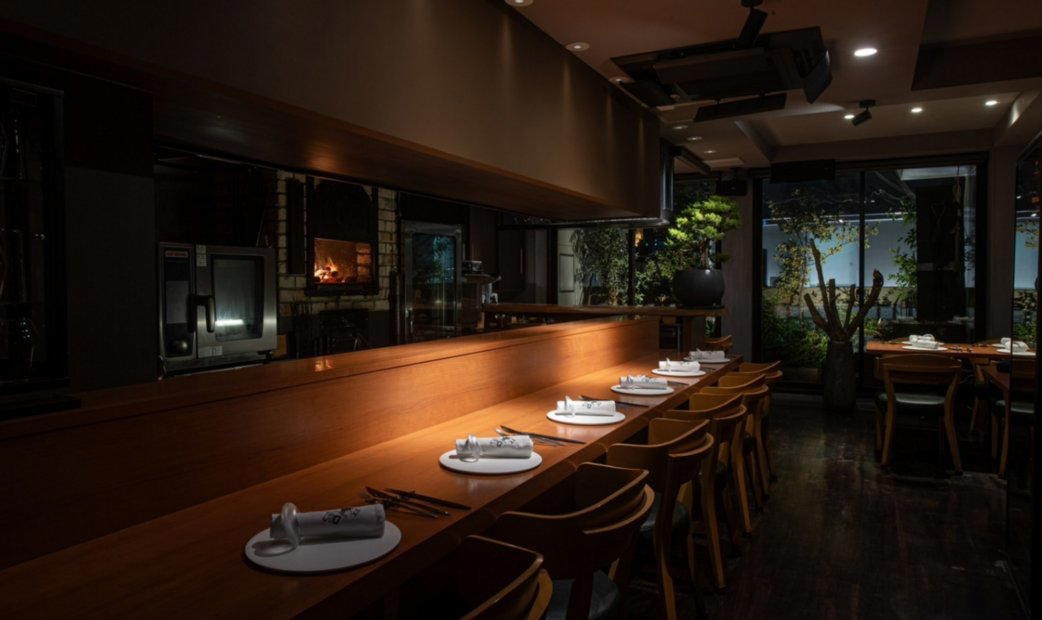
Small beef restaurants in Japan work differently from large hotel teppanyaki rooms. Fewer seats compress the experience: pacing tightens, cooking decisions become more visible, and the meal relies less on spectacle than sequencing. A compact counter-and-table format suits Kobe beef, whose richness can overwhelm if treated as abundance alone.
The stronger move is structural restraint. Rather than presenting Kobe beef as an all-purpose luxury ingredient, the format focuses attention on cut selection and portion logic. Rump and ichibo show a leaner, more structured side of wagyu; sirloin and ribeye carry familiar fat-driven appeal; fillet, especially outside vacuum aging, sits in a controlled, texture-focused lane. This range matters because serious Kobe beef dining is not one flavor profile, but a negotiation between fat, tenderness, aroma, and tolerance for richness.
Drinks point to a hybrid Japanese steakhouse rather than a purely wine-driven Western model: wine, shochu, and cocktails are all in play. That fits Kobe’s beef rooms, which absorb international cues while staying Japanese in pacing and texture sensitivity. Pairing need not imitate Bordeaux-and-steak orthodoxy; shochu can be a cleaner counterweight to highly marbled beef.
For broader planning, Kobe rewards category separation. Use Our full Kobe restaurants guide for dining context, then split the stay through Our full Kobe hotels guide, Our full Kobe bars guide, Our full Kobe wineries guide, and Our full Kobe experiences guide. The city is compact enough to combine a formal beef dinner with a bar night, Kitano walk, or harbor-side hotel stay without making the evening a transport exercise.
Where it fits in a Japan beef itinerary
Kobe is not Japan’s only place for serious beef, but it has a cultural advantage: city name and product name are inseparable. That makes better local restaurants more accountable. A Tokyo dining room can serve premium wagyu under a broader luxury umbrella; a Kobe restaurant must answer diners who came for the city’s defining ingredient.
Against out-of-metro steak houses such as Arakawa, which occupies a higher listed spend band and a yoshoku-European frame, baron reads as a Kobe-specific choice rather than a general luxury steak appointment. It is also distinct from Ristorante Hanatani, where Italian structure changes the meal’s grammar, and Bar Le Salon, where after-dark culture outranks beef provenance. The decision is clear: this is for diners who want the beef category to carry the evening.
Travelers building a wider Japan food map can place it beside other tightly defined formats without treating them as equivalent. -Grilled beef Sukiyaki- KAMAKURA TANUKIAN 鎌倉 たぬき庵 in Kamakura belongs to sukiyaki; 鮪と炭火焼き うお炭 秋葉原店 in Tokyo works tuna-and-charcoal;.cafe in Osaka.know in Kumamoto, (Shoku) Vietnam in Kawasaki, and [Curry Senmon Ten] Maruyama Kyoju. in Sapporo show how format-specific Japanese dining can be across cities. For North American reference points, Jōdo Saké Bar in Los Angeles and Onigiri Time in Pasadena sit in different categories entirely, reminders that Japanese food abroad often narrows traditions into portable concepts.
The smart read is simple: choose baron when Kobe beef provenance is the point of the night. The draw is not maximal luxury language or chef mythology, but a compact Kobe room aligned with the city’s defining ingredient, backed by category recognition and unusually specific cattle information.
Frequently asked questions
What's the address for baron?
baron is located in Kobe.
Is baron expensive?
Pricing at baron is listed as JPY 30,000 - JPY 39,999.
Do they take walk-ins at baron?
The restaurant lists reservations and a dedicated reservation phone line, with last entry at 20:30 and seating for just 12. That setup points toward booking ahead rather than relying on walk-ins.
What has baron built its reputation on?
Its calling card is Kobe beef and steak, backed by selection in Tabelog Steak / Teppanyaki WEST 100 for 2025. The house sits in Kobe, where the product and the city name carry real weight, and the format is tight: 12 seats, including a six-seat counter.
Is baron good for vegetarians?
No, not as a primary choice. The listed focus is steak, beef dishes, and meat dishes, with no vegetarian-oriented menu category in the public record. Check the venue's official channels for the latest details.
Is baron suitable for children?
Yes, within limits. School-age children and strollers are welcome, but the venue asks families to consult in advance if younger children may conflict with existing reservations. The room is compact, with 12 seats total in Kobe's Sannomiya area.
Price and Recognition
Comparable venues at the same tier for side-by-side context.
| Venue | Cuisine | Price | Awards | Notes |
|---|---|---|---|---|
| baronThis venue (the venue you are viewing) | Kobe beef charcoal-grilled steakhouse | $200–300 | Tabelog 100 #32 | Not listed |
| Bifuteki no Kawamura Sannomiya honten | Kobe beef teppanyaki steakhouse | $150–200 | Tabelog 100 #85 | Chūō, Kobe beef teppanyaki steakhouse |
| Propeller | Kobe Steakhouse | $30–50 | Tabelog 100 #47 | Chūō, Kobe Steakhouse |
| Steak House Oriental (Kobe Meriken Paku Oriental Hotel ) | Kobe beef teppanyaki steakhouse | $150–200 | Tabelog 100 #58 | Chūō, Kobe beef teppanyaki steakhouse |
| Aburi Niku Kobo Wakkoqu Kitano Sakamoto Ten | Kobe beef teppanyaki steakhouse | $100–150 | Tabelog 100 #62 | Chūō, Kobe beef teppanyaki steakhouse |
| Teppanyaki Kokoro | Luxury Kobe Beef Teppanyaki | $100–150 | Tabelog 100 #41 | Chūō, Luxury Kobe Beef Teppanyaki |
Recognition history
Dated appearances from independent guides and award organizations, with the underlying list record or original source where available.
Tabelog 100 #32 · No. 32
Tabelog · Tabelog 100 - Steak / Teppanyaki - WEST - 2025
baron
Featured Guides
Continue exploring
More in Kobe
Restaurants in Kobe
All restaurants in Kobe →

Bars in Kobe
Browse all →

Details
- Intimate
- Elegant
- Quiet
- Sophisticated
- Special Occasion
- Date Night
- Business Dinner
- Celebration
- Solo
- Chefs Counter
- Open Kitchen
- Wine Cellar
- Standalone
- Design Destination
- Extensive Wine List
- Local Sourcing
- Farm To Table
- Set Menu
- Tasting Menu
- Counter Dining
- Wine
- Beer
- Spirits
- Vegetarian Friendly
- Allergy Accommodating
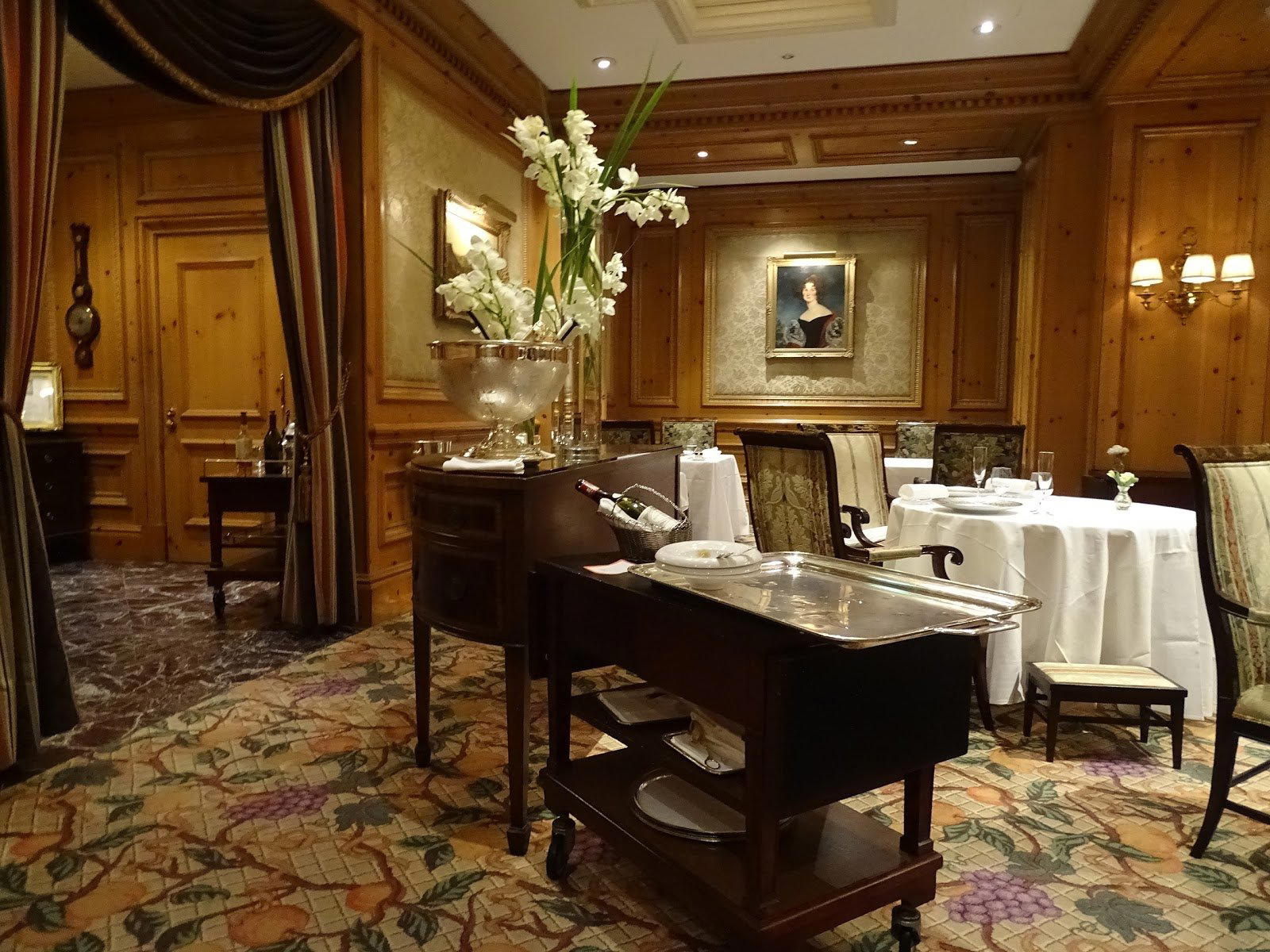
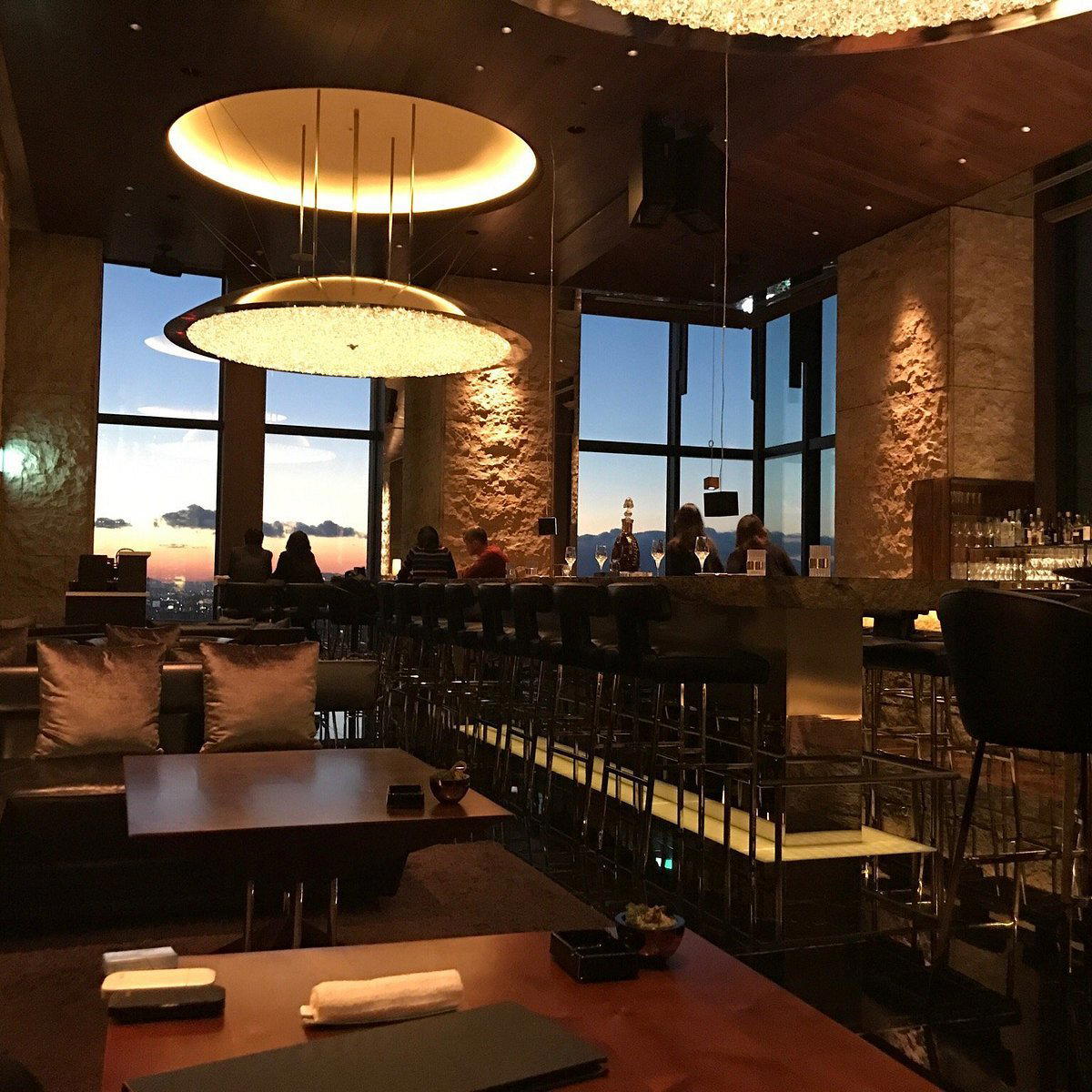
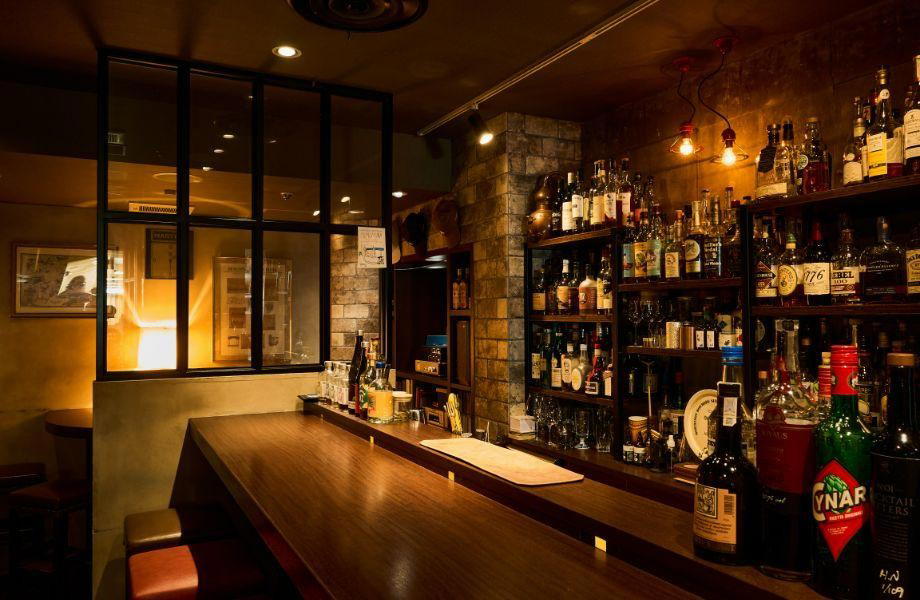
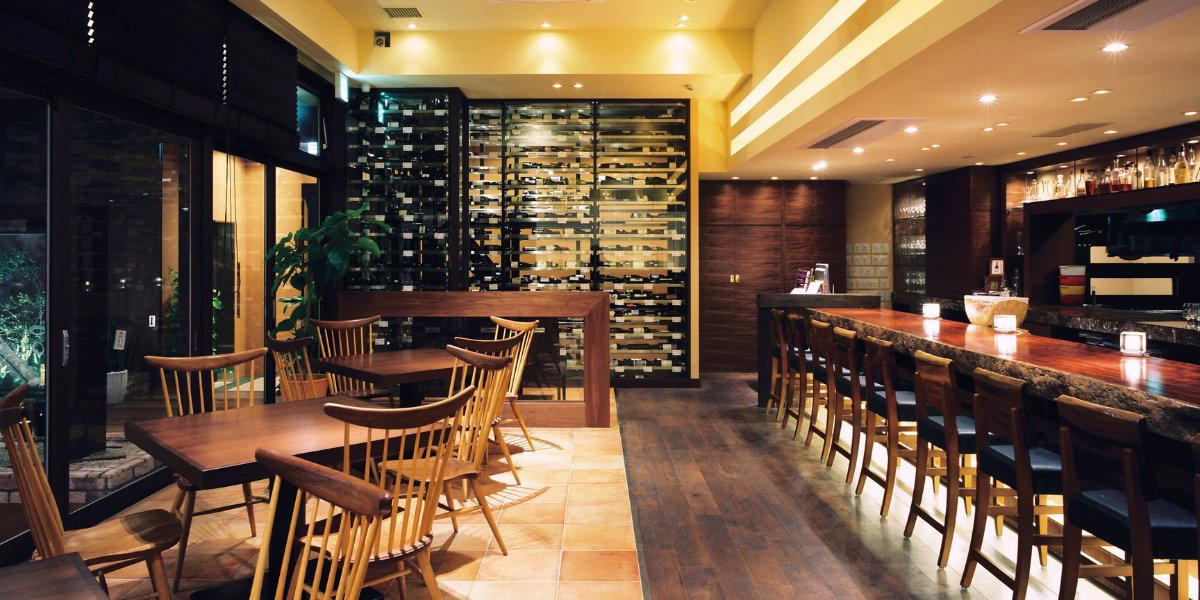
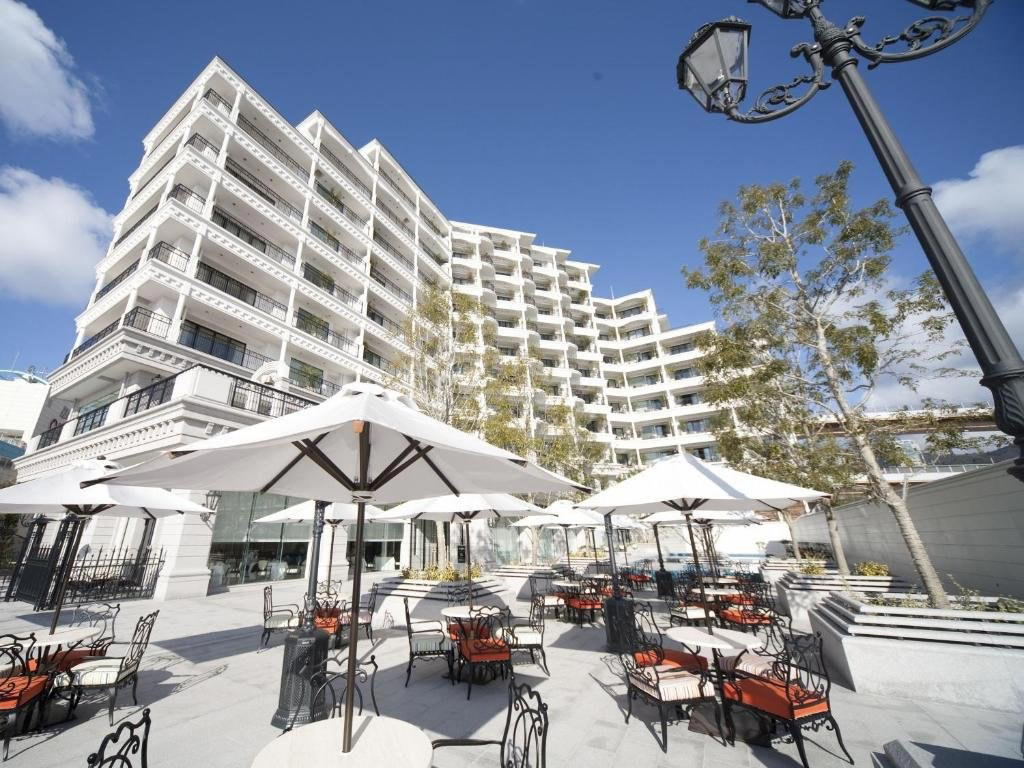
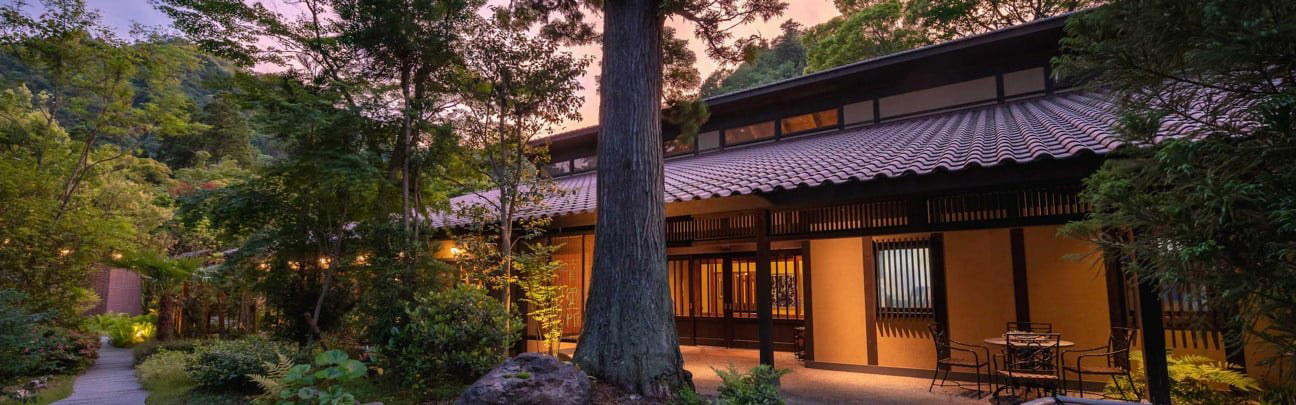
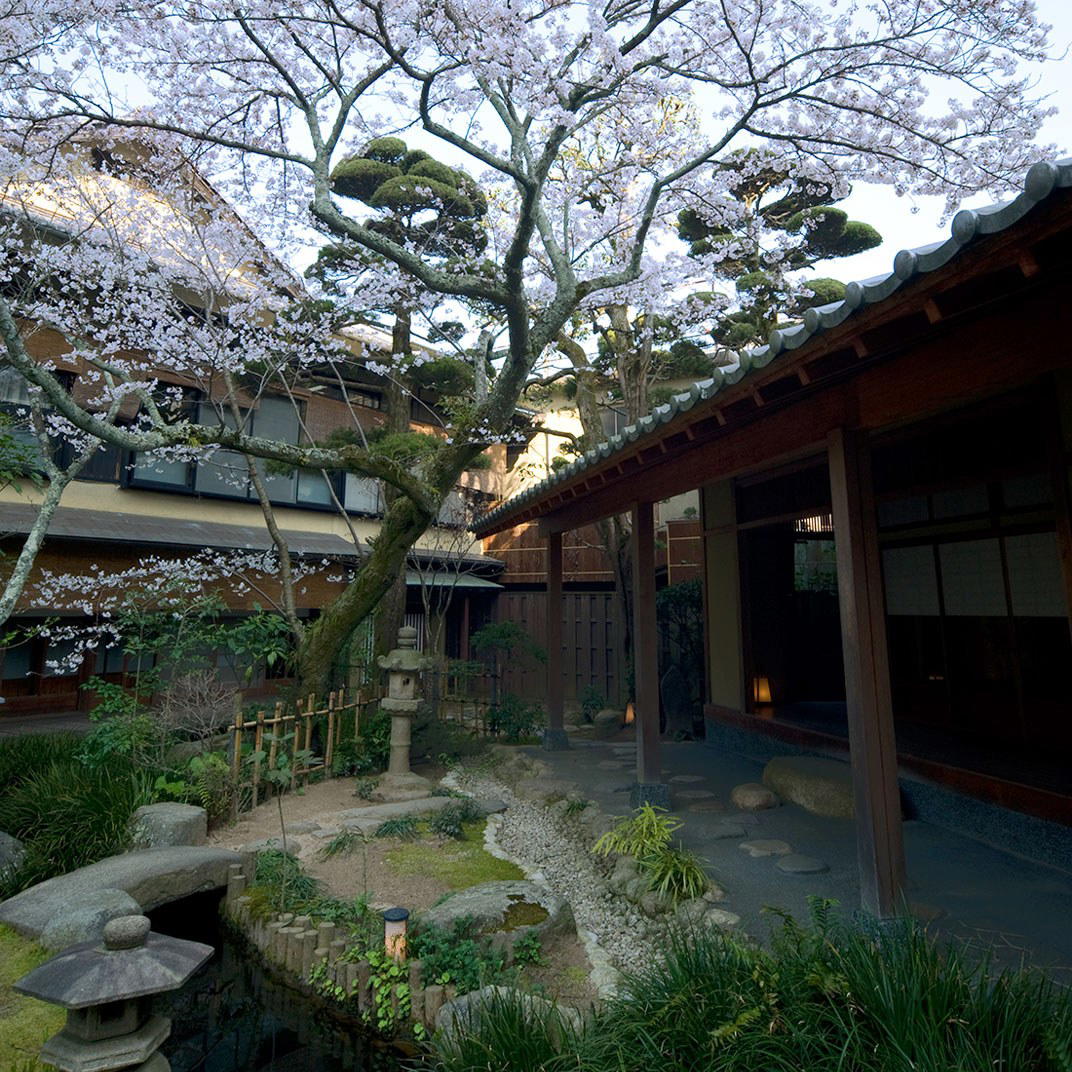
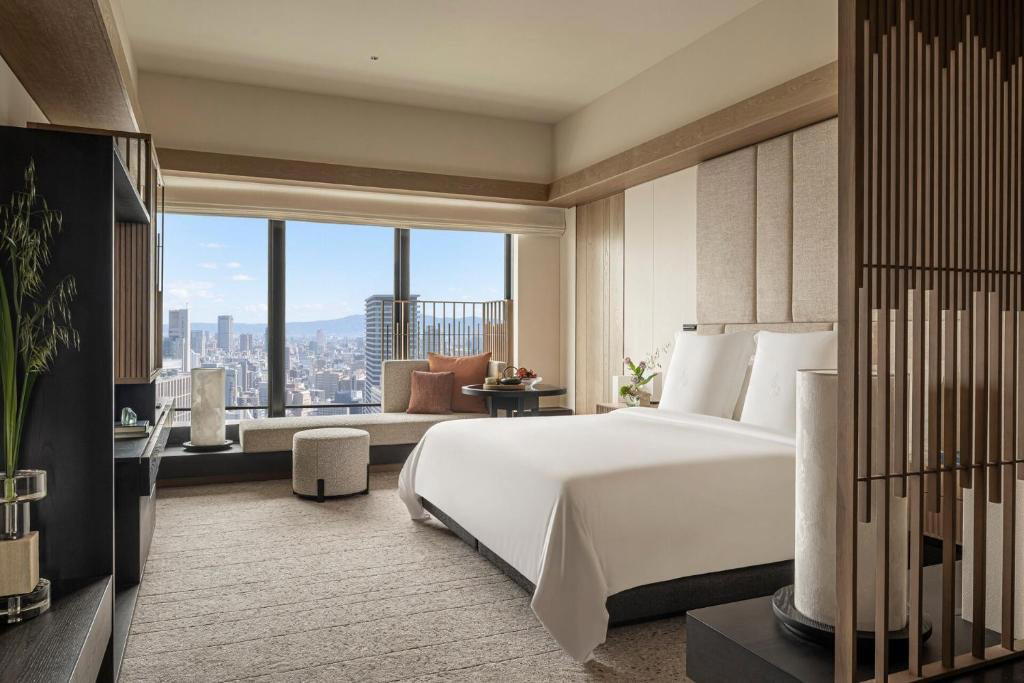
Small, quiet and refined; away from the bustle of Sannomiya, with counter and a few tables where guests focus on a leisurely Kobe beef course while the chef grills over Binchotan in an open charcoal oven.