

Kawashima sits in Nanao’s Ipponsugi district, where Ishikawa cooking reads through local supply lines rather than spectacle. Its Tabelog Silver Award 2025 and 4.37 score place it in a narrow regional tier, useful for travellers comparing Noto Peninsula dining against better-publicised city counters and ryotei rooms.
Pearl is the En Primeur Club membership app — saves, bookings, and concierge access live there. Same editors, same standards.
- Address
- 32-1 Ipponsugimachi, Nanao, Ishikawa 926-0806, Japan
- Phone
- +81 767-58-3251
- Website
- tabelog.com
- Directions
- Get directions
 Saves & bookings on Pearl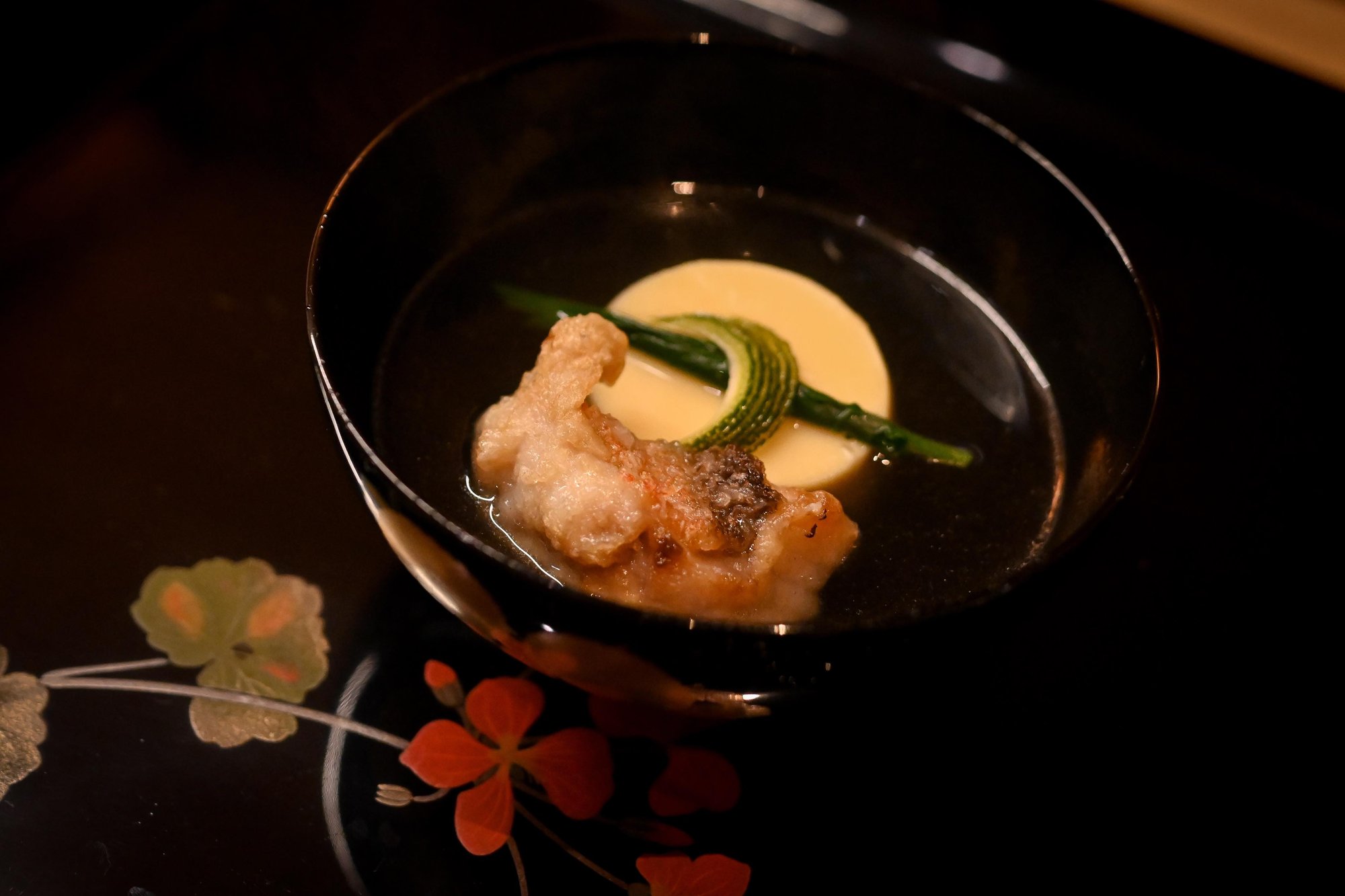
Ipponsugi is the right kind of setting for serious Ishikawa cooking: a historic Nanao street where commerce, craft, and domestic scale sit close together rather than separating into resort polish. That matters for a restaurant like Kawashima, because Noto Peninsula dining is rarely about imported theatre. The point is proximity: fishing ports, mountain vegetables, rice, fermented seasonings, and the habit of reading a meal through place before technique.
Nanao rewards travellers who look beyond the familiar Kanazawa circuit. The city’s dining culture has a quieter register, with fewer international signifiers and more dependence on local rhythm. Kawashima’s Tabelog Silver Award 2025 and 4.37 score put it in a selective bracket for Japanese cuisine in Ishikawa, but the useful lesson is not the number alone. It signals that regional Japanese cooking outside the obvious luxury corridors can hold the attention of serious domestic diners when sourcing and format are handled with discipline.
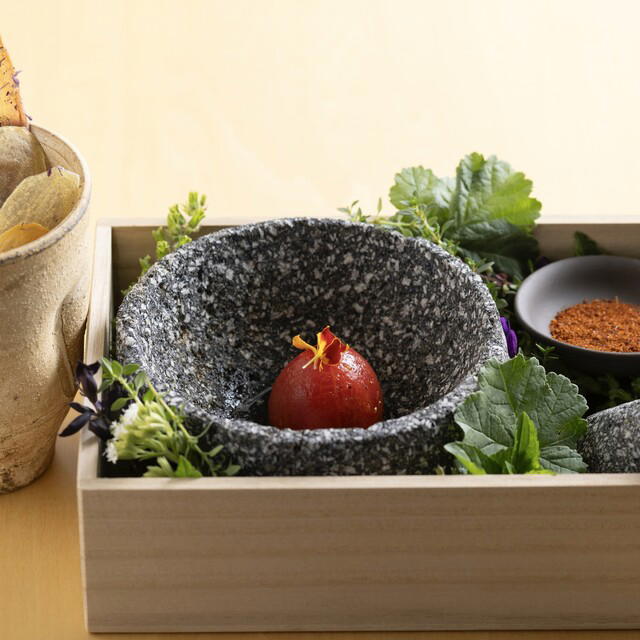
Noto ingredients, not big-city performance, define the meal
The strongest way to understand the table here is through ingredient geography. Ishikawa’s food identity is shaped by the Sea of Japan, the Noto Peninsula’s agricultural pockets, and a long culture of preservation. In this part of Japan, seasonality does not need a dramatic explanation; winter seafood, spring greens, summer vegetables, rice, miso, soy, and local sake traditions already carry the structure of a meal. A Japanese restaurant in Nanao is judged less by novelty than by whether those materials arrive with clarity and restraint.
Kawashima belongs to that register. The venue’s public recognition is for Japanese cuisine in Ishikawa, and that classification matters: it places the restaurant closer to regional washoku than to a tasting-menu concept built for international shorthand. In a market where travellers often chase sushi counters in Tokyo or kaiseki addresses in Kyoto, Nanao offers a different proposition. The pleasure is not speed, showmanship, or a famous chef narrative. It is the compression of local supply into a room small enough to make ingredient choice feel consequential.
That distinction also separates it from easier stops in the same city. Italian Gelato Cerchio and LE MUSEE DE H Wakura ten serve different parts of the Nanao day, while Villa della Pace and ヴィラ デラ パーチェ show how local produce can move through an Italian lens. Kawashima is the Japanese counterpoint: less useful as a casual pause, more relevant as a measure of how Noto ingredients read inside a traditional local frame.
Why Nanao changes the comparison set
Dining in Nanao should not be evaluated with the same assumptions applied to Ginza or Gion. The competitive set is smaller, the audience is more domestic, and the appeal is tied to the city’s position on the peninsula rather than to luxury clustering. A Tabelog Silver Award in this context has practical meaning for travellers: it marks a restaurant that has drawn sustained attention in a region where destination dining is more dispersed and where transport planning matters.
The city’s restaurant map is also unusually varied for its scale. Readers building a longer itinerary can use Our full Nanao restaurants guide for the wider table, then pair it with Our full Nanao hotels guide if staying overnight. Nanao’s hospitality scene is not just restaurant-led; the surrounding categories in Our full Nanao bars guide, Our full Nanao wineries guide, and Our full Nanao experiences guide help show whether the trip should be structured as a single meal, a coastal weekend, or part of a broader Ishikawa route.
For travellers comparing Japanese dining across the country, the point is not that Nanao imitates larger cities at lower volume. It offers a different reading of Japanese cuisine: rooted in place, less dependent on international branding, and closer to the agricultural and maritime sources that shape the plate. That makes 一本杉 川嶋 more interesting as part of a regional argument than as a trophy booking.
How to place it in a Japan dining itinerary
The planning question is whether Nanao is a detour or the spine of a trip. Travellers already moving through Ishikawa can treat Kawashima as a serious reason to spend time in the city rather than passing through. Those building a broader Japanese dining route may want to contrast it with category-specific addresses elsewhere: meat-focused dining such as -Grilled beef Sukiyaki- KAMAKURA TANUKIAN 鎌倉 たぬき庵 in Kamakura, urban casual formats like. 鮪と炭火焼き うお炭 秋葉原店 in Tokyo, and cafe culture through.cafe in Osaka. The contrast clarifies what Nanao does better than many larger markets: it keeps the region visible.
Other comparisons sharpen the point..know in Kumamoto, (Shoku) Vietnam in Kawasaki, and [Curry Senmon Ten] Maruyama Kyoju. in Sapporo each speak to Japan’s range of specialized formats, while overseas Japanese-adjacent stops such as Jōdo Saké Bar in Los Angeles and Onigiri Time in Pasadena show how far those categories travel once detached from local supply. Nanao’s advantage is the opposite: the food does not need to explain its origin because the origin is nearby.
The editorial case for Kawashima is therefore precise. It is for travellers who care about regional Japanese cooking, who read awards as signals rather than decoration, and who want Ishikawa beyond the usual urban shorthand. The restaurant’s recognition gives the booking weight; Nanao gives it context.
Snapshot
Comparable venues by cuisine and price in the same metro.
| Venue | Price | Notes |
|---|---|---|
| KawashimaThis venue — the venue you are viewing | Not listed | Not listed |
| Italian Gelato Cerchio | JPY 999 - JPY 999 View spending breakdown | JPY 999 - JPY 999 View spending breakdown |
| Okonomiyaki Hiranoya | JPY 2,000 - JPY 2,999 JPY 1,000 - JPY 1,999 | JPY 2,000 - JPY 2,999 JPY 1,000 - JPY 1,999 |
| LE MUSEE DE H Wakura ten | JPY 999 | JPY 999 |
Recognition history
Dated appearances from independent guides and award organizations, with the underlying list record or original source where available.
Tabelog Silver
Tabelog
The Japan Times Destination Restaurants Destination Restaurants Selection #7
The Japan Times Destination Restaurants
Continue exploring
More in Nanao
Restaurants in Nanao
Browse all →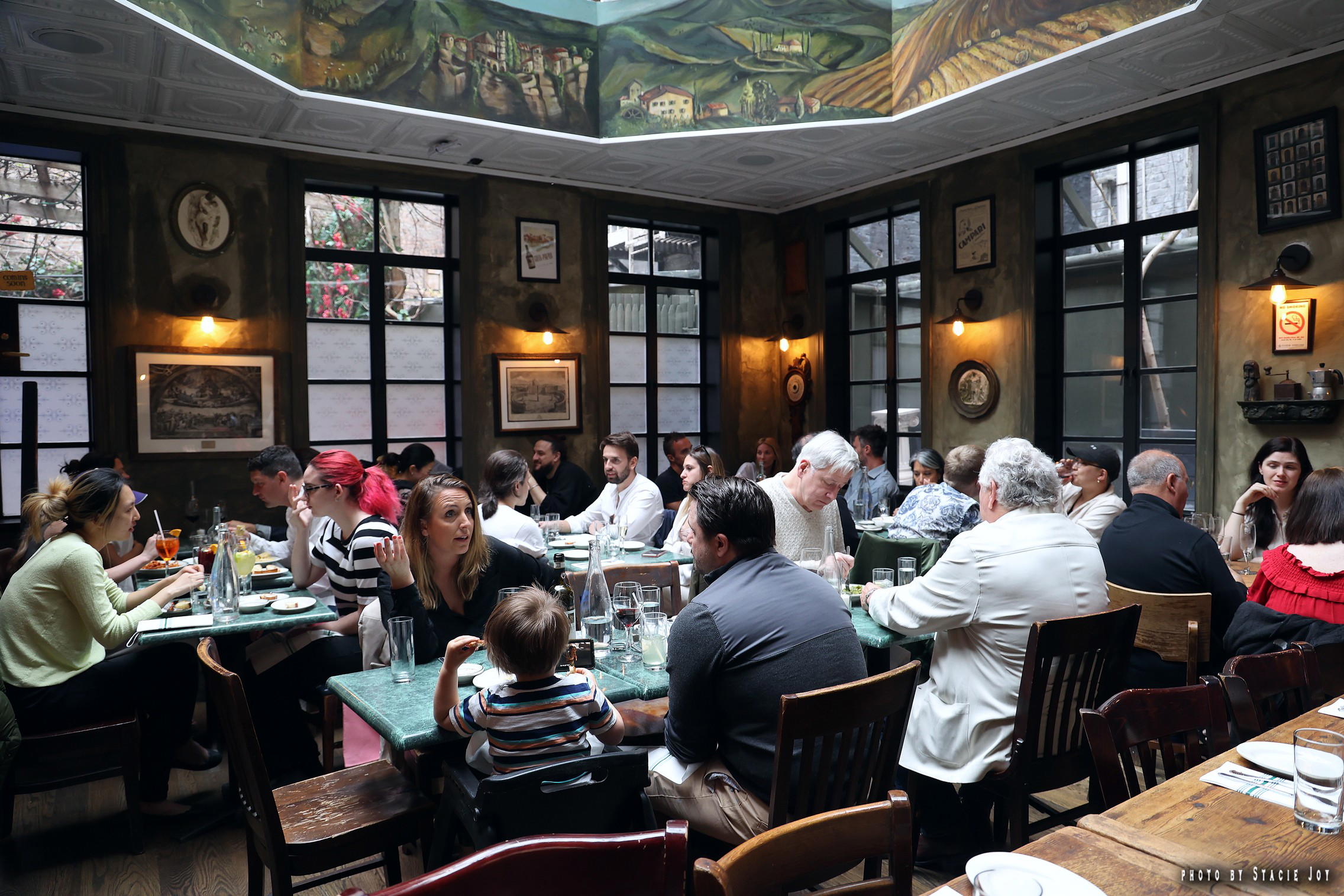
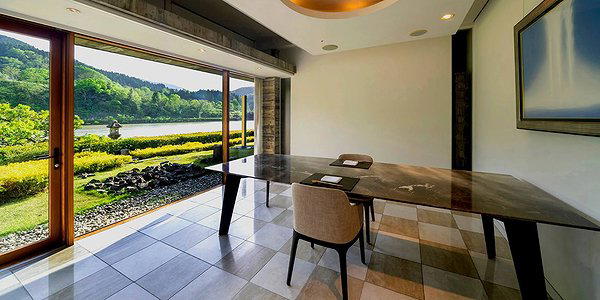
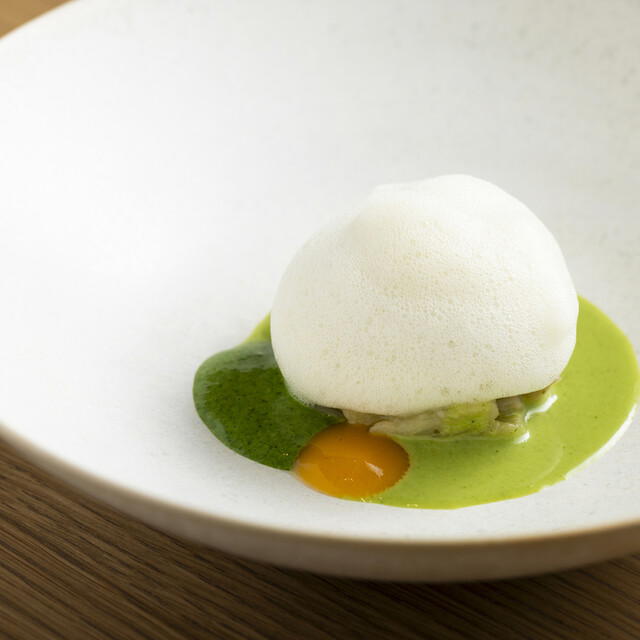
Bars in Nanao
Browse all →
Hotels in Nanao
Browse all →
Wineries in Nanao
Browse all →
At a Glance
- Intimate
- Elegant
- Cozy
- Classic
- Sophisticated
- Special Occasion
- Historic Building
- Sake Program
- Local Sourcing
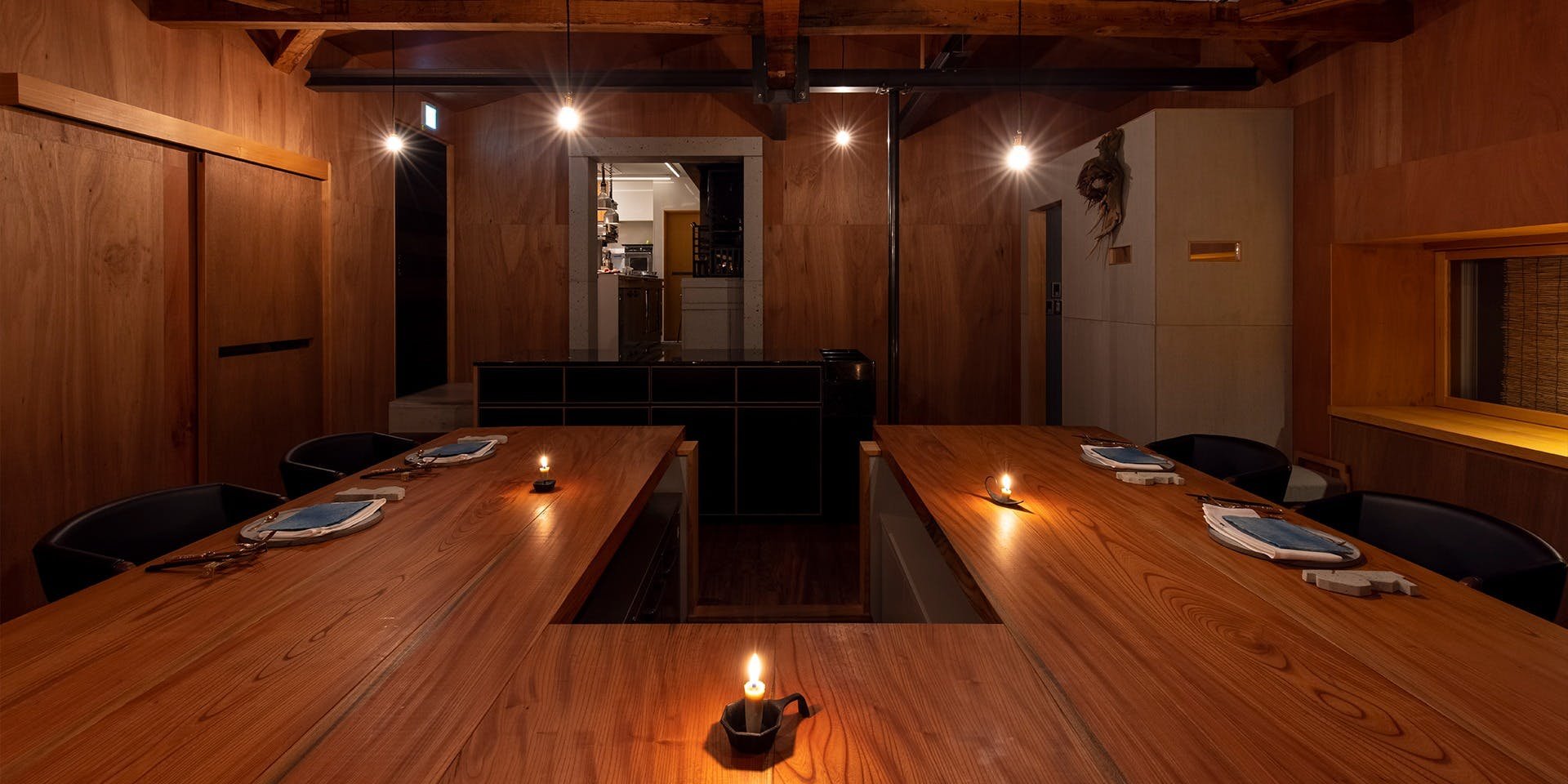
Warm candle-lit lighting with traditional Japanese candles, intimate tamo wood counter, and historic wood beams creating a quiet, focused atmosphere.
Know Before You Go
- Reservations
- Essential
- Dress code
- Smart casual
- Getting there
- 32-1 Ipponsugimachi, Nanao, Ishikawa 926-0806, Japan