
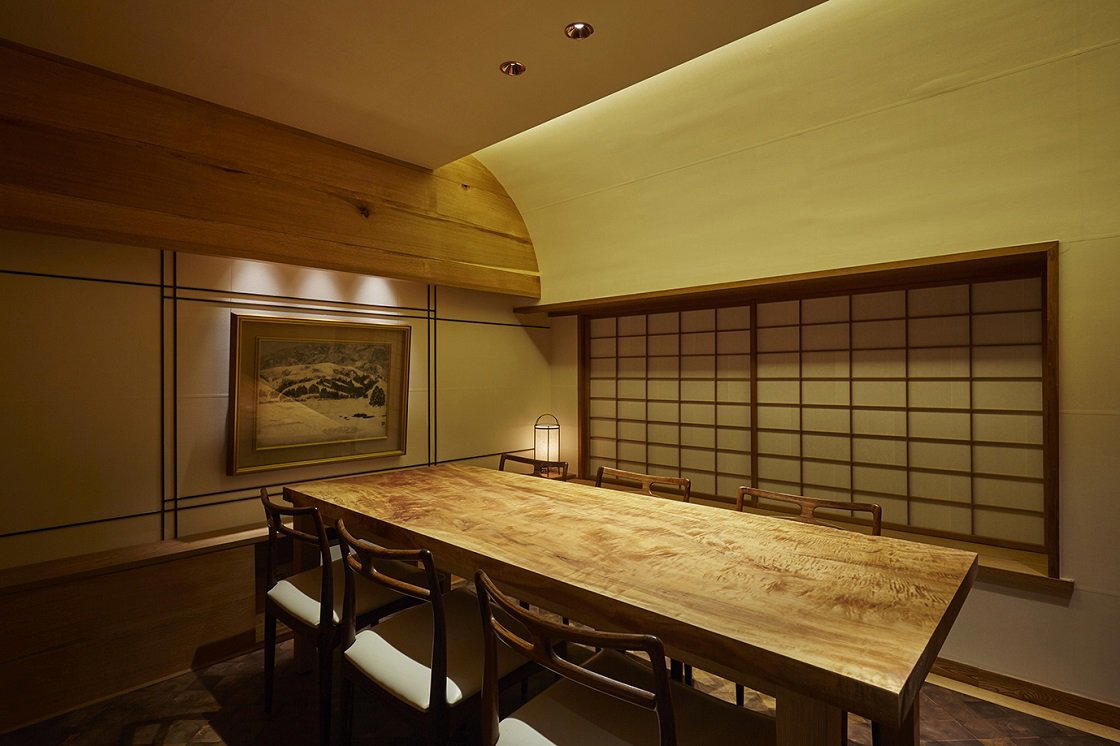
A Michelin Selected ryokan in Arima Onsen, one of Japan's oldest hot spring resorts, Arimasansoh Goshobessho sits in the forested hills above Kobe's Kita-ku district. The property places itself within the kaiseki-and-onsen tradition that defines premium Japanese inn travel, drawing guests who prioritise thermal bathing, seasonal cuisine, and the considered quietude that distinguishes Arima from more commercialised spa destinations.
Pearl is the En Primeur Club membership app — saves, bookings, and concierge access live there. Same editors, same standards.
- Address
- 958 Arimacho, Kita Ward, Kobe, Hyogo 651-1401, Japan
- Phone
- +81 78-904-0554
- Website
- goshobessho.com
- Directions
- Get directions
 Saves & bookings on Pearl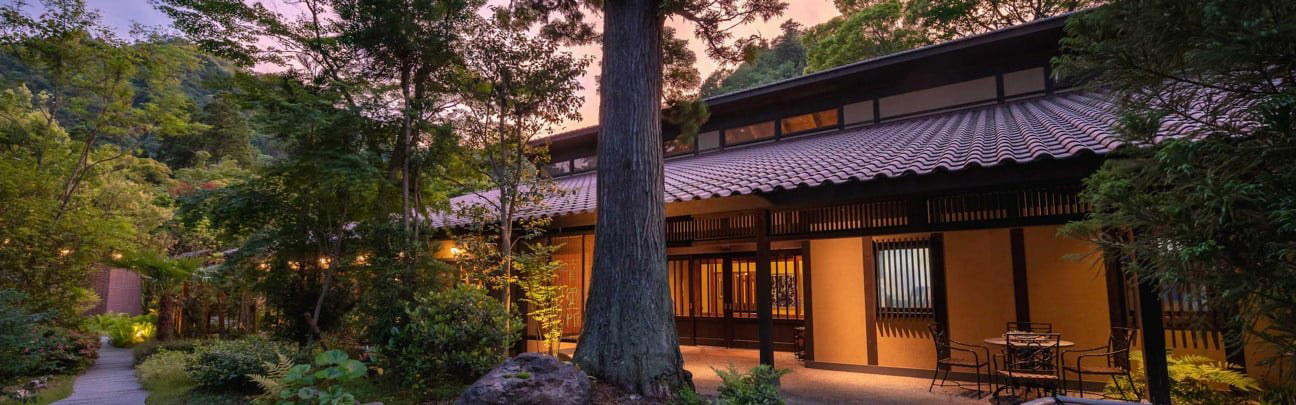
Arima Onsen and the Ryokan Tradition
The hills north of Kobe have been drawing visitors to their thermal springs for well over a millennium. Arima Onsen, the hot spring town at the centre of Kita-ku, holds a claim to being among the oldest spa resorts in Japan, with two chemically distinct spring types, the iron-rich "kinsen" (golden water) and the clear, carbon-dioxide-laced "ginsen" (silver water), that remain the defining draw for the region's premium inns. Within that tradition, Arimasansoh Goshobessho has earned a Michelin Selected designation in the Michelin Hotels & Stays 2025 guide, placing it among the properties the Michelin editorial team recommends in Arima.
That context matters because Arima is not a quiet corner of the map. The town sits roughly 30 minutes by road or the Shintetsu Arima Line from central Kobe, accessible enough to draw day-trippers from both Kobe and Osaka, yet contained enough that its better ryokan operate with the deliberate pace of a destination in its own right. The Michelin Selected classification signals that Goshobessho belongs to the cohort of properties that justify an overnight stay on their own terms, rather than serving as a supplement to a Kobe city itinerary.
The Dining Framework at a Kaiseki Ryokan
In Japanese inn culture, the dining programme is not ancillary to the experience: it is structural. Premium ryokan in onsen towns like Arima typically offer kaiseki, the multi-course seasonal cuisine rooted in Kyoto court cooking, served in the guest room or a dedicated dining space, as part of a half-board arrangement. The meal pace, the ceramic and lacquerware selection, the alignment of ingredients with the calendar, these elements function as the hospitality equivalent of the bath ritual itself: a disciplined attention to form and season that separates a kaiseki ryokan from a hotel with a restaurant attached.
Arima sits at the western edge of Hyogo Prefecture, a region with access to Tajima beef (the cattle lineage that includes Kobe beef), Akashi seafood from the nearby Seto Inland Sea, and mountain vegetables from the surrounding Rokko range. What the Michelin credential confirms is that the editorial team found the overall experience, including the dining component, to meet the threshold for a formal recommendation.
Within the broader Japanese ryokan category, Goshobessho's address at 958 Arimacho, Kita-ku, Kobe places it inside the town's core, rather than on the periphery. Arima's premium accommodation is concentrated enough that proximity to the historic Taiko-no-Yu public bath and the Kin-no-yu and Gin-no-yu public springs can be a differentiating factor. Guests planning around the onsen experience rather than the dining alone should confirm specific bath access and room types directly with the property.
Where Goshobessho Sits in the Kobe Accommodation Tier
Kobe's hotel market splits clearly by geography and format. The harbour district, where Hotel La Suite Kobe Harborland and Oriental Hotel Kobe operate, draws business travellers and city visitors who prioritise bay views and proximity to Motomachi or Kitano. Arima Onsen represents a different proposition entirely: a resort enclave that functions on retreat logic, where the programme of bathing, meals, and rest is the destination. Tocen Goshobo, also in the Arima area, sits in a comparable tier, and the Michelin Selected classification for Goshobessho aligns it with that comparable set of inns that prioritise experience depth over room count or amenity breadth.
For travellers building a multi-stop Japan itinerary around onsen ryokan, Arima connects naturally to other Michelin-recognised properties elsewhere in the country. Gora Kadan in Hakone and Amanemu in Mie occupy the upper tier of Japan's onsen-resort category, as do Asaba in Izu and Zaborin in Kutchan. The ryokan circuit also extends to Kamenoi Besso in Yufu, Nishimuraya Honkan in Kinosaki-cho, and Fufu Nikko in Nikko. For those contrasting the ryokan format against Japan's city hotel tier, HOTEL THE MITSUI KYOTO in Kyoto and Bvlgari Hotel Tokyo in Tokyo represent the urban luxury alternative. Design-led coastal properties like Benesse House in Naoshima and Halekulani Okinawa offer a different register again, as do Jusandi in Ishigaki and Sekitei in Hatsukaichi-shi.
Planning a Stay
Arima Onsen's peak seasons run during autumn foliage (late October through November) and cherry blossom (late March through April), when Rokko's hillsides shift dramatically and ryokan bookings at Michelin-level properties typically fill weeks in advance. The shoulder months of June through early September carry summer heat but thinner crowds. Winter visits, when the forested hills above Kita-ku carry frost and the thermal baths register more sharply against the cold air, represent the season most aligned with onsen culture's internal logic.
Reaching Arima from central Kobe takes approximately 30 to 40 minutes by the Shintetsu Arima Line, changing at Tanigami, or by direct taxi or car from Sannomiya. From Osaka's Umeda district, the journey runs roughly 75 minutes by public transit. Booking for Goshobessho should be approached with the same advance planning as any Michelin Selected property in a resort town: directly with the property is standard practice for ryokan stays of this tier, as the room-and-meal package typically requires coordination that third-party platforms do not always accommodate cleanly.
Price and Positioning
Comparable venues nearby, for context on price, style, and recognition.
| Venue | Price | Awards | Notes |
|---|---|---|---|
| Arimasansoh GoshobesshoThis venue — the venue you are viewing | $$$$ | 4-Star | Not listed |
| Oriental Hotel Kobe | $$$$ | 4-Star | Chūō, Historic urban resort blending Western and Eastern influences with modern luxury. |
| Tocen Goshobo | $$$$ | 4-Star | Kita, Traditional ryokan blending Japanese and Western residential design with modern touches. |
| Hotel La Suite Kobe Harborland | $$$$ | 5-Star | Chūō, Waterfront luxury boutique with Mediterranean architecture |
| The Green Leaf Hotel Niseko Village (ザ・グリーンリーフホテル ニセコビレッジ) | $$$$ | 4-Star | Niseko Village, Higashiyama Onsen, Contemporary mountain resort blending Japanese cultural aesthetics with international luxury hospitality standards. |
| KAI Yufuin (界 由布院) | $$$$ | 4-Star | Yufuin Onsen, Contemporary ryokan blending traditional Japanese farmhouse architecture with modern design |
Recognition history
Dated appearances from independent guides and award organizations, with the underlying list record or original source where available.
Mr & Mrs Smith Smith Seal of Approval
Mr & Mrs Smith
Michelin Selected
Michelin
Continue exploring
More in Kobe
Hotels in Kobe
Browse all →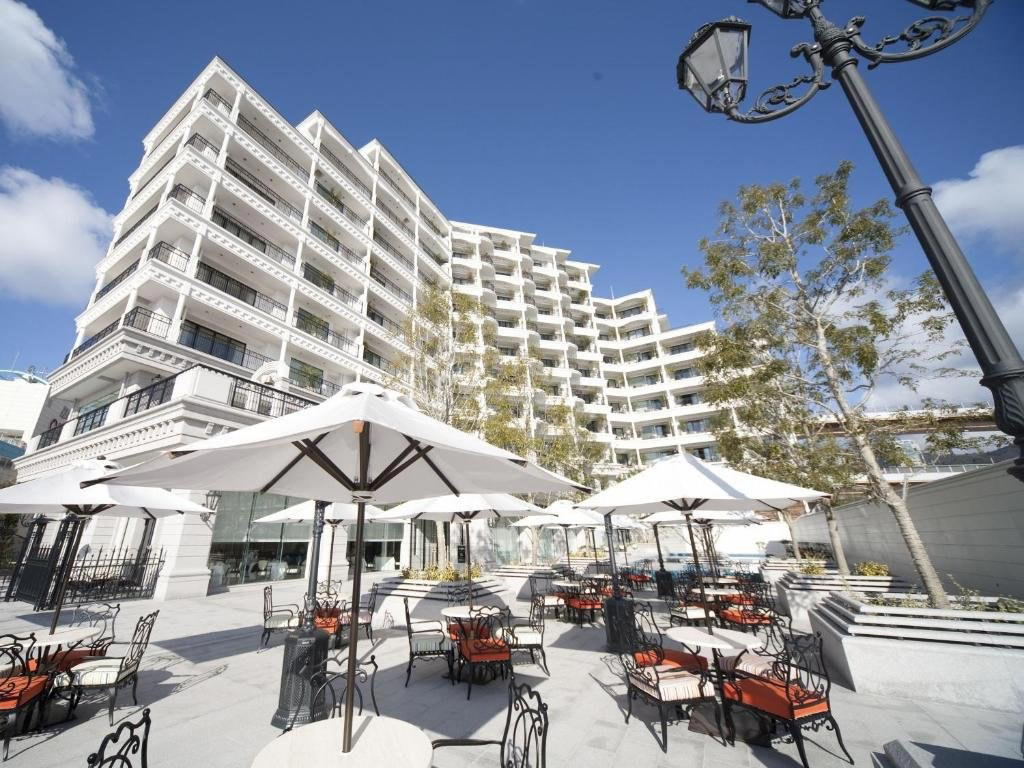


Bars in Kobe
Browse all →



Restaurants in Kobe
Browse all →


At a Glance
- Quiet
- Elegant
- Scenic
- Cozy
- Rustic
- Sophisticated
- Romantic Getaway
- Honeymoon
- Wellness Retreat
- Anniversary
- Historic Building
- Panoramic View
- Private Villa
- Destination Spa
- Wi Fi
- Spa
- Room Service
- Concierge
- Valet Parking
- Mountain
- Garden
- Wi Fi
- Spa
- Room Service
- Concierge
- Valet Parking
Tranquil atmosphere with natural wood interiors, mountain views, and soothing hot spring waters creating a nostalgic fusion of Japanese tradition and refined elegance.