
Tabelog 100 #91
Our verdict
Ito Grill belongs to Kobe’s old yoshoku-and-steak tradition rather than the city’s louder beef-showroom circuit. Its Tabelog 100 Yoshoku WEST 2025 selection, long operating history, 20-seat scale and Motomachi position make it a useful read on how regulars value continuity, course structure and quiet confidence over spectacle.

Pearl is the En Primeur Club membership app, where members save venues, book tables and use the concierge.
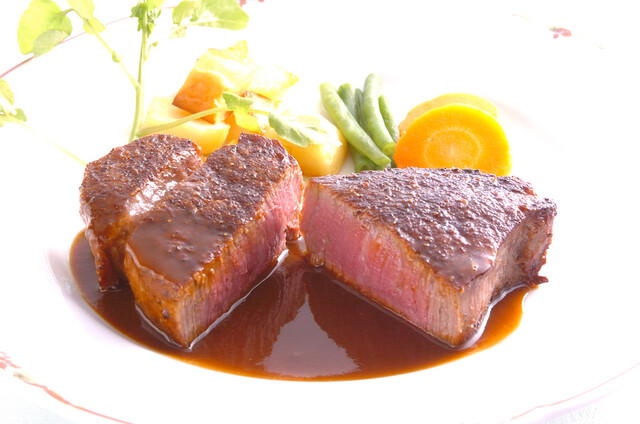
The menu
What to order
- Kobe beef charcoal‑grilled steak
- Kobe beef stew
- Beef stew lunch set
Kobe’s dining rhythm can shift quickly from city bustle to a calmer, more deliberate meal. Kobe can sell beef with obvious confidence, but its yoshoku rooms ask for a different kind of attention: measured pacing, familiar sauces, and a menu language shaped by Japan’s long habit of translating Western cooking into something local. Ito Grill sits in that lineage, less as a beef trophy stop than as a Kobe room where steak and Japanese-style Western cooking carry equal weight.
That distinction matters in Kobe. The city’s reputation abroad tends to flatten into a single word, beef, while its local dining culture is broader and more layered. Yoshoku has always been a cuisine of adaptation: demi-glace, cutlets, stews, grills and rice set into a Japanese restaurant grammar. In a port city with a long history of foreign trade, that grammar feels especially natural. The appeal here is not novelty. It is a style of cooking where familiarity, balance and consistency matter as much as the headline ingredient.
Kobe beef without the showroom mood
The sharper comparison is not with every steak restaurant in the city, but with the split between Kobe’s destination beef counters and its Western-style dining rooms. Some Kobe restaurants lean into the performance of beef cookery, while other dining formats show how premium beef can read differently when placed inside a more ritualized meal. Ito Grill’s model is quieter: steak belongs to a yoshoku frame rather than a luxury-theatre script.
The Tabelog 100 Yoshoku WEST 2025 selection is the useful signal, because it places the restaurant inside a regional category rather than a generic Kobe-beef list. Its Tabelog score is listed as 3.63, with dinner budgeted at JPY 8,000 - JPY 9,999 and lunch at JPY 4,000 - JPY 4,999. The listed categories, yoshoku and steak, explain the dual identity: diners are not only buying a cut of beef; they are choosing a style of cooking that prizes sauces, pacing and familiarity.
That perspective also changes how to read the room. Ito Grill does not need to behave like a large tourist dining hall to make sense. The format encourages a slower kind of meal, with the emphasis on category and continuity rather than spectacle. Kobe has plenty of quick, casual anchors, from coffee stops to gyoza counters and neighborhood rooms. Ito Grill belongs to another register: composed enough to feel deliberate, formal enough to mark an occasion, and traditional in the productive sense of the word.
Why yoshoku regulars value restraint
Yoshoku rewards restaurants that know when not to modernize too aggressively. The cuisine can look simple from outside Japan, but its serious versions depend on a disciplined balance between Western technique and Japanese expectations around portioning, texture and service rhythm. In Kobe, that balance is amplified by beef culture. A lesser room turns the city’s famous ingredient into a souvenir. A stronger room lets the cooking tradition carry the prestige without shouting about it.
Drink pairing, when chosen for this kind of meal, reinforces the point. In a yoshoku steak room, it is less about building a grand narrative than giving grilled beef, stew and sauce-driven dishes a natural companion. This is where the meal’s grammar matters: when to settle into the room, when to let familiar preparations lead, and when the restaurant is being used for a considered sit-down meal rather than a quick stop between sightseeing appointments.
Its recognition within Tabelog’s 2025 yoshoku selection gives the context enough weight without needing nostalgia as a crutch. Kobe has changed around its established dining rooms: department-store dining, tourist foot traffic, inbound beef interest, coffee shops and compact specialist restaurants all compete within a tight city radius. A yoshoku house survives by being legible to more than one audience. It can serve a visitor looking for Kobe beef, but its stronger claim is to diners who understand that beef is only one chapter in the city’s Western-style cooking story.
How to place it in a Kobe itinerary
For travelers, the decision is about mood and category. If the aim is a casual Kobe crawl, the city gives easier, cheaper movement through coffee, gyoza and neighborhood rooms. If the aim is a focused beef counter, Kobe has specialist formats built around that transaction. Ito Grill makes the most sense when the meal needs the grammar of yoshoku: a seated, reservation-minded restaurant where steak and old Kobe hospitality share the table.
Price tier also helps define expectations. Ito Grill sits in the dinner range of JPY 8,000 - JPY 9,999, with lunch listed at JPY 4,000 - JPY 4,999. In planning terms, that places it apart from more casual Kobe staples such as Grill Ippei Motomachi ten and Gyoza Daigaku, while still reading differently from contemporary dining such as legno. The value lies in continuity, not reinvention. Diners come for a stable format, a focused meal, and cooking that belongs to a Kobe tradition beyond the current global obsession with branded beef.
Use it as a Kobe anchor rather than a box-ticking stop. The surrounding city supports a full day of eating, from coffee and casual counters to beef-focused rooms and Chinese-influenced grazing, and Our full Kobe restaurants guide maps that wider spread. Travelers building a broader city plan can pair the meal with Our full Kobe hotels guide, Our full Kobe bars guide, Our full Kobe wineries guide and Our full Kobe experiences guide. For a wider Japan comparison, the lesson is simple: local formats define a meal. Japanese dining travels well across cities and styles, but context decides what the meal means.
Frequently asked questions
Where is Ito Grill in Kobe?
Kobe.
Is Ito Grill more mid-range or high-end?
Pricing at Ito Grill is listed as Dinner: JPY 8,000 - JPY 9,999; Lunch: JPY 4,000 - JPY 4,999.
What are the operating hours at Ito Grill?
Specific operating hours are not provided here; check directly with Ito Grill before visiting.
What's Ito Grill best at?
Ito Grill is strongest on yoshoku and steak, a combination backed by its Tabelog 100 Yoshoku WEST 2025 selection and listed Tabelog score of 3.63. The appeal is a compact Kobe dining-room mood rather than a large-scale steakhouse experience.
Awards and Standing
Comparable venues at a glance for context.
| Venue | Cuisine | Price | Awards | Notes |
|---|---|---|---|---|
| Ito GrillThis venue (the venue you are viewing) | Classic Kobe yoshoku & charcoal‑grilled Kobe beef | $100–150 | Tabelog 100 #91 | Not listed |
| baron | Kobe beef charcoal-grilled steakhouse | $200–300 | Tabelog 100 #32 | Chūō |
| Aburi Niku Kobo Wakkoku Shinkobe ten | Traditional Kobe & Tajima Beef Teppanyaki Steakhouse | $100–150 | Tabelog 100 #82 | Chūō |
| enoteca ber ber bar | Natural Wine Bar / Seasonal Bistro | $50–100 | Tabelog 100 #69 | Chūō |
| Yakiniku Zen | Traditional Kobe Yakiniku | $50–100 | Tabelog 100 #37 | Chūō |
| éº¤ç® | Traditional Japanese Kaiseki | Not listed | Not listed | Chūō |
Recognition history
Dated appearances from independent guides and award organizations, with the underlying list record or original source where available.
Tabelog 100 #91 · No. 91
Tabelog · Tabelog 100 - Yoshoku - WEST - 2025
Continue exploring
More in Kobe
Restaurants in Kobe
All restaurants in Kobe →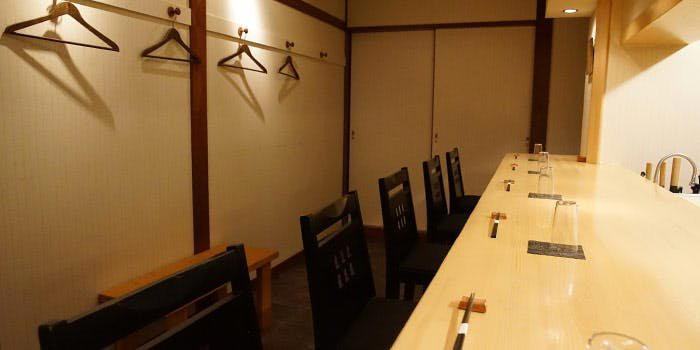
Bars in Kobe
Browse all →


Details
- Classic
- Cozy
- Well Known
- Special Occasion
- Business Dinner
- Date Night
- Group Dining
- Historic Building
- Standalone
- A La Carte
- Set Menu
Current opening hours
- Monday
- 11:30 AM–2:30 PM, 5:30–9 PM
- Tuesday
- Closed
- Wednesday
- Closed
- Thursday
- 11:30 AM–2:30 PM, 5:30–9 PM
- Friday
- 11:30 AM–2:30 PM, 5:30–9 PM
- Saturday
- 11:30 AM–2:30 PM, 5:30–9 PM
- Sunday
- 11:30 AM–2:30 PM, 5:30–8:30 PM
Hours can change for holidays and private events. Hours as of .
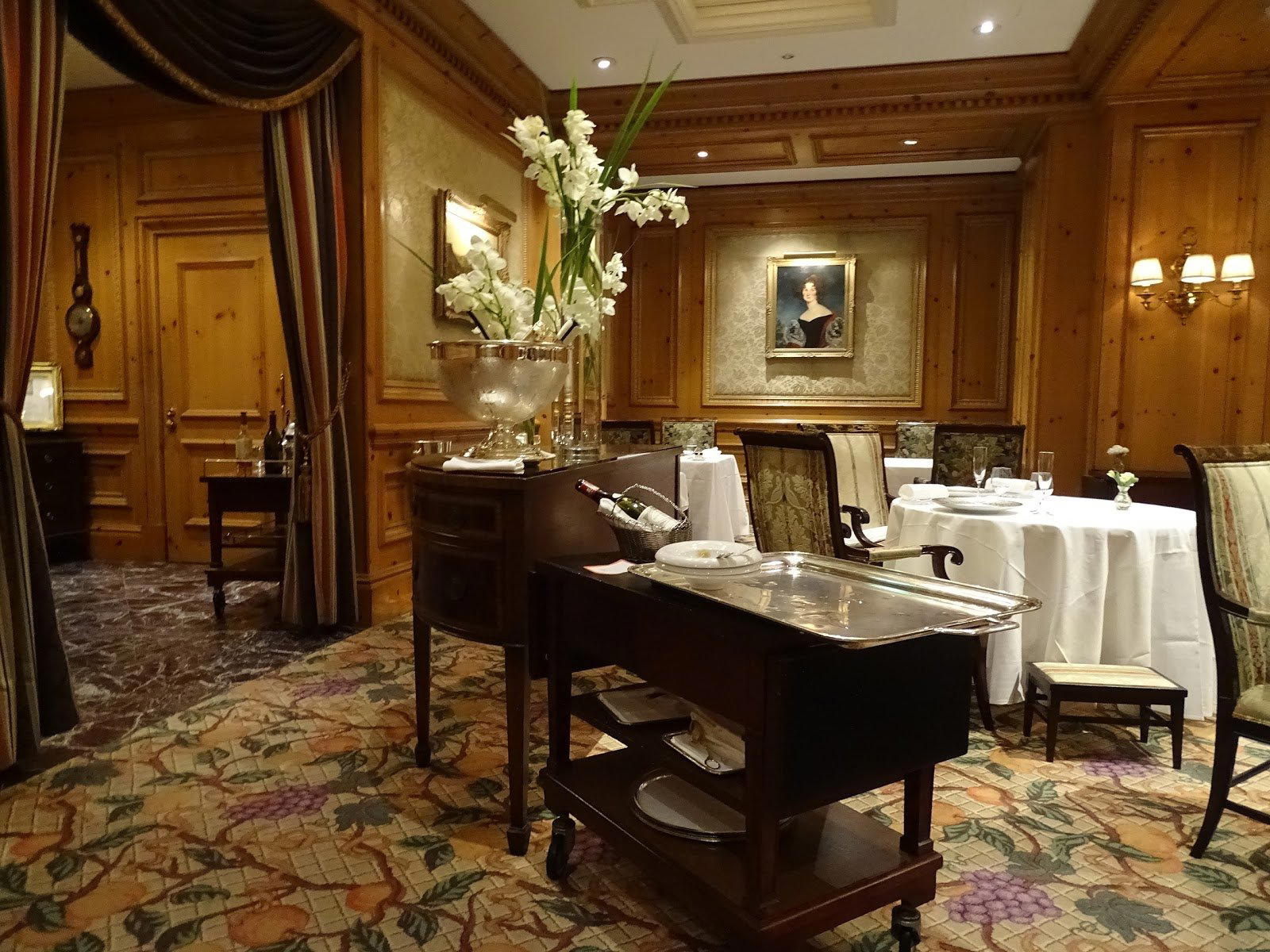
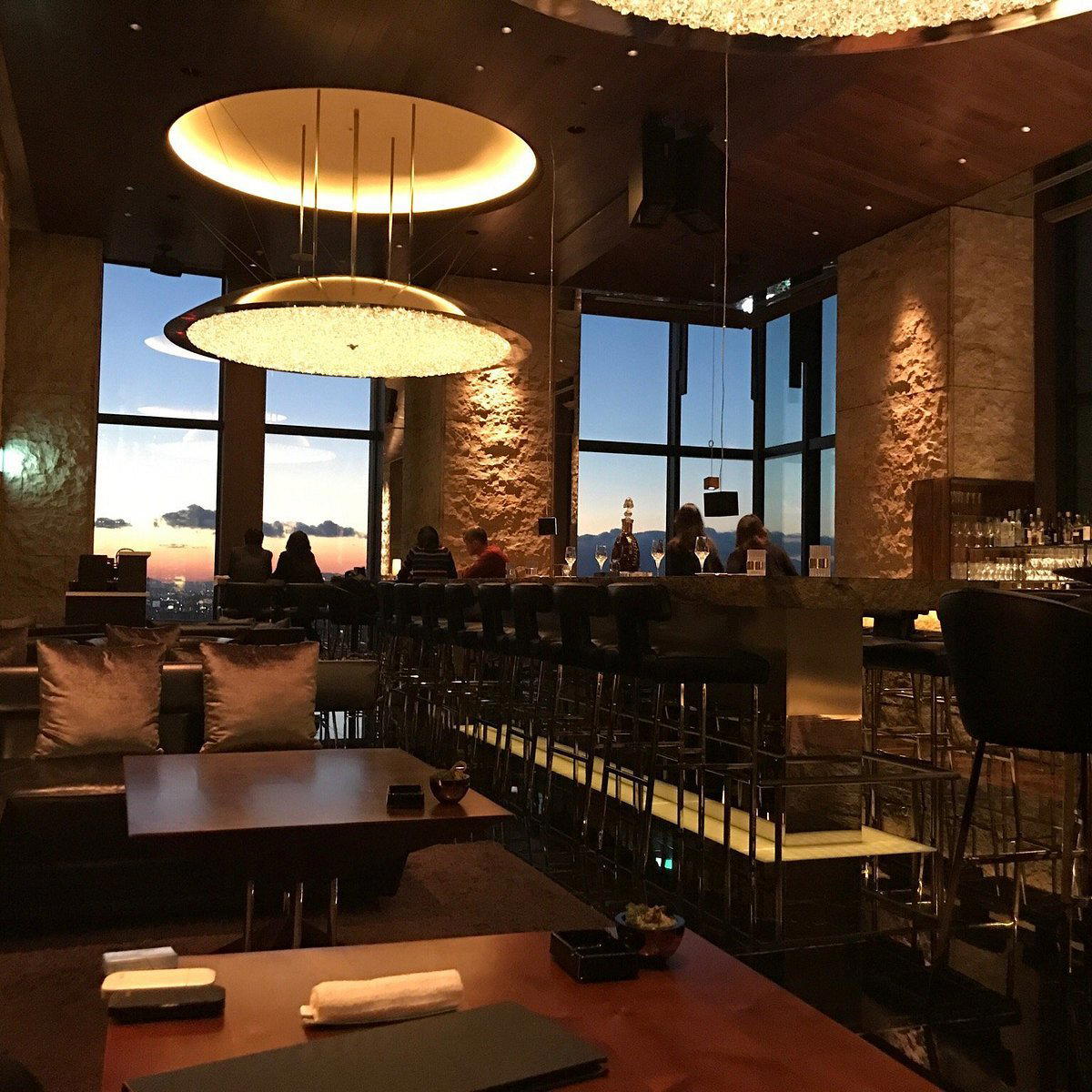
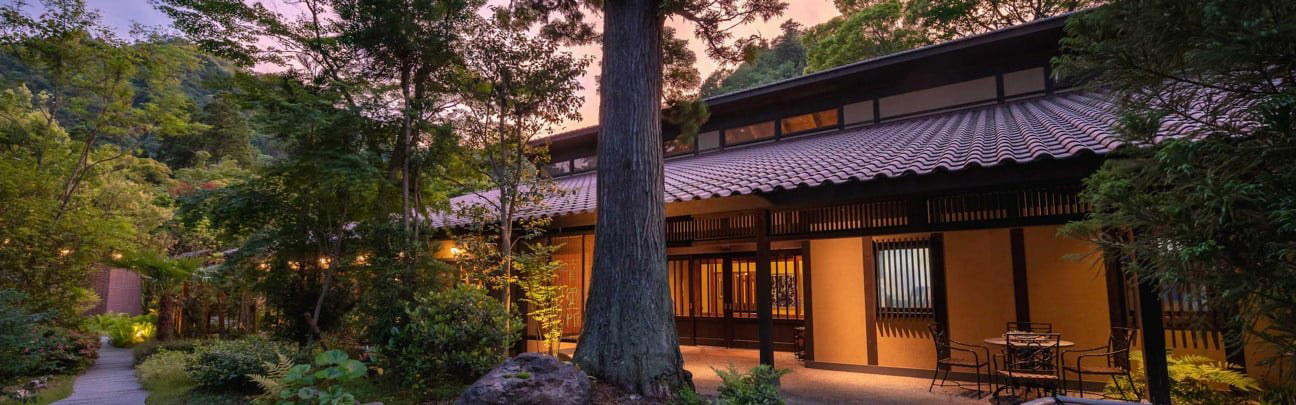
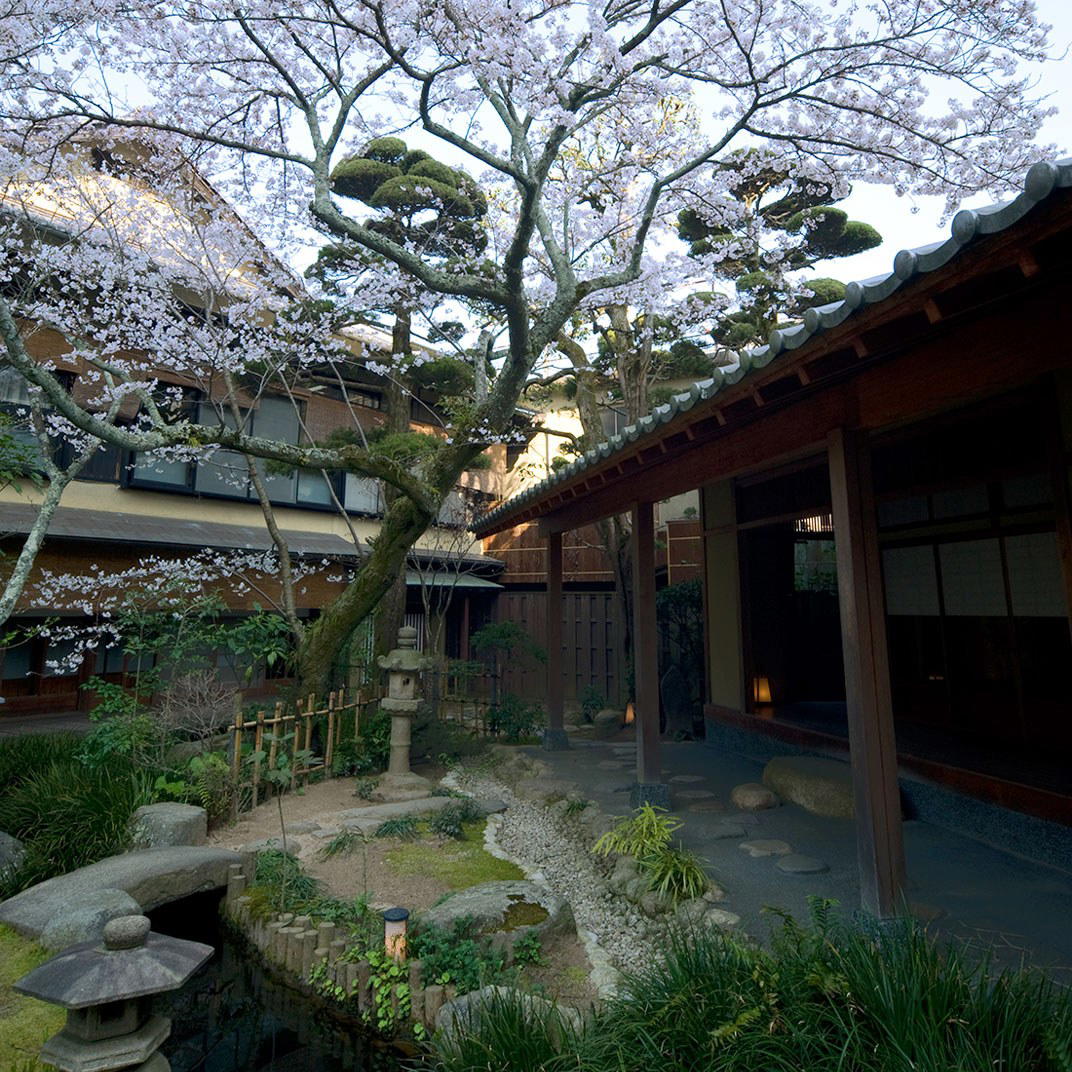
Intimate, old‑school Kobe Western restaurant with only about 20 seats, warm and slightly formal service, and a quiet, relaxed atmosphere suited to savoring multi‑course Kobe beef meals rather than a loud steakhouse vibe.