


La Liste Top Restaurants · Tabelog Bronze #496
Our verdict
Kobe’s kaiseki scene sits between port-city cosmopolitanism and Kansai restraint, and Uemura belongs to its small counter-led tier. The draw is not spectacle but discipline: an 11-seat counter, seasonal Japanese cuisine, Tabelog Award recognition, La Liste scoring, and a format that rewards diners who understand kaiseki as sequence, timing, and proportion rather than luxury theatre.

Pearl is the En Primeur Club membership app — saves, bookings, and concierge access live there. Same editors, same standards.
- Address
- 1 Chome-24-14 Nakayamatedori, Chuo Ward, Kobe, Hyogo 650-0004, Japan
- Phone
- +81782210631
- Hours
- Mon–Tue 12–2 PM, 5:30–9 PMWed 12–2 PM, 6–9 PMThu–Sun 12–2 PM, 5:30–9 PM
- Website
- ryouriya-uemura.com
- Directions
- Get directions
The menu
What to order
- Matsutake tempura
- Samma gohan
- Truffle udon
Serious kaiseki in Kobe is quieter than Kyoto and less coded than Tokyo. Around Sannomiya and Kitano, the city’s slope, port history, and compact dining rooms create a distinct rhythm: meals feel close to the counter, the cook, and the season. Uemura sits in that register, a counter-only Japanese restaurant where scale matters as much as cooking. Kaiseki depends on progression, not impact: how a meal moves from appetite to calm, and how temperature, vessel, garnish, and pacing form a sequence rather than a parade of trophies.
Kobe is a useful lens. The city is internationally known for beef, yet its serious Japanese dining has a separate grammar, treating Hyogo’s coastal access, mountain vegetables, and Kansai service culture as raw material. For travellers mapping the wider city, our full Kobe restaurants guide gives the broader frame, while meat-focused addresses such as Aburi Niku Kobo Wakkoku Shinkobe ten and Aburi Niku Kobo Wakkoqu Kitano Sakamoto Ten show the familiar Kobe steak conversation. Uemura belongs to a different decision: Japanese cuisine’s seasonal order, not the city’s beef shorthand.
Kobe kaiseki at counter scale
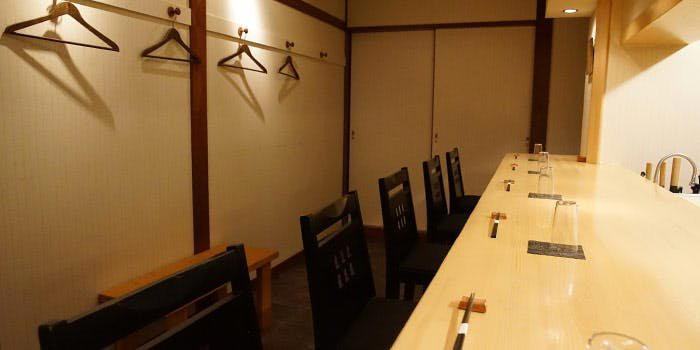
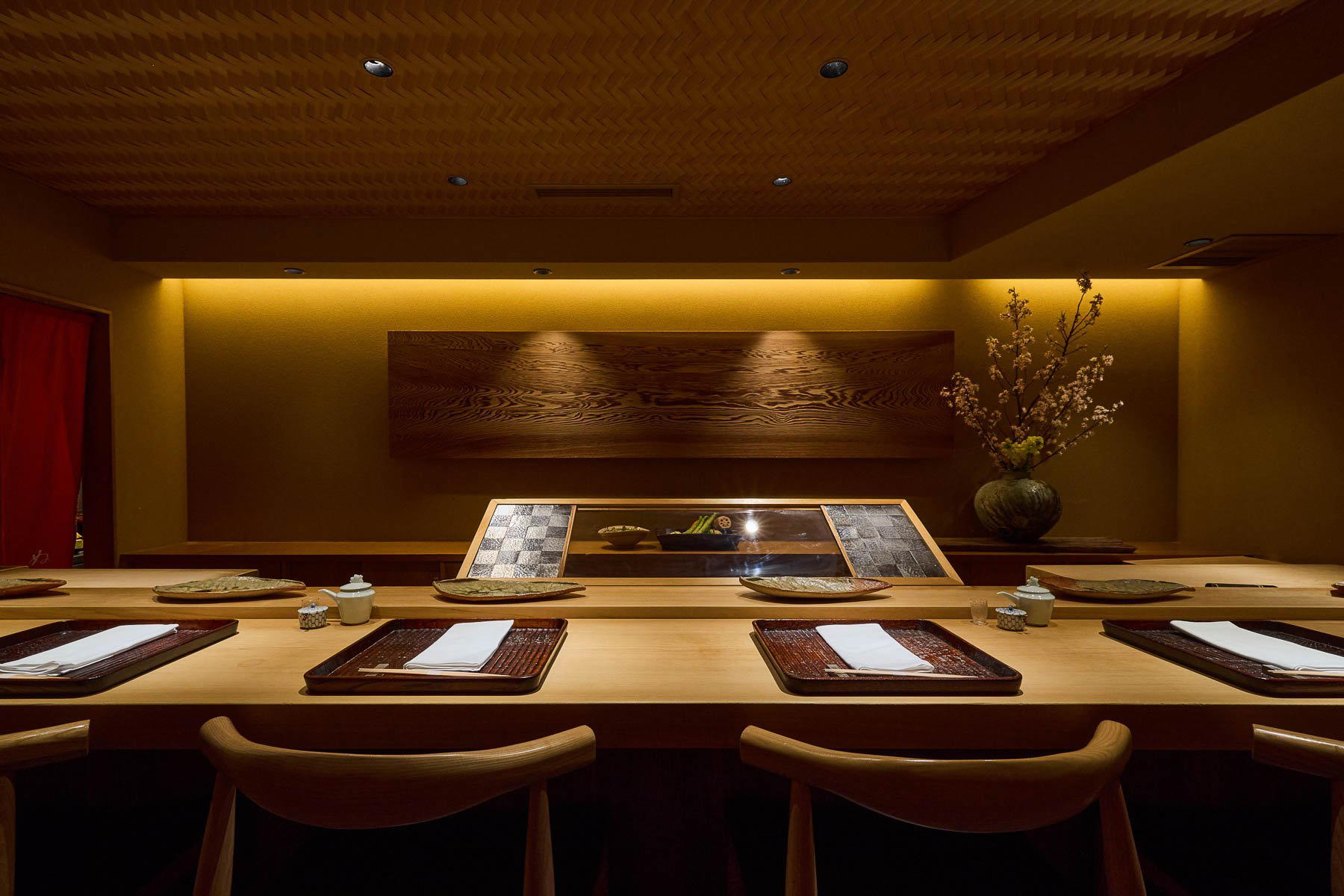
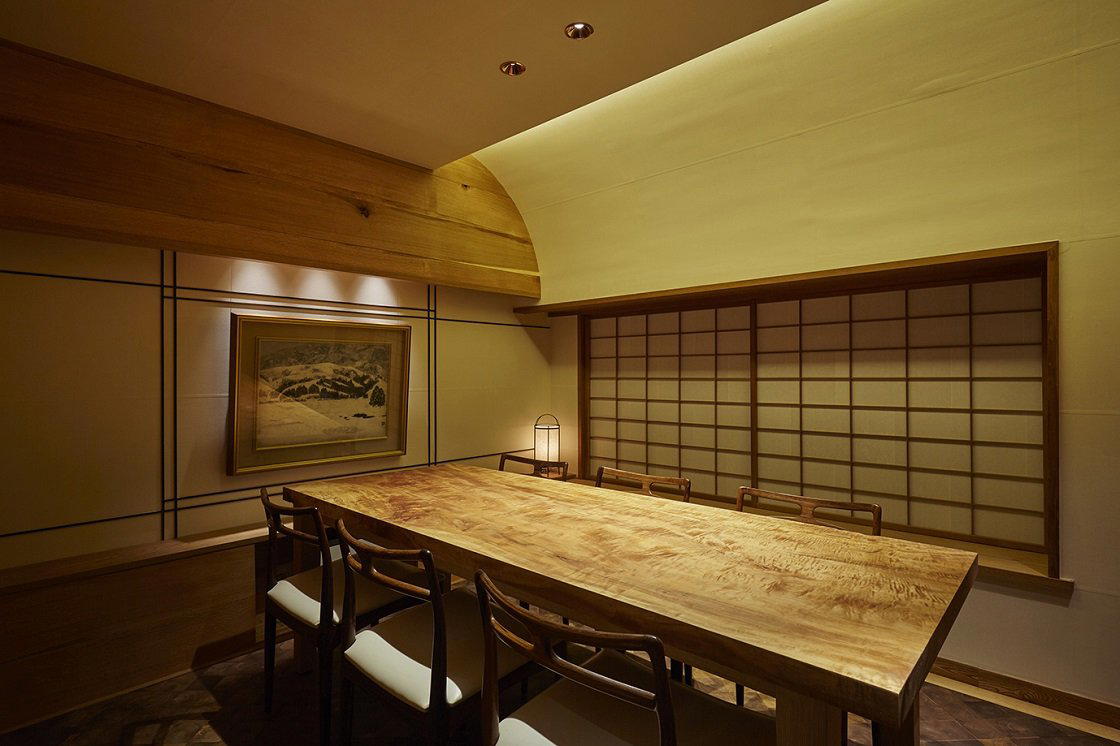
Kaiseki is often misread abroad as a luxury tasting menu with Japanese manners. In Japan, the stronger measure is coherence. A serious room need not announce ambition through decoration or theatrical service; it reveals it through proportion. At Uemura, the 11-seat counter places the restaurant at the intimate end of the genre, where diners read the meal at close range and the kitchen has little scale to hide behind. The format aligns it with Kansai’s counter kaiseki tradition rather than banquet-room formality.
The awards trail supports that positioning without embellishment. Uemura was a Tabelog Award 2026 Bronze winner, after Silver recognition in 2025, and appears in Tabelog’s Japanese cuisine WEST 100 selection for 2025. La Liste placed it at 90 points in 2026, and Opinionated About Dining included it in Japan coverage, with a 2025 ranking at #388 and a 2026 Recommended listing. These signals matter because Japanese cuisine rankings can be unforgiving at this level: consistency over years carries more weight than one burst of attention.
Ryosuke Uemura’s name is attached to the restaurant, but biography is not the most useful reading. In kaiseki, chef identity matters when it clarifies control of sequence, season, and restraint. The public-facing category is Japanese cuisine, with an emphasis on fish, and the drinks program lists sake, shochu, and wine. That places the restaurant in the contemporary kaiseki mainstream: traditional enough to privilege season and marine product, modern enough to accept wine without turning the meal into fusion.
Comparison sets expectations. Out-of-metro kaiseki rooms such as Momen, Honkogetsu, Nijo Yamagishi, Noguchi, and Ankyu belong to Japan’s broader high-end conversation, but Kobe’s version has a different texture from Kyoto ceremony or Osaka’s more direct appetite. Uemura is notable because recognition comes through Japanese user-driven and critic-driven systems rather than international star shorthand. For travellers already comfortable with Japan’s dining culture, that is often the better clue: the restaurant is not trading on visitor spectacle; it is judged within a domestic field that values repeatability, seasonality, and precision.
The meal is about cadence, not display
The strongest kaiseki meals ask diners to notice transitions. A course can reset temperature, soften the palate, shift from sea to mountain, or pause before rice. Counter scale changes the experience because the diner is not simply receiving plates; timing becomes visible. In an 11-seat room, pacing is craft, and any weakness in sequence is apparent. That is the quiet pressure of the format.
Uemura’s listed budget is JPY 30,000 to JPY 39,999 for both lunch and dinner, with a 10 percent service charge. That places it in the serious kaiseki tier without the most extreme auction-market pricing associated with some Tokyo counters. The restaurant is reservation-only, and lunch has tighter conditions than dinner, typical of small Japanese rooms balancing prep, service, and limited seats. Same-day cancellation penalties are part of the reality at this level; high-end kaiseki is planned around perishability and staffing, not walk-in flexibility.
For a Kobe itinerary, the sharper question is not whether to choose kaiseki or beef, but how to sequence the city. A counter kaiseki meal works well as the day’s anchor, not a stop after heavy sightseeing and snacks. Kobe’s compact geography makes it easy to pair with coffee, bars, or hotels, but the meal rewards a clean appetite and slow evening. Akaneya Coffee Ten, Akari, and Ali's Halal Kitchen show the city’s range, while our full Kobe hotels guide, full Kobe bars guide, full Kobe wineries guide, and full Kobe experiences guide help place dinner within the trip.
The broader Japan context helps calibration. Travellers comparing kaiseki across cities can look at Tokyo references such as Ajihiro, Kaiseki in Tokyo and Akasaka Asada, Kaiseki in Tokyo, while non-kaiseki entries across Japan, including -Grilled beef Sukiyaki- KAMAKURA TANUKIAN 鎌倉 たぬき庵 in Kamakura. 鮪と炭火焼き うお炭 秋葉原店 in Tokyo.cafe in Osaka.know in Kumamoto, (Shoku) Vietnam in Kawasaki, and [Curry Senmon Ten] Maruyama Kyoju. in Sapporo show how varied Japan’s restaurant map becomes once it is not reduced to sushi and steak.
Who should book it
Uemura is a strong choice for travellers who understand kaiseki as a language of restraint. Its recognition, counter format, and price band point to a meal for diners who want seasonal Japanese cuisine judged on rhythm rather than novelty. It is less suited to anyone seeking a casual introduction to Kobe dining, a flexible family meal, or a high-energy night out. The persuasive case is narrower and more serious: Kobe has a refined kaiseki register beyond its beef reputation, and this room gives that register a focused, intimate form.
Frequently asked questions
Is Uemura a family-friendly restaurant?
The restaurant is not marked family-friendly in the public record, and it operates as an 11-seat counter-only kaiseki room in Kobe. That setup suits adults comfortable with a reservation-only format and a service charge of 10%. Check the venue's official channels for the latest details.
What is the atmosphere like at Uemura?
Uemura is built around a relaxed counter setting rather than a large dining room, with only 11 seats in Nakayamatedori, Kobe. The room’s mood is shaped by the kaiseki format, the counter-only layout, and recognition from the 2026 Tabelog Award Bronze list.
What kind of cuisine does Uemura serve?
Uemura serves Kaiseki cuisine.
What time does Uemura open and close?
Hours at Uemura: Mon: 12–2 PM, 5:30–9 PM; Tue: 12–2 PM, 5:30–9 PM; Wed: 12–2 PM, 6–9 PM; Thu: 12–2 PM, 5:30–9 PM; Fri: 12–2 PM, 5:30–9 PM; Sat: 12–2 PM, 5:30–9 PM; Sun: 12–2 PM, 5:30–9 PM.
Where is Uemura in Kobe?
Uemura is located in Kobe.
Comparable venues nearby, for context on price, style, and recognition.
| Venue | Cuisine | Price | Awards | Notes |
|---|---|---|---|---|
| UemuraThis venue — the venue you are viewing | Modern Kaiseki | $200–300 | La Liste Top Restaurants · Tabelog Bronze #496 | Not listed |
| Sushi Ueda | Traditional Omakase Sushi | $300–500 | Tabelog Bronze #494 | Chūō |
| Tsuki Usagi | Halal Kobe Beef Japanese | $200–300 | Not listed | Chūō |
| Kobe Kikusui Teppanyaki Restaurant | Teppanyaki Kobe Beef Steakhouse | $100–150 | Not listed | Chūō |
| Teppanyaki Tajima | Teppanyaki Japanese Fine Dining | $50–100 | Tabelog 100 #33 | Chūō |
| Kobe beef Daichi | Teppanyaki Kobe Beef Steakhouse | $100–150 | Not listed | Chūō |
Recognition history
Dated appearances from independent guides and award organizations, with the underlying list record or original source where available.
La Liste Top Restaurants
La Liste
Opinionated About Dining Top Restaurants in Japan Recommended
Opinionated About Dining
Tabelog Bronze #496
Tabelog
Full recognition history (8 entries)
La Liste Top Restaurants
La Liste
Opinionated About Dining Top Restaurants in Japan Ranked #388
Opinionated About Dining
Tabelog 100 #78 · No. 78
Tabelog · Tabelog 100 - Japanese cuisine - WEST - 2025
Tabelog Silver
Tabelog
Opinionated About Dining Top Restaurants in Japan Ranked #454
Opinionated About Dining
Continue exploring
More in Kobe
Restaurants in Kobe
Browse all →
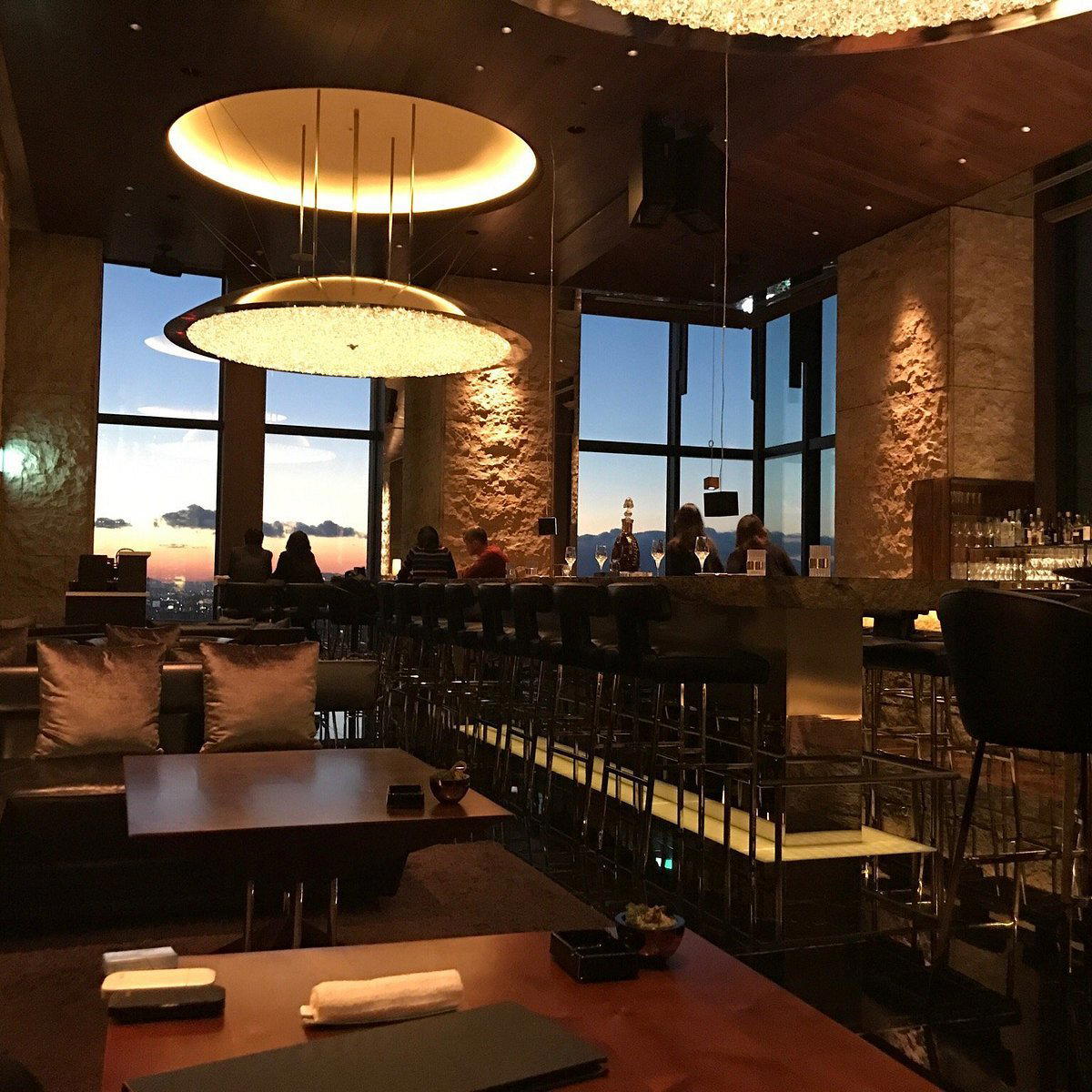
Bars in Kobe
Browse all →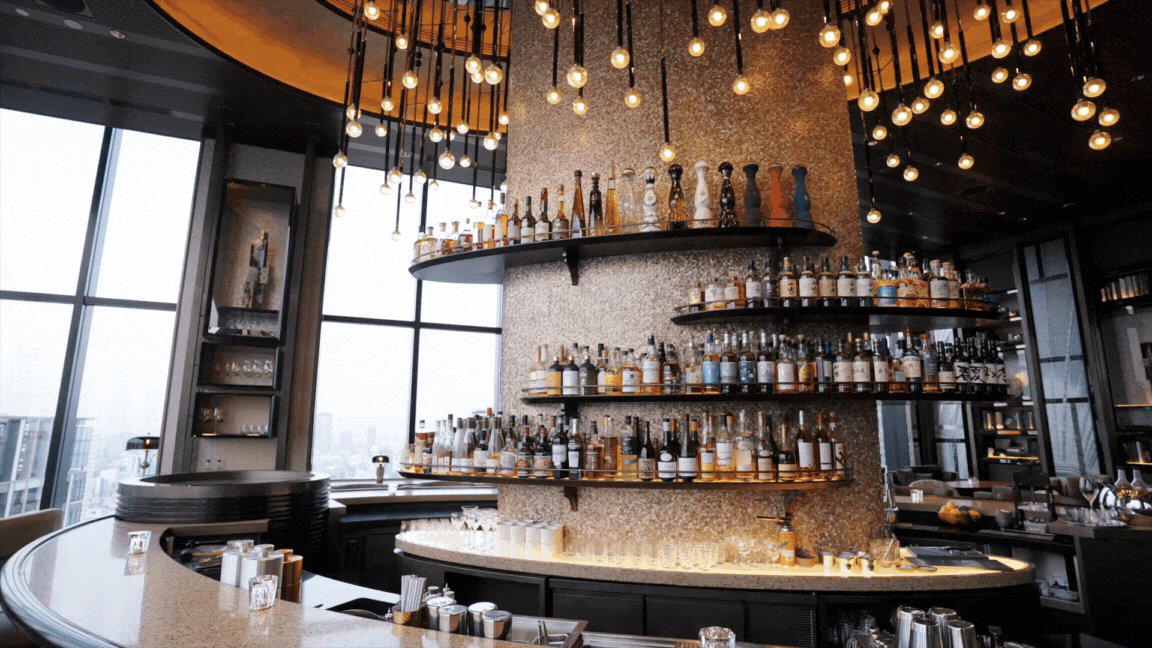



Hotels in Kobe
Browse all →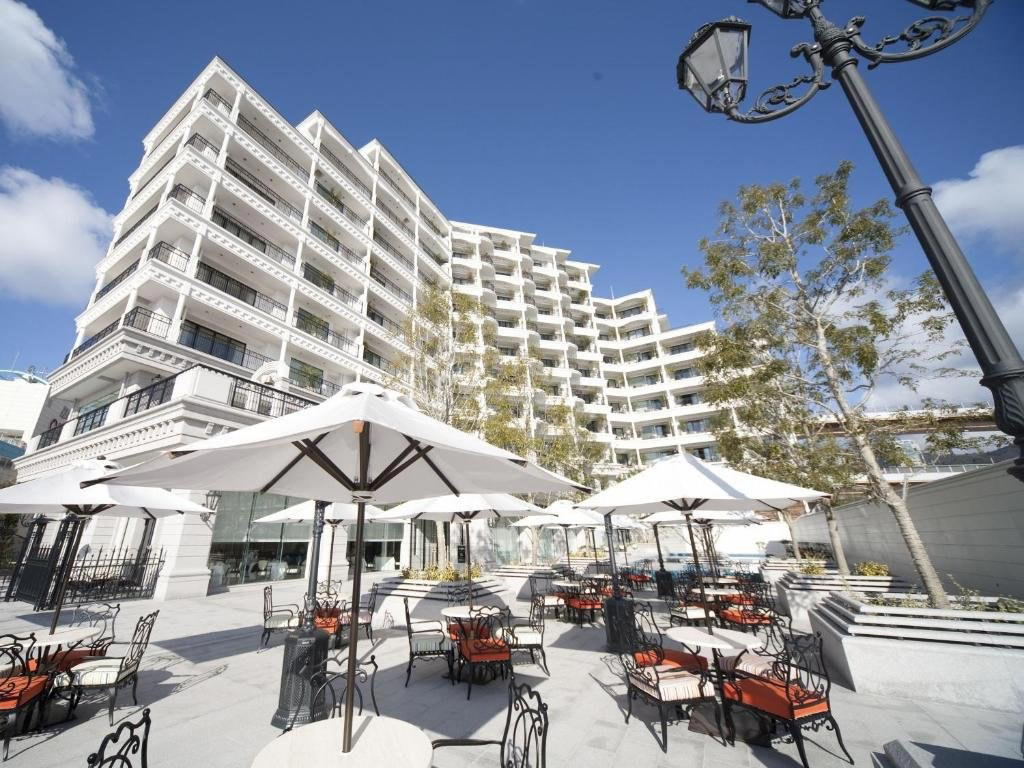


Details
- Elegant
- Intimate
- Sophisticated
- Special Occasion
- Date Night
- Chefs Counter
- Sake Program
- Set Menu
Current opening hours
- Monday
- 12–2 PM, 5:30–9 PM
- Tuesday
- 12–2 PM, 5:30–9 PM
- Wednesday
- 12–2 PM, 6–9 PM
- Thursday
- 12–2 PM, 5:30–9 PM
- Friday
- 12–2 PM, 5:30–9 PM
- Saturday
- 12–2 PM, 5:30–9 PM
- Sunday
- 12–2 PM, 5:30–9 PM
Hours can change for holidays and private events. Last verified .
Entertaining and relaxing atmosphere with high-end tableware and comfortable environment enhanced by the chef's personality.