Our verdict
Kogetsu sits in Kusatsu, Shiga Prefecture, a city better known for its position between Lake Biwa and the Tokaido corridor than for destination dining. What pulls serious eaters to this address is the kind of ingredient-led cooking that treats the surrounding region as a larder rather than a backdrop. For those tracing Japan's quieter fine-dining circuit beyond the Kyoto-Osaka axis, Kogetsu is a considered stop.

Pearl is the En Primeur Club membership app, where members save venues, book tables and use the concierge.
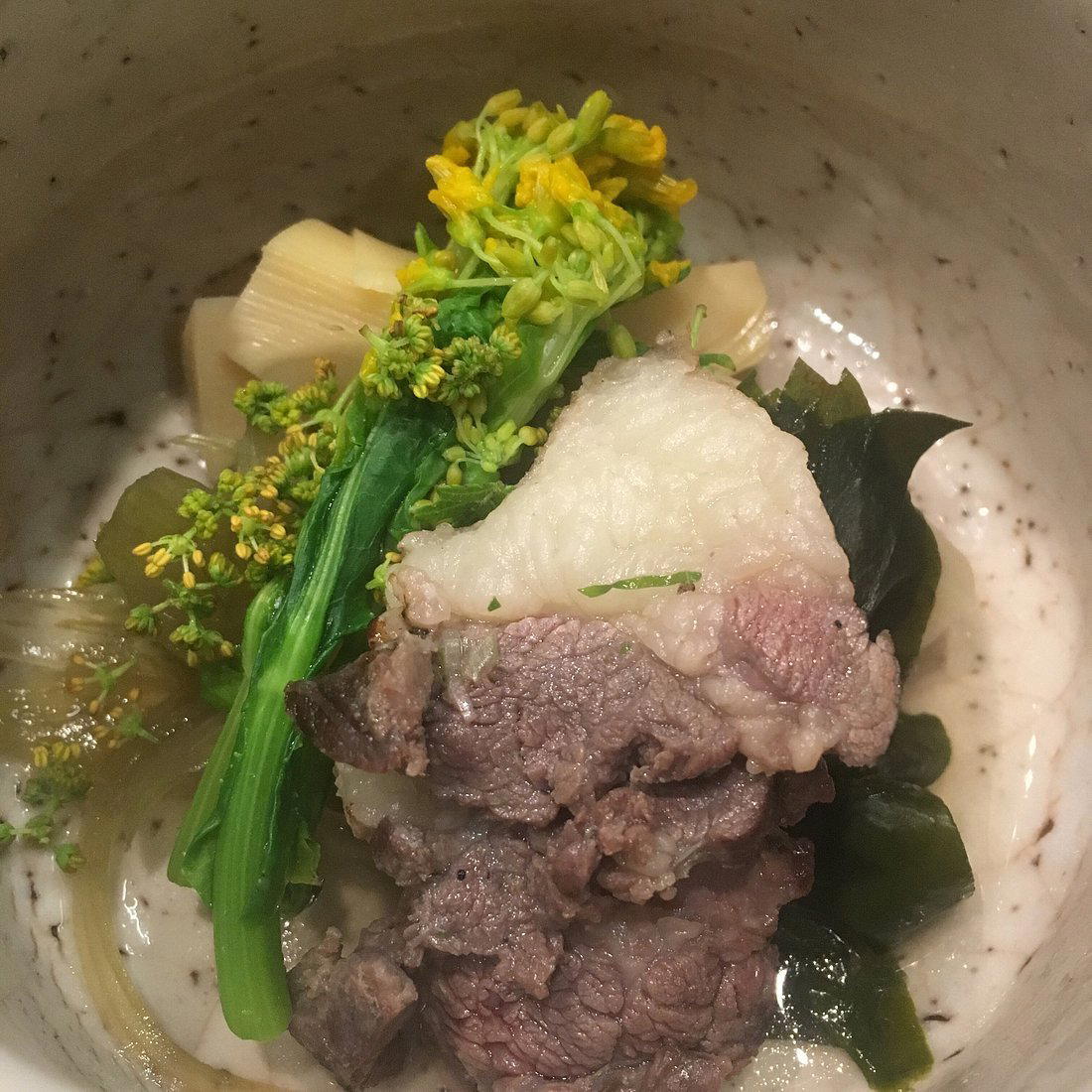
Kusatsu at the Table: What the Region Puts on the Plate
Lake Biwa dominates the geography of Shiga Prefecture in a way that shapes everything downstream of it, including what ends up on restaurant plates. The lake, Japan's largest, has sustained a distinct freshwater food culture for centuries: crucian carp preparations, freshwater clams, and the fermented narezushi traditions that predate the pressed and nigiri styles most diners associate with Japanese fish cookery. Kusatsu sits at the lake's southern tip, and restaurants here that take their sourcing seriously have access to ingredients that Kyoto and Osaka kitchens have historically imported from this very basin. Kogetsu, at its address in the Oji district, operates within that context. The question it answers is whether a Kusatsu kitchen can translate that regional larder into something worth a deliberate visit rather than an incidental stop.
That question matters more now than it did a decade ago. Japan's fine-dining conversation has expanded well beyond the Tokyo-Kyoto axis. Kitchens in Fukuoka, Nara, and the Sea of Japan coast have built credible cases for regional sourcing as a primary editorial argument, not a secondary marketing note. Akordu in Nara has made local producers central to its format, and Gion Sasaki in Kyoto has long used its proximity to Shiga suppliers as a structural advantage. Kogetsu enters a regional conversation that rewards specificity over spectacle.
The Shiga Ingredient Economy
Understanding what Kusatsu kitchens can access is more useful than any menu description. Shiga's agricultural profile includes Omi beef, one of Japan's three major wagyu designations alongside Matsusaka and Kobe, with cattle raised in the prefecture's inland pastures and finished to fat ratios that rival the more internationally marketed Kobe product. The lake contributes funazushi, the fermented crucian carp preparation that requires months of salt-packing and rice fermentation, and which represents one of the oldest documented sushi forms in Japanese culinary history. Seasonal vegetables from the Omi basin, including a distinctive variety of turnip used in local tsukemono, add another layer to what a serious kitchen can draw from without crossing a prefectural boundary.
This is not a minor provenance story. The same ingredient chains that feed high-end kaiseki rooms in Kyoto originate in Shiga, which means a restaurant in Kusatsu can, in theory, access those ingredients with shorter supply chains and fewer intermediary markups. What the geography establishes is that Kusatsu is not a culinary backwater; it sits at the source end of a supply chain that powers some of Japan's most decorated dining rooms.
For a comparative sense of how ingredient provenance operates at the top of Japan's fine-dining register, HAJIME in Osaka and Harutaka in Tokyo both demonstrate how regional sourcing specificity functions as a trust signal rather than a marketing gesture. At the international level, kitchens like Le Bernardin in New York City have made ingredient origin a structural editorial argument for decades. The principle scales across formats.
Where Kogetsu Sits in Kusatsu's Dining Circuit
Kusatsu is not a city with a deep bench of destination restaurants. Its dining scene is concentrated around practical neighbourhood formats: izakayas, noodle shops, and family-run establishments that serve a local residential population rather than an incoming food-tourism circuit. The more meaningful comparison is not with other Kusatsu addresses but with the broader category of ingredient-driven Japanese restaurants operating outside the major metropolitan centres.
Beyond the city, our full Kusatsu restaurants guide maps the broader dining options for visitors planning time in the area. The Lake Biwa region more generally supports a small cluster of considered restaurants, including 湖畔荘 in Takashima, which operates on the lake's western shore and draws on the same Shiga ingredient pool from a different geographic vantage point.
Planning a Visit: What to Know Before You Go
Kusatsu is accessible by rail from Kyoto in under fifteen minutes on the JR Biwako Line, which makes it practical as a day excursion from a Kyoto base or as a stop on a wider Kansai itinerary. The Oji district address for Kogetsu places it within the city's residential fabric rather than its commercial centre, which is consistent with the neighbourhood-restaurant format common to serious Japanese cooking outside the major tourist corridors. Reservations for this category of restaurant in Japan typically require advance planning, and in smaller cities where seat counts are limited, direct contact is the standard approach. Japan's broader fine-dining circuit, from Atomix-style Korean-Japanese crossover formats in New York to traditional kaiseki in Kyoto, generally rewards advance research and planned itineraries over spontaneous arrival.
Travellers with a specific interest in Shiga's food culture might also consider the wider Kansai circuit: bodai and Bistro Ange in Toyohashi represent different points on the regional ingredient-driven spectrum, while Birdland in Sakai demonstrates how a single-product focus can anchor a serious kitchen in an unfashionable postal code. The through-line across all these addresses is that sourcing discipline, not address prestige, is increasingly the primary signal of a kitchen's editorial credentials.
Further afield, 一本杉 川島 in Nanao, 古代山乃 in Sapporo, 鷹羽屋 in Nishikawa Machi, Blue Ocean Steak in Nakagami District, and Cafe Naoshima Konichiwa in Naoshima each illustrate how Japan's quieter cities sustain serious eating outside the metropolitan spotlight. Kusatsu and Kogetsu belong to the same pattern.
Frequently asked questions
Can I bring kids to Kogetsu?
Kogetsu sits in a residential neighbourhood in Kusatsu, Shiga, the kind of setting that tends to suit family dining rather than a strict adult-only format. That said, no specific family policy is documented. If dining with children, confirming directly before visiting is the practical approach.
How would you describe the vibe at Kogetsu?
Kogetsu is located at 1 Chome-11-14 Oji in Kusatsu, a city whose dining circuit runs largely on neighbourhood formats rather than destination theatre. The atmosphere here is likely to reflect that local, unhurried character rather than the high-formality register of a Kyoto kaiseki room.
Is Kogetsu a good option for visitors coming from Kyoto on a day trip?
Kusatsu is under fifteen minutes from Kyoto on the JR Biwako Line, which makes Kogetsu geographically accessible as part of a Shiga excursion without requiring an overnight stay. The address at 1 Chome-11-14 Oji places the venue in a residential part of Kusatsu rather than near the main station interchange. Confirming hours and reservation requirements in advance is advisable before making the trip.
What do regulars order at Kogetsu?
Shiga Prefecture's ingredient profile gives any Kusatsu kitchen serious material to work with, Omi beef, Lake Biwa freshwater fish such as ayu and funa, and locally grown rice are the staples that define the region's table. Without a published menu on record, the specifics of what Kogetsu puts forward are not confirmed, but the regional pantry sets a clear expectation for what serious local cooking here tends to prioritise.
In Context: Similar Options
Comparable venues nearby, for context on price, style, and recognition.
| Venue | Cuisine | Price | Awards | Notes |
|---|---|---|---|---|
| KogetsuThis venue (the venue you are viewing) | Traditional Japanese Kaiseki | $100–150 | Not listed | Not listed |
| Tezukuri Hamburger steak Apeze | Japanese Western (Yoshoku) Hamburger Steak | Not listed | Tabelog 100 #85 | Minami Kusatsu |
| Hakata Tonkotsu Masao | Hakata-style Tonkotsu Ramen | $10–20 | Tabelog 100 #34 | Anamura-cho |
| 馳走 とし藤 | Traditional Japanese Kaiseki | $30–50 | Not listed | Kusatsu |
| Glicine | Seasonal Italian (Omi beef–focused) | $100–150 | Tabelog 100 #58 | Kusatsu |
| Pan du Marche | Japanese artisan bakery | Not listed | Tabelog 100 #7 | Kusatsu |
Continue exploring
More in Kusatsu
Restaurants in Kusatsu
All restaurants in Kusatsu →
Bars in Kusatsu
Browse all →
Hotels in Kusatsu
Browse all →
Wineries in Kusatsu
Browse all →
Details
- Elegant
- Intimate
- Sophisticated
- Special Occasion
- Business Dinner
- Private Dining
- Sake Program
- Local Sourcing
Current opening hours
- Monday
- 12–3 PM, 6–11 PM
- Tuesday
- Closed
- Wednesday
- 12–3 PM, 6–11 PM
- Thursday
- 12–3 PM, 6–11 PM
- Friday
- 12–3 PM, 6–11 PM
- Saturday
- 12–3 PM, 6–11 PM
- Sunday
- 12–3 PM, 6–11 PM
Hours can change for holidays and private events. Hours as of .
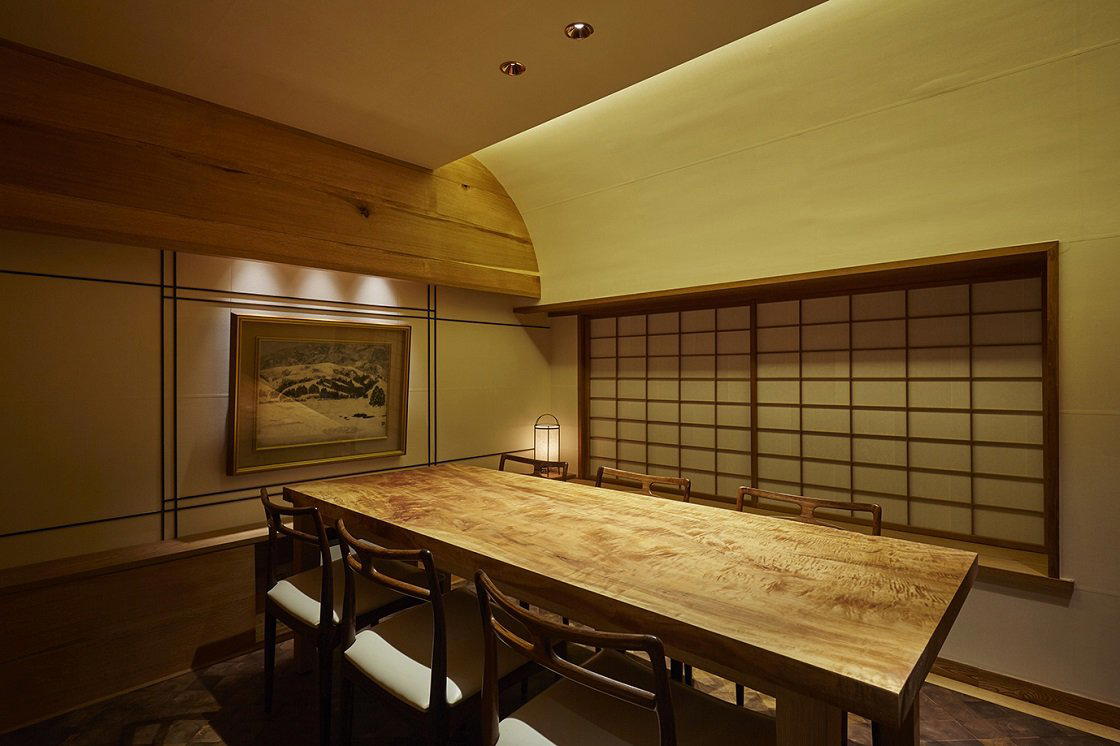
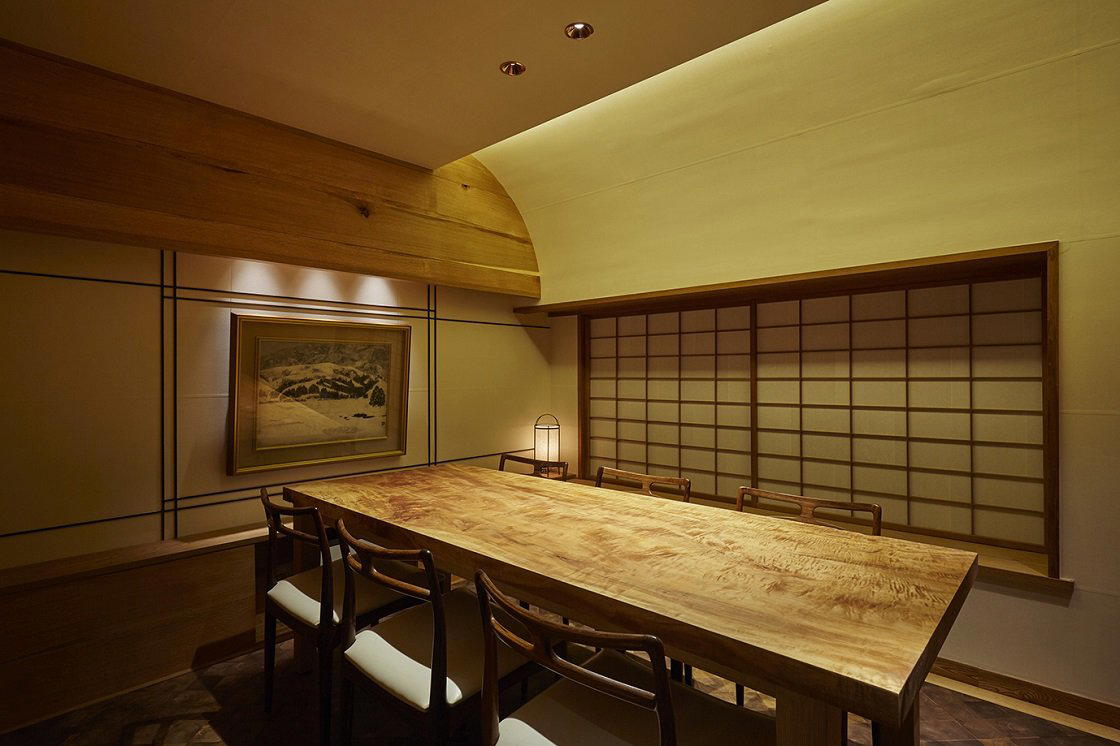
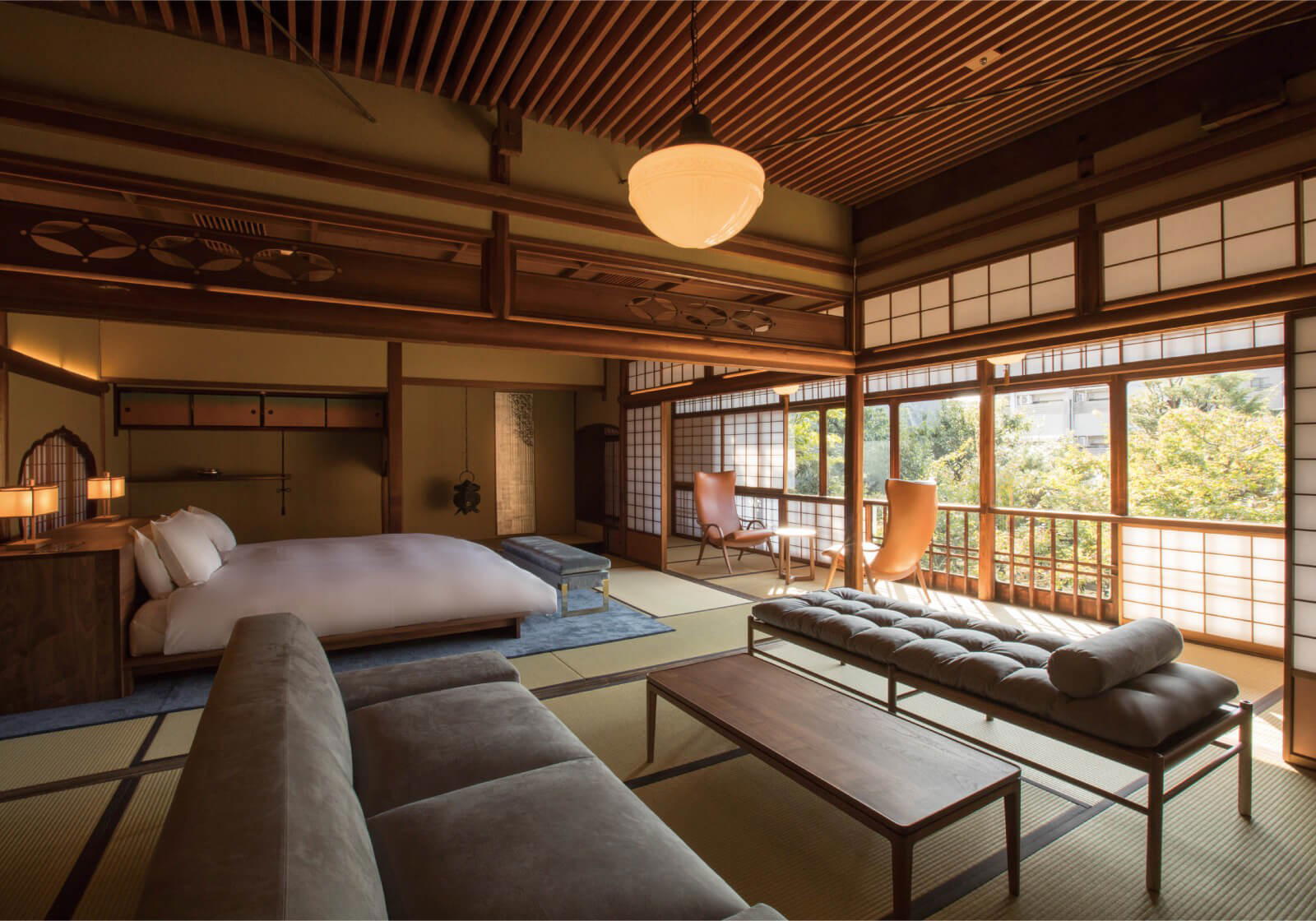
Hushed and personal atmosphere with refined interior, attentive unobtrusive service, and private tatami rooms.