



2 Michelin Stars · La Liste Top Restaurants · Tabelog Bronze #191
Our verdict
Kodaiji Wakuden sits in Kyoto’s formal kaiseki tier, where private rooms, season-led courses, and the etiquette of the ryotei define the meal more than spectacle. Its Tabelog Award Bronze recognition and placement on Opinionated About Dining’s 2026 Japan ranking put it in a serious competitive set for travelers weighing Kyoto’s ceremonial Japanese restaurants.

Pearl is the En Primeur Club membership app — saves, bookings, and concierge access live there. Same editors, same standards.
The menu
What to order
- Grilled Crab Course
- Dinner Course
- Shojin Course
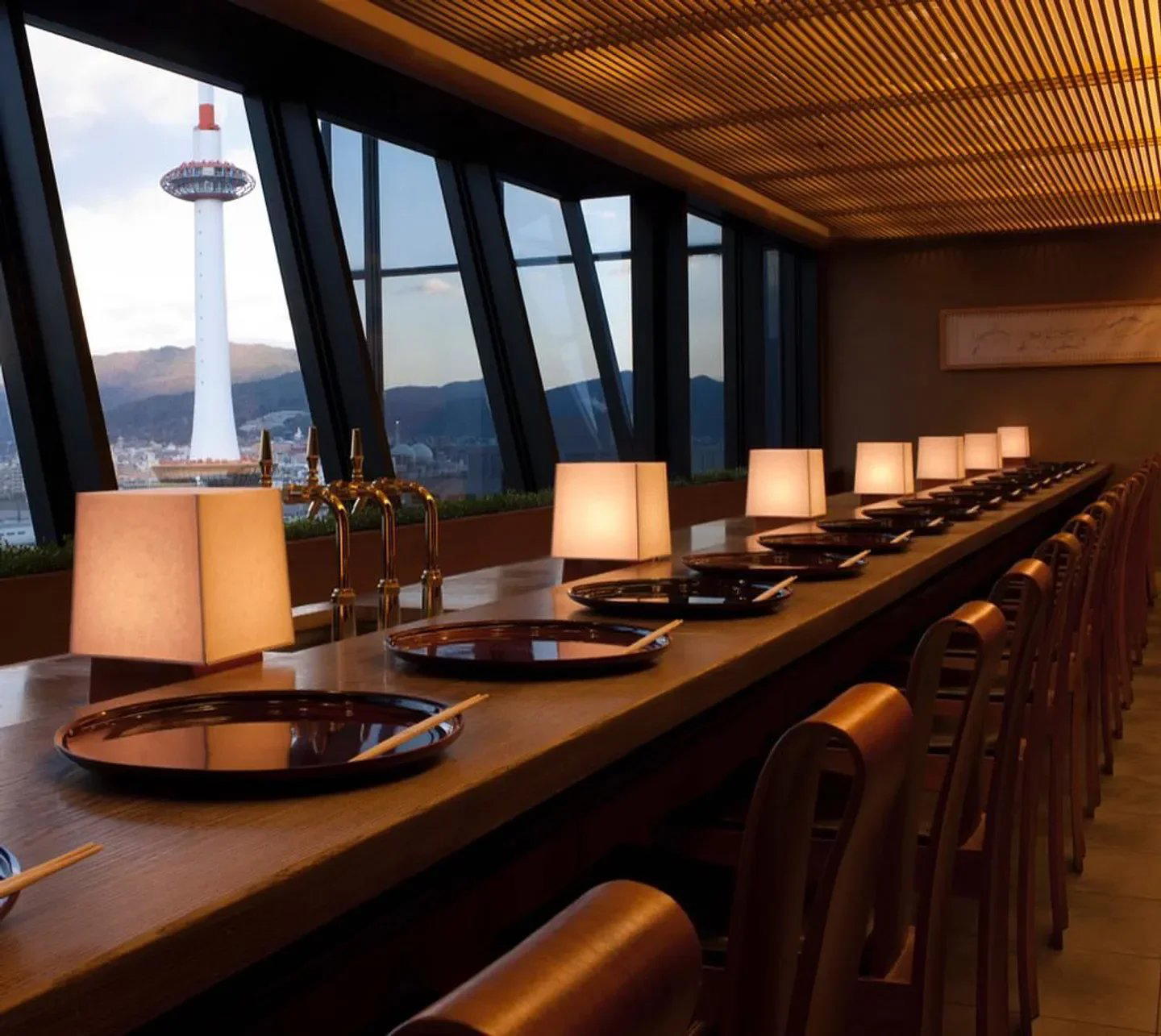
Approaching Kyoto’s eastern hills changes dinner’s tempo. Higashiyama is not built for hurry: temple approaches, old lanes, and low houses slow the city before the meal begins. Kodaiji Wakuden belongs to the Kyoto ryotei tradition, not contemporary destination-dining theatre. The point is not a chef-facing counter or social-media room, but a composed Japanese meal where architecture, privacy, service rhythm, and seasonal sequence carry equal weight.
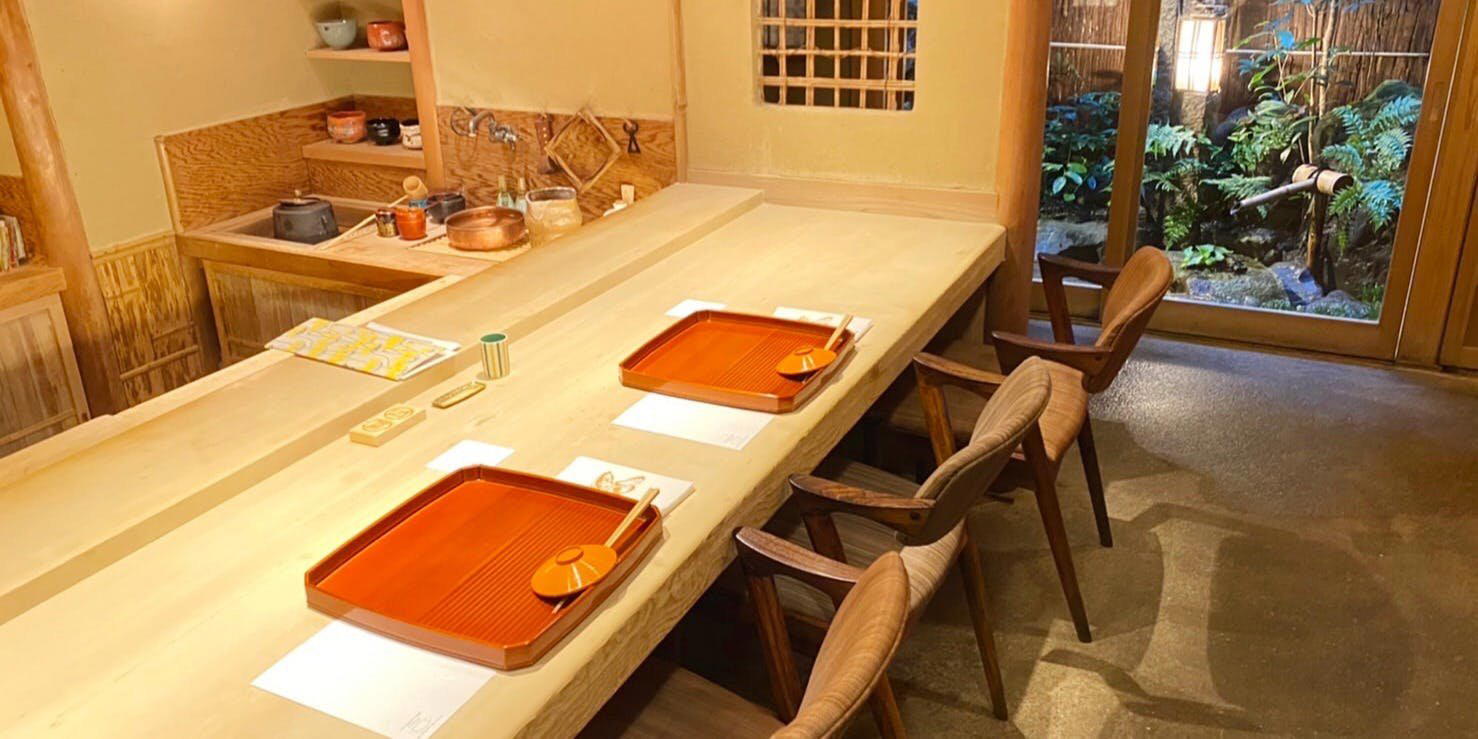
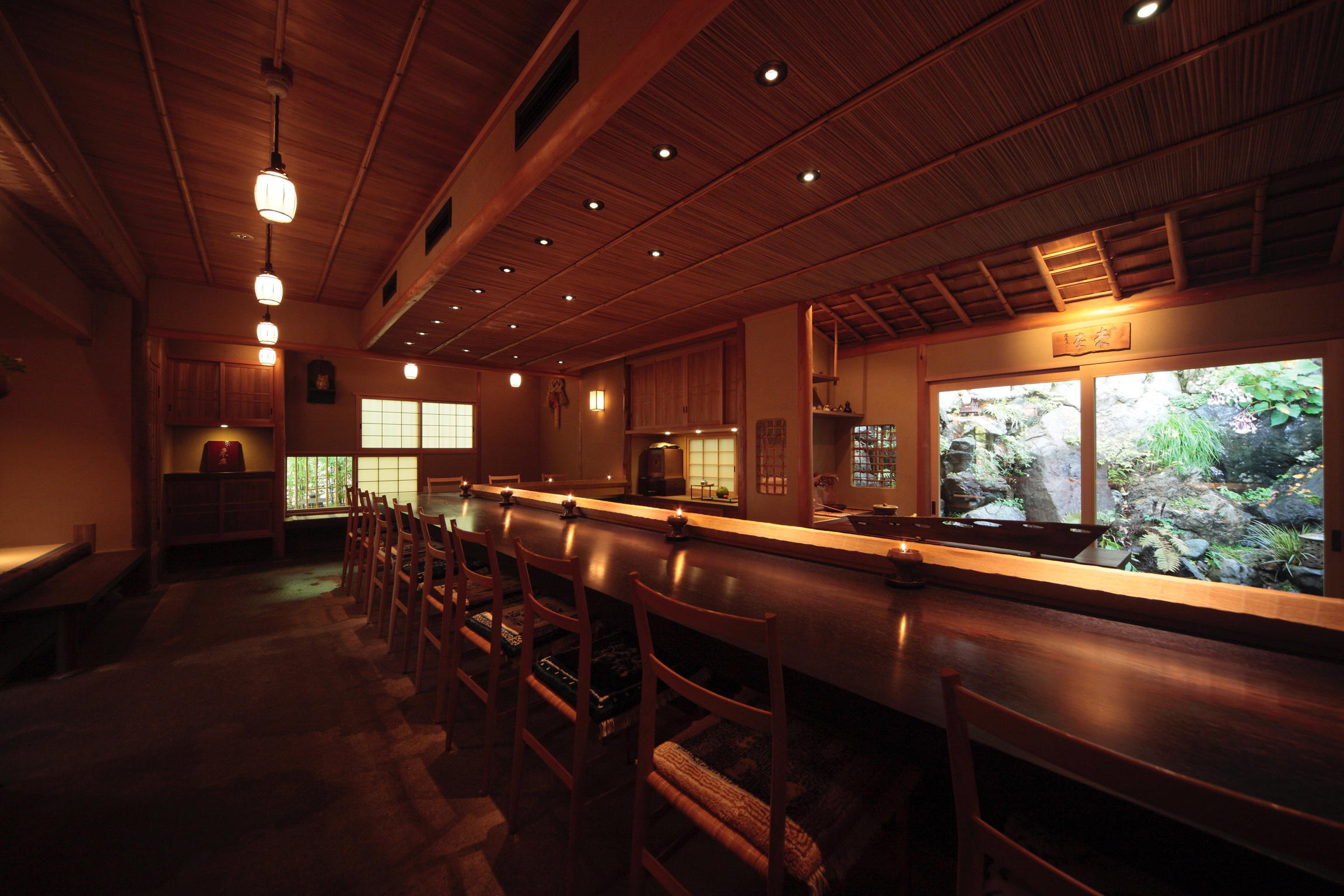
That matters because Kyoto dining is often flattened into “kaiseki,” though the city offers several formal modes: intimate counters, temple-adjacent salons, and family houses adapted for hospitality. Kodaiji Wakuden sits near the ryotei model: a house-restaurant with private rooms, tatami and sunken seating options, counter seating, and a meal structure that assumes time. Tabelog lists 50 seats across six private rooms, separating it from tiny counter restaurants while keeping it reservation-led and ceremonial.
Kyoto kaiseki viewed against the city's drinking-table culture
The comparison with izakaya culture is useful because the contrast is sharp. Kyoto’s casual drinking rooms run on shared plates, relaxed pacing, and the table’s negotiation of appetite: sake, shochu, beer, grilled food, pickles, fried dishes, and whatever comes next. Kaiseki reverses that logic. The meal is sequenced for the diner, not assembled by committee, and the table becomes a place of attention rather than improvisation.
Kodaiji Wakuden still connects to Japanese drinking-table language through drink and room format. Its drinks program is listed around sake, shochu, and wine, placing it within a broader Kyoto pattern: formal Japanese cuisine does not seal itself off from drinking culture; it refines it. The difference is control. In an izakaya, the table drives the rhythm. In a ryotei, the house does. The meal becomes less about ordering one more plate than reading season, temperature, vessel, and pacing as one continuous argument.
For travelers choosing among Kyoto kaiseki addresses, this is the key distinction. Gion Maruyama, Gion Nishikawa, Gion Owatari, and Gion Sasaki each express different Kyoto formalities, from classical restraint to counter-driven energy. Godan Miyazawa sits in another register, often considered by travelers deciding how much ceremony they want. Kodaiji Wakuden is for the diner who wants the ryotei frame central: private space, controlled pacing, and a sense that the meal belongs to Higashiyama as much as to the kitchen.
A ryotei format with measurable critical weight
Kyoto has many old-looking rooms and expensive meals; neither proves much alone. The stronger signal is consistent external recognition. Kodaiji Wakuden holds a Tabelog Award 2026 Bronze designation with a listed score of 4.12, was selected for Tabelog Japanese cuisine WEST 100 in 2025, and appears on Opinionated About Dining’s 2026 Top Restaurants in Japan Ranked list at No. 135. Those markers place it among Japan’s serious Japanese-cuisine addresses rather than tourist-facing traditional rooms.
The competitive set is demanding. Kikunoi Honten, Jiki Miyazawa, Gion Nishikawa, Gion Owatari, and Mizai all sit in the Kyoto kaiseki conversation, each asking a different question: old Kyoto ceremony, counter intimacy, chef-led conversation, or a private-room meal built around composure? Kodaiji Wakuden answers with the latter. Its 50-seat structure gives it more breadth than a small counter, while six private rooms keep the experience controlled. That balance suits couples, small groups, and travelers who want Japanese cuisine with quiet social space rather than single-counter performance.
The house also carries a regional backstory. Wakuden began as a restaurant and ryokan in Kyotango, north of Kyoto city. That origin matters because Kyoto kaiseki has long drawn authority from geography: mountain vegetables, sea routes, tea culture, ceramics, and courtly service all feed the form. A Kyotango lineage suggests a relationship with wider Kyoto prefecture, not only the old capital’s dining codes. The current Higashiyama address translates that regional frame into the formal language expected near Kodaiji.
How to decide if this is the right Kyoto meal
Right diner for Kodaiji Wakuden is not simply chasing an expensive Japanese dinner. It suits a traveler who wants formal Kyoto hospitality architecture to shape the meal: private rooms, non-smoking service, credit-card payment, and structured lunch or dinner that can run beyond two and a half hours. Listed budgets of JPY 30,000 to JPY 39,999 at lunch and JPY 50,000 to JPY 59,999 at dinner put it in the high-cost tier even before the 15 percent service charge. That pricing aligns it with serious kaiseki rather than casual washoku.
Reservations are required by phone, and cancellation fees apply from two days prior, so this is not a loose Kyoto option. The practical rhythm favors diners who understand Japanese formal dining expectations: arrive prepared for a paced meal, choose companions who will enjoy a quiet room, and treat drinks as part of the structure rather than a separate bar occasion. The restaurant lists sake, shochu, and wine, giving range without shifting the meal into izakaya-style looseness.
For a broader Kyoto itinerary, pair this ryotei meal with another register on a different day: a counter-led kaiseki address, a casual drinking room, or a modern Japanese restaurant with less ceremony. Our full Kyoto restaurants guide is the natural starting point for that spread. Travelers building the rest of the trip can also use our full Kyoto hotels guide, full Kyoto bars guide, full Kyoto wineries guide, and full Kyoto experiences guide to keep the meal in proportion to the city around it.
Readers comparing Japanese dining across regions may find the contrast useful beyond Kyoto. Ginza Kojyu, Kaiseki, Japanese in Tokyo shows how the capital frames high-end Japanese cuisine differently, while Aburi Hana, Kaiseki, Japanese in Toronto reflects how the form travels outside Japan. For less formal Japanese dining references across the country, the spectrum runs from -Grilled beef Sukiyaki- KAMAKURA TANUKIAN 鎌倉 たぬき庵 in Kamakura and. 鮪と炭火焼き うお炭 秋葉原店 in Tokyo to.cafe in Osaka.know in Kumamoto, (Shoku) Vietnam in Kawasaki, and [Curry Senmon Ten] Maruyama Kyoju. in Sapporo. Against that field, Kodaiji Wakuden is not just a Kyoto dinner; it is a lesson in how formal Japanese hospitality edits the social pleasure of eating and drinking into something slower, quieter, and more exacting.
Frequently asked questions
How much does it cost to eat at Kodaiji Wakuden?
Pricing at Kodaiji Wakuden is listed as ¥¥¥¥.
What cuisine category does Kodaiji Wakuden fall under?
Kodaiji Wakuden serves Kaiseki, Japanese cuisine.
When is Kodaiji Wakuden open?
Hours at Kodaiji Wakuden: Hours: Monday 12–3 pm, 5:30–9 pm Tuesday 12–3 pm, 5:30–9 pm Wednesday 12–3 pm, 5:30–9 pm Thursday 12–3 pm, 5:30–9 pm Friday 12–3 pm, 5:30–9 pm Saturday Closed Sunday Closed.
Where do I go for Kodaiji Wakuden?
Kodaiji Wakuden is located in Kyoto.
Cost Snapshot
Comparable venues by cuisine and price in the same metro.
| Venue | Cuisine | Price | Awards | Notes |
|---|---|---|---|---|
| Kodaiji WakudenThis venue (the venue you are viewing) | Luxury Kaiseki | $300–500 | 2 Michelin Stars · La Liste Top Restaurants | Not listed |
| Ifuki | Sumibi Kappo Kaiseki | $200–300 | 2 Michelin Stars · La Liste Top Restaurants | Higashiyama, Sumibi Kappo Kaiseki |
| Gion Maruyama | Kyoto Kaiseki | $200–300 | 2 Michelin Stars · La Liste Top Restaurants | Higashiyama, Kyoto Kaiseki |
| Kikunoi Roan | Seasonal Kyoto Kaiseki | $150–200 | 2 Michelin Stars · La Liste Top Restaurants | Shimogyō, Seasonal Kyoto Kaiseki |
| Gion Matayoshi | Michelin 2-Star Kaiseki | $200–300 | 2 Michelin Stars · Tabelog Bronze #262 | Higashiyama, Michelin 2-Star Kaiseki |
| Gion Nishikawa | Michelin-Starred Kaiseki | $200–300 | 2 Michelin Stars · La Liste Top Restaurants | Higashiyama, Michelin-Starred Kaiseki |
Recognition history
Dated appearances from independent guides and award organizations, with the underlying list record or original source where available.
Michelin 2 Stars
Michelin
La Liste Top Restaurants
La Liste
Opinionated About Dining Top Restaurants in Japan Ranked #135
Opinionated About Dining
Tabelog Bronze #191
Tabelog
Full recognition history (11 entries)
Michelin 2 Stars
Michelin
Opinionated About Dining Top Restaurants in Japan Ranked #125
Opinionated About Dining
Tabelog Bronze
Tabelog
Tabelog 100 #33 · No. 33
Tabelog · Tabelog 100 - Japanese cuisine - WEST - 2025
Michelin 2 Stars
Michelin
Opinionated About Dining Top Restaurants in Japan Ranked #223
Opinionated About Dining
Opinionated About Dining Top Restaurants in Japan Highly Recommended
Opinionated About Dining
Continue exploring
More in Kyoto
Restaurants in Kyoto
All restaurants in Kyoto →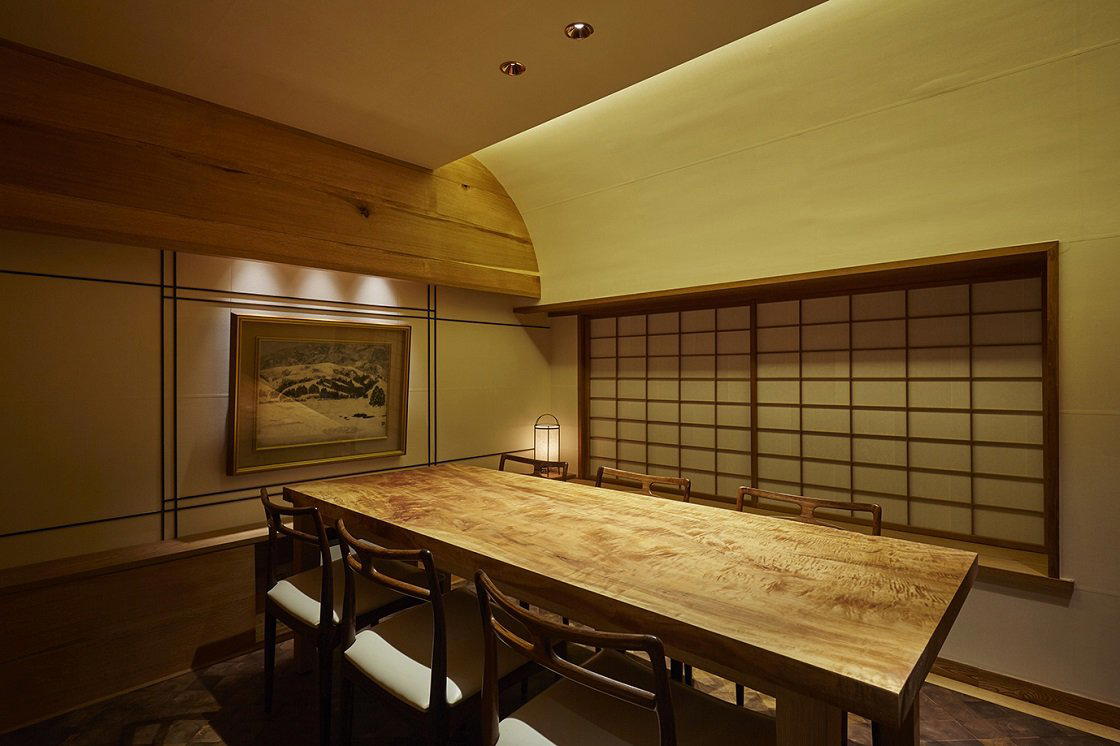
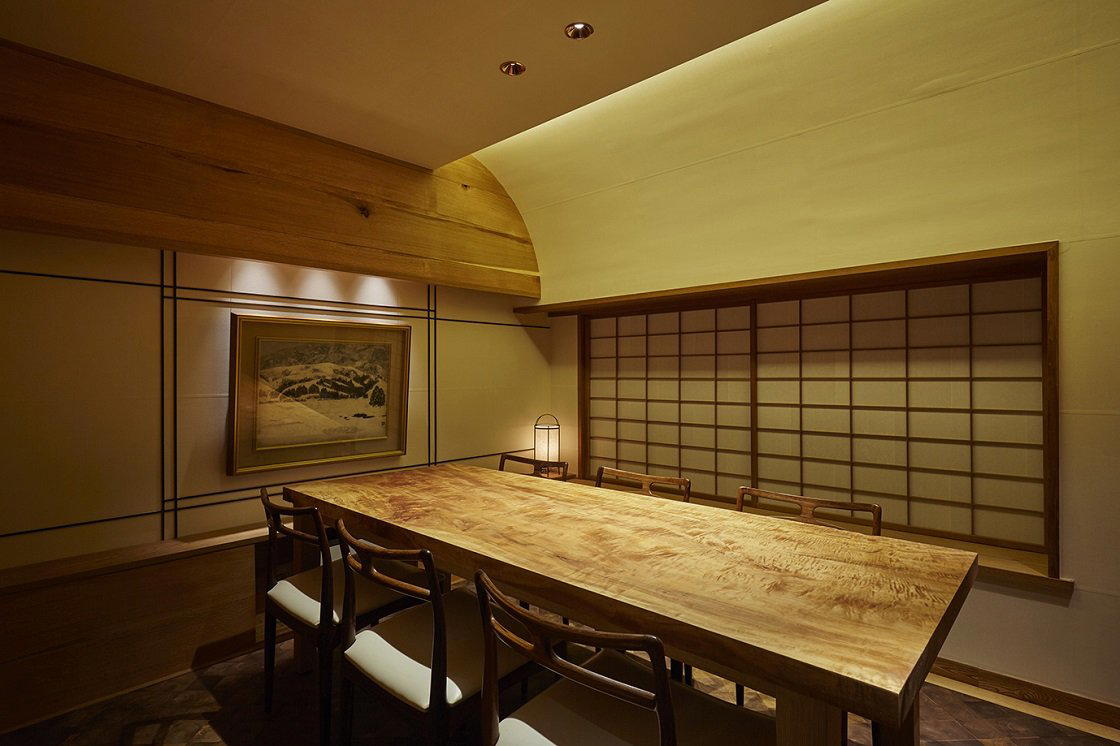
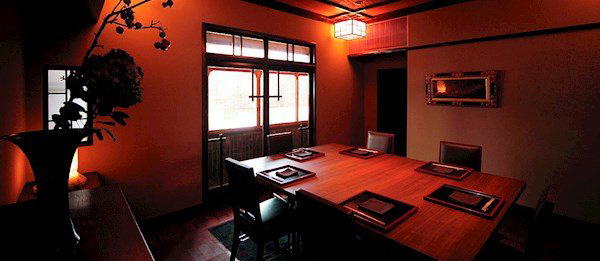
Bars in Kyoto
All bars in Kyoto →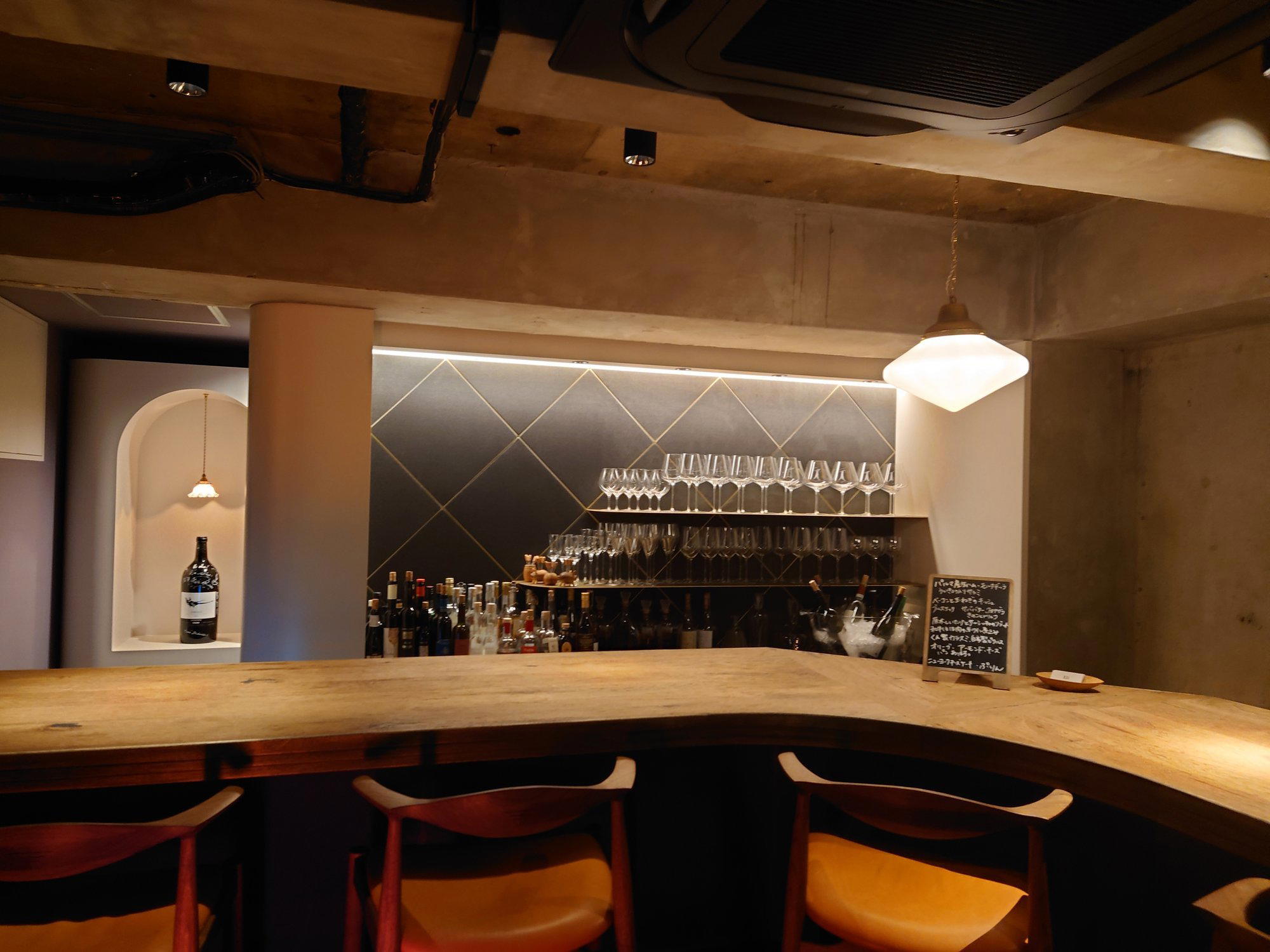
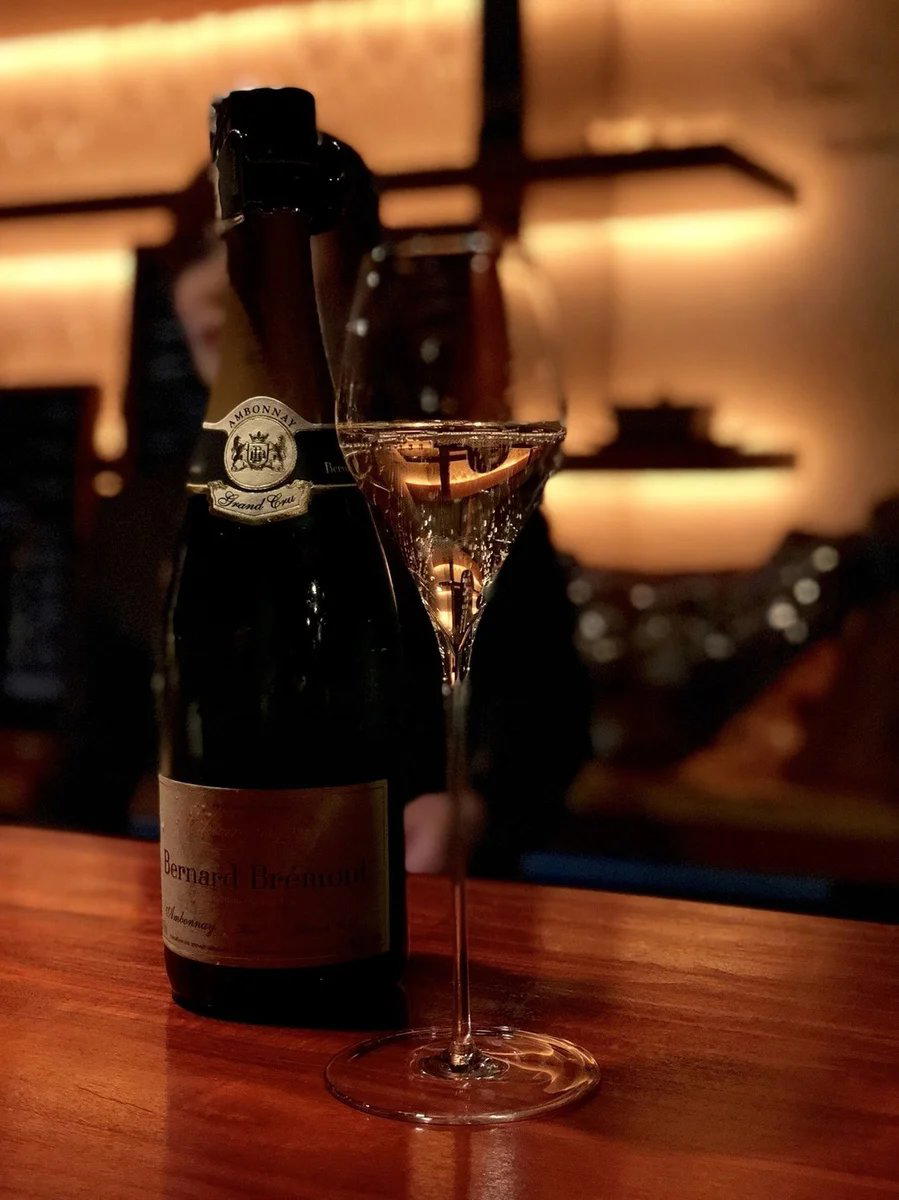
Hotels in Kyoto
All hotels in Kyoto →
Wineries in Kyoto
Browse all →
Details
- Elegant
- Quiet
- Intimate
- Sophisticated
- Classic
- Special Occasion
- Date Night
- Business Dinner
- Private Dining
- Chefs Counter
- Historic Building
- Sake Program
- Local Sourcing
- Garden
- Tasting Menu
- Prix Fixe
- Sake
- Wine
- Vegetarian Friendly
- Gluten Free Options
Current opening hours
- Monday
- 12–3 PM, 5:30–9 PM
- Tuesday
- 12–3 PM, 5:30–9 PM
- Wednesday
- 12–3 PM, 5:30–9 PM
- Thursday
- 12–3 PM, 5:30–9 PM
- Friday
- 12–3 PM, 5:30–9 PM
- Saturday
- 12–3 PM, 5:30–9 PM
- Sunday
- Closed
Hours can change for holidays and private events. Last verified .
Traditional Japanese house with understated elegance, dim lighting, and serene, oasis-like calm in private rooms.