Our verdict
馳走 とし藤 operates in Kusatsu, Shiga Prefecture, a city that sits within reach of Kyoto's kaiseki tradition yet maintains its own quieter register of Japanese hospitality. The restaurant's address in central Kusatsu places it at the intersection of Shiga's lake-country produce and the refined cooking culture that radiates outward from the ancient capital. For visitors tracing serious Japanese dining beyond the major urban circuits, it warrants attention alongside the broader Kusatsu dining scene.

Pearl is the En Primeur Club membership app, where members save venues, book tables and use the concierge.
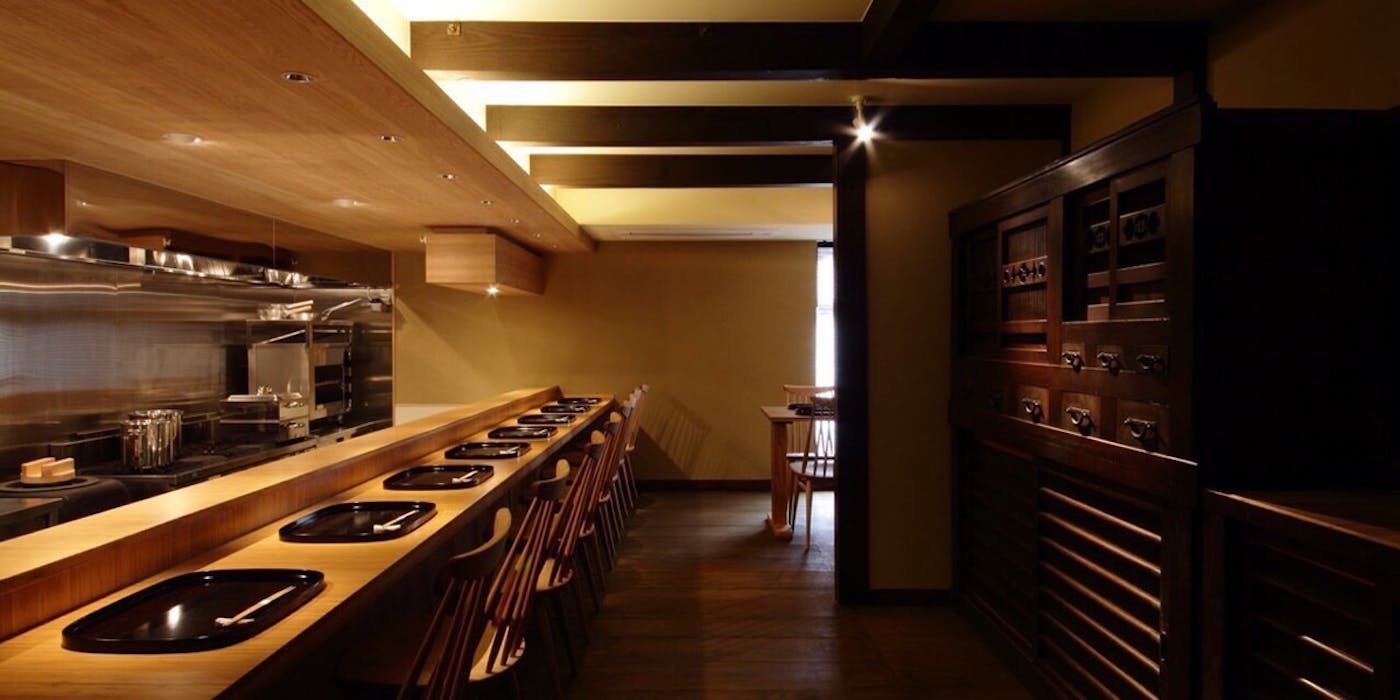
Kusatsu's Place in the Kansai Dining Conversation
The city of Kusatsu occupies a geographical position that has historically made it a crossroads: the old Tokaido and Nakasendo roads once converged here, and the proximity to Lake Biwa, Japan's largest freshwater lake, shaped a local food culture that draws on lacustrine produce, Omi beef, and the fermented fish traditions unique to Shiga Prefecture. Today, Kusatsu sits roughly midway between Kyoto and Nagoya on the shinkansen arc, a location that makes it accessible without placing it inside the competitive pressure cooker of either city's dining scene. That positioning matters when assessing restaurants like Kogetsu and 馳走 とし藤: venues here operate with a degree of remove from the constant critical gaze trained on Kyoto's Gion district or Osaka's Minami, which can, in the right hands, translate into cooking that answers to a different standard.
Shiga Prefecture's culinary identity is less internationally documented than that of its neighbors, which means the region's serious restaurants rarely appear on the itineraries of visitors moving quickly between Tokyo and Kyoto. That gap between quality and visibility is a structural feature of mid-sized Japanese provincial cities, not an accident. Our full Kusatsu restaurants guide maps the broader picture for travelers considering the city as a dining destination in its own right.
The Cultural Weight of 馳走
The name 馳走 とし藤 carries a specific cultural signal. The word chisō (馳走) in classical Japanese means, literally, running around to gather and prepare food for a guest, a hospitality concept rooted in the effort and care of sourcing rather than in any particular style or technique. It appears in the phrase gochisōsama deshita, the customary expression of gratitude offered after a meal, but its original meaning emphasized the host's active work on the guest's behalf. Restaurants that take this word as part of their name are positioning themselves within a specific tradition of Japanese host culture, one in which the diner's experience is understood as the product of sustained, behind-the-scenes labor that extends from the market to the table.
That tradition is most codified in kaiseki, the multi-course format that developed in Kyoto's tea ceremony culture and gradually absorbed influences from the city's Buddhist temple kitchens and merchant class entertaining. Kaiseki's relationship to season, its insistence on local produce expressed at their peak moment, and its visual discipline, the careful attention to how food sits on a surface, constitute a set of values that radiates out from Kyoto into surrounding prefectures. Restaurants in Shiga that operate within this tradition do so with Kyoto's standards as an implicit reference point, even when their clientele and sourcing are entirely local. For comparison, Gion Sasaki in Kyoto represents the epicenter of that tradition in its most scrutinized form.
Where 馳走 とし藤 Sits in a Broader Regional Picture
The Kansai region has developed a layered hierarchy of serious Japanese dining. At the leading, venues like HAJIME in Osaka operate in an internationally referenced tier where French technique and Japanese produce intersect at significant cost. Below that, a broader stratum of kaiseki and kappo restaurants sustains the day-to-day serious dining culture of the region's cities. Kusatsu restaurants sit within this second tier, serving a clientele that is predominantly local and regional rather than international, which tends to produce a different kind of discipline: less performative, more attuned to the expectations of guests who return regularly and notice when the sourcing slips.
Shiga's own produce credentials are real. Omi beef, one of Japan's three historically recognized wagyu lineages alongside Kobe and Matsusaka, originates in this prefecture. Lake Biwa supplies honmoroko (a small endemic fish), isaza (a goby used in traditional preparations), and ayu sweetfish during the spring and summer runs. The fermented fish preparation known as funazushi, crucian carp preserved in rice over months or years, is among Japan's oldest forms of lactic-acid fermentation, predating the vinegared rice of modern sushi by centuries. A restaurant taking its name from the concept of effortful sourcing, operating in this prefecture, has access to ingredients that carry genuine regional specificity. How that access is exercised is what defines a venue's actual standing.
Across Japan, the pattern of serious provincial restaurants drawing comparisons to major-city peers repeats consistently. Goh in Fukuoka demonstrates how a restaurant outside Tokyo can anchor itself to a distinct local produce identity while operating at a nationally referenced level. akordu in Nara shows a different approach: European technique applied to a city whose culinary identity is typically framed around temple food and tofu rather than fine dining. Kusatsu's position between Kyoto and the lake gives it a different kind of raw material to work with.
Planning a Visit
馳走 とし藤 is located at 2 Chome-7-30 Kusatsu, Shiga 525-0034. Kusatsu is served by the JR Biwako Line, with direct trains from Kyoto taking approximately fifteen to twenty minutes, making it feasible as a dining excursion from Kyoto rather than requiring an overnight stay. For travelers already in the Shiga region, it pairs naturally with visits to the lake shore or the historic post-town areas nearby. Restaurants of this type in provincial Japanese cities, operating under a hospitality-first name and a local-produce mandate, frequently run limited covers and do not maintain English-language booking infrastructure, which means building in lead time and, if necessary, enlisting a hotel concierge is the practical approach.
For context on what serious Japanese dining outside the headline cities looks like at different price points, the experiences at Harutaka in Tokyo and Atomix in New York City offer useful calibration of the global tier, while regional venues like 湖畔庵藤五 in Takashima, also in Shiga Prefecture, and 一本杉 川嶋 in Nanao illustrate how the Chubu and Hokuriku regions approach a similar challenge of provincial fine dining with distinctive local materials. Further afield, 夕波亭乃 in Sapporo and 旅籠屋 in Nishikawa Machi represent the northern end of Japan's serious regional dining spectrum. For visitors with more time in the Kansai area, Le Bernardin in New York City serves as a global reference point for the discipline that separates serious destination restaurants from their surroundings, a standard against which Japan's serious provincial venues consistently hold their own.
Frequently asked questions
What's 馳走 とし藤's location?
馳走 とし藤 is located at 2 Chome-7-30 Kusatsu, Shiga 525-0034, Japan, Kusatsu.
Is 馳走 とし藤 a good option for a day trip from Kyoto?
Kusatsu sits on the JR Biwako Line with direct trains from Kyoto running approximately 20 minutes, making 馳走 とし藤 at 2 Chome-7-30 Kusatsu, Shiga 525-0034 a practical destination for a half-day excursion. The venue's chisō ethos suggests a meal built around the host's market choices on any given day, which suits an unhurried visit rather than a quick stop. Pairing the meal with Kusatsu's historical post-town sites or proximity to Lake Biwa adds further reason to make the journey.
What dish is 馳走 とし藤 famous for?
Specific menu details for 馳走 とし藤 have not been publicly documented, but the venue's name offers a meaningful signal: chisō (馳走) refers in classical Japanese to the act of running about to gather and prepare food for guests, implying a host-driven, seasonally responsive approach rather than a fixed repertoire. Kusatsu's position at the historical convergence of the Tokaido and Nakasendo roads places it within reach of both Kyoto and Lake Biwa's larder, which typically informs this style of cooking. To confirm current preparations, contacting the venue directly is advised.
Should I book 馳走 とし藤 in advance?
No booking window is publicly stated for 馳走 とし藤, but restaurants operating under the chisō model in the Kansai region, particularly those with a single host or small kitchen team, routinely require reservations. The venue is located at 2 Chome-7-30 Kusatsu, Shiga 525-0034, and arrival is straightforward via the JR Biwako Line from Kyoto. Arriving without a reservation at venues of this format in Japan carries a meaningful risk of finding no seats available.
What has 馳走 とし藤 built its reputation on?
The venue's name is itself a statement of intent: chisō (馳走) carries the cultural weight of total hospitality, where the host exerts effort at every stage of sourcing and preparation on the guest's behalf. This positions 馳走 とし藤 within a Kansai dining tradition that prizes restraint, seasonal precision, and the host-guest relationship over spectacle. Kusatsu, historically a post town at the junction of Japan's two great Edo-period roads, provides a regional context that serious diners in the Kyoto-Osaka corridor have increasingly begun to map.
Cost and Credentials
Comparable venues nearby, for context on price, style, and recognition.
| Venue | Cuisine | Price | Awards | Notes |
|---|---|---|---|---|
| 馳走 とし藤This venue (the venue you are viewing) | Traditional Japanese Kaiseki | $30–50 | Not listed | Not listed |
| Glicine | Seasonal Italian (Omi beef–focused) | $100–150 | Tabelog 100 #58 | Not listed |
| Hakata Tonkotsu Masao | Hakata-style Tonkotsu Ramen | $10–20 | Tabelog 100 #34 | Anamura-cho, Hakata-style Tonkotsu Ramen |
| Kogetsu | Traditional Japanese Kaiseki | $100–150 | Not listed | Oji, Traditional Japanese Kaiseki |
| Pan du Marche | Japanese artisan bakery | Not listed | Tabelog 100 #7 | Not listed |
| Tezukuri Hamburger steak Apeze | Japanese Western (Yoshoku) Hamburger Steak | Not listed | Tabelog 100 #85 | Minami Kusatsu, Japanese Western (Yoshoku) Hamburger Steak |
Continue exploring
More in Kusatsu
Restaurants in Kusatsu
All restaurants in Kusatsu →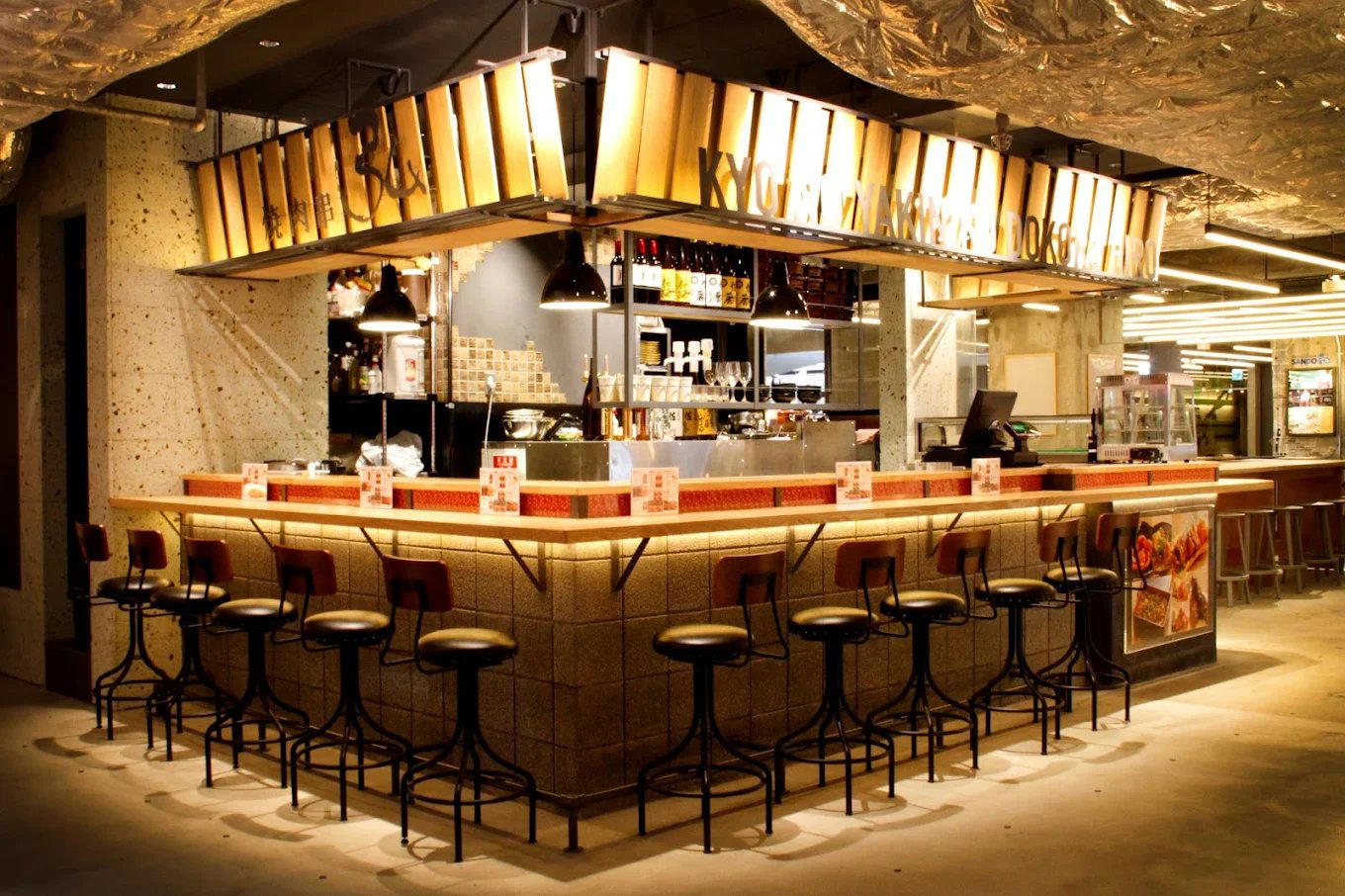
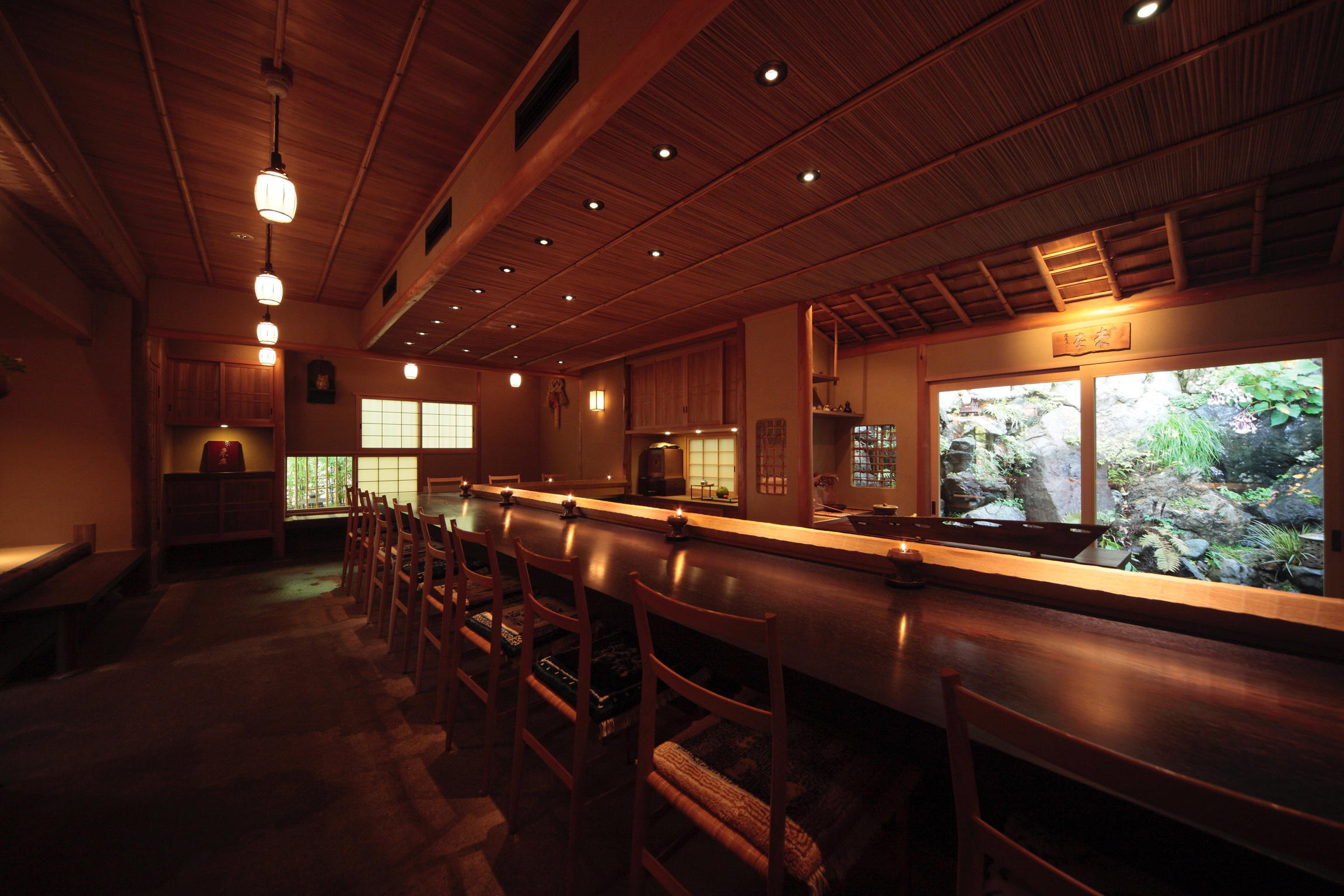
Bars in Kusatsu
Browse all →

Hotels in Kusatsu
Browse all →
Wineries in Kusatsu
Browse all →
Details
- Elegant
- Sophisticated
- Intimate
- Special Occasion
- Tasting Menu
Current opening hours
- Monday
- Closed
- Tuesday
- 12–2:30 PM, 6–9:30 PM
- Wednesday
- 12–2:30 PM, 6–9:30 PM
- Thursday
- 12–2:30 PM, 6–9:30 PM
- Friday
- 12–2:30 PM, 6–9:30 PM
- Saturday
- 12–2:30 PM, 6–9:30 PM
- Sunday
- 12–2:30 PM, 6–9:30 PM
Hours can change for holidays and private events. Hours as of .
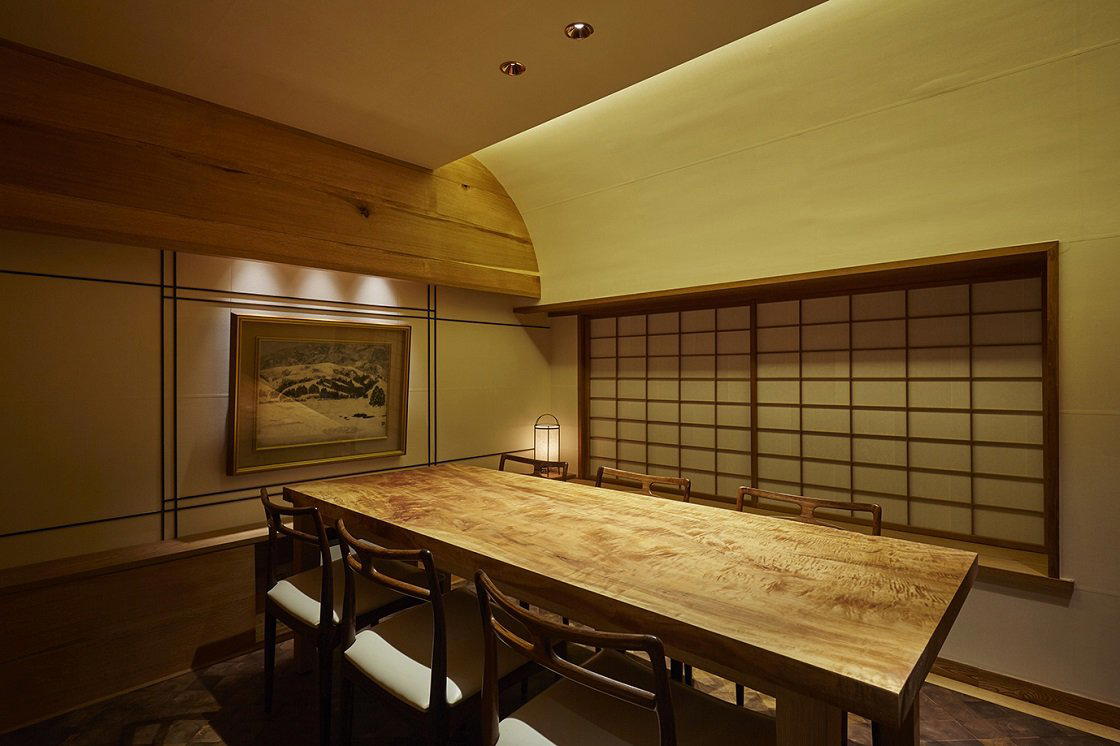
Elegant and beautiful with a focus on highlighting fresh ingredient flavors through simple preparations.