


An hour's drive from central Kyoto into the mountains of Sakyo-ku, Miyama Sou operates as both restaurant and inn, run by the Nakahigashi family across four generations. Chef Hisato Nakahigashi forages daily from the surrounding land, building menus from what the mountain offers rather than what a supplier delivers. For those who find city kaiseki too controlled, this is where the discipline of that tradition meets something less predictable.
Pearl is the En Primeur Club membership app — saves, bookings, and concierge access live there. Same editors, same standards.
- Address
- 375 Daihizan, Hanaseharichi-cho, Sakyo-ku, 601-1102 Kyoto, Japan
- Phone
- +81757460231
- Website
- miyamasou.jp
- Directions
- Get directions
 Saves & bookings on Pearl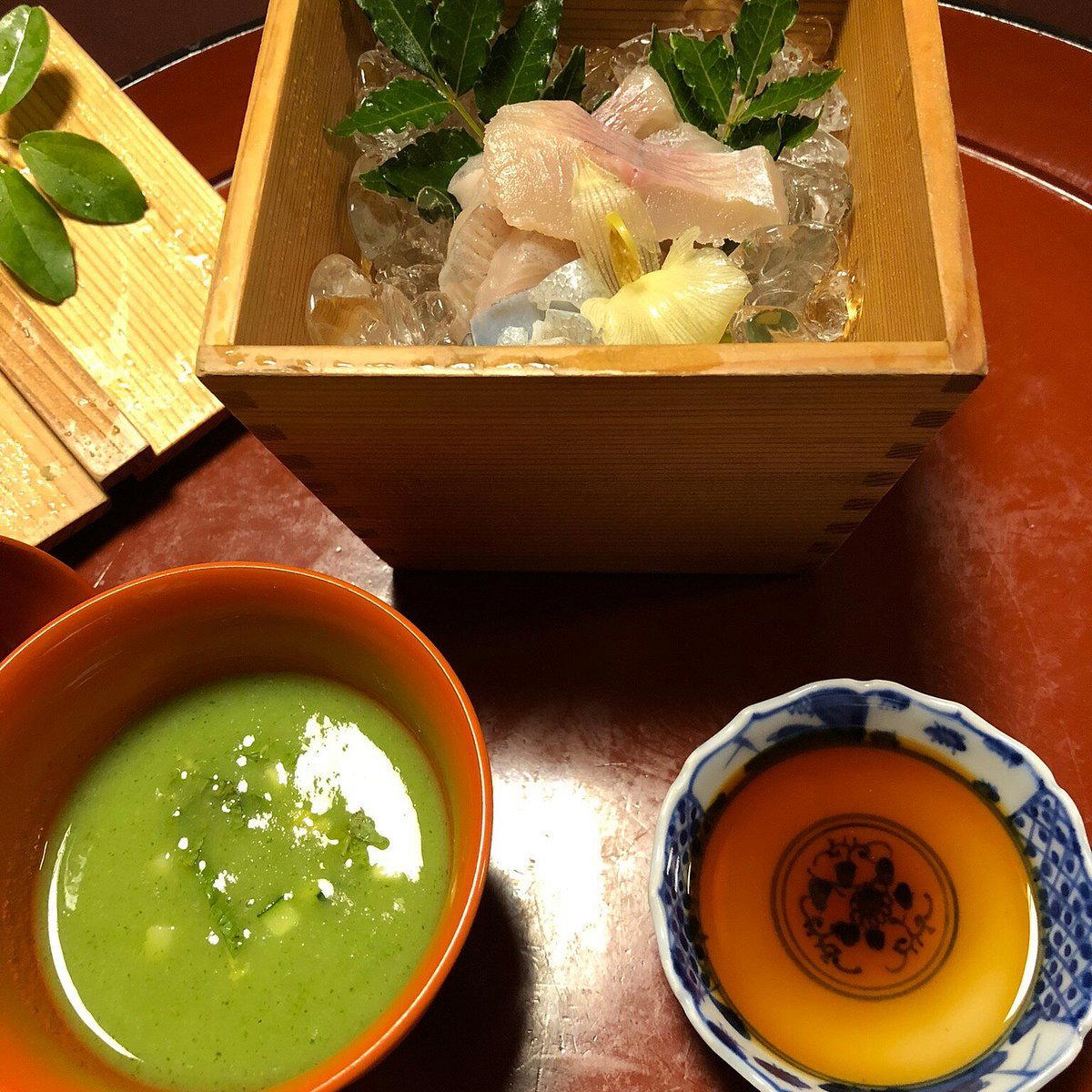
Where the Mountain Sets the Menu
The approach to Miyama Sou establishes the terms of the meal before you arrive at the door. The road from central Kyoto climbs into the Kitayama range through cedar forests and along river gorges, leaving behind the temple circuit and the dense accommodation corridors of Higashiyama. By the time the building appears, roughly an hour from the city, the context has shifted entirely. The surrounding land is the kitchen's primary supplier, and the daily menu is whatever the morning foraging yields.
That relationship between place and plate is not incidental framing. It is the operating logic of the kitchen, and it is what separates Miyama Sou from the kaiseki establishments that anchor Kyoto's formal dining hierarchy. Venues like Kikunoi Honten, Hyotei, and Mizai operate within the rigorously codified kaiseki framework, where seasonal sourcing is expected but the structural discipline of the sequence remains constant. At Miyama Sou, the sequence bends to what the day produces. Wild herbs, foraged flowers, and mountain vegetables appear in configurations that shift not seasonally but daily, making each visit unrepeatable in a literal sense.
The Logic of the Return Visit
Regulars at the restaurant do not return to chase a signature dish. There is no fixed anchor on the menu to revisit, no preparation that has become a calling card in the way that certain courses define the experience at Gion Sasaki or Isshisoden Nakamura. What loyal guests return for is closer to a relationship with a place across time, the accumulated experience of visiting across different seasons, different years, different weather conditions, and understanding how dramatically the same kitchen can read under different circumstances.
That is a different proposition from most premium dining, in Japan or elsewhere. At Harutaka in Tokyo or HAJIME in Osaka, the chef's personal language is the fixed point that gives a meal its coherence across visits. Here, the fixed point is the mountain itself. the fourth generation of his family to operate the property interprets that landscape for the table, but the land leads. The result is a cuisine that is particularly refined and delicate, to borrow the language of those who have assessed it, but whose refinement comes from restraint and attention rather than technical elaboration.
This foraging-led approach also operates at a remove from the kind of nature-forward cooking that has become a format signal in European fine dining. Venues from Scandinavia to the Basque country have built global profiles around foraged ingredient narratives, but often within kitchens that apply significant technique to those materials. At the restaurant, the preparation stays close to the ingredient. The mountain produces something delicate; the kitchen preserves that delicacy rather than transforming it.
Four Generations, One Address
The Nakahigashi family's four-generation tenure at this address in Hanaseharichi-cho is itself a form of credential that sits outside the Michelin and award framework. Continuity at this scale, in a single mountain location, implies a different kind of institutional knowledge: accumulated understanding of how the surrounding land behaves across decades, which slopes produce what in early spring versus late autumn, how a wet year changes the foraging calendar. That accumulated knowledge does not translate into accolades in the conventional sense, but it shapes the specificity of what appears on the plate.
The dual function as restaurant and inn shapes how guests engage with the property. Staying overnight rather than driving up from the city removes the time pressure that compresses many premium dining experiences into a single intense sequence. Guests who spend the night can absorb the transition between evening and morning, between the meal and the landscape that produced it. Rural ryokan dining in Japan has a long tradition of this kind of full immersion, and the restaurant operates within that tradition rather than offering a diluted version of it.
For those drawing comparisons across the broader Kansai region, akordu in Nara represents another approach to placing serious cooking within a quieter, historically layered setting outside a major city. Further afield, Bleston Court Yukawatan in Nagano and giueme in Akita demonstrate how Japan's regional dining circuit has developed serious kitchens at meaningful distances from the major urban anchors. The restaurant predates most of that development and in some respects established the template.
Getting There and Planning the Visit
The address, 375 Daihizan, Hanaseharichi-cho, Sakyo-ku, places the restaurant in a mountain valley accessible from central Kyoto by car. The drive takes approximately one hour under normal conditions. The property sits close to Bujouji temple, which provides a geographic anchor for those planning the route. Given the distance and the nature of the experience, combining the meal with an overnight stay is the more considered approach. Day-trip visits are possible but compress an experience that is structured around slowness and immersion.
Because the menu changes daily based on what is foraged, there is no fixed dish list to review in advance. The appropriate preparation is an understanding of and openness to the kitchen's logic rather than specific expectations about what will appear. Those who have visited across multiple seasons consistently describe the cuisine as refined and delicate, with the mountain's wild herbs, vegetables, and flowers forming the primary palette. The property's age and its proximity to the forested Kitayama range shape the meal before the first course arrives.
The Essentials
Comparable venues nearby, for context on price, style, and recognition.
| Venue | Cuisine | Price | Notes |
|---|---|---|---|
| Miyama SouThis venue — the venue you are viewing | Sakyō, Tsumikusa Kaiseki | $$$$ | Not listed |
| ゑび秀 | Not listed | $$$$ | Higashiyama, Traditional Kyoto Oden Omakase |
| Restaurant MAEKAWA | Higashiyama, Modern Japanese Ryoriya | $$$$ | Not listed |
| 未在 | Higashiyama, Seasonal Kaiseki Kappo | $$$$ | Not listed |
| Tempura Endoh Yasaka | Higashiyama, Kyoto-Style Tempura | $$$$ | Not listed |
| 天ぷら 京星 | 祇園, Kyoto-Style Tempura | $$$$ | Not listed |
Recognition history
Dated appearances from independent guides and award organizations, with the underlying list record or original source where available.
Michelin 3 Stars
Michelin
Opinionated About Dining Top Restaurants in Japan Ranked #46
Opinionated About Dining
We're Smart World 4 Radishes
We're Smart World
Continue exploring
More in Kyoto
More from Chef Hisato Nakahigashi
Browse all →
Restaurants in Kyoto
Browse all →
Bars in Kyoto
Browse all →
Hotels in Kyoto
Browse all →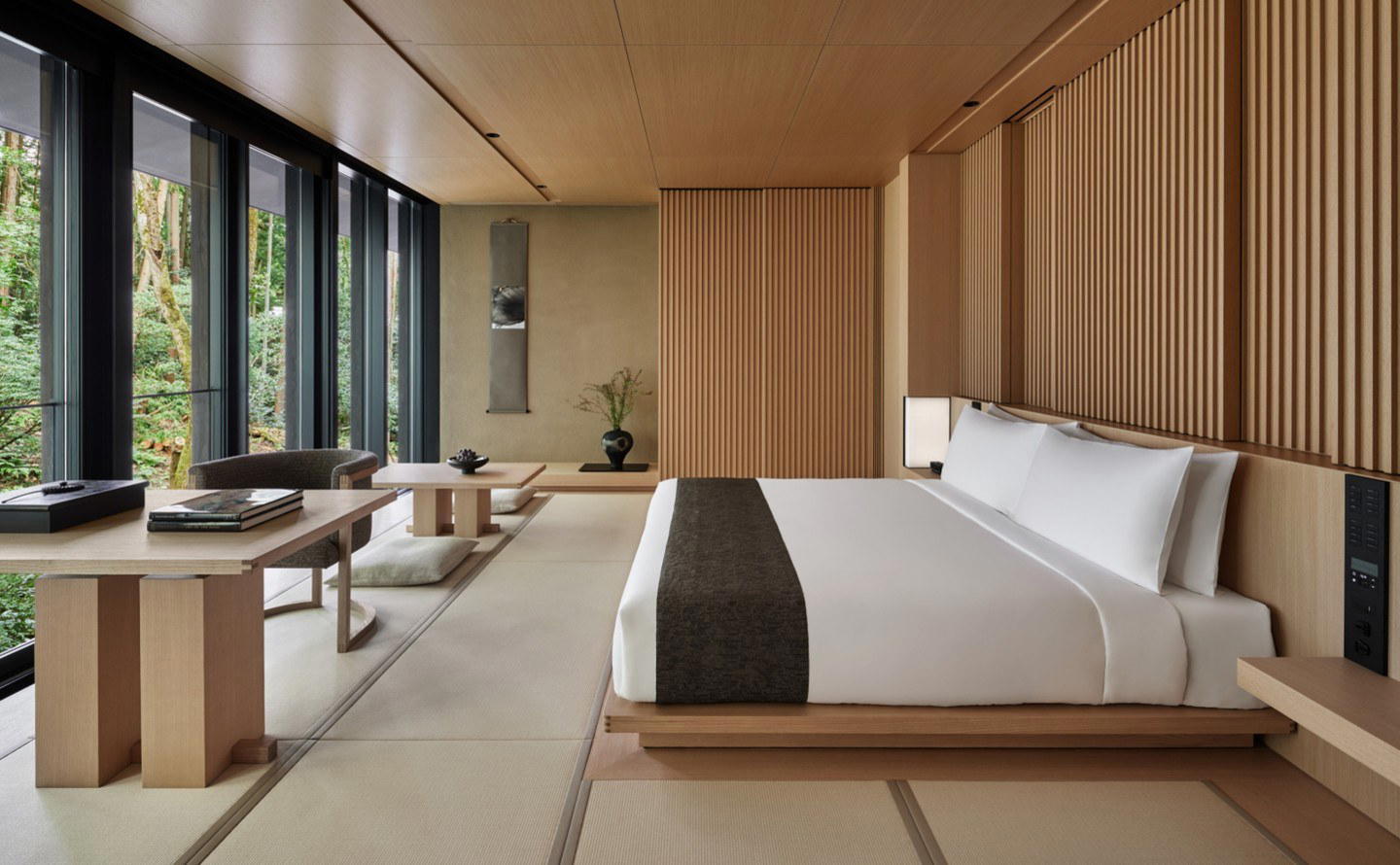
Wineries in Kyoto
Browse all →
At a Glance
- Quiet
- Elegant
- Intimate
- Scenic
- Rustic
- Sophisticated
- Special Occasion
- Date Night
- Celebration
- Chefs Counter
- Open Kitchen
- Historic Building
- Sake Program
- Local Sourcing
- Mountain
- Garden
- Street Scene
Minimalist sukiya-style rooms with natural light, forest and river views, serene mountain atmosphere enhanced by flowing water sounds and seasonal foliage.