

1 Michelin Key · World's 50 Best #33
Patina Osaka occupies a glass-fronted tower in Chuo Ward with direct views over Osaka Castle, marking the group's first Japanese property. The 221-room hotel combines warm-toned quiet-luxury interiors with a multi-restaurant program that includes 19th-floor Basque dining at Iñaki. Rates start at approximately $656 per night, placing it in the upper tier of the Osaka market.

Pearl is the En Primeur Club membership app — saves, bookings, and concierge access live there. Same editors, same standards.
Castle Light, Green Glass, and the Geometry of Arrival
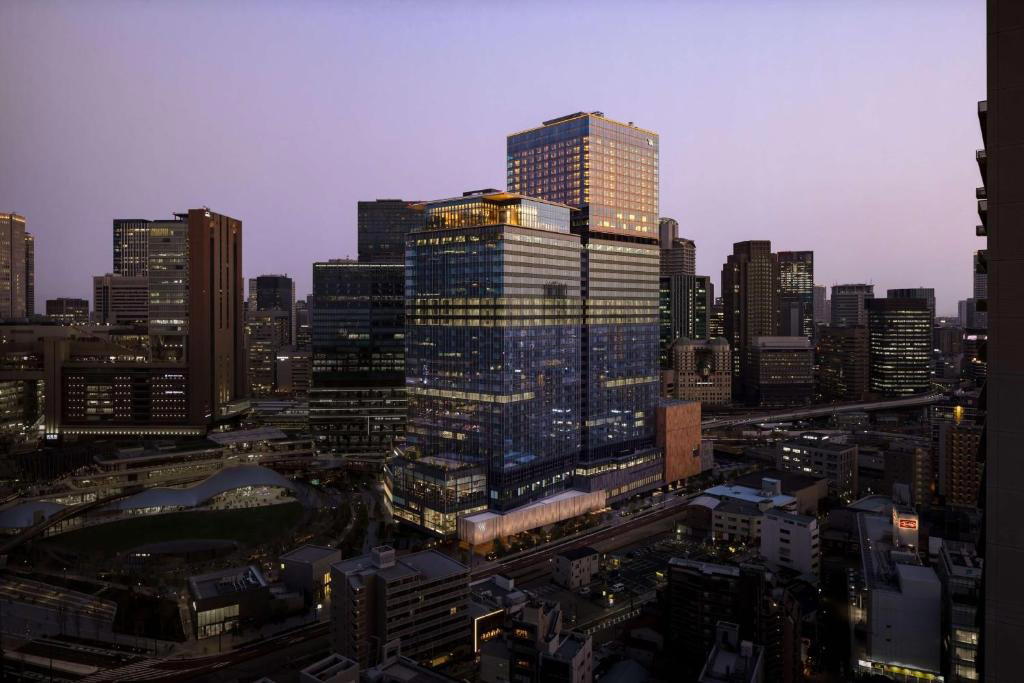
Approaching Patina Osaka from Chuo Ward, the building announces itself before you reach the entrance. A glass-fronted tower draped in cascading greenery rises against a backdrop that most Osaka hotels can only gesture toward: a direct, unobstructed view of Osaka Castle and the wide park that surrounds it. The castle has anchored this part of the city for four centuries, and the hotel's architects made a deliberate decision to orient the structure toward it rather than away from it. That choice shapes everything about how a stay here unfolds, from how morning light enters the rooms to where the restaurants position their leading seats.
The Patina group selected Osaka as its first Japanese address over the more frequently chosen entry points of Tokyo or Kyoto. That decision carries editorial weight. Osaka is a city with a distinct commercial and gastronomic identity, known among Japanese travelers for directness, generosity of portion, and a food culture that measures quality through repetition rather than ceremony. A luxury hotel landing here must decide whether to import an international template or engage with that local character. The architecture, which takes its reference points from centuries of Japanese craft expressed through warm-toned materials and considered proportion, suggests Patina chose the latter approach.
The Ritual of the Room
With 221 rooms across the property, Patina Osaka sits in a scale tier that positions it between the intimate design-led properties that have gained ground in Japanese luxury travel and the large-footprint international flagships that have operated in the city for decades. Competitors in the upper bracket of Osaka's hotel market include Conrad Osaka, InterContinental Osaka, The Ritz-Carlton, Osaka, and Four Seasons Hotel Osaka.
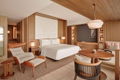
The rooms read as generous in their spatial allocation, and the materials lean toward the warm-toned and considered rather than the cold-marble-and-chrome register that defined Japanese luxury hotels through the 1990s and 2000s. The suites carry this further, with views of Osaka Castle that function as the primary decorative element. At a published rate of approximately $656 per night, the hotel positions itself at the upper tier of the Osaka market, though not at the stratospheric end occupied by some smaller, allocation-driven properties found elsewhere in Japan, such as Amanemu in Mie or Gora Kadan in Hakone.
The Table as a Framework for Place
Dining in Osaka carries expectations that no serious hotel can ignore. The city's reputation in Japanese food culture rests on a principle sometimes described as kuidaore: eating until you collapse, or more practically, a civic commitment to spending on food above other luxuries. In this context, a hotel restaurant program is not incidental to the stay but part of how a property justifies its room rate and its claim on the guest's time.
Patina Osaka responds with a multi-restaurant format that includes several Japanese dining options alongside a Basque restaurant named Iñaki, positioned on the 19th floor with direct views of the castle. The Basque kitchen operates as a counterpoint to the Japanese formats, introducing a European culinary tradition built around fire, preserved ingredients, and a culture of long communal tables that shares more with Osaka's own hospitality instincts than the pairing might suggest at first reading. The 19th-floor placement is not incidental: in a city where rooftop and high-floor dining has become a competitive category among the upper hotel tier, the castle view adds a layer of specificity that pure culinary execution alone cannot replicate.
This reflects the way Osaka diners themselves eat, moving between categories and price points with less ceremony than their Tokyo counterparts.
Wellness, State-of-the-Art Systems, and the Rhythm of a Day
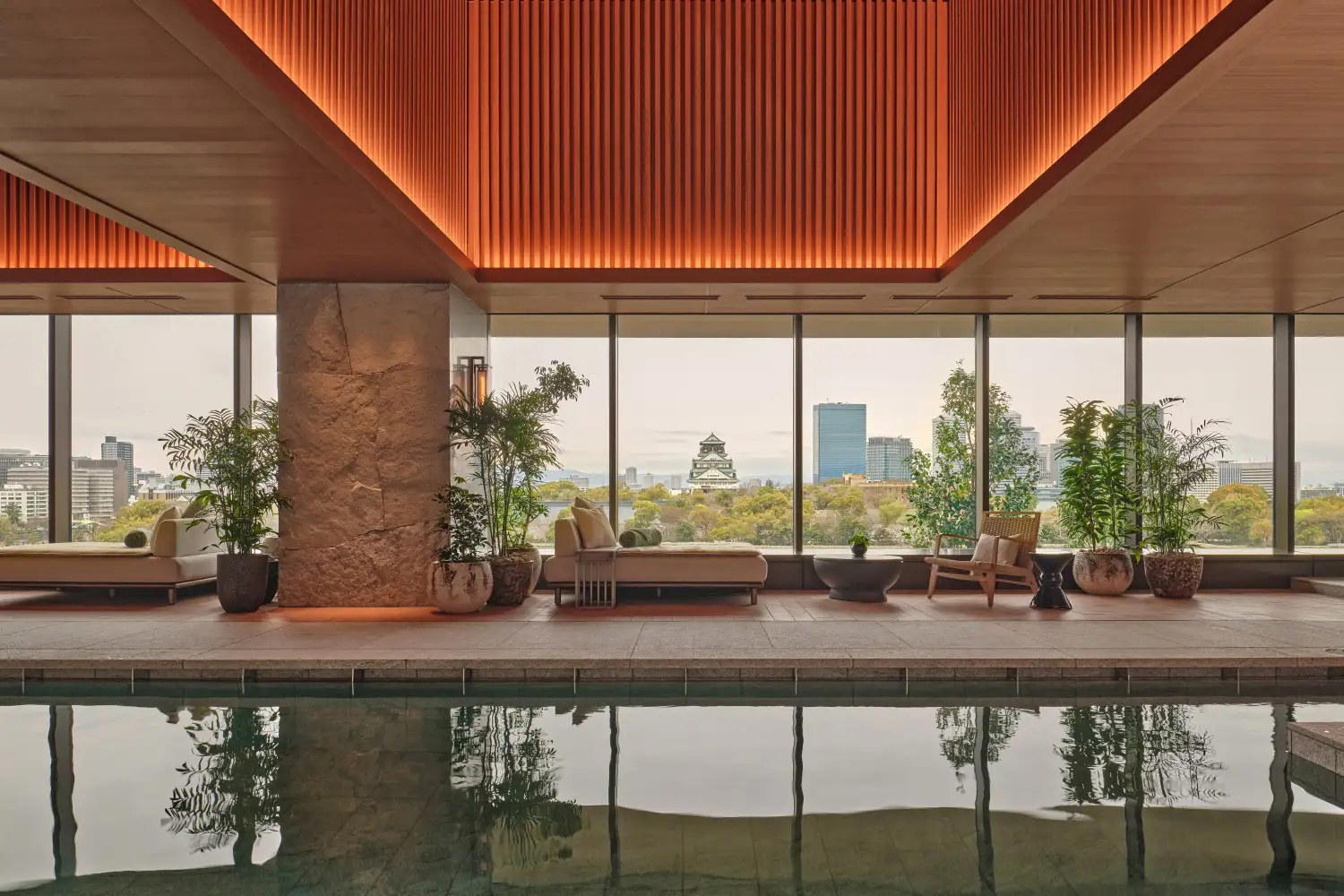
A high-technology spa and wellness center rounds out the property's in-house offer. In the context of Japanese luxury hospitality, wellness infrastructure carries specific weight: the country's onsen tradition and its culture of ritual bathing have set a baseline expectation for what serious hotel wellness looks like. The Patina spa operates from a contemporary rather than ryokan-derived framework, which places it in a different conversation from traditional wellness properties such as Nishimuraya Honkan in Kinosaki-cho or Asaba in Izu.
How Patina Osaka Fits Inside the Wider Japanese Luxury Map
Patina's entry into Japan through Osaka rather than Tokyo invites comparison with the strategic choices made by other premium groups. Bvlgari Hotel Tokyo anchored its Japan debut in the capital; HOTEL THE MITSUI KYOTO embedded itself in the older cultural capital. Osaka represents a third path: a city where commercial confidence, food culture, and a genuine civic personality give a hotel something to work with beyond postcard heritage. The castle view provides the visual credential; the restaurant program provides the cultural engagement.
For travelers constructing a Japan itinerary that extends beyond the standard Tokyo-Kyoto axis, Osaka functions as both a destination in its own right and a practical base for day trips toward Nara, Kobe, and the Kii Peninsula. Properties in this tier at W Osaka or Centara Life Namba Hotel Osaka serve different segments of that same traveler base, while Cuvee J2 Hotel Osaka by Onko Chishin and Hotel Granvia Osaka occupy lower price points with different value propositions. Patina's position at the upper end of the market, reinforced by the castle-facing orientation and the Basque dining program, targets the traveler who wants a distinct editorial point of view from their hotel rather than a reliable international format.
Forbes Travel Guide has Patina Osaka under review for its expanded Star Ratings program, with results pending. For the wider Osaka dining and hotel context, see our full Osaka restaurants guide. Travelers interested in comparable properties elsewhere in Asia might consider Benesse House in Naoshima for design-forward stays or ENOWA Yufu for nature-led luxury. International reference points within the Patina group's positioning tier include Aman New York and Aman Venice, both of which pursue a similar strategy of architectural specificity over brand uniformity.
Planning a Stay
The hotel is located at Banbachō 3-91, Chuo Ward, Osaka, positioned within walking distance of Osaka Castle Park and accessible from both Osaka and Shin-Osaka stations. Published rates begin at approximately $656 per night. The 19th-floor Iñaki restaurant and the castle-view suites represent the most differentiated elements of the property and should be considered when booking. For alternative options at different price points or formats within Osaka, Fufu Kawaguchiko and Fufu Nikko offer comparative ryokan-style formats for travelers who want to rotate between hotel types across a Japan itinerary. Jusandi in Ishigaki and Sekitei in Hatsukaichi-shi provide further reference points for design-led Japanese hospitality at the regional scale. The Fifth Avenue Hotel in New York City offers a Western analogue for the quiet-luxury aesthetic Patina pursues across its portfolio.
Recognition, Side-by-Side
Comparable venues nearby, for context on price, style, and recognition.
| Venue | Cuisine | Price | Awards | Notes |
|---|---|---|---|---|
| Patina OsakaThis venue (the venue you are viewing) | Contemporary luxury high-rise with minimalist Japanese design principles, blending traditional seasonal awareness (kisetsukan) with cutting-edge wellness technology and artistic expression. | $300–500 | 1 Michelin Key · World's 50 Best #33 | Not listed |
| W Osaka | Contemporary luxury design hotel celebrating urban vibrancy with playful, sensory-driven spaces and cutting-edge amenities. | $300–500 | 1 Michelin Key · Forbes Recommended | Chūō |
| Conrad Osaka | Contemporary high-rise tower hotel | Not listed | 1 Michelin Key · La Liste Top Hotels | Kita |
| InterContinental Osaka | Luxury urban hotel blending contemporary elegance with Japanese cultural elements | $300–500 | 1 Michelin Key · Forbes Recommended | Kita |
| The Ritz-Carlton, Osaka | Evokes an 18th-century English manor home with refined European classic elegance. | Not listed | 1 Michelin Key · La Liste Top Hotels | Kita |
| Osaka Marriott Miyako Hotel | High-rise luxury tower hotel | Not listed | Michelin Selected · Star Wine List | Abeno |
Recognition history
Dated appearances from independent guides and award organizations, with the underlying list record or original source where available.
Michelin 1 Key
Michelin
World's 50 Best Hotels #33 · No. 33
World's 50 Best · 2026 World’s 50 Best Hotels 1-50
Travel + Leisure 100 Favorite Hotels in the World #1 · No. 1
Travel + Leisure · 2026 Travel + Leisure 100 Favorite Hotels in the World
Full recognition history (5 entries)
Travel + Leisure It List Hotels
Travel + Leisure
Michelin 1 Key
Michelin
Continue exploring
More in Osaka
Hotels in Osaka
All hotels in Osaka →



Bars in Osaka
All bars in Osaka →
Restaurants in Osaka
All restaurants in Osaka →


Wineries in Osaka
Browse all →
Details
- Modern
- Elegant
- Sophisticated
- Scenic
- Wellness Retreat
- Romantic Getaway
- Family Vacation
- Anniversary
- Rooftop Pool
- Destination Spa
- Panoramic View
- Private Dining
- Design Destination
- Garden
- Terrace
- Wi Fi
- Pool
- Spa
- Fitness Center
- Room Service
- Concierge
- Valet Parking
- EV Charging
- Restaurant
- Bar
- Sauna
- Skyline
- Garden
- Wheelchair Accessible
- Elevator
- Accessible Restroom
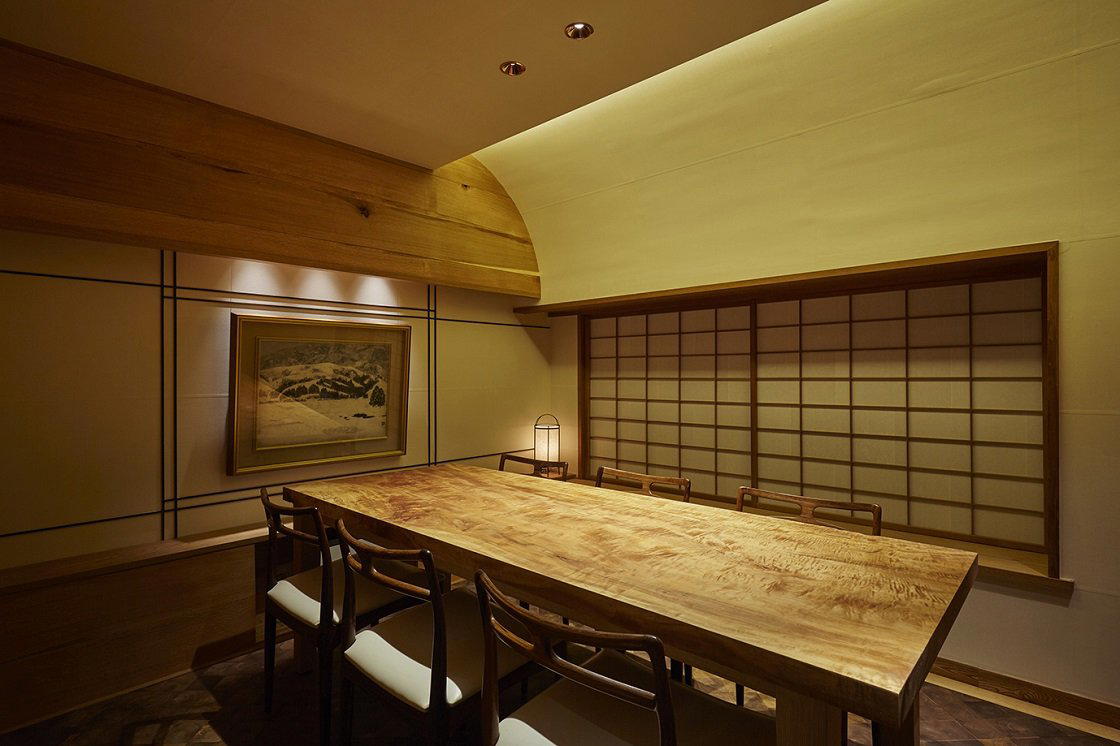
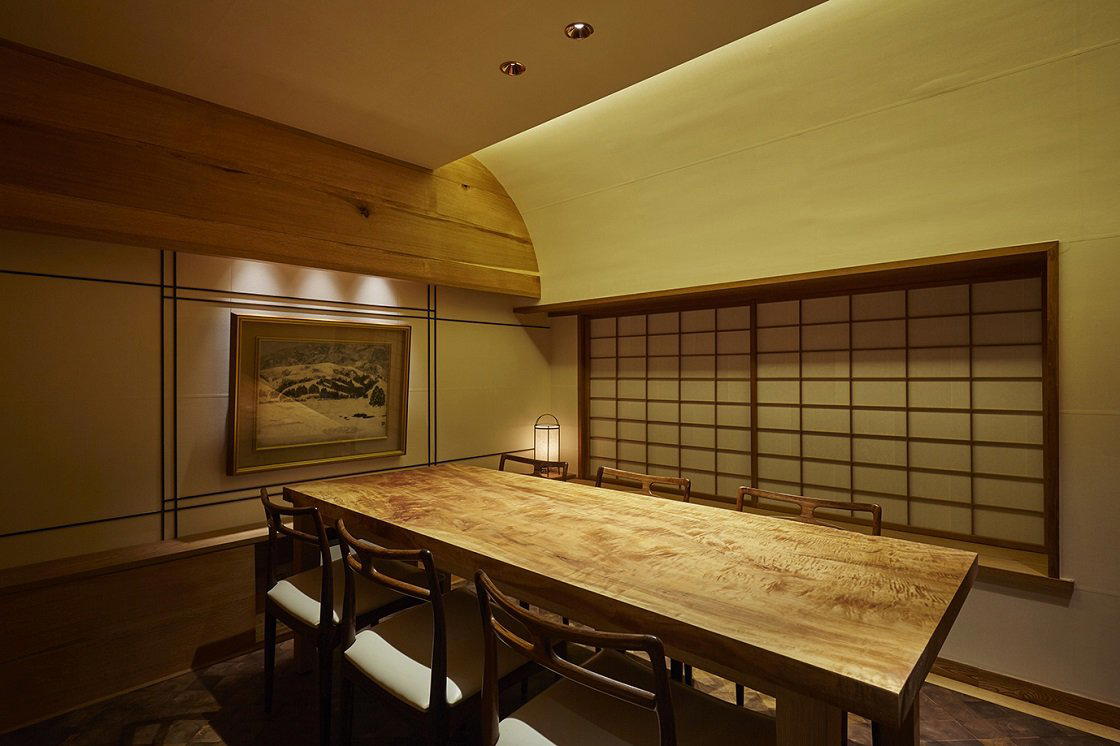
Serene and contemporary with warm natural palettes, soft lighting from hovering lanterns, and a meditative atmosphere balanced by lively dining spaces and a music-centric bar with vintage speaker installations.