







La Cime places Osaka’s French dining at the point where classical technique meets western Japanese produce, with chef Yusuke Takada’s cooking framed by precision rather than spectacle. Its recognition across Michelin, Tabelog, La Liste, Opinionated About Dining and the 50 Best ecosystem puts it in the city’s serious dining tier, but the more interesting story is how French form absorbs Kansai ingredients without turning them into ornament.
Pearl is the En Primeur Club membership app — saves, bookings, and concierge access live there. Same editors, same standards.
- Address
- 3 Chome-2-15 Kawaramachi, Chuo Ward, Osaka, 541-0048, Japan
- Phone
- +81 6-6222-2010
- Website
- la-cime.com
- Directions
- Get directions
 Saves & bookings on Pearl
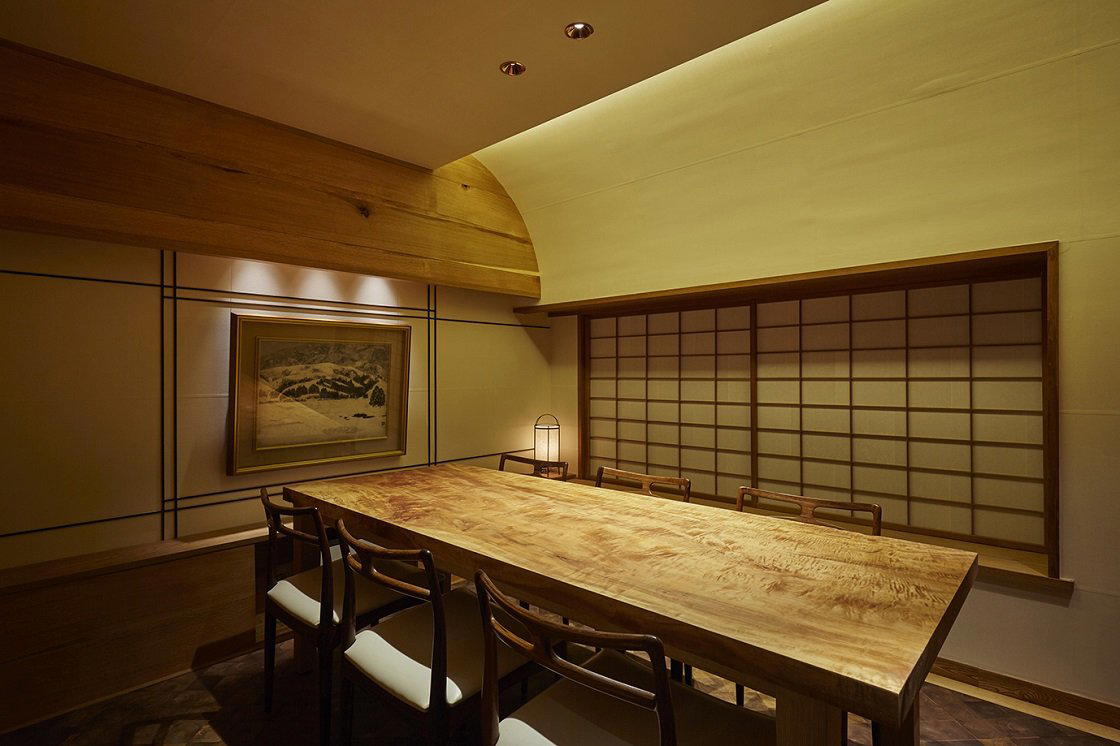
Black surfaces, white linen, and a restrained dining room set the tone: La Cime is a serious Osaka dining room that values control over theatre. Osaka is often read through takoyaki, kushikatsu, counter cooking, and merchant appetite, yet its higher-end restaurants form a quieter parallel scene. Here the appeal is disciplined: composed service, careful pacing, and a restaurant whose reputation reaches beyond the city without losing its Osaka context.
Contemporary cooking in Japan has moved beyond simple labels. Its strongest rooms use technique to frame regional identity, not as imported costume. For La Cime, the point is not a biographical checklist or a fixed cuisine tag, but what the restaurant prioritise: structure, seasonality, and a level of polish that makes it legible to travelling diners. This is not a casual neighbourhood stop, but a destination meal with Osaka as its operating system.
Technique, western Japan context, and a restrained sense of place
Osaka’s serious dining scene has a different rhythm from larger luxury circuits, where power can sit in hotel dining rooms, international chef brands, and a dense awards economy. Osaka’s ambitious restaurants often feel more personal in scale and tied to local supply. La Cime fits that reading: a controlled room, a kitchen built around precision, and a format for diners who care about provenance over spectacle.
The restaurant’s editorial interest lies in the way place can register without turning into obvious signalling. In this kind of meal, balance, aromatics, texture, and product handling are decisive; they determine whether a tasting format feels alive or merely expensive. The restaurant’s reputation rests on precision and composition, but the deeper read is geographical: technique organises the plate, then the setting gives the meal its emphasis.
That separates it from much of Osaka’s more relaxed dining, where pleasure often lies in warmth, generosity, wine, and easier prices. La Bécasse, SINAE, macua, and Grand rocher sit in the same broad Osaka destination-dining conversation, while La Biographie··· belongs to a more extended comparison set. The restaurant occupies a more internationally visible tier, because its recognition places it against destination restaurants across Japan rather than only neighbourhood rooms.
The restaurant need not perform European nostalgia or overstate Japaneseness through obvious local signalling. Osaka diners know seasonality and value sharply; seriousness must be justified course by course. The restaurant’s sustained recognition suggests it makes regional identity legible inside a polished dining format.
Why the awards matter, and what they do not tell you
Awards can flatten restaurants into numbers, but the restaurant’s recognition is useful. It appears in the 2026 Opinionated About Dining restaurant source for Japan, giving the restaurant a clear signal of attention from a diner-led international awards and guide ecosystem. That signal does not describe every plate, but it does confirm that the restaurant is being read beyond a purely local Osaka frame.
The distinction matters because different recognition systems reward different things: some privilege travelling diners, some measure consistency, and others amplify international conversation. The confirmed OAD presence is therefore best treated as one form of external scrutiny, not a complete verdict. It supports the restaurant’s destination profile while leaving the actual meal to make its own argument.
Still, awards do not explain the meal. Osaka has enough serious dining that a badge is not a substitute for fit. Diners wanting relaxed, generous, wine-led cooking may prefer elsewhere; those seeking the city’s street-food pulse will find this too composed. The restaurant suits travellers seeking a destination-level Osaka restaurant, especially for disciplined pacing, produce focus, and the tension between structure and place.
Within Osaka, it is an anchor for a broader itinerary. The city can be eaten through counters, late-night bars, relaxed rooms, grill specialists, casual staples, and high-end dining rooms. Do not treat it as the only serious meal in town; read it as one polished chapter in a wider Osaka dining week, paired with local formats and less formal rooms.
How to place it in an Osaka dining itinerary
The restaurant is strongest as a planned meal, not an opportunistic booking. Its profile and serious-dining format mean it should be arranged before the rest of the evening. The room suits diners comfortable with measured pacing and a high-end restaurant rhythm. Any private or business-dining suitability should be checked directly with the restaurant, but the core appeal remains the kitchen’s controlled conversation between technique and Osaka context.
The practical decision is whether this is the right polished meal for the trip. Within Osaka, the restaurant is the internationally visible choice. La Bécasse, SINAE, macua, and Grand rocher help map the local field, while La Biographie··· is a useful comparison in the wider regional conversation. The question is not abstract superiority, but whether the trip calls for a destination tasting-style meal or a more relaxed restaurant folded into everyday Osaka.
For planning, use Our full Osaka restaurants guide to balance destination dining with local counters and casual specialties, then cross-check nearby stays through Our full Osaka hotels guide. If the night continues, Our full Osaka bars guide is more useful than adding another restaurant. Wider Kansai or Japan itineraries can compare the restaurant with other Osaka dining rooms and with unnamed destination restaurants in Kyoto, Kumamoto, Tokyo, Kamakura, Sapporo, and Kawasaki. For category mapping beyond restaurants, see Our full Osaka wineries guide and Our full Osaka experiences guide; for comparisons outside Japan, look generically at how serious dining shifts in warmer, ingredient-led cities.
The verdict is simple: choose the restaurant to understand how Osaka’s produce culture, disciplined handling, and composed technique can meet at a serious international level. It is not the city’s casual face, and is not trying to be. Its value lies in a narrower proposition: an Osaka restaurant confident enough to let place, not performance, carry the argument.
Comparable venues nearby, for context on price, style, and recognition.
| Venue | Cuisine | Price | Awards | Notes |
|---|---|---|---|---|
| La CimeThis venue — the venue you are viewing | Modern French with Japanese Ingredients | $$$$ | Michelin 2 Star | Not listed |
| HAJIME | Avant-Garde Japanese Fine Dining | $$$$ | Michelin 3 Star | Nishi |
| Kashiwaya Osaka Senriyama | Seasonal Kaiseki Omakase | $$$$ | Michelin 3 Star | Senriyama, Suita |
| Taian | Traditional Japanese Kaiseki Omakase | $$$$ | Michelin 3 Star | Chūō |
| KAHALA | Creative Kaiseki Fusion | $$$$ | Michelin 2 Star | Kita |
| Teruya | Kappo Kaiseki | $$$$ | Michelin 2 Star | Chūō |
Recognition history
Dated appearances from independent guides and award organizations, with the underlying list record or original source where available.
La Liste Top Restaurants
La Liste
Michelin 2 Stars
Michelin
Opinionated About Dining Top Restaurants in Japan Ranked #149
Opinionated About Dining
Tabelog Bronze #231
Tabelog
World's 50 Best Asia's Best Restaurants #13
World's 50 Best
La Liste Top Restaurants
La Liste
Michelin 2 Stars
Michelin
Opinionated About Dining Top Restaurants in Japan Ranked #123
Opinionated About Dining
Tabelog 100 #93 · No. 93
Tabelog · Tabelog 100 - French - WEST - 2025
Tatler Listed in Best Restaurants Asia-Pacific
Tatler
The Best Chef Two Knives
The Best Chef
We're Smart World 2 Radishes
We're Smart World
World's 50 Best Best Restaurants #44
World's 50 Best
World's 50 Best Asia's Best Restaurants #8
World's 50 Best
Michelin 2 Stars
Michelin
Opinionated About Dining Top Restaurants in Japan Ranked #108
Opinionated About Dining
World's 50 Best Best Restaurants #66
World's 50 Best
Opinionated About Dining Top Restaurants in Japan Ranked #104
Opinionated About Dining
World's 50 Best Best Restaurants #60
World's 50 Best
World's 50 Best Best Restaurants #41
World's 50 Best
Continue exploring
More in Osaka
Restaurants in Osaka
Browse all →



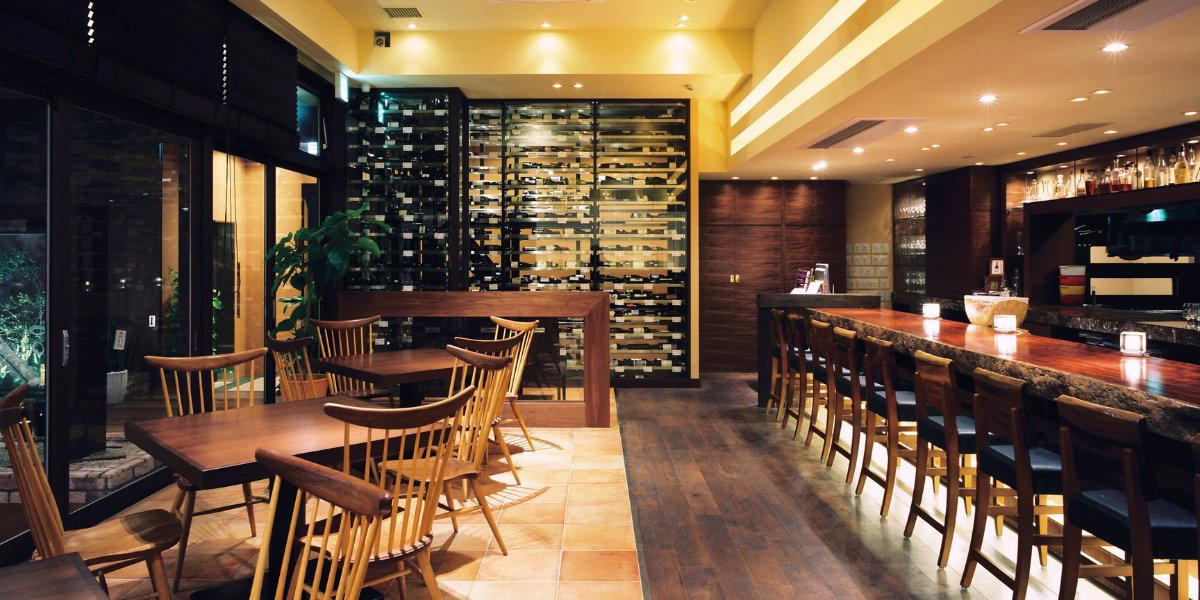
Bars in Osaka
Browse all →


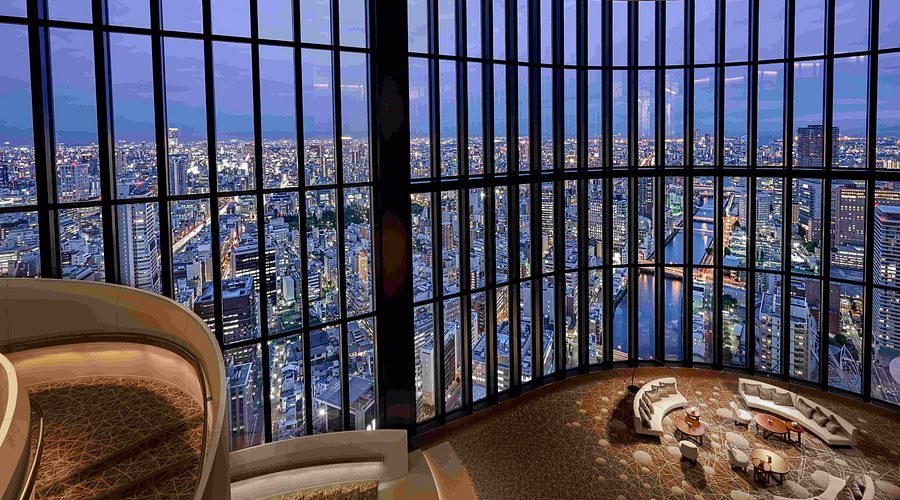
Hotels in Osaka
Browse all →



Wineries in Osaka
Browse all →
At a Glance
- Elegant
- Intimate
- Minimalist
- Sophisticated
- Special Occasion
- Celebration
- Date Night
- Chefs Counter
- Extensive Wine List
- Sake Program
- Local Sourcing
Current opening hours
- Monday
- 6–10 PM
- Tuesday
- 6–10 PM
- Wednesday
- 6–10 PM
- Thursday
- 6–10 PM
- Friday
- 6–10 PM
- Saturday
- 12–3 PM, 6–10 PM
- Sunday
- Closed
Hours can change for holidays and private events. Last verified .
Minimalist, serene, and elegant dining room with dark lighting that sharpens focus on the cuisine.