
Star Wine List
Wine Bar Noam sits on the second floor of a quiet building in Higashishinsaibashi, occupying the more considered end of Osaka's Minami drinking scene. The bar draws from the neighbourhood's shift toward wine-led formats that prioritise producer knowledge over spectacle. For visitors reading Osaka's bar culture against its entertainment-district reputation, Noam offers a different register entirely.

Pearl is the En Primeur Club membership app — saves, bookings, and concierge access live there. Same editors, same standards.
- Address
- Japan, 〒542-0083 Osaka, Chuo Ward, Higashishinsaibashi, 1 Chome−17−27 日宝ニューコロンブスビル 2F
- Phone
- +81 6-6226-7484
- Hours
- Mon–Sat 5 PM–2 AMSun 5 PM–12 AM
- Website
- winebar-noam.com
- Directions
- Get directions
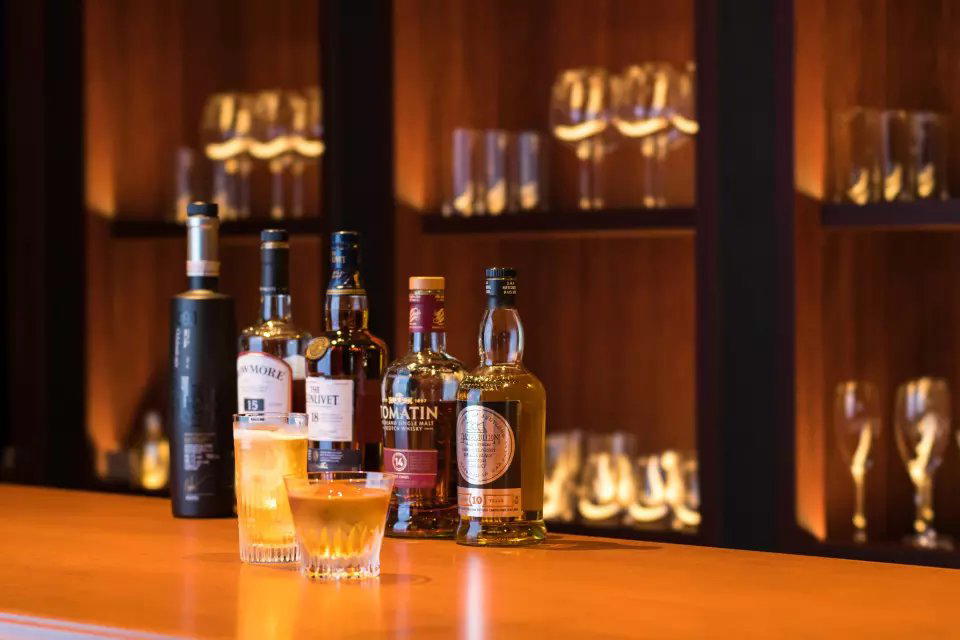
Minami's Quieter Register
Osaka's southern entertainment corridor, the Minami area anchored by Namba and Shinsaibashi, carries a reputation built on volume: izakayas running three floors deep, cocktail bars with neon frontage, standing wine counters that turn tables fast. That reputation is accurate for a significant portion of the district. But Higashishinsaibashi, the eastern fringe of the same area, has developed a parallel character over the past decade, one where second-floor rooms above unremarkable building lobbies house some of the city's more serious drinking. Wine Bar Noam occupies a second-floor space in the Nippo New Columbus Building at 1 Chome-17-27 Higashishinsaibashi, and its position in that quieter register is not incidental.
Osaka's bar geography has long split along a north-south axis. The northern districts, Umeda and Kitashinchi especially, attract the city's expense-account clientele and run toward sleeker, more formal formats. The south runs younger, louder, and less curated on average. Wine Bar Noam's address places it in Minami on the map, but its format and clientele read closer to the considered northern model: a space where the wine list does the talking and the room is structured for conversation rather than performance. That positioning inside the Minami geography is part of what gives it a distinct identity within the local scene.
The Wine Bar as Format in Osaka
Japan has absorbed the European wine bar format selectively. In Tokyo, wine bars in Ginza and Shibuya often operate as premium add-ons to restaurant groups, anchored to tasting menus and priced accordingly. Osaka's version has generally been more standalone, more focused on glass pours and small plates, and more dependent on the personal selection logic of whoever is running the list. This matters because it shifts how you use the space: a Tokyo wine bar tends to be a destination in itself, structured around a fixed programme; an Osaka wine bar tends to function as part of an evening's movement, a place to open or close a night, or to extend a meal that ended nearby.
Wine Bar Noam fits the Osaka model of the serious standalone: a place where the selection logic is the product, not a supporting element. Compared to the cocktail-forward bars in the same neighbourhood, such as Bar Nayuta or Craftroom, Noam represents a different discipline entirely: wine knowledge rather than spirits technique, producer provenance rather than preparation theatre. The two formats draw different regulars and rarely compete directly, which is why both can operate within the same few blocks.
For visitors who have spent time at Bar Juniper or Bistro Champagne, Noam represents a natural point of comparison: all four sit within the broader Minami orbit, but each operates with a distinct logic. Bistro Champagne leans into the Champagne-specialist format; Noam's name suggests a more personal editorial stance on the list, less category-defined.
Higashishinsaibashi as a Drinking Neighbourhood
The block that holds Noam is representative of how Higashishinsaibashi has evolved. Unlike the pedestrian shopping stretch of Shinsaibashi-suji to the west, this eastern corridor is denser with small independent operators: coffee shops that run into the evening, natural wine counters that opened in the years after the city's hospitality scene contracted and then re-expanded, bars that don't advertise heavily because their regulars arrive by word of mouth or through curation platforms. Second-floor locations are a consistent feature of this micro-neighbourhood: they filter casual foot traffic and set expectations before the guest has ordered anything.
Getting to Noam from central Osaka is direct. The venue sits within walking distance of Shinsaibashi Station on the Midosuji Line, and the surrounding blocks reward the walk, particularly in the early evening when the area's independent operators are beginning to fill. Visitors constructing a Minami evening around a few stops are well-placed to thread Noam alongside nearby options without significant transit.
Placing Noam in the Wider Kansai and National Picture
For travellers moving through the Kansai region, Osaka's wine bar scene operates at a different frequency than Kyoto's. Kyoto's more restrained hospitality culture has produced places like Bee's Knees, which sits within a hotel format and draws heavily on the city's design identity. Osaka's version is less architecturally polished and more direct: the product in the glass matters more than the room framing it. Noam fits that characterisation.
At the national level, the reference points for serious Japanese bar culture remain concentrated in Tokyo: Bar Benfiddich in Shinjuku represents the apex of the spirits-led, craft-obsessed format. Wine-focused equivalents in Osaka operate at a different scale and with different critical visibility, which is partly why places like Noam remain less legible to international visitors despite consistent local recognition. Further afield in the Kansai and Kyushu orbit, Lamp Bar in Nara and Yakoboku in Kumamoto show how seriously Japan's regional bar culture takes the craft, even outside the major centres.
Elsewhere in Osaka, anchovy butter represents the food-led wine bar format that has grown across Japanese cities in recent years, pairing natural wines with small plates that are genuinely considered rather than decorative. Noam sits in a related but distinct space: the name and the address signal a bar with a point of view, rather than a kitchen with a wine list attached. For visitors building a picture of how Osaka approaches drinking culture in 2024, both formats are worth understanding. The broader Osaka picture, including restaurants, hotels, and the full drinking scene, is mapped in our full Osaka guide.
For those who want to extend the wine bar comparison across cities, Kyoto Tower Sando offers an entirely different model: a high-volume, curated retail-and-drinking format inside a landmark building. Bar Leather Apron in Honolulu shows how the Japanese bar discipline exports into Pacific contexts. The contrast with Noam's quiet Higashishinsaibashi second floor is instructive in both directions.
Planning Your Visit
Wine Bar Noam is located on the second floor at 1 Chome-17-27 Higashishinsaibashi, Chuo Ward, Osaka. The venue's hours, current booking arrangements, and contact details are best confirmed directly before visiting, as second-floor independents in this part of Minami sometimes operate on reduced schedules outside peak evenings. Arriving early in the evening, before the wider Minami crowds build, tends to give the leading conditions for the kind of slower-paced drinking that a wine bar of this type rewards.
In Context: Similar Options
Comparable venues nearby, for context on price, style, and recognition.
| Venue | Cuisine | Price | Awards | Notes |
|---|---|---|---|---|
| Wine Bar NoamThis venue — the venue you are viewing | wine_bar | $50–100 | Star Wine List | Not listed |
| Bistro Champagne | champagne_bar | $50–100 | Star Wine List | Kita |
| Ista | cocktail_bar | Not listed | Not listed | Chūō |
| Canes & Tales | cocktail_bar | Not listed | Not listed | Umekita |
| SH’UN Whisky & Wine | wine_bar | Not listed | Not listed | Chūō |
| La Champagne | champagne_bar | $50–100 | Star Wine List | Kita |
Recognition history
Dated appearances from independent guides and award organizations, with the underlying list record or original source where available.
Star Wine List
Star Wine List
Continue exploring
More in Osaka
Bars in Osaka
Browse all →


Restaurants in Osaka
Browse all →




Hotels in Osaka
Browse all →




Wineries in Osaka
Browse all →
Details
- Cozy
- Elegant
- Intimate
- Sophisticated
- Relaxed
- Date Night
- Casual Hangout
- Standalone
- Counter Only
- Booth Seating
- Conventional Wine
Current opening hours
- Monday
- 5 PM–2 AM
- Tuesday
- 5 PM–2 AM
- Wednesday
- 5 PM–2 AM
- Thursday
- 5 PM–2 AM
- Friday
- 5 PM–2 AM
- Saturday
- 5 PM–2 AM
- Sunday
- 5 PM–12 AM
Hours can change for holidays and private events. Last verified .
Calm, mature, stylish, and relaxing atmosphere providing a cozy break from Osaka's bustle, with counter and box seating.