Google: 4.5 · 56 reviews

Located in Kyoto's Nakagyo Ward, Iwasaki operates within a city where kaiseki protocol and front-of-house precision carry as much weight as the food itself. The address places it in a mid-city corridor that bridges Kyoto's historic dining districts, and the venue sits in the tier of establishments where service choreography and seasonal cooking converge. Advance research and early reservation are advised for any serious visit.
 Discover on Pearl
Pearl is the En Primeur Club membership app — saves, bookings, and concierge access live there. Same editors, same standards.
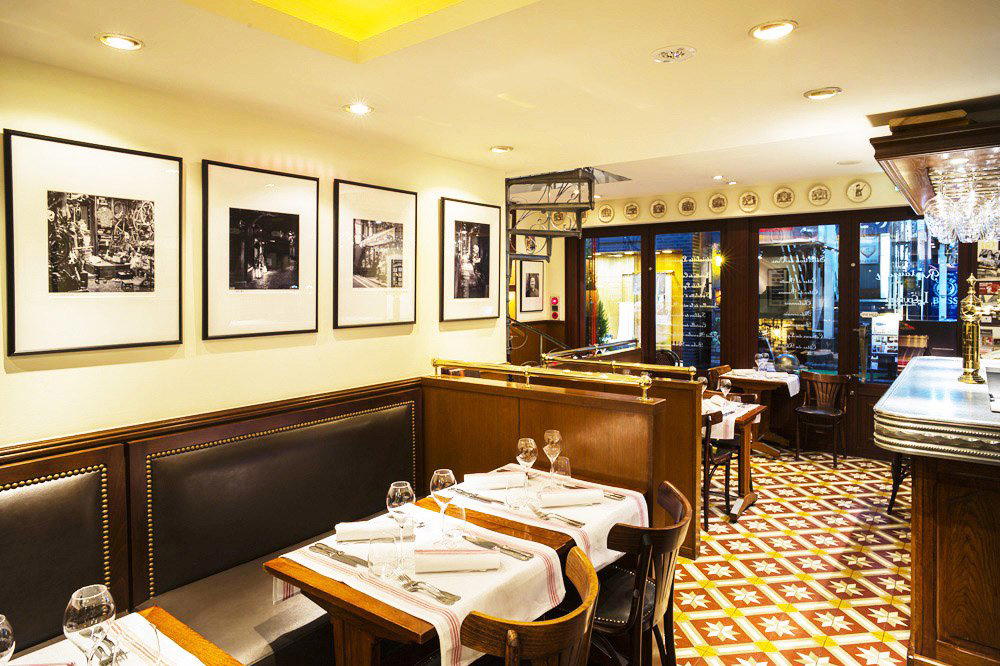
Where Kyoto's Dining Discipline Lives
Kyoto is not a city where restaurants compete primarily on novelty. The hierarchy here is older and more formal than in Tokyo or Osaka, built on lineage, seasonal fidelity, and a front-of-house culture that treats the choreography of a meal as inseparable from the cooking itself. Iwasaki, addressed in Nakagyo Ward's Otsucho district, sits within that tradition. Nakagyo occupies the geographical and cultural middle of Kyoto, flanked by the canal-side formality of Pontocho to the east and the merchant-quarter density of Nishiki to the south. It is a part of the city where serious restaurants operate without the tourist footfall of Gion, which tends to concentrate attention on places that earn their reputation through word of mouth and repeat clientele rather than location alone.
The broader context matters here. Kyoto's top-tier dining scene has long operated as a closed system, where a restaurant's position is understood by locals through signals that don't always translate to international review platforms. Seasonal produce calendars, the relationship between kitchen and front-of-house, the precision of service timing — these carry weight that a simple price-tier or cuisine label cannot capture. For a visitor arriving without local knowledge, understanding where a venue sits in that system requires reading the surrounding evidence carefully.
The Grammar of Kaiseki Service
In Kyoto's most considered dining rooms, the team dynamic between kitchen, sommelier or sake steward, and front-of-house is the primary vehicle through which the meal is communicated. This is not incidental to kaiseki as a format — it is structurally embedded in it. A kaiseki sequence, which can extend across a dozen or more courses tied to seasonal ingredients and classical presentation forms, requires a front-of-house that can read the pace of a table, adjust the rhythm of service, and explain provenance and preparation without reciting a script. At the level of dining Iwasaki's address and district suggest, that calibre of coordination between the kitchen and the room is the baseline expectation, not a differentiator.
Kyoto's kaiseki establishments benchmark against each other on exactly this axis. Places like Kikunoi Honten and Hyotei have sustained their reputations in part because the front-of-house operates as a precision layer on leading of the cooking, not merely a delivery mechanism. Gion Sasaki and Mizai occupy a similar position in the city's informal ranking, where the ability to match sake or tea pairings to course progressions signals that the beverage program is fully integrated into the meal's architecture rather than offered as an afterthought. Isshisoden Nakamura represents the tradition's longer historical arc, demonstrating how multi-generational establishments maintain relevance by deepening their service grammar rather than reinventing the format.
At restaurants operating within this tier , whether in Kyoto's Nakagyo corridor or further afield, as with HAJIME in Osaka or Goh in Fukuoka , the meal is fundamentally a collaborative act. The kitchen produces; the floor interprets; the guest receives a sequence whose logic only becomes visible when the two sides of that partnership are working in alignment. That dynamic is what distinguishes dining at this level from simply eating well.
The Seasonal Commitment at the Core of the Format
Japan's dining culture at the serious end of the spectrum is organised around the agricultural calendar in a way that has no real equivalent in Western fine dining. Kyoto in particular treats seasonal produce not as a marketing point but as a structural constraint: the menu follows the harvest, the catch, and the mountain foraging cycle, and the kitchen's skill is partly measured by how precisely it tracks those transitions. This applies whether a venue's focus is on the refined presentation conventions of kaiseki or on a less ceremonially formal interpretation of the same seasonal logic.
The implication for a visitor is timing. Kyoto's kaiseki dining in autumn (October through November) is calibrated around matsutake mushrooms, new-harvest rice, and the visual language of koyo, the maple leaf season. Spring brings takenoko bamboo shoots and sakura-adjacent presentations. Summer introduces ayu sweetfish, hamo pike conger, and cooling preparations designed for the city's heavy humidity. Any serious visit to a Kyoto restaurant operating within this tradition is shaped as much by when you go as by where.
This seasonal discipline also has regional resonance beyond Kyoto itself. Venues like akordu in Nara and producers in areas such as Takashima and Nanao feed into the same broader Kansai and Sea of Japan ingredient network that Kyoto kitchens draw from. The city does not operate in isolation , it sits at the apex of a sourcing geography that extends north to Hokkaido and south to Kyushu, a supply chain that Japan's most considered restaurants, including those far removed like Harutaka in Tokyo, also pull from.
Planning a Visit
Nakagyo Ward is accessible from Kyoto Station via subway (Karasuma Line to Karasuma Oike) or by taxi, placing Iwasaki within reasonable reach of the city's main transport spine. For restaurants operating at this level in Kyoto, reservation lead times routinely extend to one to three months, and non-Japanese speakers typically fare better booking through a hotel concierge with established local relationships or through a specialist reservation service, given that direct communication in English is not guaranteed at all venues in this tier. Dress expectations in Kyoto's formal dining rooms lean conservative; smart attire is the default.
Visitors comparing options across the city's kaiseki tier will find that price points at this level in Kyoto typically sit in the higher four-digit yen range per person for dinner, often excluding beverage pairings. That places venues like Iwasaki in a different bracket from mid-range Kyoto dining and aligns the cost more closely with the city's Michelin-recognised establishments. For context on how this compares to international reference points, Le Bernardin in New York and Atomix occupy a similar price psychology in their respective markets, where the cost reflects format precision and team depth as much as ingredient quality.
For a fuller picture of where Iwasaki sits within Kyoto's dining hierarchy, including how it compares to venues across cuisine types and price tiers, see our full Kyoto restaurants guide. Readers interested in Japan's broader regional dining circuit should also consider venues such as Birdland in Sakai, Bistro Ange in Toyohashi, and Sapporo's kaiseki circuit, each of which occupies a distinct position in the country's wider fine dining geography.
Cost and Credentials
A quick comparison pulled from similar venues we track in the same category.
| Venue | Price | Awards | Notes |
|---|---|---|---|
| Iwasaki | This venue | ||
| Gion Sasaki | ¥¥¥¥ | Michelin 3 Star | Kaiseki, Japanese, ¥¥¥¥ |
| cenci | ¥¥¥ | Michelin 1 Star | Italian, ¥¥¥ |
| Ifuki | ¥¥¥¥ | Michelin 2 Star | Kaiseki, ¥¥¥¥ |
| Kyokaiseki Kichisen | ¥¥¥¥ | Michelin 2 Star | Japanese, ¥¥¥¥ |
| Kyo Seika | ¥¥¥ | Michelin 1 Star | Chinese, ¥¥¥ |
Continue exploring
More in Kyoto
Restaurants in Kyoto
Browse all →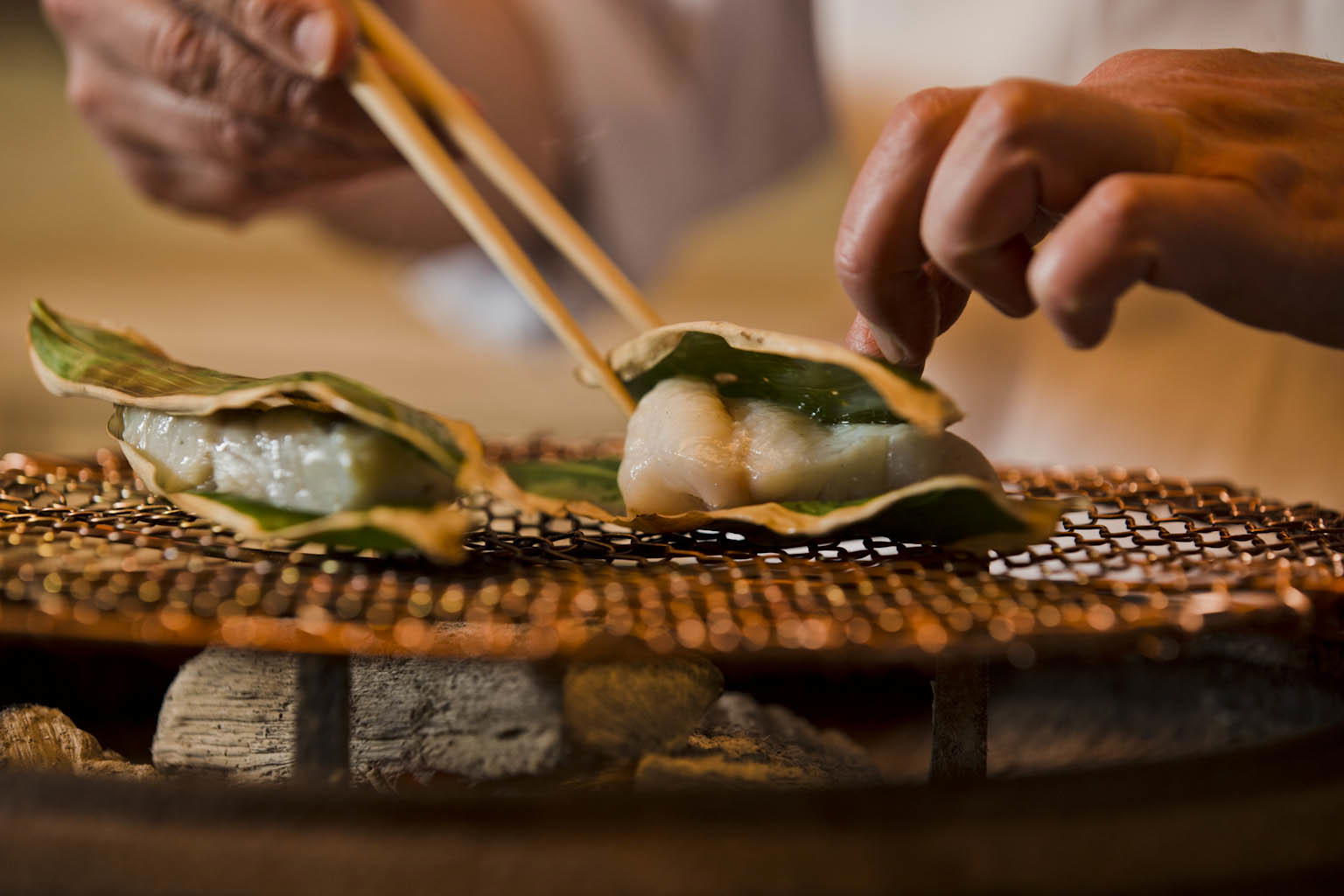
Bars in Kyoto
Browse all →
Hotels in Kyoto
Browse all →
Wineries in Kyoto
Browse all →
At a Glance
- Elegant
- Intimate
- Cozy
- Sophisticated
- Special Occasion
- Date Night
- Sake Program
- Local Sourcing
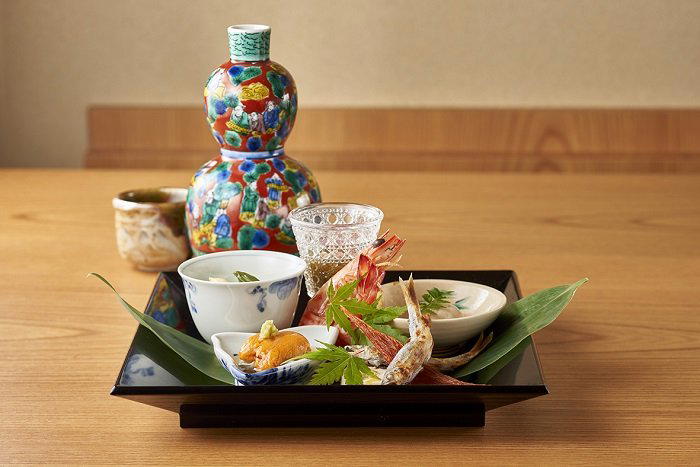
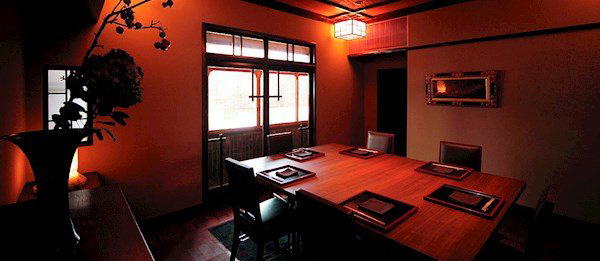
Charming and cosy counter seating in a traditional Kyoto street setting, with exquisite Japanese-style utensils enhancing the intimate, elegant atmosphere.