Our verdict
A Shinjuku basement institution with a 2025 Opinionated About Dining Casual recognition, Imaiya Honten represents the kind of serious yakitori operation that Tokyo's Shinjuku ward does quietly and without ceremony.

Pearl is the En Primeur Club membership app, where members save venues, book tables and use the concierge.
Below Street Level in Shinjuku: The Logic of the Basement Yakitori Counter
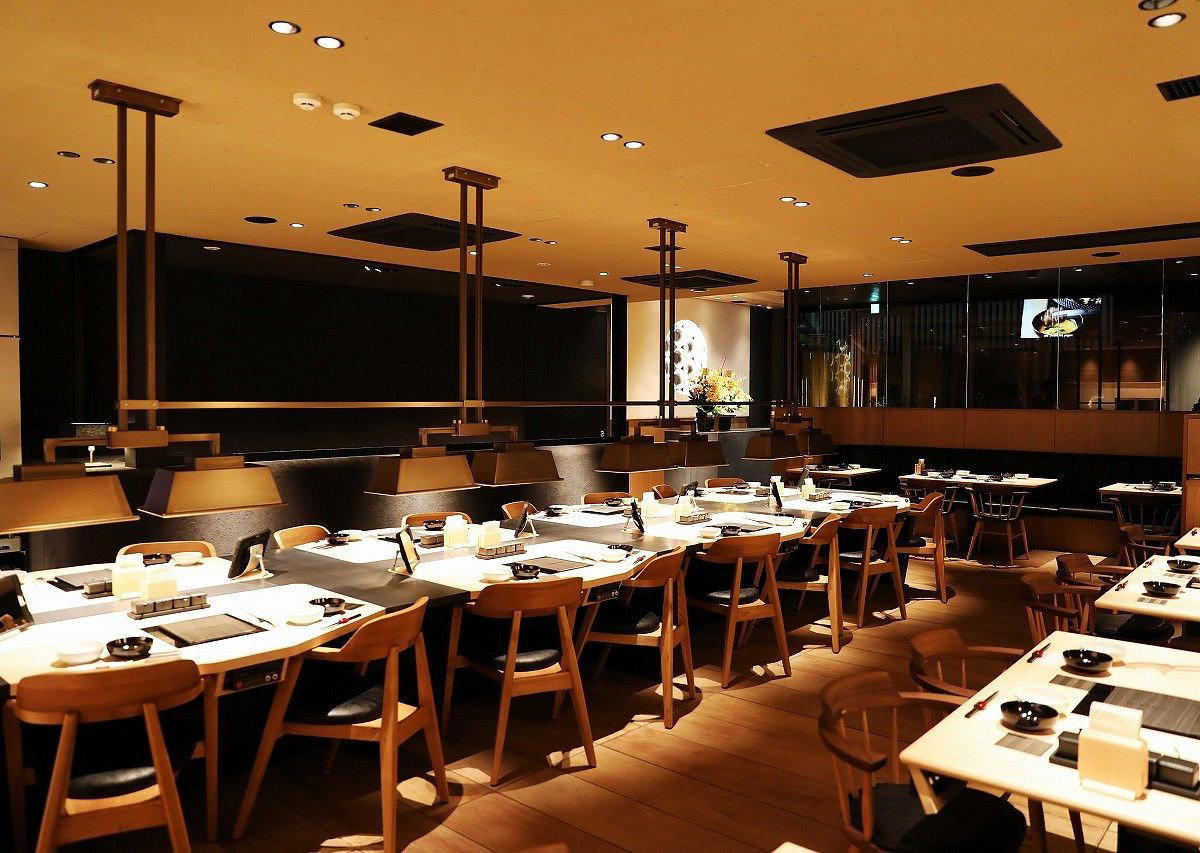
Descending into a basement restaurant in Shinjuku is not a retreat from the city, it is a more direct encounter with it. The ward's underground dining rooms have functioned as working kitchens and neighbourhood anchors for decades, insulated from the street-level churn of retail and fast food that defines Shinjuku's surface. Imaiya Honten occupies exactly this kind of space: a sub-street floor in the Morier Building on Shinjuku 3-chome, a few blocks from the Kabukicho perimeter and within walking distance of the main station's eastern exits. The address places it inside a dense commercial zone where lunch counters, izakayas, and specialist restaurants compete for a predominantly local lunch and dinner crowd rather than a hotel-district spillover.
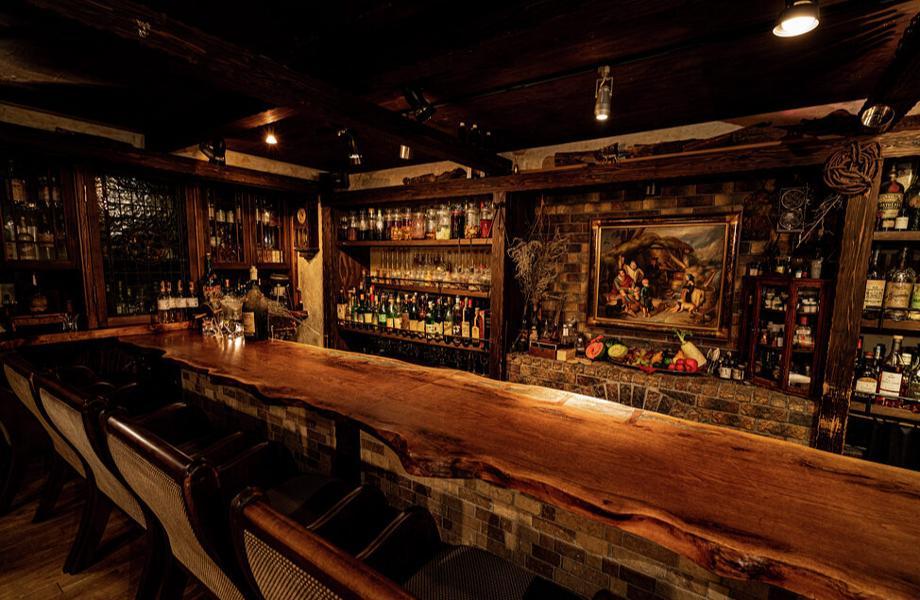
That neighbourhood positioning matters for how the restaurant functions. Shinjuku's dining infrastructure is large enough to support genuine specialists, and yakitori in this ward tends toward the working-dinner register rather than the destination-omakase format that defines yakitori at the high end in Ginza or Minami-Aoyama. Arriving here, the frame of reference is not a tasting counter with curated chicken cuts and a sake pairing, it is the kind of place where the smoke from the binchōtan grill carries into the room and the order arrives in courses dictated more by the grill's pace than by a formal sequence.
What Yakitori Looks Like at This Tier
Tokyo's yakitori scene spans a wider price and format range than most visitors initially expect. At the top of the market, places like Yakitori Omino and Asagaya BIRD LAND operate with reservation systems, specific chicken sourcing from named farms, and a structured progression through cuts. Imaiya Honten sits in a different tier, recognised by Opinionated About Dining as a Casual entry in Japan for 2025, a designation that signals competence and reliability at a neighbourhood register rather than placement in the destination-dining bracket.
The OAD Casual listing is a meaningful trust signal in this context. Opinionated About Dining draws its rankings from a network of experienced diners rather than institutional inspectors, which means casual-tier entries tend to reflect places that frequent visitors return to for consistency rather than places that perform for first-time guests.
The comparison set that actually applies here is not the Michelin three-star counters, Harutaka in sushi or RyuGin in kaiseki occupy a different price and format tier entirely. It is the mid-tier yakitori and izakaya operators that anchor Shinjuku's basement and alley dining scene, where the question is less about prestige and more about whether the tare is maintained with care, whether the chicken arrives from a consistent source, and whether the skewers are grilled to the right internal temperature without over-lacquering the exterior.
Shinjuku 3-Chome and the Surrounding Context
Morier Building address on 3-chome puts Imaiya Honten in a part of Shinjuku that functions differently from the station's immediate west-exit business district. The 3-chome area, accessible from the Shinjuku-sanchome metro station on the Marunouchi and Fukutoshin lines, is denser with independent restaurants, smaller bars, and longstanding neighbourhood operators. It is also adjacent to the Golden Gai zone and the edges of Shinjuku Ni-chome, which together create a dining and drinking corridor where longevity carries more weight than visibility.
For visitors staying elsewhere in the city, Shinjuku 3-chome is a direct train ride on multiple lines, and the area rewards an evening that begins at one venue and moves through a few. The basement location reinforces the neighbourhood logic: these rooms are discovered rather than stumbled upon, and the regulars who fill them tend to know the menu before they sit down.
If the Shinjuku yakitori context is the draw, it is worth noting that Tokyo's serious chicken-specialist operations are distributed across the city in ways that don't always follow the tourist map. Asagaya BIRD LAND operates in the quieter Asagaya neighbourhood to the west, while Yakitori Omino represents a different format and price register. Imaiya Honten's value is specifically in its Shinjuku placement and its casual-register operation, it is not a substitute for either of those alternatives but a different read on what yakitori in Tokyo can be.
Placing This in the Wider Japan Picture
Yakitori as a category tends to be discussed at the extremes, either the convenience of a station-front chain or the seriousness of a Michelin-listed counter. The middle tier, which is where most Tokyo residents actually eat the majority of their yakitori, is less documented in international coverage. Recognitions like the OAD Casual listing help locate that middle ground with some precision.
Across Japan, the format that Imaiya Honten represents has direct equivalents in Osaka, Kyoto, and Fukuoka. Ichimatsu in Osaka and Torisaki in Kyoto operate in the same casual-specialist register. The broader Japan dining circuit, which might include HAJIME in Osaka, Gion Sasaki in Kyoto, akordu in Nara, Goh in Fukuoka, 1000 in Yokohama, or 6 in Okinawa, operates at a different altitude, but understanding the casual tier is part of reading any Japanese food city accurately.
Within Tokyo itself, the full picture includes French-influenced counters like Aria di Takubo, neighbourhood Japanese at 124. KAGURAZAKA, and the kind of focused Japanese cooking found at Aramaki. Imaiya Honten sits apart from all of these by format and intent, it is the city's casual yakitori infrastructure at work, and that is a category worth taking seriously on its own terms.
Planning Your Visit
The address is 3 Chome-33-10, Shinjuku, Shinjuku City, Tokyo, basement floor of the Shinjuku Morier Building. The closest access point is Shinjuku-sanchome station. Reservations: Budget: Dress:
For broader Tokyo planning, see our full Tokyo restaurants guide, our full Tokyo hotels guide, our full Tokyo bars guide, our full Tokyo wineries guide, and our full Tokyo experiences guide.
Frequently asked questions
Where is Imaiya Honten in Tokyo?
Imaiya Honten is located at Japan, 〒160-0022 Tokyo, Shinjuku City, Shinjuku, 3 Chome−33−10 新宿モリエールビル B1F, Tokyo.
What's the cuisine at Imaiya Honten?
Is Imaiya Honten Michelin-listed?
Imaiya Honten has received recognition including: Opinionated About Dining Casual in Japan (2025).
What's the best thing to order at Imaiya Honten?
Imaiya Honten operates as a yakitori counter, so the skewers are the focus, typically rotating across standard cuts such as thigh, liver, and negima. Opinionated About Dining included it in their 2025 Casual Japan list, which at that tier tends to signal consistency across the core menu rather than a single showpiece dish. Order broadly through the skewer selection rather than arriving with a fixed target.
Who is the chef or culinary lead at Imaiya Honten?
The chef associated with Imaiya Honten is Various.
What's the best way to book Imaiya Honten?
For basement counters in Shinjuku 3-chome at this level, walk-in is often viable on weekday evenings, though OAD recognition in 2025 may have tightened that window. Checking via a concierge service or a Japan-based reservations platform like Tableall or Omakase is the most reliable approach until direct contact details are confirmed.
A Credentials Check
Comparable venues nearby, for context on price, style, and recognition.
| Venue | Cuisine | Price | Awards | Notes |
|---|---|---|---|---|
| Imaiya HontenThis venue (the venue you are viewing) | Premium Hinai Jidori Yakitori | $50–100 | Not listed | Not listed |
| Ranjatai | Michelin-Starred Yakitori Omakase | $50–100 | Not listed | Shibuya |
| 楽亭 | Handmade Soba | $30–50 | Not listed | Kagurazaka |
| 焼肉トラジ新宿西口店 | Premium Yakiniku (Japanese Grilled Beef) | $50–100 | Not listed | Shinjuku |
| Gonpachi Shibuya | Japanese Izakaya with Yakitori & Handmade Soba | $50–100 | Not listed | Shibuya |
| Shinsen Ichinoya | Traditional Kanto-style Unagi (grilled eel) | $50–100 | Tabelog 100 #13 | Shibuya |
Recognition history
Dated appearances from independent guides and award organizations, with the underlying list record or original source where available.
Opinionated About Dining Casual in Japan Highly Recommended
Opinionated About Dining
Full recognition history (2 entries)
Opinionated About Dining Casual in Japan
Opinionated About Dining