
A Michelin Plate-recognised yakitori counter in Kagurazaka whose omakase format opens with chicken heart, moves through nori-wrapped tenderloin and cooked vegetable salads, and closes with ramen in chicken broth. The name doubles as the street address and a staff birthday, a detail that signals the personal scale of this operation. At ¥¥ pricing, it sits well below the neighbourhood's kaiseki tier while offering comparable structural discipline.
Pearl is the En Primeur Club membership app — saves, bookings, and concierge access live there. Same editors, same standards.
- Address
- Japan, 〒162-0827 Tokyo, Shinjuku City, Wakamiyacho, 12-4 フィルパーク神楽坂若宮 3階
- Phone
- +81 3-4400-2124
- Website
- 124-kagurazaka.com
- Directions
- Get directions
 Saves & bookings on Pearl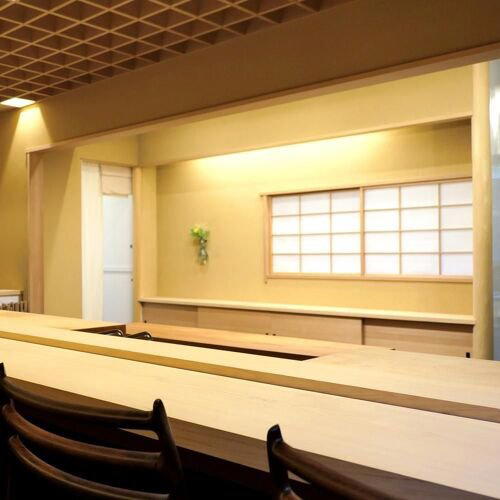
Yakitori as Structured Ritual: The Kagurazaka Approach
Tokyo's yakitori scene divides more sharply than casual visitors tend to expect. There is the standing-bar end, where salarymen work through chicken skewers and Sapporo under fluorescent light, and there is the counter-omakase end, where the format borrows structural logic from kaiseki: a fixed sequence, deliberate pacing, and a house philosophy about which cut opens the meal and why. Yakitori Omino and BIRD LAND both operate in that upper register, and 124. KAGURAZAKA, on the third floor of a low-key residential building in Shinjuku City's Wakamiyacho district, belongs to the same formal tier. The Michelin Guide awarded it a Plate recognition in both 2024 and 2025, a signal that the quality is consistent and the kitchen is cooking with intent.
The Neighbourhood Sets the Register
Kagurazaka carries a particular weight in Tokyo's dining geography. The neighbourhood developed around a geisha quarter, retains a network of narrow stone-paved lanes, and has accumulated a concentration of French-influenced and Japanese fine-dining addresses that few other residential districts can match. It is not Ginza's trophy-restaurant corridor, nor Nishi-Azabu's expense-account circuit. Kagurazaka functions more like a locals' fine-dining district: the price points are measured, the rooms are small, and the cooking tends toward precision over spectacle. A yakitori counter operating at ¥¥ in this context is making a deliberate choice about where it sits, accessible relative to the neighbourhood's kaiseki and French tier, but disciplined enough in format to attract the same audience on a different evening.
The third-floor location in a residential building reinforces that positioning. Tokyo's most considered small restaurants often occupy exactly these kinds of spaces: above a convenience store, behind an unmarked door, up a staircase that asks a small act of commitment from the diner. There is no street-level theatre here, no illuminated sign competing for attention with the izakayas below.
The Omakase Sequence and Its Logic
The decision to open the omakase with chicken heart is an editorial choice as much as a culinary one. Heart has a deep, iron-edged flavour and a firm texture that registers immediately; it asks the diner to pay attention from the first skewer rather than easing in through blander cuts. This is the opposite of the conventional hospitality instinct to warm guests up gently. The kitchen is signalling confidence in its product and its audience.
What follows is structured around contrast and pacing in ways that recall the kaiseki principle of ma, the deliberate interval. Norimaki, bite-size chicken tenderloin wrapped in nori seaweed, introduces a softer, more delicate register after the intensity of heart. Cooked vegetable salads and deep-fried tofu appear between skewer courses, serving the same function that palate-cleansing courses serve in multi-course Japanese formats: they reset the diner's attention and provide items that pair with sake without competing against the primary subject. The sequence is not yakitori with sides; it is an integrated meal in which the non-skewer courses are load-bearing elements of the overall arc.
The meal closes with ramen in chicken broth, served in dragon-pattern bowls with nori. The nostalgia framing here is deliberate. Ramen as a closing course inverts the usual fine-dining pattern of ascending richness, substituting something familiar and deeply Japanese for the petit four register. It is a choice that speaks to the neighbourhood character of Kagurazaka more than to any international fine-dining convention. For context on how similar structural thinking plays out in kaiseki registers at other price points, Aria di Takubo and Aramaki both operate omakase formats in Tokyo where the sequencing logic is comparably deliberate, if stylistically distinct.
The Name as Detail
The name 124. KAGURAZAKA encodes two pieces of information: the street address (Wakamiyacho 12-4) and the birthday of a member of staff. Both are trivial facts in isolation, but together they indicate something about the register of the operation. This is a restaurant that has found its identity in personal specificity rather than brand architecture. At this scale and price point, that specificity is often what sustains loyalty.
Where This Sits in Tokyo's Yakitori Tier
Tokyo's Michelin-recognised yakitori addresses cluster around a handful of neighbourhoods and tend to share certain characteristics: small seat counts, fixed omakase formats, counter service, and a chicken sourcing philosophy that becomes part of the kitchen's stated identity. Asagaya BIRD LAND operates in that same tier in a different part of the city. At ¥¥¥, 124. KAGURAZAKA sits below the ¥¥¥¥ brackets occupied by venues like BIRD LAND proper, making it one of the more accessible entry points into structured yakitori omakase in the city.
Beyond yakitori, the broader Tokyo scene offers a range of structural comparisons. Aria di Takubo and Aramaki represent the more formal multi-course registers, while venues across the country, from Gion Sasaki in Kyoto to HAJIME in Osaka, frame how omakase discipline operates at different price ceilings. For yakitori specifically across other Japanese cities, Ichimatsu in Osaka and Torisaki in Kyoto offer useful regional comparisons. Further afield, akordu in Nara, Goh in Fukuoka, 1000 in Yokohama, and 6 in Okinawa show how Japan's omakase culture extends well beyond the capital.
Planning Your Visit
The restaurant is located at Wakamiyacho 12-4, Shinjuku City, on the third floor of the FILLPARK KAGURAZAKA WAKAMIYA building. The address, as noted, is encoded in the name. The ¥¥ price range places it within reach of a broader audience than much of what Kagurazaka's fine-dining corridor offers, though the omakase format means a full commitment to the sequence rather than à la carte flexibility. Given the small scale of a third-floor counter operation, advance reservation is advisable; walk-ins at this type of Tokyo address are possible but carry the usual risks at a venue where cover counts are low by design.
Comparable Spots, Quickly
Comparable venues nearby, for context on price, style, and recognition.
| Venue | Cuisine | Price | Awards | Notes |
|---|---|---|---|---|
| 124. KAGURAZAKAThis venue — the venue you are viewing | Yakitori Omakase | $$$ | Michelin Plate | Not listed |
| Daikanyama Issai Kassai | Modern Japanese Izakaya | $$$ | Michelin Plate | Shibuya |
| Toriyaki Ohana | Modern Chicken Toriyaki Omakase | $$$ | Michelin Plate | Shibuya |
| Unagi Tokito | Modern French-Influenced Unagi | $$$ | Michelin Plate | Minato |
| Hiyama | Traditional Sukiyaki with Premium Wagyu | $$$ | Not listed | Chūō |
| Kinryuzan | Traditional Yakiniku with A5 Wagyu | $$$ | Not listed | Minato |
Recognition history
Dated appearances from independent guides and award organizations, with the underlying list record or original source where available.
Michelin Plate
Michelin
Michelin Plate
Michelin
Michelin Plate
Michelin









At a Glance
- Cozy
- Sophisticated
- Intimate
- Date Night
- Special Occasion
- Chefs Counter
- Open Kitchen
- Sake Program
Current opening hours
- Monday
- 5–11:30 PM
- Tuesday
- 5–11:30 PM
- Wednesday
- 5–11:30 PM
- Thursday
- 5–11:30 PM
- Friday
- 5–11:30 PM
- Saturday
- 5–11:30 PM
- Sunday
- 5–11:30 PM
Hours can change for holidays and private events. Last verified .
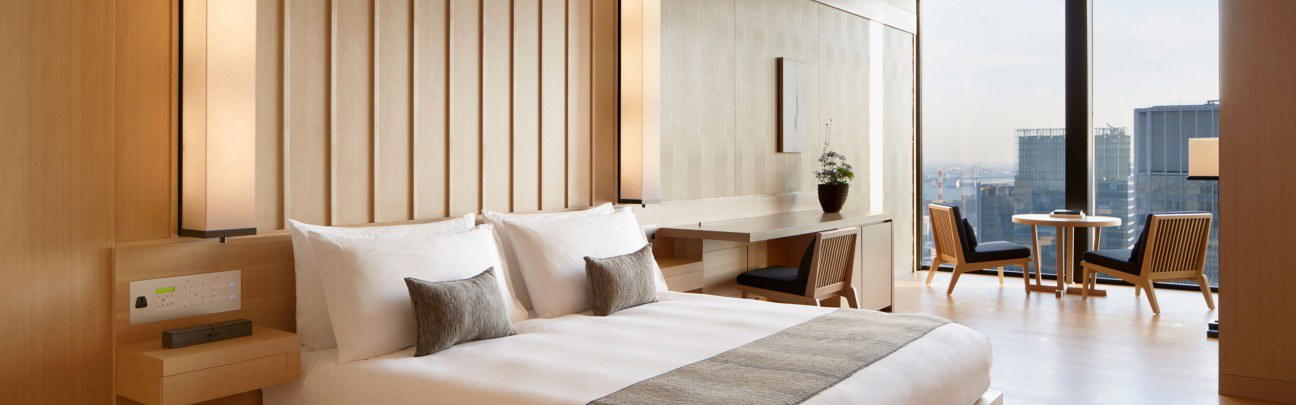
Warm wooden decor and soft lighting create a cozy yet sophisticated atmosphere.