


A 14-seat counter in Oshiage, Sumida, Yakitori Omino has held Tabelog Bronze consecutively since 2019 and earned a Michelin star in 2024. Chef Masayoshi Komino trained for six years at Torishiki, Tokyo's most decorated yakitori house, and the beverage programme runs to curated sake and wine with a sommelier on hand. Reservations open two months out and fill quickly.
Pearl is the En Primeur Club membership app — saves, bookings, and concierge access live there. Same editors, same standards.
- Address
- Japan, 〒131-0045 Tokyo, Sumida City, Oshiage, 1 Chome−38−4 清流ビル 1F
- Phone
- +81 3-5619-1892
- Website
- yakitori-omino.com
- Directions
- Get directions
 Saves & bookings on Pearl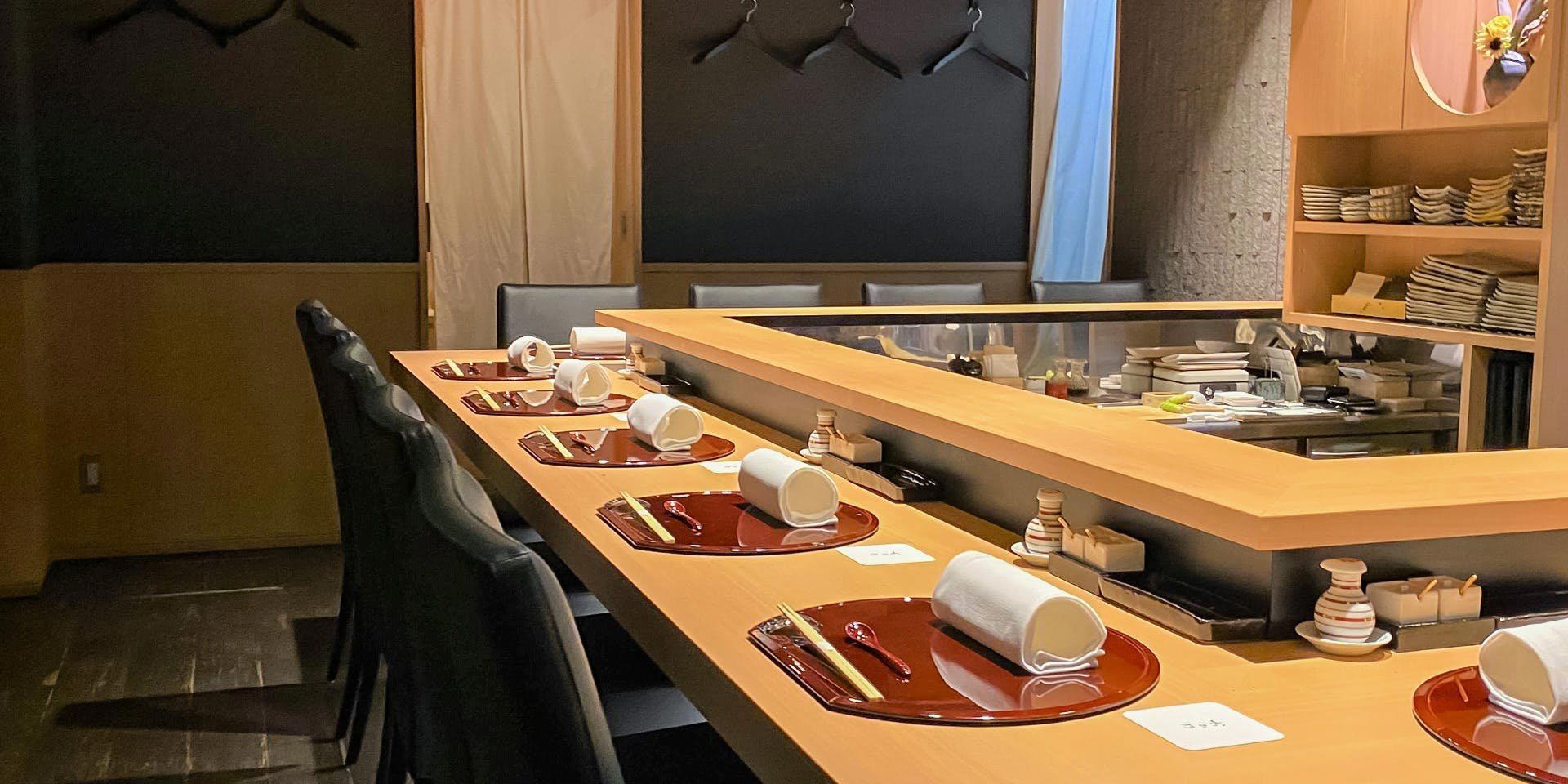
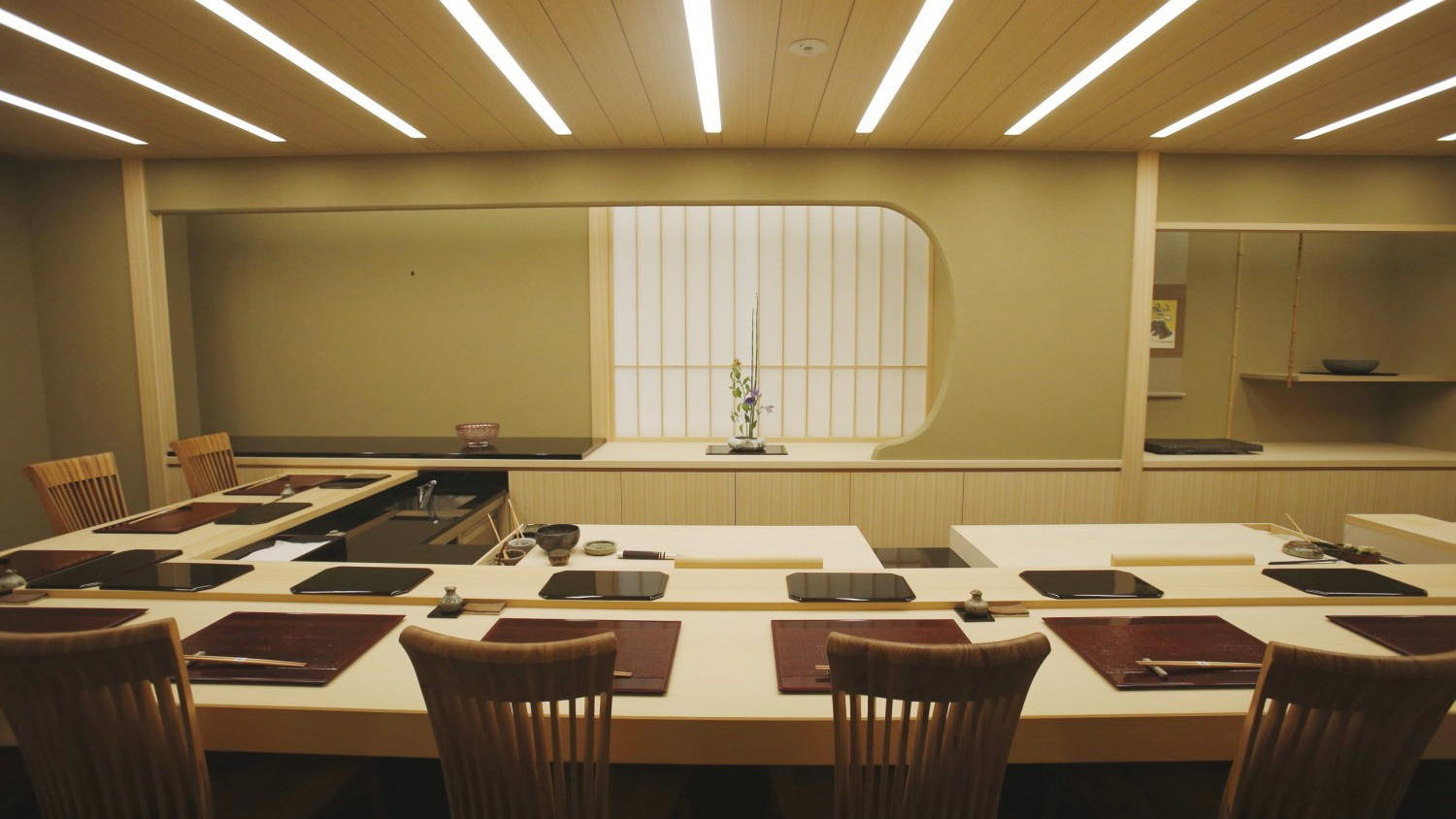
Fourteen seats. All counter. That constraint is not incidental to what Yakitori Omino does, it is the method. At this scale, the chef manages every skewer over a live charcoal grill, the smoke settles at arm's length, and the progression from cut to coal to plate happens in plain view. It is the format that serious yakitori has always demanded, and in Tokyo's eastern wards it rarely appears at this level of sustained recognition.
Oshiage and the Geography of Tokyo Yakitori
Premium yakitori in Tokyo clusters in predictable zones: Ginza, Ebisu, and pockets of Shinjuku account for most of the names that appear on international radar. Sumida Ward operates differently. The neighbourhood around Oshiage Station sits in the shadow of the Skytree, draws fewer expense-account diners than the west-side corridors, and has developed a quieter reputation for craft-first counters where the foot traffic is mostly Japanese regulars and visitors who have done their research. Yakitori Omino opened here in March 2017 and has occupied that niche ever since: a counter that earns its credentials through accolades rather than address.
The awards record makes the positioning clear. Tabelog Bronze from 2019 through 2026, with a Silver in 2018, the opening year, plus continuous selection for the Yakitori EAST Tabelog 100 from 2018 onwards. Opinionated About Dining placed it at number 158 among Japan's restaurants in 2024 and number 235 in 2025, and Michelin awarded a star in 2024. For a 14-seat counter in Sumida, that is a track record that competes directly with far more prominent postcodes.
Chef Masayoshi Komino trained for six years at Torishiki, the Meguro counter that for many Japanese diners set the template for contemporary high-end yakitori. That lineage matters in the way that a sushi chef's school of training matters: it signals a specific approach to sourcing, cutting, and fire management, and it places Omino in a traceable tradition rather than a generic one. For context on yakitori in other cities, Ichimatsu, Yakitori in Osaka and Torisaki, Yakitori in Kyoto represent the format's reach beyond Tokyo, though the density of serious counters in the capital remains higher.
Salt, Fire, and the Logic of the Skewer
The dominant conversation in premium yakitori is the salt-versus-tare question. Tare, the soy-mirin-based sauce applied during grilling, is the crowd-pleasing route: it caramelises at high heat and produces a lacquer that flatters almost any cut. Salt is harder to hide behind. At counters where salt is the default seasoning, the chicken's own character has nowhere to retreat, which means sourcing quality and fire control carry all the weight. Omino leans toward salt, and the decision places it in the more demanding bracket of the format.
The approach to ingredient quality extends to the bird itself: the counter uses brand-name chicken, a category in Japan that encompasses breeds raised under specific conditions and traceable to named farms, in the way that wagyu is tracked and graded. At a counter where the protein is the entire story, this sourcing decision is structural rather than decorative.
Flavour variations noted from public records include whole chicken heart with ginger and chicken drumettes finished with a paste of yuzu zest and chilli. Both illustrate the counter's method: salt-forward seasoning, citrus or aromatics as counterpoint, the grill's heat doing the primary work. The U-shaped counter means diners face the grill directly and can watch the pacing, a practical detail that also functions as part of the experience, since the sequence of skewers is controlled by the chef and timed to the fire.
The Beverage Programme: Sake as Structure
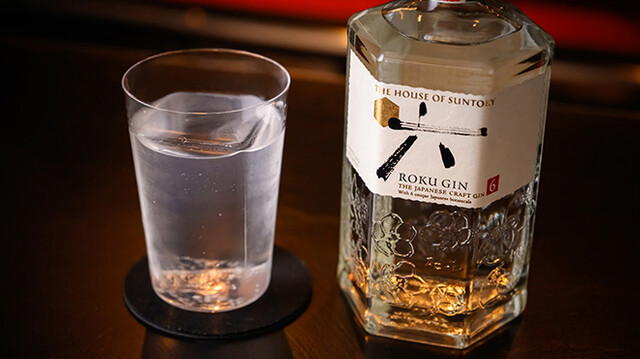
The editorial angle that separates Omino from most of its comparable set is the seriousness of the beverage programme. A sommelier is listed as part of the service, which is unusual for a 14-seat yakitori counter and signals that the drinks are not an afterthought. The list covers sake (nihonshu), shochu, and wine, with the menu notes indicating the house is selective about both sake and wine rather than offering a broad-cover list.
In the context of yakitori pairing, sake and shochu have structural logic that wine does not automatically share. The umami compounds in grilled chicken fat interact differently with the amino acids in aged sake than with the tannins in red wine, and shochu's distillate character can cut through charcoal smoke without competing with it. Counters that approach this pairing with the same rigour as kaiseki houses, treating the drink as a complement to each specific cut rather than a general accompaniment, are still a minority in Tokyo. The presence of a sommelier at a counter this size suggests Omino is in that minority.
The BYO option is also listed, which functions as a practical note for sake enthusiasts who want to bring a specific bottle. The cashless-only payment policy, confirmed in venue notes effective as of the last update, means planning ahead on payment method is necessary.
For context on Tokyo's broader beverage culture across formats, see our full Tokyo bars guide and our full Tokyo wineries guide.
Counter Discipline and House Rules
The guest conduct notes published by the venue are more detailed than most Tokyo counters post publicly: no phone calls during meals, no video recording inside the restaurant, no bringing in outside beverages, and a 30-minute late-arrival threshold after which reservations may be cancelled. A 10% service charge applies. Children under 16 are not permitted. Smart casual dress is expected.
Read together, these policies describe a counter where the format is taken seriously as a discipline, not a backdrop. The no-video rule is particularly notable given how frequently Tokyo restaurants have moved in the other direction, permitting or even encouraging content creation. Omino's position here is consistent with the counter-only seating, the single-chef grill format, and the emphasis on a shared dining rhythm rather than individual performance.
Planning a Visit
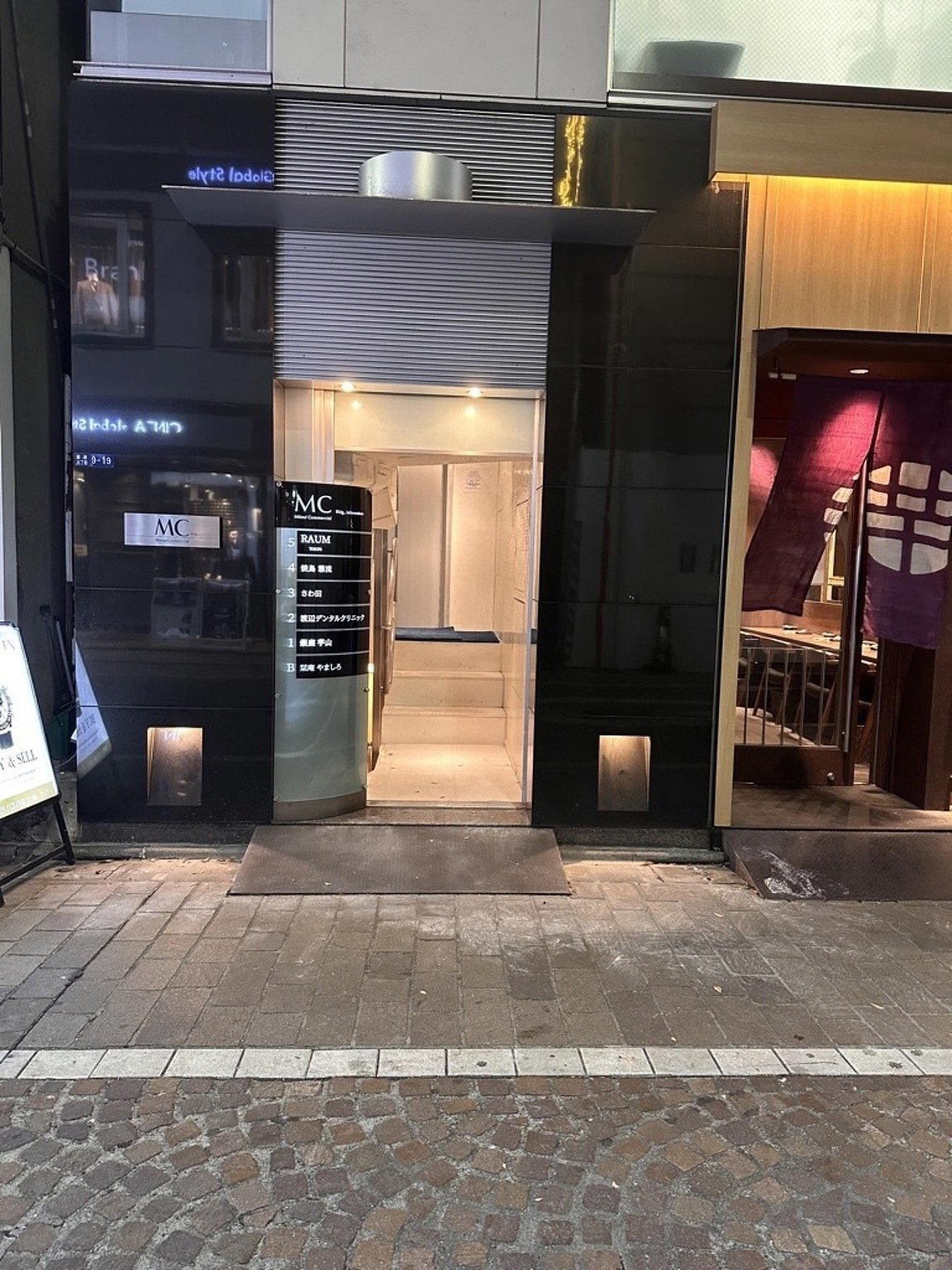
Yakitori Omino sits within a three-minute walk of Oshiage Station's B3 or A1 exits, which connects it directly to the Asakusa, Oshiage, and Tobu Skytree lines. The station is also on the Tokyo Metro Hanzomon line, making it accessible from central Tokyo without a transfer in most cases.
Reservations open two months in advance. The reception line operates between 10:00 AM and 4:00 PM, and the venue notes that calls during service hours may go unanswered. The cancellation policy is firm: 30% for cancellations seven days out, 50% at three days, 100% for the day before. Wednesday and Saturday services begin at 11:30 AM, all other open days run from 4:30 PM, with last admission at 9:00 PM and closing at 10:30 PM. Sunday is closed.
Dinner spend based on reviews averages in the ¥15,000 to ¥19,999 range per person, which positions Omino in the mid-to-upper tier of Tokyo yakitori, above the neighbourhood izakaya format but below the ¥¥¥¥ pricing of the city's kaiseki houses like RyuGin or the premium sushi counters. For comparison, BIRD LAND and Asagaya BIRD LAND represent different points in Tokyo's yakitori spectrum.
For the wider Tokyo dining picture across categories and neighbourhoods, the Yakitori Omino page sits within our full Tokyo restaurants guide, which also maps the city's French counters (124. KAGURAZAKA), Japanese counter formats (Aramaki), and European crossover kitchens (Aria di Takubo). For destinations beyond Tokyo, the platform covers HAJIME in Osaka, Gion Sasaki in Kyoto, akordu in Nara, Goh in Fukuoka, 1000 in Yokohama, and 6 in Okinawa. For hotels and other Tokyo categories, see our full Tokyo hotels guide and our full Tokyo experiences guide.
Know Before You Go
- Address: 1-38-4 Oshiage, Sumida-ku, Tokyo 131-0045, 1F, Seiryu Building
- Access: 3-minute walk from Oshiage Station (B3 or A1 exit)
- Hours: Mon, Tue, Thu, Fri 16:30 to 22:30 / Wed, Sat 11:30 to 22:30 / Sun closed
- Last admission: 21:00
- Reservations: Up to two months in advance; reception 10:00 AM–4:00 PM
- Price range: ¥¥¥
- Service charge: 10%
- Payment: Cashless only, credit cards, IC cards, QR payments accepted
- Seating: 14 seats, counter only
- Dress code: Smart casual
- Age restriction: No guests under 16
- Smoking: Non-smoking throughout
- Parking: Coin parking nearby; no on-site parking
- Phone: +81-3-5619-1892
- Website: yakitori-omino.com
Quick Comparison
Comparable venues nearby, for context on price, style, and recognition.
| Venue | Cuisine | Price | Awards | Notes |
|---|---|---|---|---|
| Yakitori OminoThis venue — the venue you are viewing | Yakitori | $$$ | Michelin 1 Star | Not listed |
| Edition Koji Shimomura | Modern French with Japanese Ingredients | $$$$ | Michelin 1 Star | Minato |
| est | Modern French with Japanese Influences | $$$$ | Michelin 1 Star | Chiyoda |
| Fukamachi | Edo-mae Tempura Omakase | $$$ | Michelin 1 Star | Chūō |
| KHAO | Modern Thai Fine Dining | $$$ | Michelin 1 Star | Chiyoda |
| Sushi Yuki | Edomae Sushi | $$$$ | Michelin 1 Star | Shibuya |
Recognition history
Dated appearances from independent guides and award organizations, with the underlying list record or original source where available.
Michelin Plate
Michelin
Opinionated About Dining Top Restaurants in Japan Recommended
Opinionated About Dining
Tabelog Bronze #336
Tabelog
Opinionated About Dining Top Restaurants in Japan Ranked #235
Opinionated About Dining
Tabelog 100 #46 · No. 46
Tabelog · Tabelog 100 - Yakitori - EAST - 2025
Tabelog Bronze
Tabelog
Michelin 1 Star
Michelin
Opinionated About Dining Top Restaurants in Japan Ranked #158
Opinionated About Dining
Opinionated About Dining Top Restaurants in Japan Highly Recommended
Opinionated About Dining






At a Glance
- Intimate
- Sophisticated
- Classic
- Date Night
- Special Occasion
- Solo
- Chefs Counter
- Standalone
- Sake Program
Current opening hours
- Monday
- 4–10:30 PM
- Tuesday
- 4–10:30 PM
- Wednesday
- 11:30 AM–10:30 PM
- Thursday
- 4–10:30 PM
- Friday
- 4–10:30 PM
- Saturday
- 11:30 AM–10:30 PM
- Sunday
- Closed
Hours can change for holidays and private events. Last verified .
Intimate, refined, and counter-focused, with a quiet sense of craftsmanship centered on the grill.