

Kyoto's only Michelin one-star yakitori restaurant, Torisaki holds a Tabelog score of 4.25 and consecutive Tabelog Bronze Awards from 2024 through 2026. The 19-seat counter in Nakagyo Ward operates reservation-only from 18:00, with dinner running JPY 15,000 to 19,999 plus a 12% service charge. A sake and shochu list pairs directly with the smoke-driven skewer progression.
Pearl is the En Primeur Club membership app — saves, bookings, and concierge access live there. Same editors, same standards.
- Address
- 292-1 Takoyakushicho, Nakagyo Ward, Kyoto, 604-0021, Japan
- Phone
- +81 75-252-6789
- Website
- instagram.com
- Directions
- Get directions
 Saves & bookings on Pearl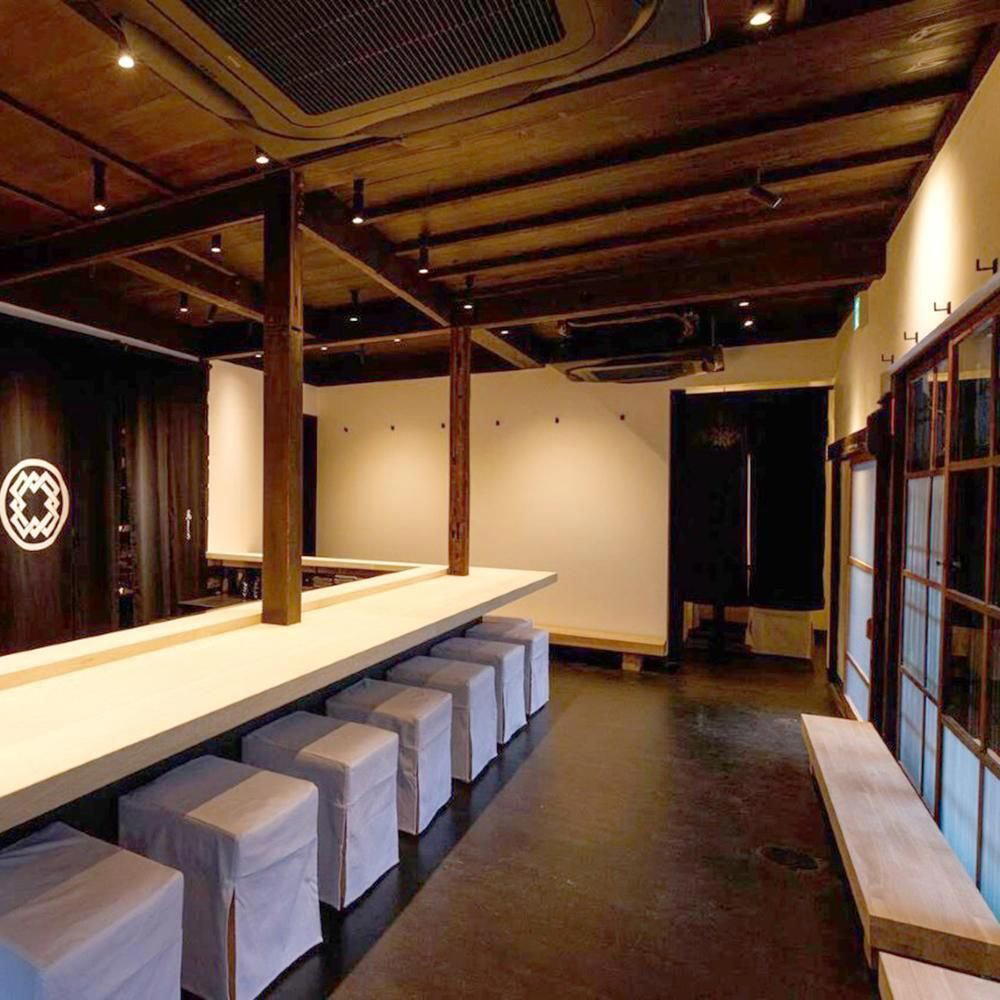
Where Yakitori Meets Kyoto's Counter Dining Culture
Kyoto's serious dining rooms tend toward kaiseki restraint, long tasting menus, and the kind of silence that signals ceremony. The city's yakitori scene occupies a different register entirely: direct heat, smoke, the rhythm of a grill, and a pace set by the cook rather than a printed menu. At the sharper end of that scene, a handful of counters have drawn Michelin attention and Tabelog recognition not by mimicking kaiseki's formality but by applying comparable discipline to chicken and charcoal. Torisaki is a Michelin-starred yakitori omakase restaurant in Nakagyo Ward, Kyoto, priced at about ¥15,000 to ¥19,999 per person. Yakitori earns Michelin recognition in Tokyo with some regularity; in Kyoto, the category has historically been treated as supporting cast to the kaiseki tradition. That Torisaki holds a star here, rather than in the capital, is the more interesting editorial point.
The Room, the Counter, the Ritual
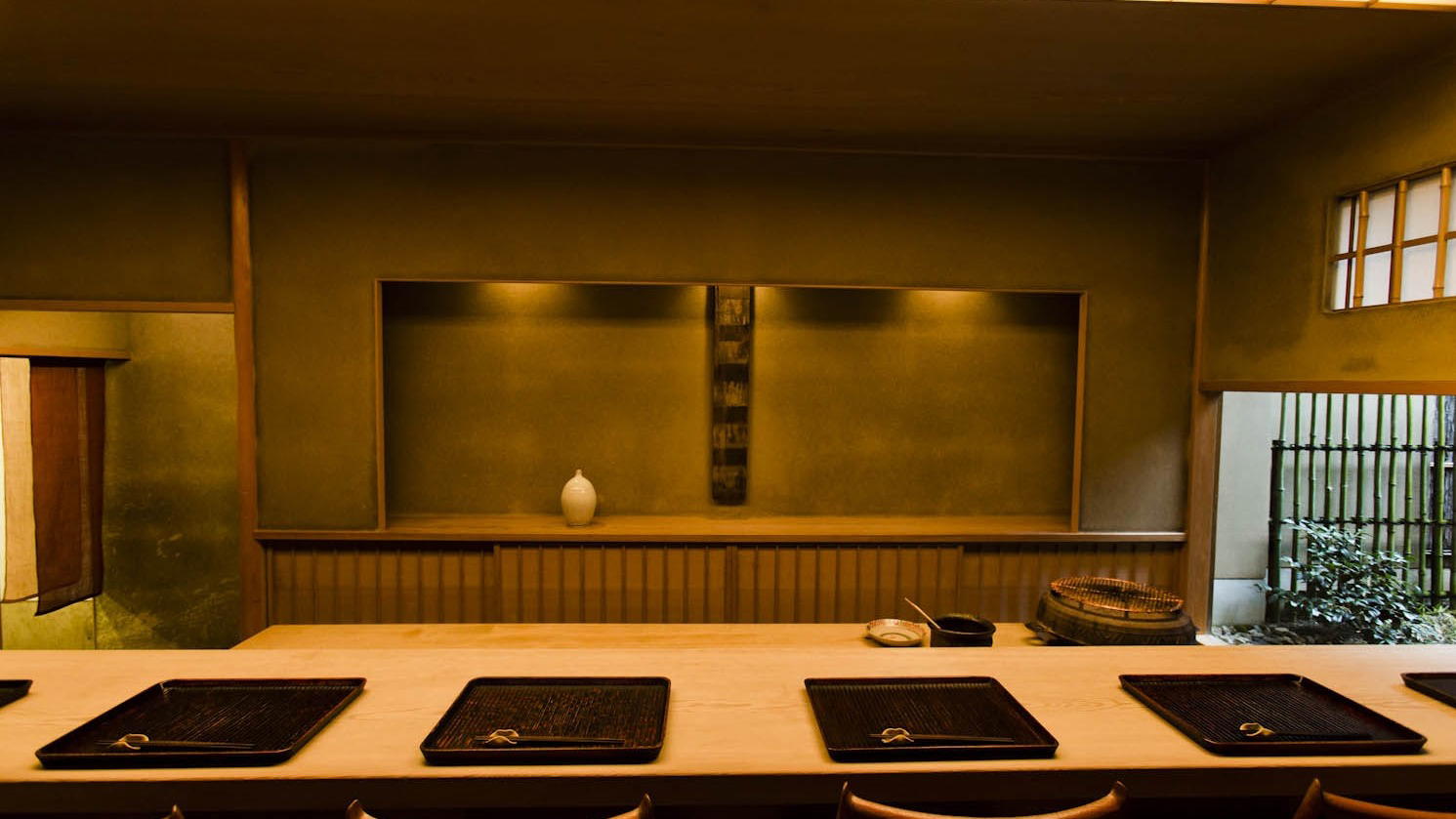
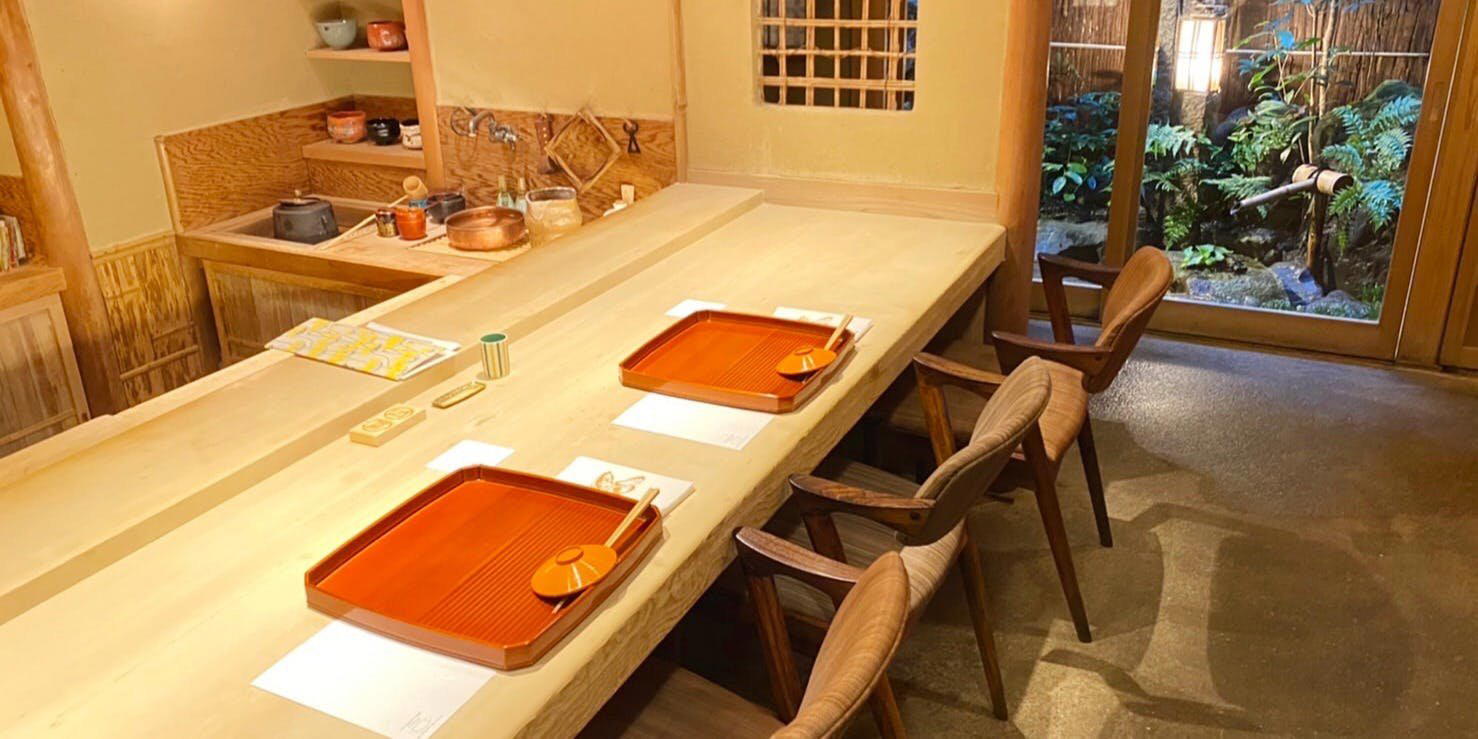
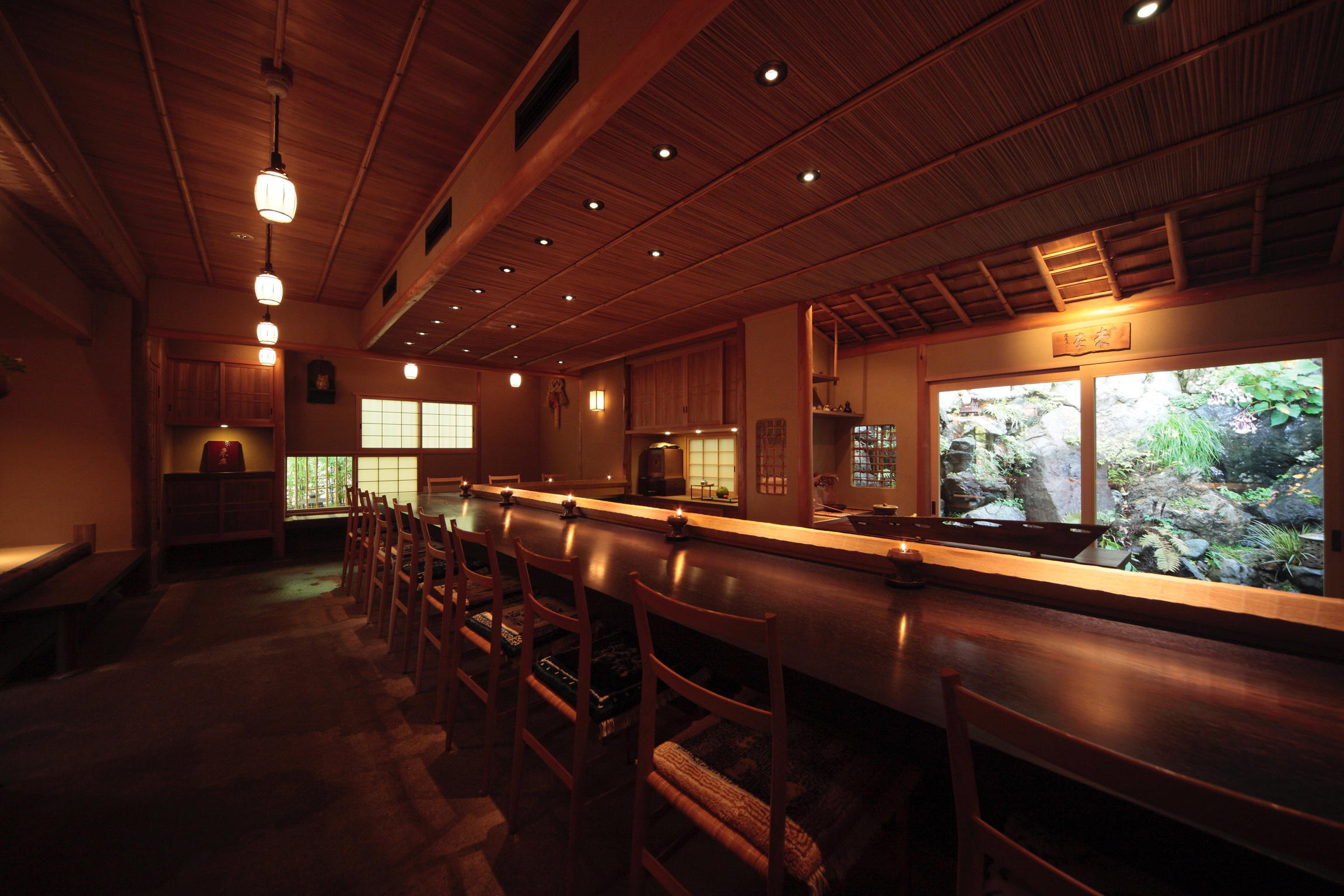
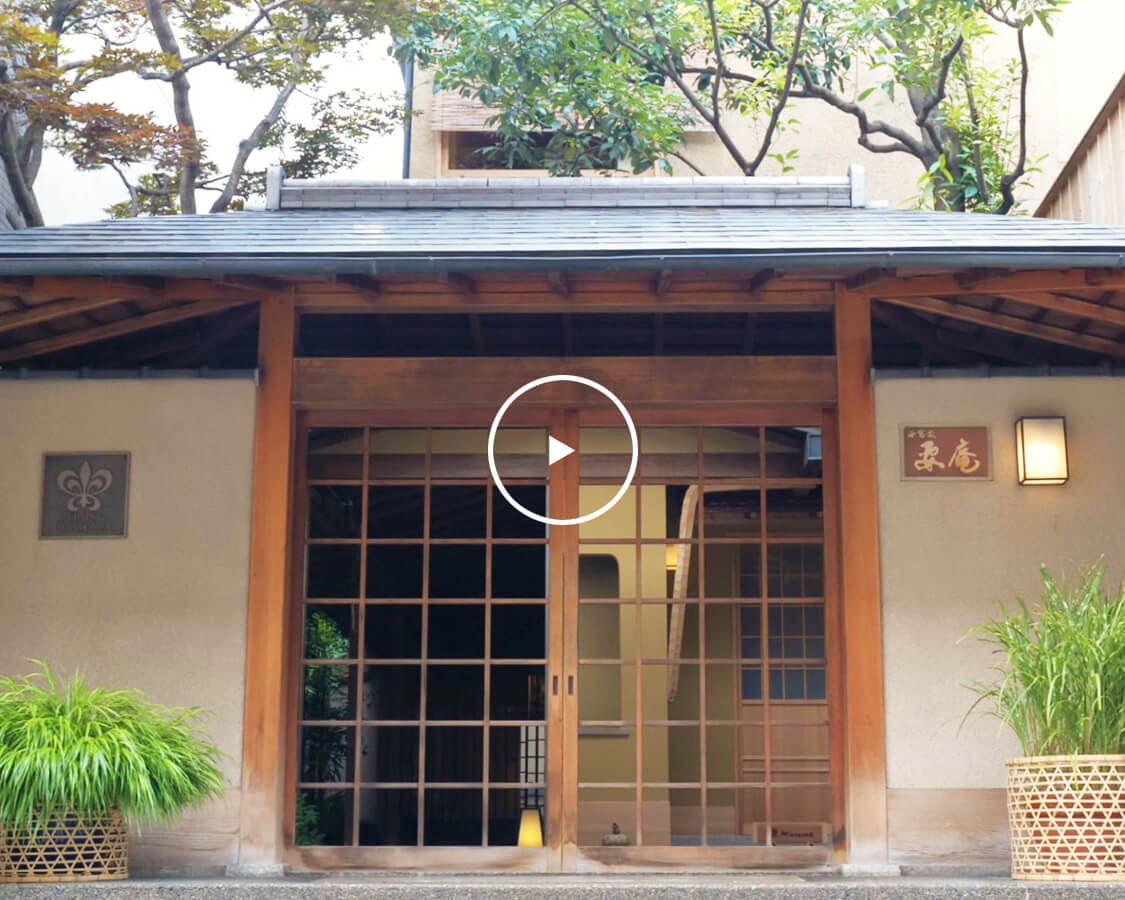
Machiya interiors carry a particular atmospheric weight in Kyoto: narrow, dark-timbered, with a domestic scale that makes the counter feel more like an invitation into a private kitchen than a restaurant transaction. Torisaki seats 19 in total, with 15 places at the main counter and a single private room for four. The cooks work in twisted headbands, a visual signal borrowed from the craft trades rather than the hospitality industry, and the sight of the grill in operation from a counter seat is the central experience the room is designed around. The space is described as stylish and relaxing in equal measure, which in this context means the theatrical element of live grilling is present without the performance anxiety of a tasting-menu dining room.
The Beverage Angle: Sake, Shochu, and the Logic of Pairing with Smoke
Yakitori is one of the few Japanese formats where sake pairing is genuinely competitive with wine pairing, and in some cases more instructive. The fat content and char of grilled chicken cuts respond differently to sake styles than they do to most European wine categories: a drier junmai or a lightly aged koshu can cut through the rendered fat of skin skewers in ways that a neutral white cannot. Torisaki's beverage programme includes sake (nihonshu), shochu, and wine. Shochu, particularly barley or rice varieties, pairs with lighter cuts where its lower sweetness and cleaner finish avoid competing with delicate seasoning. The wine option broadens the room to international diners and to those who want a contrast rather than a complement with the grill. In a city where sake service at serious counters is increasingly treated as an art form comparable to the food programme itself, the three-track drinks offer at Torisaki reflects the maturity of the format. Pair this against peers like Sumiyakisosaitoriya Hitomi and Torisho Sai, both operating in Kyoto's serious yakitori tier, and the drinks architecture at each counter becomes a useful way to read the room's ambitions.
Recognition That Compounds Over Time
Awards record here is worth reading carefully because it tells a consistency story rather than a one-year spike. Torisaki has appeared on the Tabelog Yakitori 100 list every year from 2021 through 2025, shifting to the Yakitori WEST 100 regional designation in 2023 and maintaining that position through 2025. The Tabelog Bronze Award has been awarded consecutively in 2024, 2025, and 2026, with a score of 4.25 out of 5. That score, alongside the Michelin one-star held since at least 2024, places Torisaki inside a narrow national tier. The Michelin one-star, within a city that awards stars almost exclusively to kaiseki and French-Japanese fusion counters, carries additional weight as a category signal. This is not a restaurant that received attention on opening and has since coasted; the five-year continuous Tabelog selection record demonstrates that the kitchen has maintained standard rather than peaked and declined.
Chicken, Source, and the Chochin Signature
Yakitori at the serious end of the market has bifurcated in the past decade in ways that mirror premium beef or fish sourcing. A generation ago, the chicken used at most yakitori counters was treated as a commodity input; the craft was in the grill. The current premium tier treats sourcing as part of the argument. Torisaki uses brand-name chicken from Fukushima, grilled over high flame. The chochin skewer, combining liver with the small egg sack found in laying hens, has become a signature item at the restaurant: a cut that rewards both the sourcing relationship with a specific producer and the technical precision required to grill offal cuts without either undercooking or drying them out. In the broader context of yakitori, chochin represents the kind of nose-to-tail application that was always implicit in the format but rarely executed with enough skill to become a signature. Kyoto-based yakitori counters like Yakitori Kyoto Tachibana and Hiiragitei each take different positions on sourcing and cut selection, making comparison across the city's counter scene a genuinely useful exercise for repeat visitors.
Torisaki in Its Wider Regional and National Context
Premium yakitori operates differently in Osaka and Kyoto than it does in Tokyo. The capital's density of Michelin-recognised yakitori counters means the format has its own established critical vocabulary there. In the Kansai region, yakitori has historically sat a step below kaiseki in the critical hierarchy, which makes Michelin recognition here a more pointed signal. Ichimatsu and Torisho Ishii represent Osaka's serious yakitori tier, and both operate in a city with a larger dining-out population and a stronger izakaya culture feeding into the yakitori habit. Kyoto's counter is working against a different current. The comparison to Gion Sasaki, a kaiseki reference point in the same city at ¥¥¥¥ pricing, is instructive: Torisaki at ¥¥¥ is priced below the kaiseki tier but within reach of it. Further afield, Harutaka in Tokyo, HAJIME in Osaka, akordu in Nara, Goh in Fukuoka, 1000 in Yokohama, and 6 in Okinawa all represent the broader Kansai and national premium dining circuit that serious Japanese restaurant visitors tend to map across a multi-city trip.
Planning Your Visit
A Pricing-First Comparison
Comparable venues nearby, for context on price, style, and recognition.
| Venue | Cuisine | Price | Awards | Notes |
|---|---|---|---|---|
| TorisakiThis venue — the venue you are viewing | Yakitori | $$$ | Michelin 1 Star | Not listed |
| Gion Owatari | Higashiyama, Traditional Kaiseki | $$$$ | Michelin 1 Star | Not listed |
| Gokomachi Tagawa | Not listed | $$$ | Michelin 1 Star | Nakagyō, Modern Japanese Charcoal Omakase |
| Sushi Rakumi | Higashiyama, Modern Japanese Omakase | $$$$ | Michelin 1 Star | Not listed |
| Nakazen | Sakyō, Traditional Kyoto Kaiseki | $$$ | Michelin 1 Star | Not listed |
| Nijojo Furuta | Not listed | $$$$ | Michelin 1 Star | Nakagyō, Michelin 1-Star Kyoto Kaiseki |
Recognition history
Dated appearances from independent guides and award organizations, with the underlying list record or original source where available.
Michelin 1 Star
Michelin
Tabelog Bronze #472
Tabelog
Tabelog Bronze
Tabelog
Tabelog 100 #24 · No. 24
Tabelog · Tabelog 100 - Yakitori - WEST - 2025
Michelin 1 Star
Michelin
Continue exploring
More in Kyoto
Restaurants in Kyoto
Browse all →
Bars in Kyoto
Browse all →
Hotels in Kyoto
Browse all →
Wineries in Kyoto
Browse all →
At a Glance
- Intimate
- Elegant
- Minimalist
- Cozy
- Date Night
- Special Occasion
- Chefs Counter
- Historic Building
- Sake Program
- Local Sourcing
- Garden
Current opening hours
- Monday
- 6–9 PM
- Tuesday
- 6–9 PM
- Wednesday
- 6–9 PM
- Thursday
- 6–9 PM
- Friday
- 6–9 PM
- Saturday
- 6–9 PM
- Sunday
- Closed
Hours can change for holidays and private events. Last verified .
Dim warm lighting in a minimalist restored townhouse with pale-wood U-shaped counter overlooking a small garden.