Located in Akasaka's Music Inn building, 楽亭 occupies a quieter tier of Tokyo's dense restaurant scene. Positioned in Minato-ku, it sits within reach of some of the capital's most closely watched dining rooms.
Pearl is the En Primeur Club membership app — saves, bookings, and concierge access live there. Same editors, same standards.
- Address
- 赤坂6-8-1 (ミュージックイン赤坂), 港区, 東京都, 107-0052
 Saves & bookings on Pearl
Akasaka and the Geometry of Tokyo's Dining Neighbourhoods
楽亭 is a handmade soba restaurant in Akasaka, Tokyo, and a meal typically costs about $35 per person. Certain wards carry outsized weight: Minato-ku, which contains Akasaka, Roppongi, and Azabu, has long functioned as one of the capital's most concentrated corridors for serious restaurants. The neighbourhood's character is partly corporate, partly diplomatic, and partly old-money residential. 楽亭, addressed at 赤坂6-8-1 within the Music Inn Akasaka building, sits inside that geography.
Akasaka differs from Ginza's more formal register and from Shibuya's youth-driven energy. It has its own cadence: quieter on weekends, more purposeful on weekdays, with a dining culture shaped by decades of business entertaining and private kaiseki rooms. Restaurants that establish themselves here tend to do so without aggressive public profiles, relying instead on repeat clientele and word-of-mouth referral networks that rarely surface on aggregator platforms. 楽亭 reflects that pattern.
The Ritual Architecture of the Japanese Meal
To understand any serious Japanese dining room, it helps to understand the structural logic that underpins how meals move in Japan. Whether the format is kaiseki, omakase sushi, or a more personal chef's table, the progression is rarely arbitrary. Courses arrive in an order dictated by tradition, season, and the chef's reading of the table. The diner's role is not passive consumption but attentive participation: timing the pace of sake, reading when conversation is welcome and when the focus should rest on the bowl in front of you.
This ritual dimension is what separates Tokyo's higher-end rooms from their Western counterparts. At venues like RyuGin, the kaiseki format carries its own strict internal grammar, moving from delicate to assertive, from raw to cooked, from light broth to denser preparations, across a sequence that can span three hours without feeling extended. At Harutaka, the omakase counter operates through a different but equally disciplined logic, where the chef's choices about fish temperature, rice seasoning, and service tempo communicate as much as the ingredients themselves. These are not meals you direct; they are meals you enter.
楽亭's placement in Akasaka positions it within this broader tradition of purposeful, structured dining. The Music Inn building address suggests a venue operating with continuity and a stable, known clientele.
Etiquette, Pacing, and What the Meal Asks of You
Etiquette shapes the experience in Tokyo's more serious dining rooms. Reservations are treated as commitments, not suggestions. Punctuality is expected; arriving late at a counter seat affects the entire sequence for both kitchen and fellow diners. Photography norms vary by room, but in quieter Akasaka settings, discreet behaviour is generally the default expectation rather than an exception. These are not arbitrary formalities; they are the conditions under which the kitchen can execute with precision.
The broader Tokyo dining etiquette context is useful here. Unlike some European fine-dining cultures where the maître d' actively shapes the mood of an evening, Japanese rooms tend to let the food carry the emotional weight. Conversation between diner and chef at an open counter is welcomed but follows the kitchen's rhythm. When a course arrives, the moment is for eating. This structure produces a particular kind of attentiveness that diners who have eaten at Sézanne or L'Effervescence will recognise as a Tokyo-specific quality even in rooms with French training behind them.
For visitors approaching 楽亭, the general principle is to arrive prepared to let the room set the tempo rather than importing assumptions from other dining cultures. The Akasaka neighbourhood context reinforces this: the area's restaurants have long served guests who understand the local codes, and rooms here rarely soften their format for unfamiliar visitors.
Tokyo's Dining Tier and Where Akasaka Sits Within It
Tokyo's premium restaurant tier has expanded and stratified considerably over the past fifteen years. The city now carries more Michelin stars than any other on the planet, but that density obscures meaningful distinctions. The upper tier of omakase counters, kaiseki rooms, and chef's table formats occupies a bracket defined as much by access as by price, where allocation lists, personal introductions, and multi-month booking windows function as the real filters. Below that sits a substantial and often overlooked mid-tier where serious cooking operates without the same level of international visibility.
Venues in this mid-tier frequently serve better food for the category than their lower public profile suggests. This is a consistent pattern in Tokyo: rooms with strong neighbourhood reputations and stable clienteles often have less need for external validation than their technically acclaimed counterparts. Crony represents one version of this, operating in an innovative French register with a following built more on quality than on award positioning. Akasaka has its own version of this dynamic, with venues that serve repeat guests who booked based on recommendation rather than aggregator ranking.
Japan's serious dining culture extends well beyond Tokyo. Gion Sasaki in Kyoto and HAJIME in Osaka represent the Kansai end of the same tradition, while regional venues like Goh in Fukuoka and akordu in Nara demonstrate how the country's culinary infrastructure extends far outside the two main urban centres. Even in less-trafficked prefectures, rooms like 一本木 in Nanao, 羽根屋 in Nishikawa Machi, and 夕佳山乃 in Sapporo sustain Japan's reputation for exacting hospitality at every price point. Further afield, international comparisons are instructive: Le Bernardin in New York City and Atomix in New York City pursue comparable levels of structural discipline in their respective formats, while Birdland in Sakai and Bistro Ange in Toyohashi illustrate how Japanese dining culture absorbs outside influences at the regional level.
For a fuller picture of where 楽亭 sits within Tokyo's dining geography, see our full Tokyo restaurants guide, which covers the capital's dining tiers, neighbourhood patterns, and the booking dynamics that shape access across the city. Additional regional context is available through 湖畔荘 in Takashima, which illustrates the quieter, locally rooted end of Japan's hospitality spectrum.
Planning a Visit
楽亭 is located at 赤坂6-8-1, Music Inn Akasaka, Minato-ku, Tokyo 107-0052. The address is accessible from Akasaka Station on the Chiyoda Line and from Akasaka-Mitsuke Station on the Marunouchi and Ginza Lines. As no booking platform, phone number, or website appears in available public records, the practical recommendation is to approach through a hotel concierge with established Akasaka contacts, or through a dining intermediary familiar with the neighbourhood's more privately operated rooms.
A Minimal comparable set
Comparable venues nearby, for context on price, style, and recognition.
| Venue | Cuisine | Price | Notes |
|---|---|---|---|
| 楽亭This venue — the venue you are viewing | Kagurazaka, Handmade Soba | $$$ | Not listed |
| Tori Ki | Sumida, Yakitori Omakase Counter | $$$ | Not listed |
| Ranma | Minato, Teppanyaki Japanese | $$$ | Not listed |
| Torie Ueno hirokoji ten | Bunkyō, Wine-focused Yakitori & Izakaya | $$$ | Not listed |
| Sushi Oochi | Minato, Traditional Sushi Omakase | $$$ | Not listed |
| Nanban Ginen Tei | Not listed | $$$ | Chūō, Ginza yoshoku (Japanese-style Western) restaurant |






At a Glance
- Intimate
- Classic
- Solo
- Date Night
- Business Dinner
- Sake Program
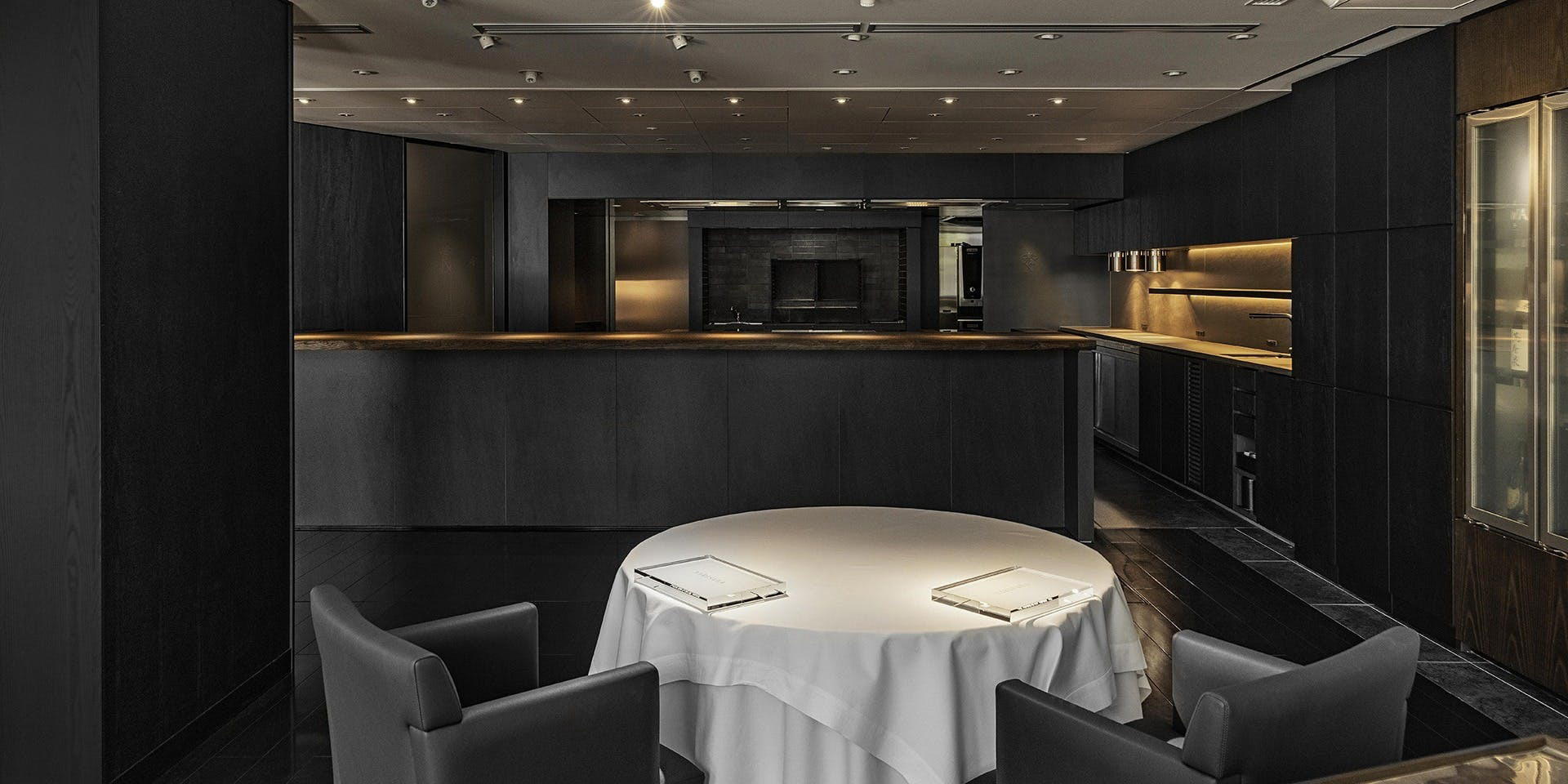
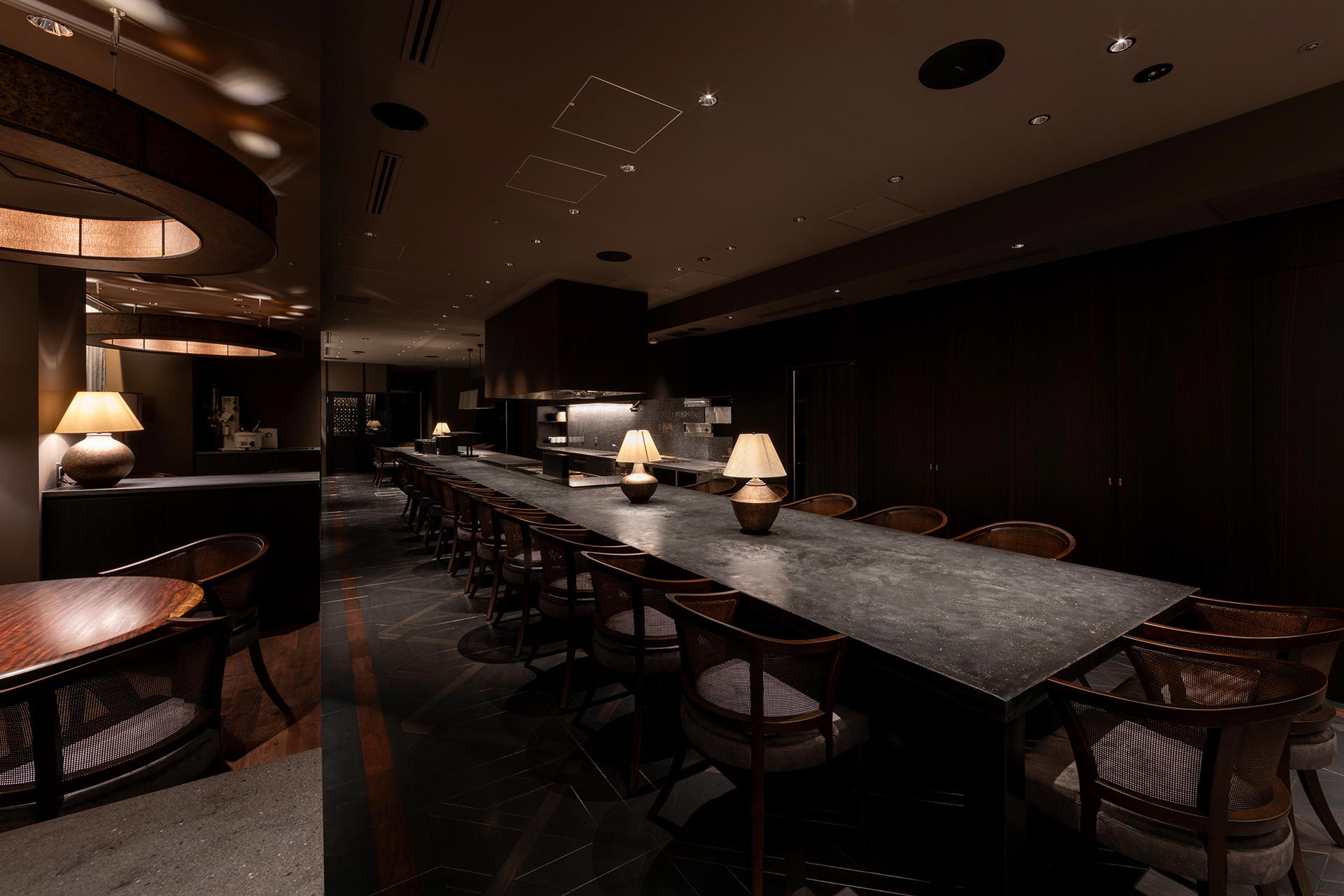
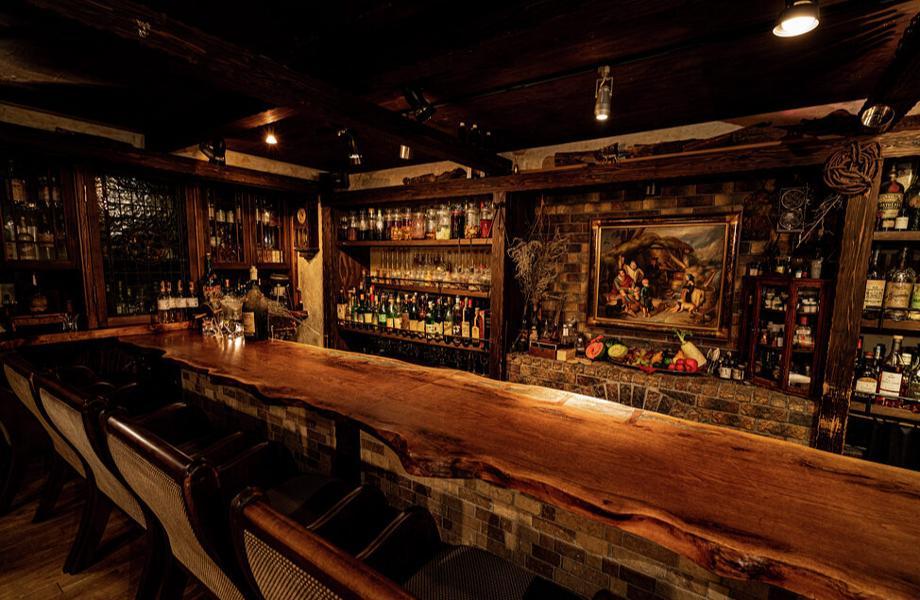
Cozy hideaway atmosphere in a quiet alley with an elegant, classic dining space.