1 Michelin Star
Our verdict
A Piedmont-trained chef brings northern Italian technique to a second-floor Shimogyo address, folding Kyoto's seasonal produce into handmade tajarin and tagliolini. Garlic is held back deliberately, letting vegetables from Ohara and duck from Kameoka carry the conversation. The name translates as 'bud', an apt frame for a kitchen still deepening its own roots in two culinary traditions.

Pearl is the En Primeur Club membership app, where members save venues, book tables and use the concierge.
The menu
What to order
- Winter_pumpkin_risotto
- Pappardelle_with_lamb
- Tajarin_al_burro_e_parmigiano
A Second Floor Room With Two Culinary Traditions in It
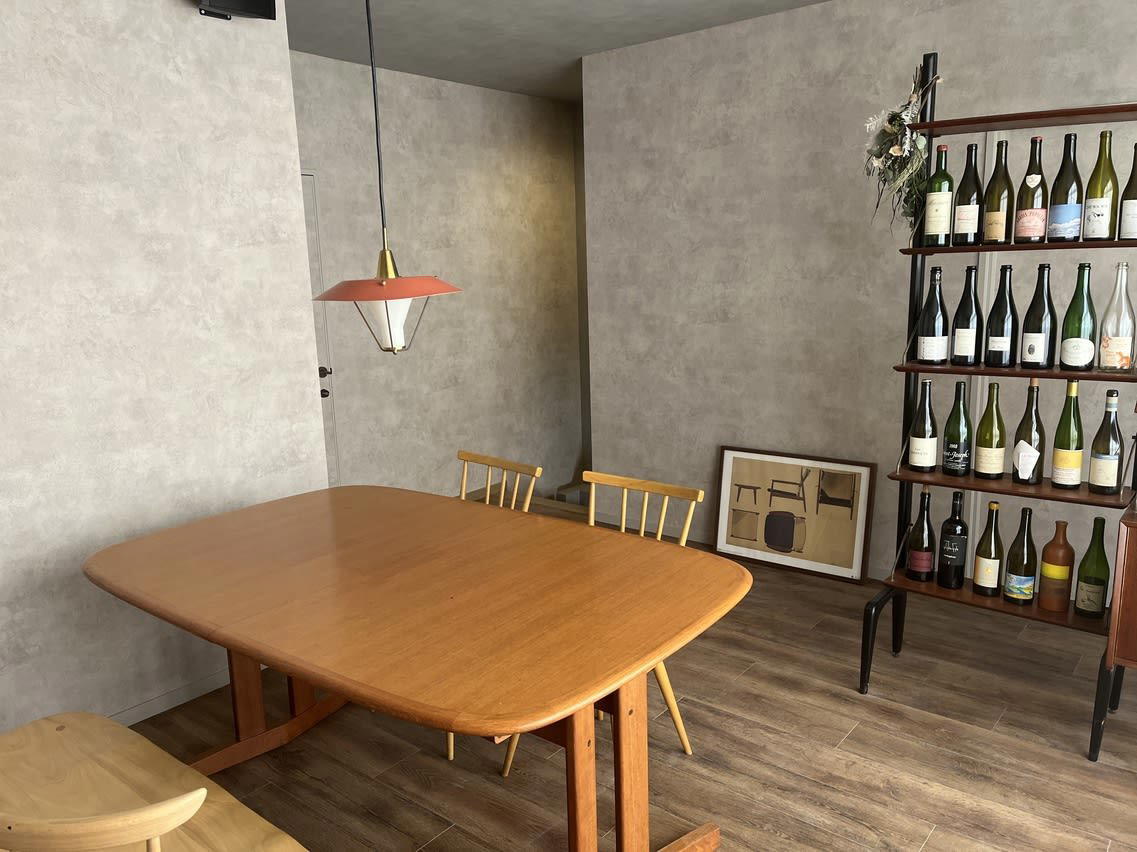
Shimogyo Ward does not announce itself as a destination for Italian dining. The neighbourhood sits south of Kyoto's central axis, practical rather than picturesque, the kind of address where a second-floor restaurant in a low-rise commercial building reads as a deliberate choice rather than an oversight. Climbing to Germoglio's floor in the Neo Hills Building on Higashisakai-cho, the city below recedes and a quieter register takes over. The space operates at the scale that suits the cooking: contained, focused, without the performative openness that larger Western-format restaurants in Japan sometimes adopt to signal accessibility.
That physical containment matters because the food depends on attention. This is not the kind of Italian cooking that broadcasts itself, no heavy garlic base, no assertive reduction obscuring what's underneath. The restraint is structural. Garlic is used sparingly as a deliberate choice to keep native ingredient flavours in the foreground, a discipline that requires the produce to be good enough to carry the weight on its own. Vegetables sourced from Ohara and duck from Kameoka are not decorative local references but load-bearing ingredients in dishes built around Piedmontese logic.
Piedmont as a Starting Point, Kyoto as the Continuation
Among the regional Italian traditions that translate well to Japan's seasonal framework, Piedmont has particular advantages. The cuisine is restrained by Mediterranean standards: butter and egg yolk do more work than olive oil, pasta takes precedence over pizza, and the underlying flavour palette runs cooler and more mineral than southern Italian cooking. Those qualities sit in easy conversation with the washoku principle of coaxing rather than imposing flavour, which may explain why the Kyoto-Piedmont synthesis at Germoglio reads as coherent rather than contrived.
The handmade pasta is where that synthesis is most visible. Tajarin, the Piedmontese egg-yolk pasta cut into fine strands, and tagliolini both appear on the menu, and both require a level of craft in their production that the kitchen treats as non-negotiable. The dough is adjusted for the day's humidity and the condition of the eggs, a calibration practice that mirrors the precision expected at the kaiseki tables a few streets away. It is worth understanding that kind of attentiveness as a Kyoto habit as much as an Italian one: the city has a long history of demanding that craft remain visible in the finished object.
Kyoto's Italian restaurant scene has grown more confident in recent years. cenci, which holds a Michelin star at the same ¥¥¥ price tier, works a comparable territory of Italian technique applied to Japanese seasonal produce. Bini and Vena occupy similar ground, each with its own regional Italian reference point. BOCCA del VINO approaches the combination from a wine-forward direction. What distinguishes Germoglio within this cohort is the specificity of its northern Italian lineage and the degree to which the pasta-making is positioned as the technical core of the offer rather than one element among several.
The Name as Programme
The restaurant's name translates from Italian as 'bud', carrying the image of something in early growth, a shoot that will continue to develop rather than a statement of arrival. As a frame for a kitchen, it sets a particular kind of expectation: this is a place oriented toward process and development rather than the consolidation of a fixed identity. That framing shapes how the cooking reads. The menu's engagement with Kyoto's four seasons is not merely a selling point but a mechanism for ongoing evolution, with each ingredient cycle demanding a fresh decision about how Piedmontese and Kyoto logic should intersect that week.
For context across the wider Kansai and Japanese dining circuit, the HAJIME in Osaka and akordu in Nara both demonstrate how European culinary frameworks can embed deeply in Japanese regional contexts without defaulting to simple fusion. Germoglio operates at a smaller scale and a more intimate register, but the underlying question the kitchen is asking, what does European technique become when it is rebuilt around Japanese ingredients and seasonal discipline, is the same question driving more decorated addresses across the country.
Planning a Visit
Germoglio is located on the second floor of the Neo Hills Building at 172 Higashisakai-cho, Shimogyo Ward, Kyoto, walkable from Kyoto Station and well-served by the city's central bus network. The ¥¥¥ price positioning places it in line with cenci and below the ¥¥¥¥ kaiseki tier occupied by venues like Gion Sasaki and Ifuki. Phone and online booking details are not published centrally; contact through the restaurant directly or via local concierge services is advisable. Given the pasta-focused format and the hand-production involved, booking ahead rather than walking in is the practical approach.
For those building a fuller Kyoto itinerary around food and drink, Our full Kyoto restaurants guide, Our full Kyoto bars guide, Our full Kyoto hotels guide, Our full Kyoto experiences guide, and Our full Kyoto wineries guide provide broader context. Across Japan, Harutaka in Tokyo, Goh in Fukuoka, 1000 in Yokohama, and 6 in Okinawa represent the breadth of serious dining across the country. For comparison points on Italian cooking outside Japan, 8 1/2 Otto e Mezzo Bombana in Hong Kong and Frasca Food & Wine in Boulder both demonstrate how Italian regional traditions travel and adapt. TAKAYAMA in Kyoto rounds out the local picture for those interested in how different European-Japanese cooking dialogues play out across the same city.
Frequently asked questions
What should I expect cuisine-wise at Germoglio?
What's Germoglio known for in terms of accolades?
Germoglio has received recognition including: The chef honed his craft in northern Italy as well as Kyoto. Pursuing original interpretations, he tacks Kyoto ingredients onto hometown Italian recipes. His passion leans toward the pasta dishes of the Piedmont region. His skill in making ….
What should I eat at Germoglio?
The pasta dishes are the clearest expression of the kitchen's identity. The chef trained in Piedmont and makes tajarin and tagliolini by hand, adjusting the dough to the day's humidity and ingredient condition. Garlic is kept to a minimum so that local produce, vegetables from Ohara, duck from Kameoka, carries the flavour rather than being masked by it.
Is Germoglio expensive?
Pricing at Germoglio is listed as ¥¥¥.
Recognition, Side-by-Side
| Venue | Cuisine | Price | Awards | Notes |
|---|---|---|---|---|
| GermoglioThis venue (the venue you are viewing) | Piedmontese Italian with Kyoto Seasonality | $150–200 | 1 Michelin Star | Not listed |
| Gion Sasaki | Modern Kaiseki | $300–500 | 3 Michelin Stars · La Liste Top Restaurants | Kaiseki, Japanese |
| cenci | Innovative Italian-Japanese Fusion | $100–150 | 1 Michelin Star · World's 50 Best #76 | Italian |
| Ifuki | Sumibi Kappo Kaiseki | $200–300 | 2 Michelin Stars · La Liste Top Restaurants | Kaiseki |
| Kyokaiseki Kichisen | Kyoto Kaiseki | $200–300 | 2 Michelin Stars · La Liste Top Restaurants | Japanese |
| Kyo Seika | Modern Chinese Fine Dining | $150–200 | 1 Michelin Star · Tabelog Bronze #216 | Chinese |
Recognition history
Dated appearances from independent guides and award organizations, with the underlying list record or original source where available.
Michelin 1 Star
Michelin
Full recognition history (3 entries)
Michelin Plate
Michelin
Michelin Plate
Michelin