



1 Michelin Star · Star Wine List · Tabelog 100 #83
Our verdict
Vena holds a Michelin one-star rating in Nakagyo-ku, Kyoto's central ward, where chef Shinya Matsumoto has been cooking Italian food through a distinctly Japanese lens since 2016. The kitchen's most discussed technique involves grilling over charcoal in a vertical arrangement that recalls ancient hearth cooking, concentrating fat and smoke into each item. Among Kyoto's small Italian contingent, Vena sits at the serious end of the critical register.

Pearl is the En Primeur Club membership app, where members save venues, book tables and use the concierge.
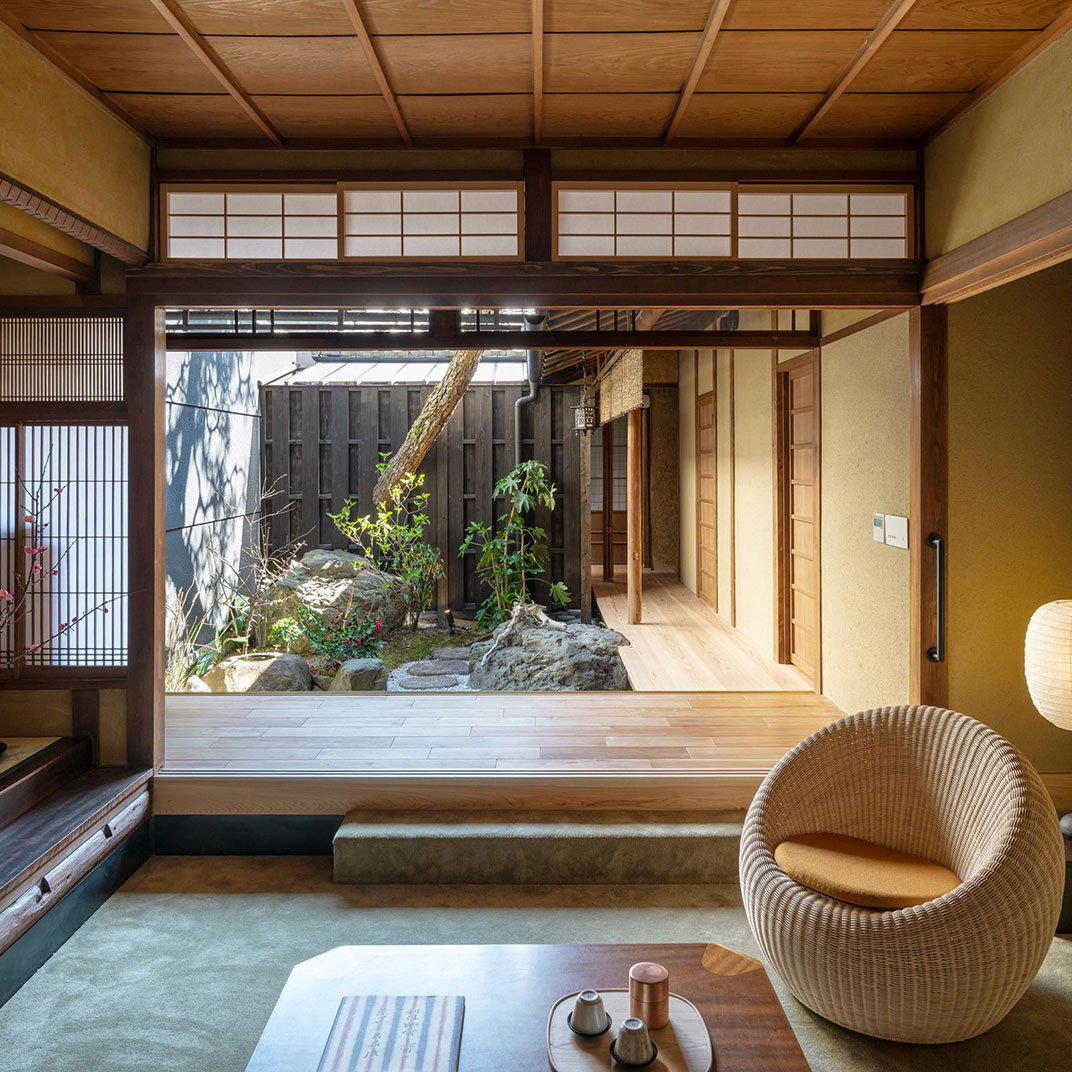
Where Italian Cooking Meets Kyoto's Appetite for Restraint
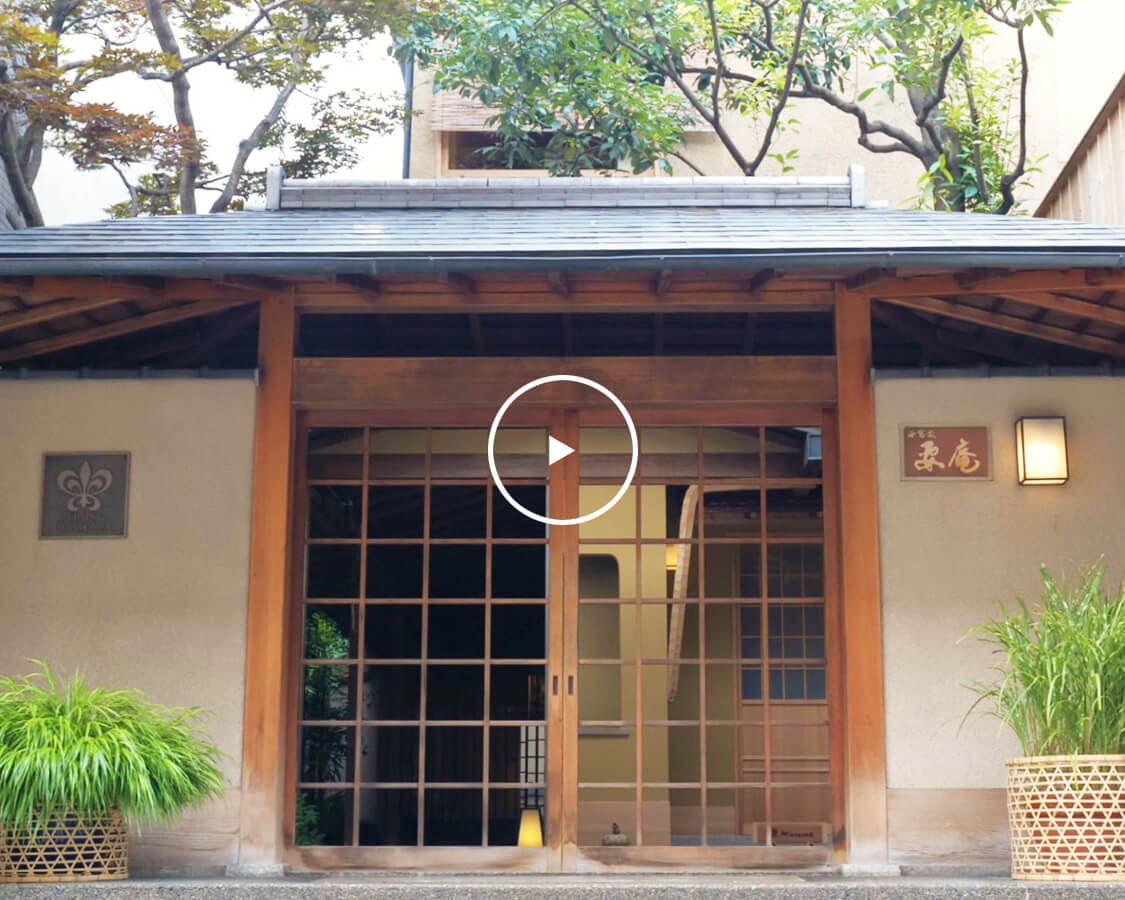
Nakagyo-ku sits at the geographic and commercial heart of Kyoto, a ward defined less by tourist spectacle than by the kind of long-established neighbourhood life that gives Kyoto its operating rhythm. The address on Kagamiya-cho, a short distance from the Oike corridor, places Vena in that quieter residential-commercial grain rather than in the high-traffic zones around Gion or Nishiki. Arriving here, the scale of the street and the composure of the surrounding buildings set an expectation: this is not a restaurant designed for passers-by. The decision to eat here is a deliberate one.
That deliberateness has been rewarded critically. Eight years of operation at this standard is a meaningful data point in a city where the restaurant population turns over steadily.
Italian Cooking in a City That Does Not Need It, and Chooses It Anyway
Kyoto's relationship with non-Japanese cuisine is instructive. The city's culinary identity is anchored by kaiseki, the formal, seasonal progression that institutions like Gion Sasaki and Ifuki represent at the top of the market, but there has long been a parallel track of non-Japanese kitchens that read, absorb, and then operate on Kyoto's own terms. Italian food occupies a particular position in this ecosystem. It shares enough structural logic with Japanese cooking, seasonal emphasis, product respect, restraint in layering, that the translation is rarely forced.
Vena sits within a small but serious cluster of Kyoto Italian addresses. cenci occupies a comparable price tier and draws similar critical attention; Bini, BOCCA del VINO, and DODICI form part of the wider Italian contingent in the city. Against this backdrop, Vena's star distinguishes it within that peer group rather than simply within the broader Kyoto dining market. The price point, ¥¥¥ on a four-tier scale, places it below the kaiseki top tier (typically ¥¥¥¥, as at Gion Sasaki or Kyokaiseki Kichisen) while signalling that this is a considered-spend decision, not a casual dinner.
The Charcoal Technique at the Core of the Kitchen
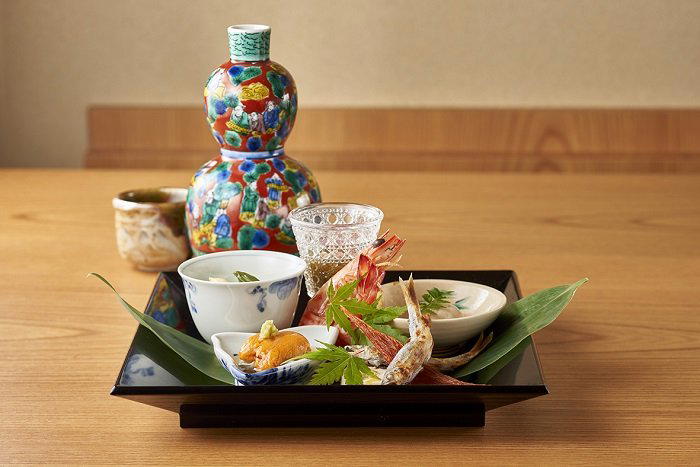
What makes Vena editorially interesting is not the Italian framework itself but what chef Shinya Matsumoto does within it. The kitchen's most discussed technique involves grilling proteins vertically over charcoal in a pot, a method that references the logic of traditional sunken-hearth cooking. The vertical orientation allows rendered fat to fall directly onto the charcoal, generating smoke that rises continuously around each item as it cooks. The result is that the aromatic layer in the finished dish is not an applied flavour but a by-product of the cooking process itself.
This is a technique with pre-industrial roots, the kind of approach that preceded the standardisation of commercial kitchen equipment and that requires close attention to fire management rather than temperature dials. Matsumoto's application of it to Italian-framed dishes is where the Kyoto context becomes relevant: the city has a documented appetite for craft that connects to older practices, and a restaurant operating in that register tends to read more naturally here than it might in Tokyo or Osaka.
For the broader Japan Italian scene, Vena's approach places it in a category of restaurants where Italian cuisine is a vehicle for a specific technical or philosophical position rather than a direct regional transplant. HAJIME in Osaka operates in a different register but similarly uses European frameworks to express something that could not exist outside Japan. Internationally, the question of what Italian cooking becomes when it travels to contexts with strong independent culinary traditions, as at 8 1/2 Otto e Mezzo Bombana (Hong Kong), is a consistent editorial thread.
What Michelin Recognition Means in This Context
A Michelin one-star designation in Kyoto carries specific weight. The guide's Japan operation applies standards with documented rigour, and the Kyoto edition is particularly competitive given the density of kaiseki institutions competing in the same frame. A one-star Italian restaurant in this city is not simply a good Italian restaurant: it is a kitchen that has been assessed against a standard set largely by Japanese cuisine and found to meet it on its own terms.
Outside Japan, Frasca Food & Wine in Boulder offers a different case study in Italian cooking that has been shaped by a non-Italian context, though the mechanisms of that influence differ substantially.
Longevity in the Michelin system, particularly at a restaurant that does not belong to a group or operate under a highly publicised chef profile, indicates consistent execution rather than a single impressive season.
Planning a Visit
Vena is located in Nakagyo Ward at 夷川上ル鏡屋町46-3, in central Kyoto. The ¥¥¥ price tier puts it in the mid-to-upper spend range for the city. No walk-in policy is documented in the available record, and attempting to arrive without a reservation at a one-star kitchen of this profile carries meaningful risk of unavailability.
For those building a wider Kyoto itinerary, our guides cover the full range of the city's dining, drinking, and hospitality options: our full Kyoto restaurants guide, our full Kyoto hotels guide, our full Kyoto bars guide, our full Kyoto wineries guide, and our full Kyoto experiences guide. For Japanese fine dining elsewhere in the Kansai region and beyond, akordu in Nara and Goh in Fukuoka are worth adding to the wider itinerary. 1000 in Yokohama and 6 in Okinawa round out the Japan picture for those travelling more widely. TAKAYAMA is also worth considering for those seeking a different register within Kyoto itself.
Quick reference:
Frequently asked questions
What's Vena's location?
Vena is located at Japan, 〒604-0002 Kyoto, Nakagyo Ward, 夷川上ル鏡屋町46-3, Kyoto.
Do they take walk-ins at Vena?
Walk-in availability is not confirmed, and the circumstances make it unlikely. Vena has held a Michelin one-star rating since at least 2024 and has been described as one of the most sought-after Italian restaurants in Kyoto since opening in 2016. Advance booking is strongly advisable.
A Tight Comparison
A quick peer check to anchor this venue’s price and recognition.
| Venue | Cuisine | Price | Awards | Notes |
|---|---|---|---|---|
| VenaThis venue (the venue you are viewing) | Seasonal Italian Fine Dining | $200–300 | 1 Michelin Star · Star Wine List | Not listed |
| Gion Sasaki | Modern Kaiseki | $300–500 | 3 Michelin Stars · La Liste Top Restaurants | Kaiseki, Japanese |
| cenci | Innovative Italian-Japanese Fusion | $100–150 | 1 Michelin Star · World's 50 Best #76 | Italian |
| Ifuki | Sumibi Kappo Kaiseki | $200–300 | 2 Michelin Stars · La Liste Top Restaurants | Kaiseki |
| Kyokaiseki Kichisen | Kyoto Kaiseki | $200–300 | 2 Michelin Stars · La Liste Top Restaurants | Japanese |
| Kyo Seika | Modern Chinese Fine Dining | $150–200 | 1 Michelin Star · Tabelog Bronze #216 | Chinese |
Recognition history
Dated appearances from independent guides and award organizations, with the underlying list record or original source where available.
Michelin 1 Star
Michelin
Star Wine List
Star Wine List
Opinionated About Dining Top Restaurants in Japan Recommended
Opinionated About Dining
Tabelog 100 #83 · No. 83
Tabelog · Tabelog 100 - Italian - WEST - 2025
Full recognition history (5 entries)
Michelin 1 Star
Michelin
Vena
Featured Guides
Continue exploring
More in Kyoto
Restaurants in Kyoto
All restaurants in Kyoto →
Bars in Kyoto
All bars in Kyoto →
Hotels in Kyoto
All hotels in Kyoto →

Wineries in Kyoto
Browse all →
Details
- Elegant
- Intimate
- Sophisticated
- Cozy
- Date Night
- Special Occasion
- Business Dinner
- Chefs Counter
- Private Dining
- Sake Program
- Sommelier Led
- Local Sourcing
- Garden
- Tasting Menu
- Wine
Current opening hours
- Monday
- 12–2:30 PM, 5:30–10 PM
- Tuesday
- 12–2:30 PM, 5:30–10 PM
- Wednesday
- Closed
- Thursday
- 5:30–10 PM
- Friday
- 5:30–10 PM
- Saturday
- 12–2:30 PM, 5:30–10 PM
- Sunday
- 12–2:30 PM, 5:30–10 PM
Hours can change for holidays and private events. Hours as of .
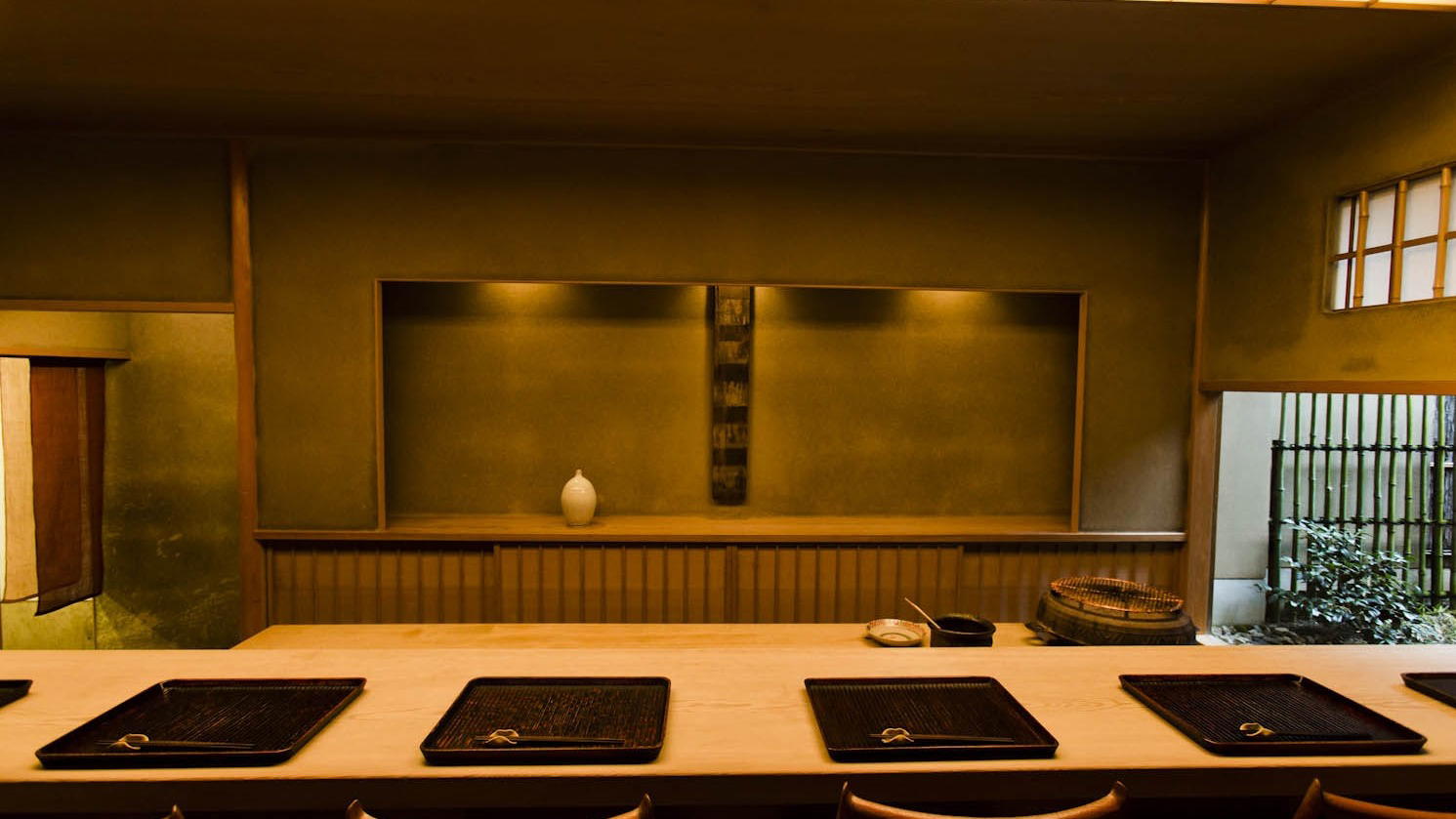
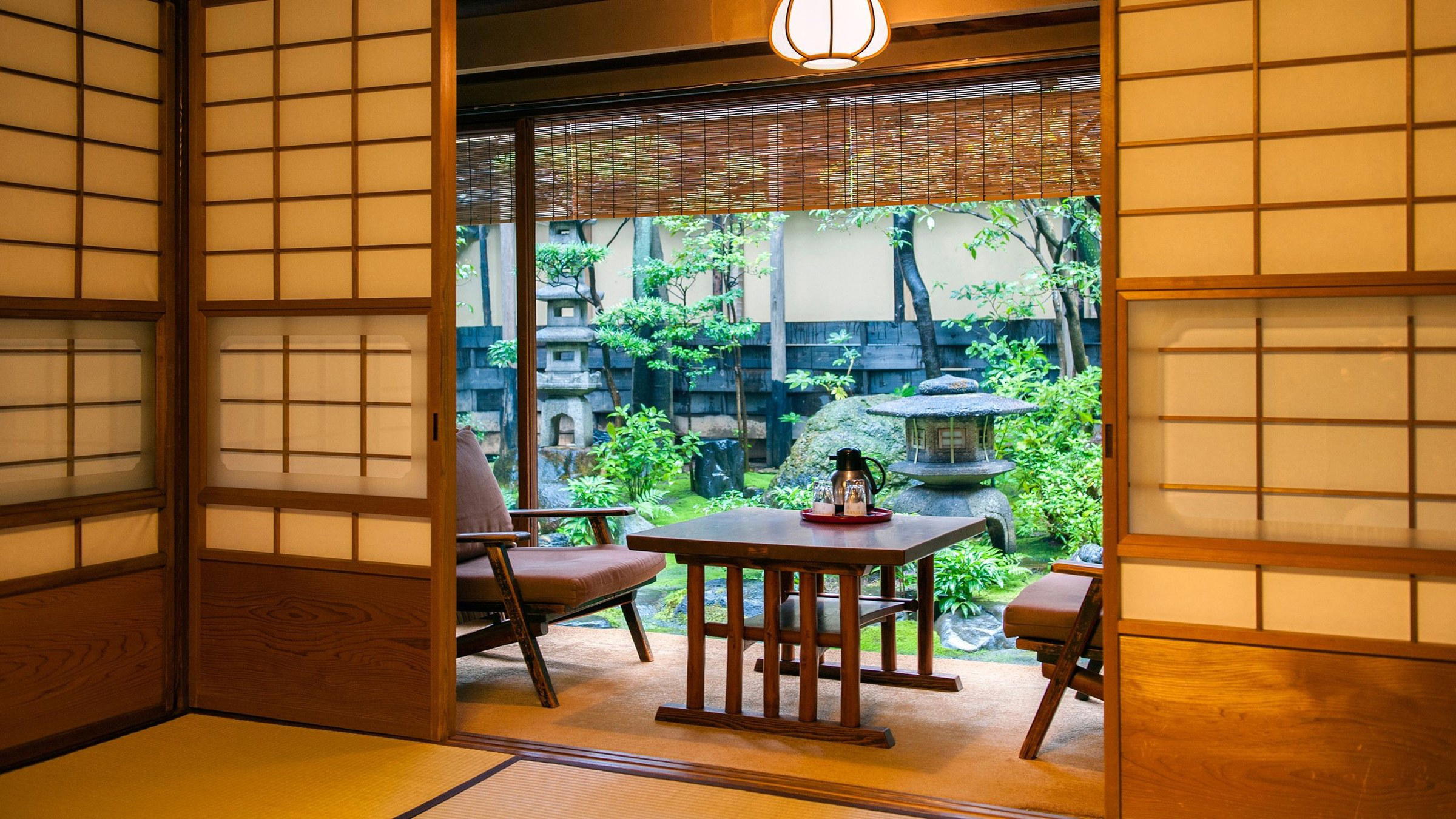
Sophisticated adult space blending Nordic vintage interiors with traditional Kyoto machiya architecture, creating a warm and thoughtful atmosphere.