
A Michelin Plate-recognised Chinese restaurant in Kyoto's Higashiyama Ward, hakubi runs prix fixe menus structured around multiple small courses that draw on imperial court banquet traditions while folding in Western luxury ingredients. Rice vermicelli with caviar and chicken wing tips wrapped in foie gras define the kitchen's register: technically rooted in Chinese cuisine, but deliberately unconfined by it. Rated 4.8 on Google across verified reviews.
Pearl is the En Primeur Club membership app — saves, bookings, and concierge access live there. Same editors, same standards.
- Address
- 481-1 Kiyoicho, Higashiyama Ward, Kyoto, 605-0821, Japan
- Phone
- +81 75-585-5327
- Website
- hakubi-kyoto.com
- Directions
- Get directions
 Saves & bookings on Pearl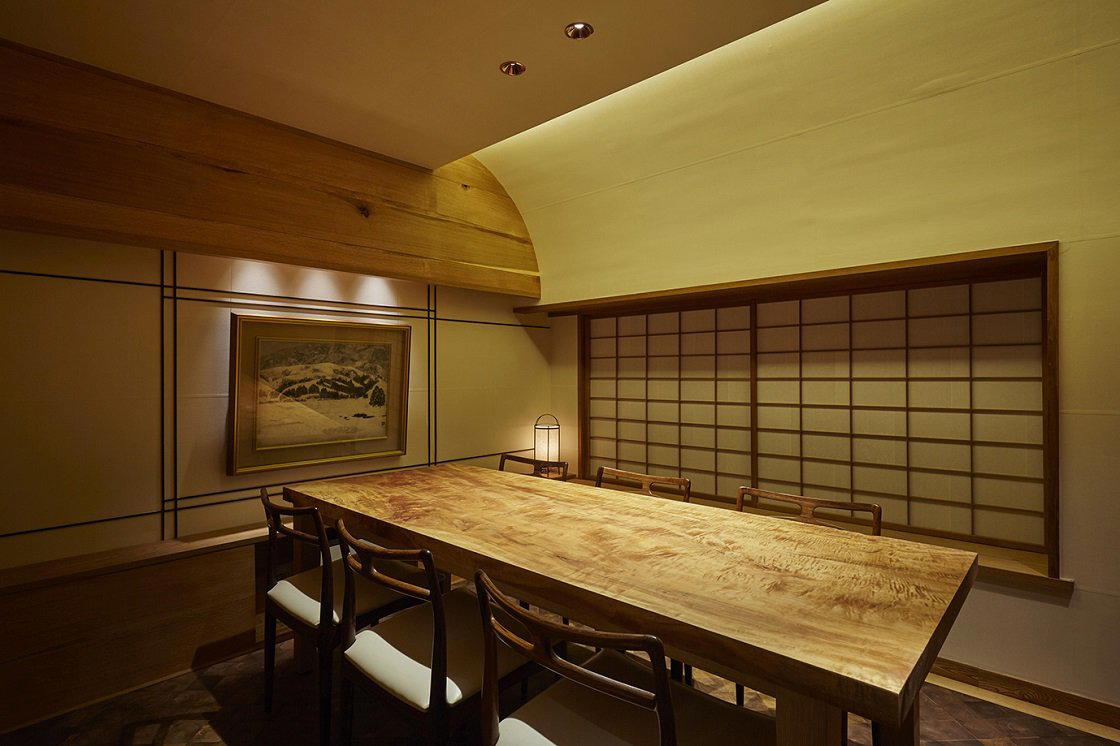
Chinese Cuisine in the City That Perfected Ceremony
Kyoto's dining culture is so thoroughly defined by kaiseki that restaurants operating outside that tradition tend to occupy a different kind of attention. The city has produced some of Japan's most rigorous kaiseki practitioners, venues like Akihana and Hachiraku sit within that lineage, and the multi-course, seasonally governed format has become something close to a civic identity. Against that backdrop, Chinese cuisine expressed through an equivalently ceremonial structure carries a specific charge. It signals not fusion, but a different kind of formalism: the banquet traditions of the imperial Chinese court, where hospitality was measured in courses and the progression of a meal was itself a form of rhetoric.
hakubi is a restaurant in Higashiyama Ward, Kyoto, serving modern Chinese tasting menus inspired by the Manchu-Han imperial feast. Its prix fixe menus unfold across multiple small dishes in a format that reads structurally like kaiseki but draws its culinary grammar from Chinese court banqueting. The result is a restaurant that sits at an unusual crossroads in Kyoto's dining scene: not the Italian modernism of VELROSIER, not the traditional Japanese register of the city's kaiseki houses, but a Chinese kitchen operating with the pacing and ceremony those kaiseki houses have made familiar.
The Logic of the Menu
The Chinese imperial court banquet was never a modest affair. It was theatre organised around abundance, and the modern interpretation of that format, at its most considered, uses the multi-course structure to create comparison and contrast rather than simple accumulation. At hakubi, that spirit appears in the way dishes are paired and sequenced. Rice vermicelli with caviar places a delicate, texturally light Chinese staple alongside one of the West's most loaded luxury signals. Chicken wing tips wrapped in foie gras make a similar argument: Chinese technique, French ingredient, the result belonging to neither tradition entirely.
The kitchen's relationship with Western elements is not decorative. When a dressing of chilli sauce and mayonnaise accompanies shrimp, the pairing is framed as a taste comparison, two condiment registers asked to comment on each other. This is the kind of menu architecture that requires a degree of confidence in the diner. At the ¥¥¥ price tier, it places hakubi in a bracket occupied locally by Kyo Seika, another Chinese restaurant in Kyoto holding Michelin recognition at the same price point. The two represent different expressions of what serious Chinese cooking looks like in a city whose culinary prestige is almost entirely built around Japanese traditions.
Among the broader Japanese restaurant scene, comparable ambition in the modernist Chinese register can be found at venues like HAJIME in Osaka and, at a different register and cuisine type, Harutaka in Tokyo. Internationally, kitchens pushing Chinese cuisine into fine-dining territory include Restaurant Tim Raue in Berlin and Mister Jiu's in San Francisco, both of which treat Chinese culinary structure as a point of departure rather than a constraint. hakubi operates in this wider company, though its specifically Kyoto context and its debt to imperial court formalism give it a distinct position within that group.
Higashiyama Ward: The Setting Matters
The address, Kiyoicho, Higashiyama Ward, is not incidental. Higashiyama is among Kyoto's most historically dense neighbourhoods, running along the eastern hillside between Gion and the Kiyomizudera temple precinct. The area carries a weight of cultural seriousness that is felt as much as seen: stone-paved lanes, preserved machiya townhouses, shrines folded into residential streets. Dining in Higashiyama means eating in a neighbourhood where the physical environment already performs a kind of ceremony. A Chinese restaurant invoking imperial court banqueting in this setting is making a contextual argument, whether or not that argument is stated explicitly. The surroundings amplify the register of the food.
For visitors structuring a broader Kyoto itinerary, Higashiyama's concentration of cultural sites makes it a natural anchor for an evening. Restaurants worth considering alongside hakubi for a Kyoto visit include Canton Shunsai Ikki, another Chinese kitchen working in Kyoto, as well as Kyo Seika for a point of comparison within the same cuisine category. Further afield in the Kansai region, akordu in Nara and Goh in Fukuoka represent the kind of chef-driven fine dining that occupies a comparable position in their respective cities.
Planning Your Visit
hakubi holds. The prix fixe format at the ¥¥¥ price tier positions it as a considered dinner rather than a casual one: budget accordingly and treat the booking as an occasion requiring some advance planning. Reservations are required. The address at 481-1 Kiyoicho places it within walking distance of the main Higashiyama sightseeing corridor, which makes evening timing practical after a day in the neighbourhood. Reservations are required. 1000 in Yokohama or 6 in Okinawa, hakubi sits within a similar tier of intentional, format-led dining that rewards the effort of the booking process.
- Caviar Rice Vermicelli
- Foie Gras Chicken Wing Tips
- Shark Fin Clay Pot Stew
- Yodare Beef
- Char Siu
- Prawn with Sansho Pepper
- Shirako Cod Roe Spring Roll
A Credentials Check
Comparable venues nearby, for context on price, style, and recognition.
| Venue | Cuisine | Price | Awards | Notes |
|---|---|---|---|---|
| hakubiThis venue — the venue you are viewing | Modern Chinese Tasting - Manchu-Han Imperial Feast | $$$$ | Michelin Plate | Not listed |
| Hirosawa | Modern Chinese | $$$$ | Michelin Plate | Nakagyō |
| Ninshurou | Modern Cantonese | $$$$ | Not listed | Kita |
| Oryori Maeshiro | Modern Kyoto Kaiseki | $$$$ | Michelin Plate | Nakagyō |
| Kitcho Arashiyama - 京都 吉兆 嵐山本店 | Traditional Kaiseki | $$$$ | Not listed | Ukyō |
| Miyagawacho Tensho | Seasonal Tempura Kaiseki | $$$$ | Michelin Plate | Higashiyama |
Recognition history
Dated appearances from independent guides and award organizations, with the underlying list record or original source where available.
Michelin Plate
Michelin
Michelin Plate
Michelin
Michelin Plate
Michelin
Continue exploring
More in Kyoto
Restaurants in Kyoto
Browse all →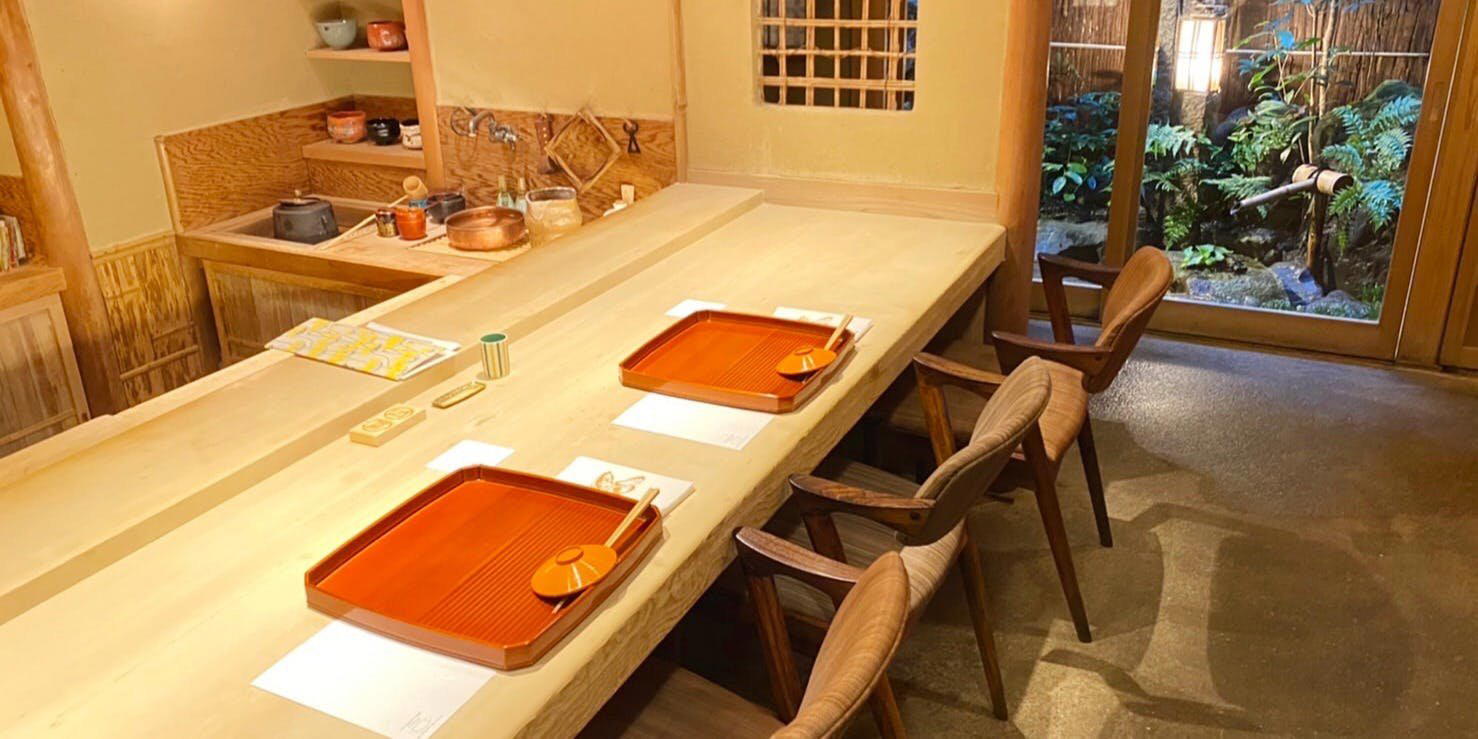

Bars in Kyoto
Browse all →


Hotels in Kyoto
Browse all →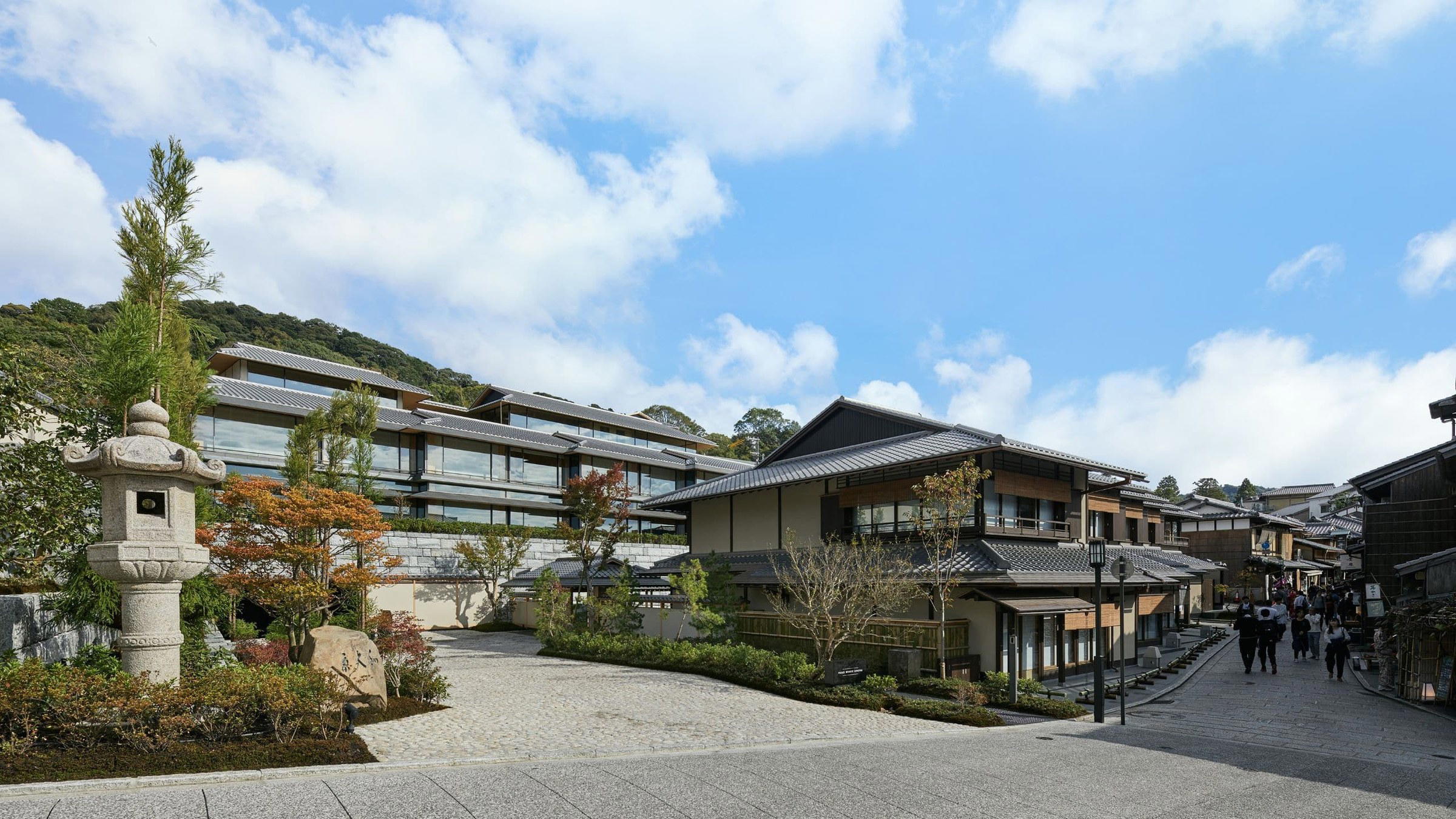

Wineries in Kyoto
Browse all →
At a Glance
- Elegant
- Sophisticated
- Intimate
- Whimsical
- Modern
- Date Night
- Special Occasion
- Celebration
- Group Dining
- Open Kitchen
- Private Dining
- Historic Building
- Chefs Counter
- Extensive Wine List
- Sommelier Led
- Sake Program
- Local Sourcing
Current opening hours
- Monday
- 6–11 PM
- Tuesday
- 6–11 PM
- Wednesday
- 6–11 PM
- Thursday
- 6–11 PM
- Friday
- 6–11 PM
- Saturday
- 6–11 PM
- Sunday
- 6–11 PM
Hours can change for holidays and private events. Last verified .
Serene and elegantly designed space housed in a traditional wooden house with understated cool aesthetic, blending rich history with modern zen design and retro touches; warm, rich scents and open kitchen create an inviting, lived-in atmosphere.