

1 Michelin Star · Tabelog 100 #27
Our verdict
A Michelin-starred Italian restaurant in Kyoto's Nakagyo Ward, Bini translates a rigorous Italian foundation through the agricultural character of the Ohara valley and the fermentation traditions that Kyoto's kitchen culture has refined over centuries. The result is a cuisine built on sourness, bitterness, and terroir specificity that sits apart from the city's kaiseki mainstream.

Pearl is the En Primeur Club membership app, where members save venues, book tables and use the concierge.
The menu
What to order
- Tagliolini with Crab
- Tagliolini with Truffles
Where Italian Discipline Meets Kyoto Fermentation
Nakagyo Ward occupies the geographic and cultural centre of Kyoto, and the restaurants that settle here tend to do so with intention. The neighbourhood sits between the grand temple corridors of the north and the dense merchant-town streets of Gion to the east, which means it draws a dining crowd that has already made choices about what kind of meal they are after. Bini, at Sanbongicho 445-1, operates inside that context with a format that reads, on the surface, as Italian and reveals itself, over the course of a meal, as something considerably more specific.
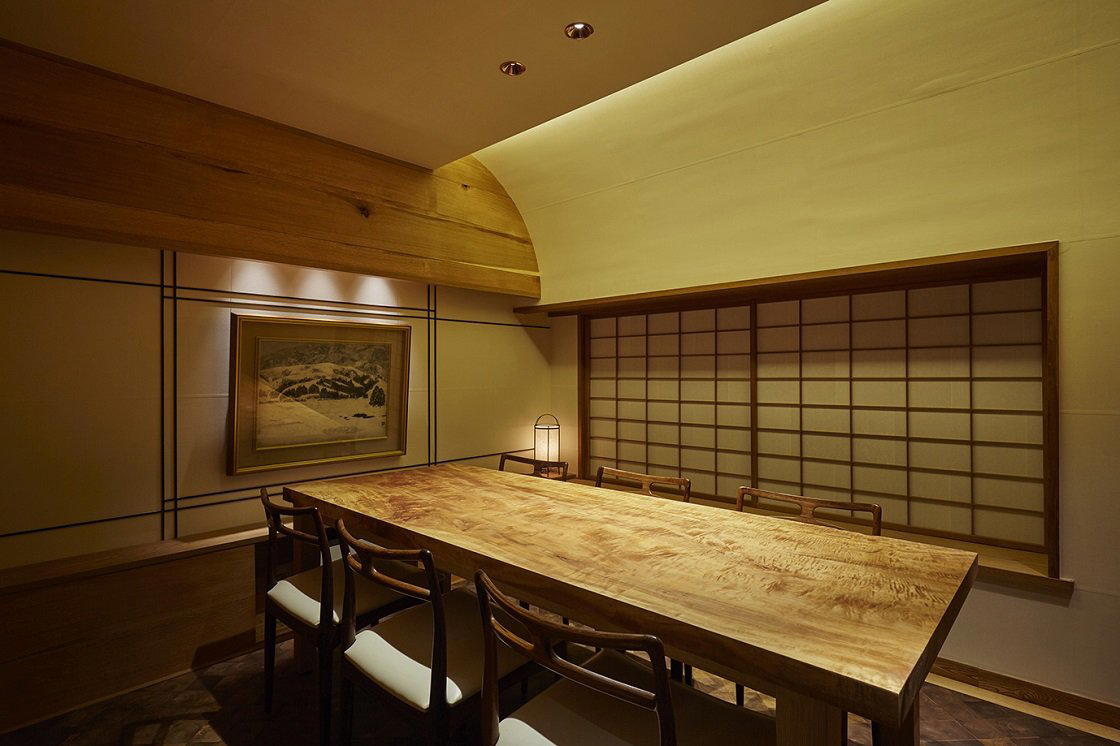
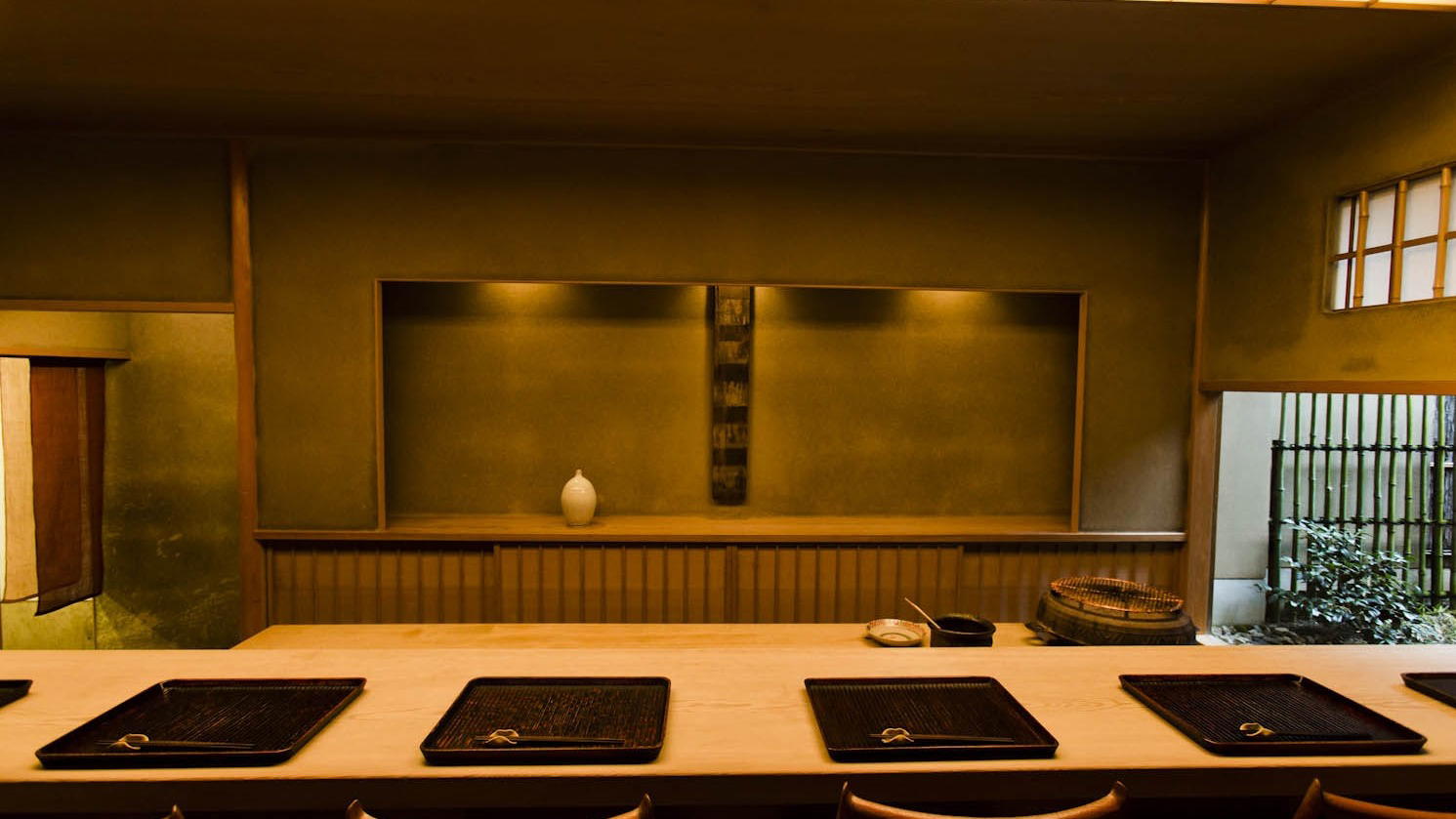
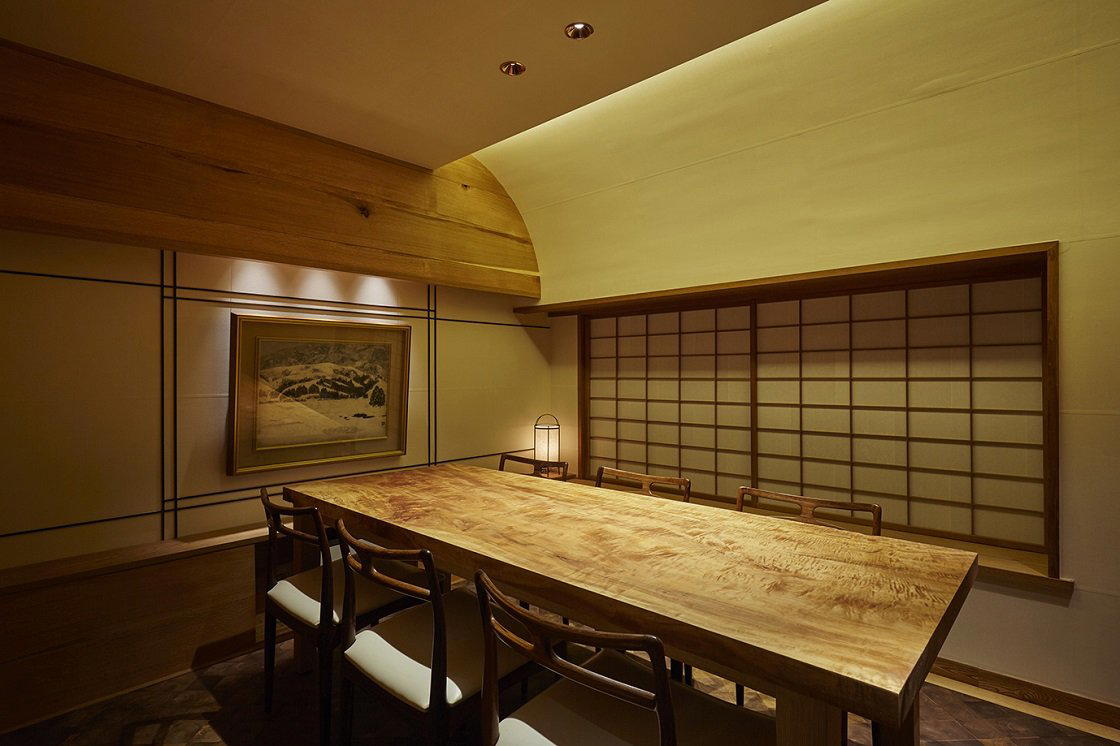
The space is modest in scale, a format common to serious single-chef operations in Kyoto, where restraint in the room tends to signal confidence in the plate. The physical environment does not compete for attention. What registers first is a particular stillness, the kind that comes when a dining room has been calibrated for focus rather than occasion. This is not a venue that signals its Michelin star through gilded surfaces or ceremony. It signals it through precision and silence.
The Fermentation Logic Behind the Menu
Italian cuisine built around fermented vegetables is not a contradiction in terms, but it does require a specific kind of culinary biography to make coherent. Across Japan, a handful of chefs trained in European kitchens have returned with techniques that they then subject to the ingredient logic of their home regions. The results divide roughly into two camps: those that layer Japan over Italy as aesthetic ornament, and those that fuse the two at a structural level, meaning that fermentation, acidity, and regional produce become the grammar of the cuisine rather than the garnish.
Bini belongs clearly to the second camp. The chef's training in Italy, followed by focused work on fermented cuisine in Switzerland, produced a technical framework oriented around sourness and bitterness as primary flavour registers, not correction tools. The encounter with Ohara's agricultural produce, the valley north of Kyoto known for its mountain vegetables and small-scale farming, gave that framework a specific terroir address. Ohara's produce carries a sharpness and mineral character that maps naturally onto fermentation work, and the menu at Bini is built around that correspondence.
cenci holds a Michelin star at the same price tier and has built its identity around a dialogue between Italian and Japanese culinary thinking. Vena, BOCCA del VINO, and DODICI each occupy different coordinates within Kyoto's Italian register, but Bini's specific emphasis on fermented vegetables and Ohara terroir places it at a point that none of them occupy in quite the same way. The name itself is a signal of lineage: named after the chef's Italian mentor, it marks the cuisine as the product of transmission rather than reinvention, a distinction that tends to matter in how a kitchen reasons about ingredients and technique.
Sensory Architecture: Acidity, Bitterness, and the Kyoto Register
The sensory identity of Bini's cooking is anchored in two flavour registers that both Italian and Japanese cuisine handle with sophistication but that are rarely foregrounded simultaneously in the same menu. Sourness, in Italian cooking, lives in vinegar reductions, preserved citrus, and cured ingredients. In Kyoto cuisine, it arrives through tsukemono, the city's fermented vegetable tradition, which spans everything from salt-pressed turnip to months-aged pickled greens. Bitterness follows a similar dual logic: the Italian kitchen deploys it through radicchio, certain cured meats, and bitter liqueurs used in cooking; the Kyoto tradition reads bitterness as a seasonal signal, particularly in spring mountain vegetables.
A kitchen that has absorbed both systems and then sourced from the Ohara valley has access to a palette that most Italian restaurants in Japan cannot assemble. The fermented vegetable element is not decorative. It operates as a structural layer of the cuisine, introducing lactic acidity and umami depth in ways that parallel how Italian cooking uses long-aged cheese or cured fat. The result, for a diner arriving with expectations shaped by either tradition alone, requires a small recalibration. The flavours are familiar in individual component form and novel in combination.
Italian Restaurants in Kyoto: A Specific Competitive Context
Kyoto is not the first city that comes to mind when mapping Japan's Italian dining scene. Tokyo hosts the highest concentration of starred Italian restaurants, and Osaka's HAJIME operates at a different register of French-inflected contemporary cuisine. But Kyoto's kaiseki infrastructure, with its centuries of discipline around seasonality, local sourcing, and fermentation, has produced a generation of chefs working in European traditions who draw on that infrastructure directly rather than treating it as background.
The starred Italian tier in Kyoto now includes several addresses operating at the ¥¥¥ price point with distinct culinary positions. Bini's 2024 Michelin one-star recognition places it inside that tier and signals a level of technical consistency and conceptual coherence that the guide's Japan inspectors weight heavily. For context on how Kyoto's broader restaurant scene is structured, the full Kyoto restaurants guide maps addresses across cuisine types and price tiers. Those interested in other Japan regions can consult Harutaka in Tokyo, akordu in Nara, Goh in Fukuoka, 1000 in Yokohama, or 6 in Okinawa for comparative reference across the country. For Italian cuisine operating at a starred level in other international cities, 8 1/2 Otto e Mezzo Bombana in Hong Kong and Frasca Food and Wine in Boulder offer useful comparison points on how Italian technique travels across cultural contexts.
Within Kyoto's kaiseki-dominant starred tier, the Italian addresses occupy a distinctive niche. Gion Sasaki at three Michelin stars and Ifuki at two define the upper end of the kaiseki hierarchy; TAKAYAMA brings a different Japanese register to the conversation. The Italian one-star group, of which Bini is a part, operates at a lower price point with a different sourcing logic but often with equivalent technical rigour applied to a different set of ingredients and traditions.
Planning a Visit
Bini sits in Nakagyo Ward at Sanbongicho 445-1, a central Kyoto address that is reachable on foot from the main subway lines. The ¥¥¥ price tier places it in the mid-upper bracket for Kyoto dining, below the ¥¥¥¥ kaiseki houses but above casual neighbourhood Italian. Booking in advance is advisable; at a Michelin-starred restaurant of this scale, tables do not accumulate availability. For broader planning across Kyoto, the full Kyoto hotels guide, bars guide, wineries guide, and experiences guide cover the full itinerary across the city.
Frequently asked questions
What awards or recognition does Bini have?
Bini has received recognition including: The chef experienced the profundity of local cooking in Italy and learned about fermented cuisine in Switzerland. In Kyoto, he happened upon the charm of Ohara’s agricultural produce. He then set about creating cuisine as only this terroir ….
What's the signature dish at Bini?
The menu at Bini is built around fermented vegetables sourced from Ohara, Kyoto's northern agricultural belt, expressed through an Italian culinary framework. Rather than a single showcase dish, the cooking is defined by an interlocking logic of acidity and bitterness across courses. Specific items rotate with produce availability, which is consistent with how Michelin-starred restaurants at this price tier in Kyoto typically operate.
What's the price range at Bini?
Pricing at Bini is listed as ¥¥¥.
Is Bini reservation-only?
Almost certainly yes. A Michelin-starred Italian restaurant in central Kyoto at the ¥¥¥ tier, with a culinary position this specific, does not run on walk-ins. Reservations are the standard operating model for comparable restaurants in Nakagyo Ward. Contact through the venue directly or via a concierge service is the practical route.
What's Bini best at?
The cooking at Bini occupies a precise intersection: Italian technique applied to fermented Kyoto produce, specifically the agricultural output of Ohara. That combination earned a Michelin star in 2024 and places Bini in a narrow category of restaurants in Japan where Italian cuisine is genuinely grounded in local terroir rather than imported wholesale. The sourness and bitterness of fermented vegetables are treated as primary flavour registers, not accents.
Cuisine Context
A quick peer list to put this venue’s basics in context.
| Venue | Cuisine | Price | Awards | Notes |
|---|---|---|---|---|
| BiniThis venue (the venue you are viewing) | Modern Italian | $200–300 | 1 Michelin Star · Tabelog 100 #27 | Not listed |
| Gion Sasaki | Modern Kaiseki | $300–500 | 3 Michelin Stars · La Liste Top Restaurants | Kaiseki, Japanese |
| cenci | Innovative Italian-Japanese Fusion | $100–150 | 1 Michelin Star · World's 50 Best #76 | Italian |
| Ifuki | Sumibi Kappo Kaiseki | $200–300 | 2 Michelin Stars · La Liste Top Restaurants | Kaiseki |
| Kyokaiseki Kichisen | Kyoto Kaiseki | $200–300 | 2 Michelin Stars · La Liste Top Restaurants | Japanese |
| Kyo Seika | Modern Chinese Fine Dining | $150–200 | 1 Michelin Star · Tabelog Bronze #216 | Chinese |
Recognition history
Dated appearances from independent guides and award organizations, with the underlying list record or original source where available.
Michelin 1 Star
Michelin
Tabelog 100 #27 · No. 27
Tabelog · Tabelog 100 - Italian - WEST - 2025
Full recognition history (3 entries)
Michelin 1 Star
Michelin
Continue exploring
More in Kyoto
Restaurants in Kyoto
All restaurants in Kyoto →
Bars in Kyoto
All bars in Kyoto →
Hotels in Kyoto
All hotels in Kyoto →

Wineries in Kyoto
Browse all →
Details
- Elegant
- Intimate
- Sophisticated
- Rustic
- Cozy
- Date Night
- Special Occasion
- Historic Building
- Extensive Wine List
- Sommelier Led
- Farm To Table
- Local Sourcing
- Tasting Menu
- Set Menu
- Wine
Elegant antique decor in a traditional farmhouse setting with refined personal service.