
Michelin Plate
Our verdict
At a counter kitchen inside a renovated machiya in Nakagyo-ku, ava brings Sicilian village cooking to Kyoto through olive oil, aged cheese, and pistachios arranged with contemporary discipline. The chef relocated from Tokyo, drawn by the ancient capital's atmosphere, and applies techniques refined in Sicily to produce a format that sits outside Kyoto's kaiseki mainstream. Bookings are recommended well in advance.

Pearl is the En Primeur Club membership app — saves, bookings, and concierge access live there. Same editors, same standards.
The menu
What to order
- Sicilian olive oil preparations
- Bronte pistachio dishes
- Aged cheese courses
- Preserved fish preparations
Where Sicilian Tradition Meets Kyoto's Machiya
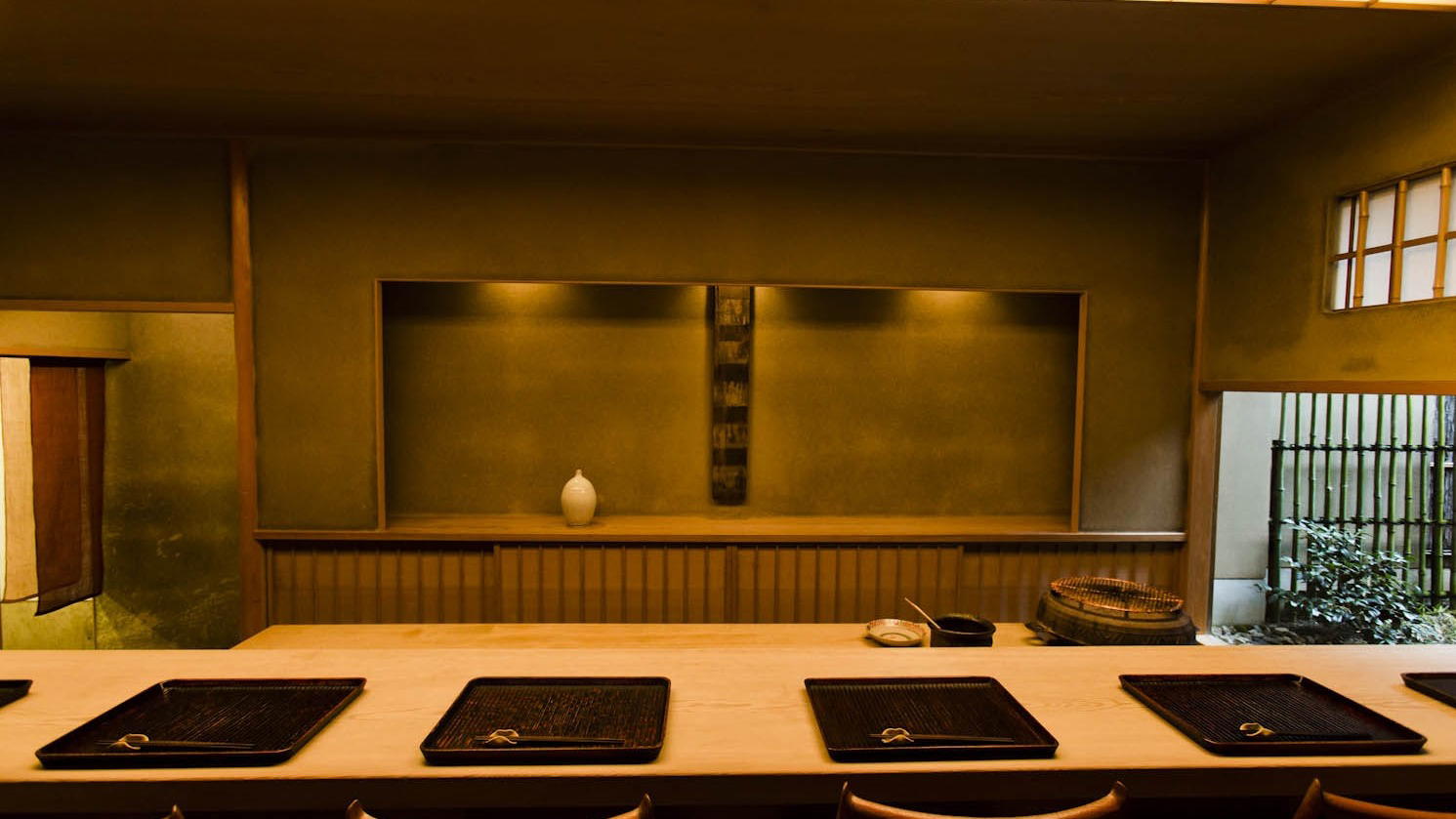
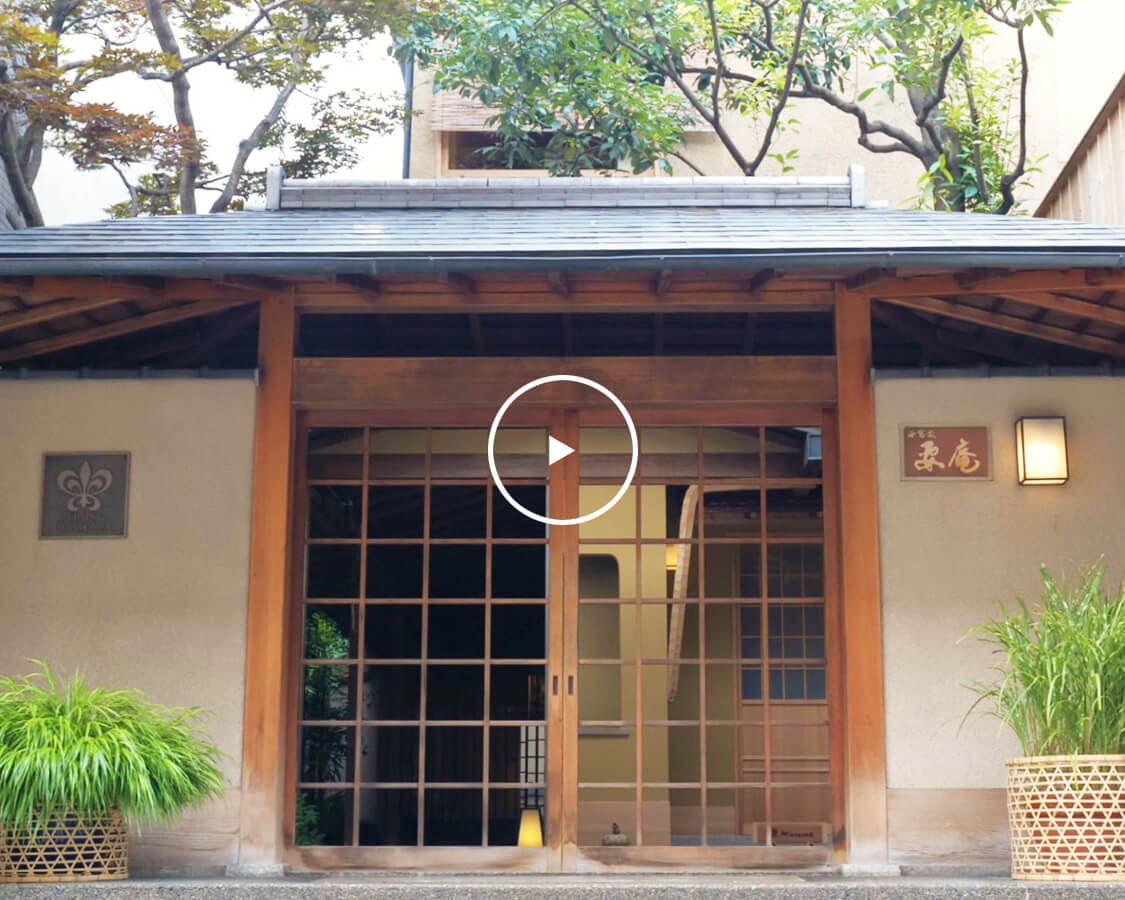
Nakagyo-ku holds some of Kyoto's most intact merchant architecture, streets where renovated machiya townhouses now shelter everything from sake bars to specialty coffee. The physical experience of approaching ava — a counter kitchen at 87 Kannoncho inside one such renovated merchant's house — follows a pattern familiar to anyone who has spent time in this district: a narrow facade, the suggestion of depth behind it, a deliberate transition from the street into something more considered. The interior fuses Japanese spatial logic with Western aesthetic references, which is fitting given what arrives at the counter.
Kyoto's dining identity is defined, in most international accounts, by kaiseki. The city's leading tables, Gion Sasaki, Hyotei, Kikunoi Honten, Mizai, and Isshisoden Nakamura, represent centuries of accumulated seasonal discipline, a cuisine built around restraint, local produce, and formal progression. What ava does is operate entirely outside that tradition, which in a city this particular about culinary continuity, is itself a deliberate position.
Sicilian Cooking as a Primary Language
Sicily occupies a specific place in the geography of Italian regional cooking. It is a cuisine shaped by centuries of Arab, Norman, and Greek influence, built around olive oil rather than butter, around pistachios from Bronte, around aged cheeses like pecorino and ricotta salata, around the bold, direct flavours of village tables rather than the refined restraint of northern Italian fine dining. It is a cuisine of sunlight and salt, of preserved fish and bitter citrus, of markets where the produce announces itself before you reach the stall.
The chef at ava trained in Sicily and carries those flavours as a primary culinary language. The kitchen arranges them with modern technique and contemporary presentation, which places ava in a category that has emerged across Japan over the past decade: European regional cooking, reproduced at a high level of fidelity and applied discipline, in a Japanese counter format. Comparable approaches appear elsewhere in the country, akordu in Nara pursues Basque cuisine through a similar lens of regional specificity, and HAJIME in Osaka draws on French culinary structure while operating with distinctly Japanese precision. The pattern is consistent: a Japanese chef, trained abroad in a specific regional tradition, returns and builds a counter around that single culinary perspective.
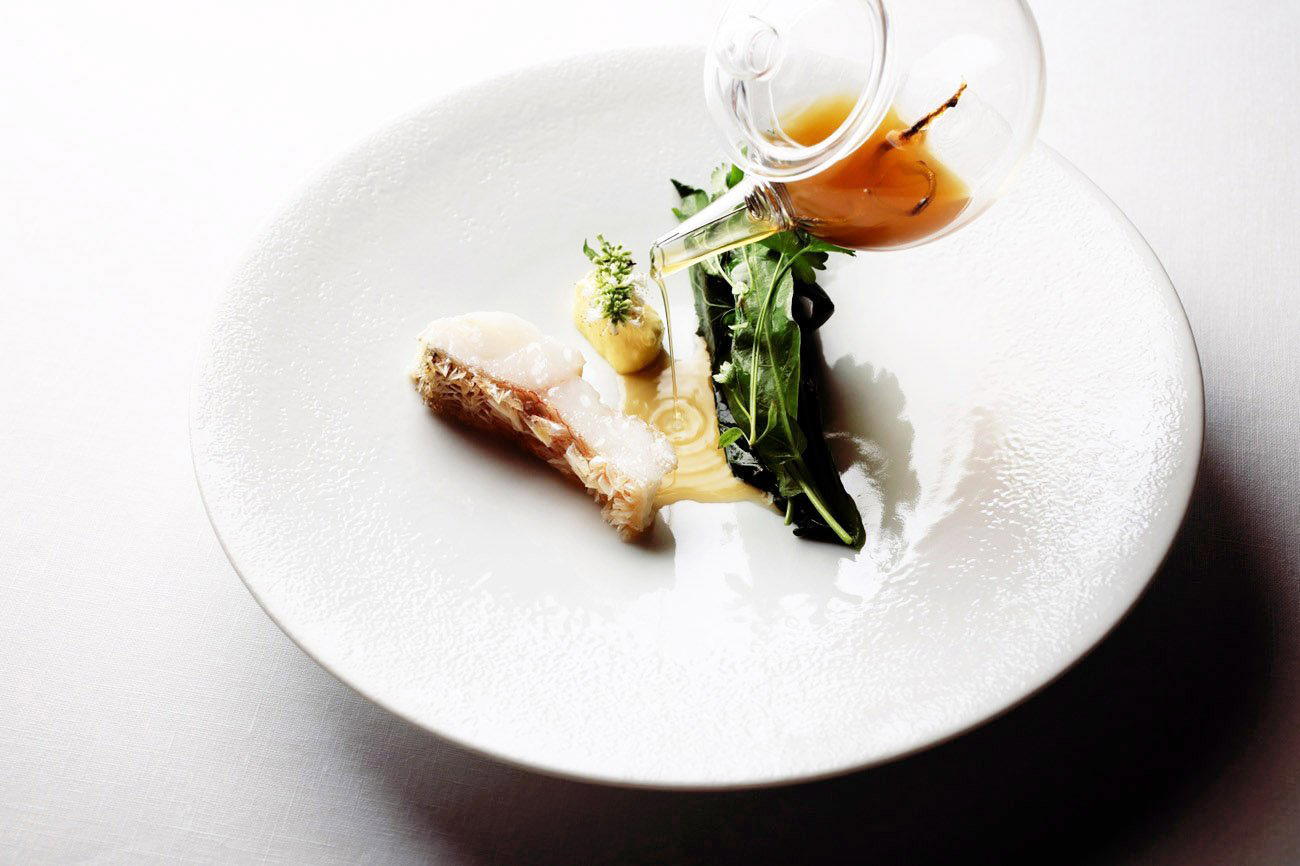
At ava, the ingredients do the explaining. Olive oil from Sicily signals where the fat logic of the kitchen sits. Pistachios carry the particular sweetness and savour of the Bronte plateau. Cheese anchors courses in ways that Japanese dairy tradition does not, introducing a different texture and salinity. These are not decorative references to a source region, they are structural elements of a cuisine reproduced with intention.
The Counter Format and What It Requires
The counter kitchen is now a dominant format in Japanese fine dining, from omakase sushi to kaiseki to the kind of French-influenced tasting menus found at Harutaka in Tokyo or Goh in Fukuoka. Its logic suits both chef and diner: small capacity, direct interaction, a sequence that the kitchen controls entirely. For European regional cooking, the counter format adds a layer of theatre that the cuisine does not always receive in its home context, dishes that might appear casually on a Palermo table become deliberate, sequenced, explained.
The renovation of the merchant's house into a counter space reflects a broader pattern in how Kyoto accommodates new dining concepts. The city has planning and cultural pressures that discourage wholesale architectural change, so the machiya renovation, preserving the structure while reconfiguring the interior, has become a practical and aesthetically coherent solution. The result at ava is a space where the building's Japanese bones read clearly against the Western cooking that takes place inside it. That tension is not incidental; it is part of what the dining experience communicates.
For those who have spent time at European-influenced counters in other Japanese cities, at Bleston Court Yukawatan in Nagano or giueme in Akita, the format at ava will feel familiar in its discipline. What distinguishes it is the specific regional source: not France, not Spain, not the broad category of Italian, but Sicily as a particular culinary territory with its own logic.
Kyoto as a Setting for This Kind of Cooking
The chef's move from Tokyo to Kyoto is worth reading as context rather than biography. Tokyo's restaurant density and competitive intensity make it a difficult city in which to establish a singular identity around a niche European regional cuisine. Kyoto's dining culture is more legible in its hierarchy, kaiseki at the leading, with a smaller set of non-Japanese restaurants operating in a distinct register, which may make the positioning of a Sicilian counter kitchen cleaner. The ancient capital's atmosphere, which the chef has cited as a draw, also carries commercial weight: international visitors to Kyoto often arrive with time and intention to spend, and the city's concentration of culturally engaged travellers creates an audience for this kind of considered, specific cooking.
The comparison is not to kaiseki houses but to a small set of European-cuisine specialists in Japanese cities. In that peer group, Kyoto has fewer entries than Tokyo or Osaka, which gives ava room to operate without direct competition from a dense local field. For context on how this sits within the broader dining options available across the country, restaurants like Emeril's in New Orleans and Le Bernardin in New York City show how strongly a chef's regional focus can anchor a restaurant's identity across decades, ava operates on a smaller scale but with the same principle of culinary specificity as competitive strategy.
Planning Your Visit
Ava is at 87 Kannoncho, Nakagyo-ku, Kyoto, a central district that sits between Gion and the Nishiki Market area, accessible from most of the city's major transport connections. Given the counter format and small capacity, reservations are essential and should be made as far in advance as possible; counter kitchens at this level of specificity in Kyoto typically fill weeks out. No pricing information is publicly available in EP Club's data at this time, so prospective diners should confirm current menu costs directly. For a broader orientation to where ava sits within Kyoto's dining options, see our full Kyoto restaurants guide, and for accommodation and ancillary planning, our full Kyoto hotels guide, bars guide, wineries guide, and experiences guide cover the city in full.
Frequently asked questions
Is ava okay with children?
The counter kitchen format at 87 Kannoncho runs as a sequence-driven experience with direct engagement between diners and the kitchen. That format asks for sustained attention and minimal disruption, which makes it better suited to adults and older teenagers than to young children.
How would you describe the vibe at ava?
Few seats, close proximity to the kitchen, and a pace set entirely by the chef — the atmosphere is focused rather than social. The setting is a renovated Nakagyo-ku machiya that layers Japanese architectural detail against a Sicilian culinary sensibility, so the mood is calm and considered, not celebratory.
Does ava have a Michelin star or similar recognition?
ava has received recognition including: Lured by the atmosphere of the ancient capital, the chef moved here from Tokyo. At his counter kitchen, in a renovated merchant’s house that blends Japanese and Western aesthetics, the chef wields skills he honed at restaurants in Sicily. C….
What's the signature dish at ava?
EP Club does not publish specific dish descriptions for ava without verified sourcing. What the record does confirm is that olive oil, cheese, and pistachios are central ingredients — the building blocks of Sicilian village cooking arranged in a modern counter-kitchen format in Kyoto.
Pricing, Compared
Comparable venues nearby, for context on price, style, and recognition.
| Venue | Cuisine | Price | Awards | Notes |
|---|---|---|---|---|
| avaThis venue — the venue you are viewing | Sicilian Village Cooking | $200–300 | Michelin Plate | Not listed |
| Germoglio | Piedmontese Italian with Kyoto Seasonality | $150–200 | 1 Michelin Star | Shimogyō, Piedmontese Italian with Kyoto Seasonality |
| Etto | Italian-Japanese Fusion | $100–150 | Michelin Plate | Kamigyō, Italian-Japanese Fusion |
| Matakichi | Refined Kyoto Omakase & Kaiseki | $100–150 | Michelin Plate | Higashiyama, Refined Kyoto Omakase & Kaiseki |
| ジェルモーリオ | Piedmontese Italian with Kyoto Seasonality | $150–200 | 1 Michelin Star | Shichijo, Authentic Italian Fine Dining |
| Kawaguchi | Exclusive Kaiseki | $300–500 | Tabelog Silver #52 | Higashiyama, Exclusive Kaiseki |
Recognition history
Dated appearances from independent guides and award organizations, with the underlying list record or original source where available.
Michelin Plate
Michelin

Continue exploring
More in Kyoto
Restaurants in Kyoto
All restaurants in Kyoto →
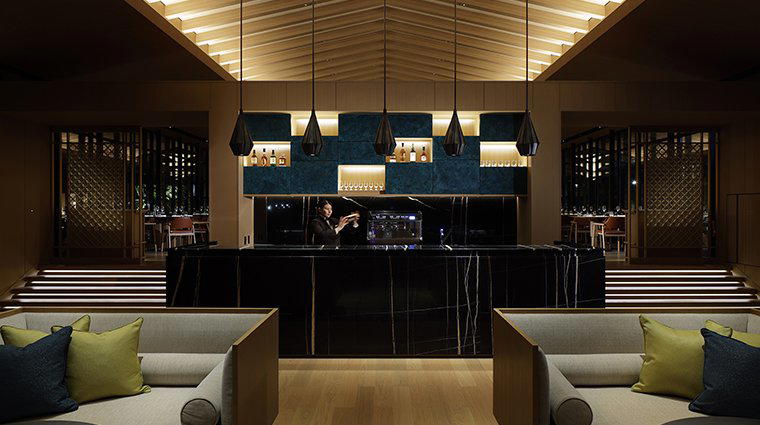
Bars in Kyoto
All bars in Kyoto →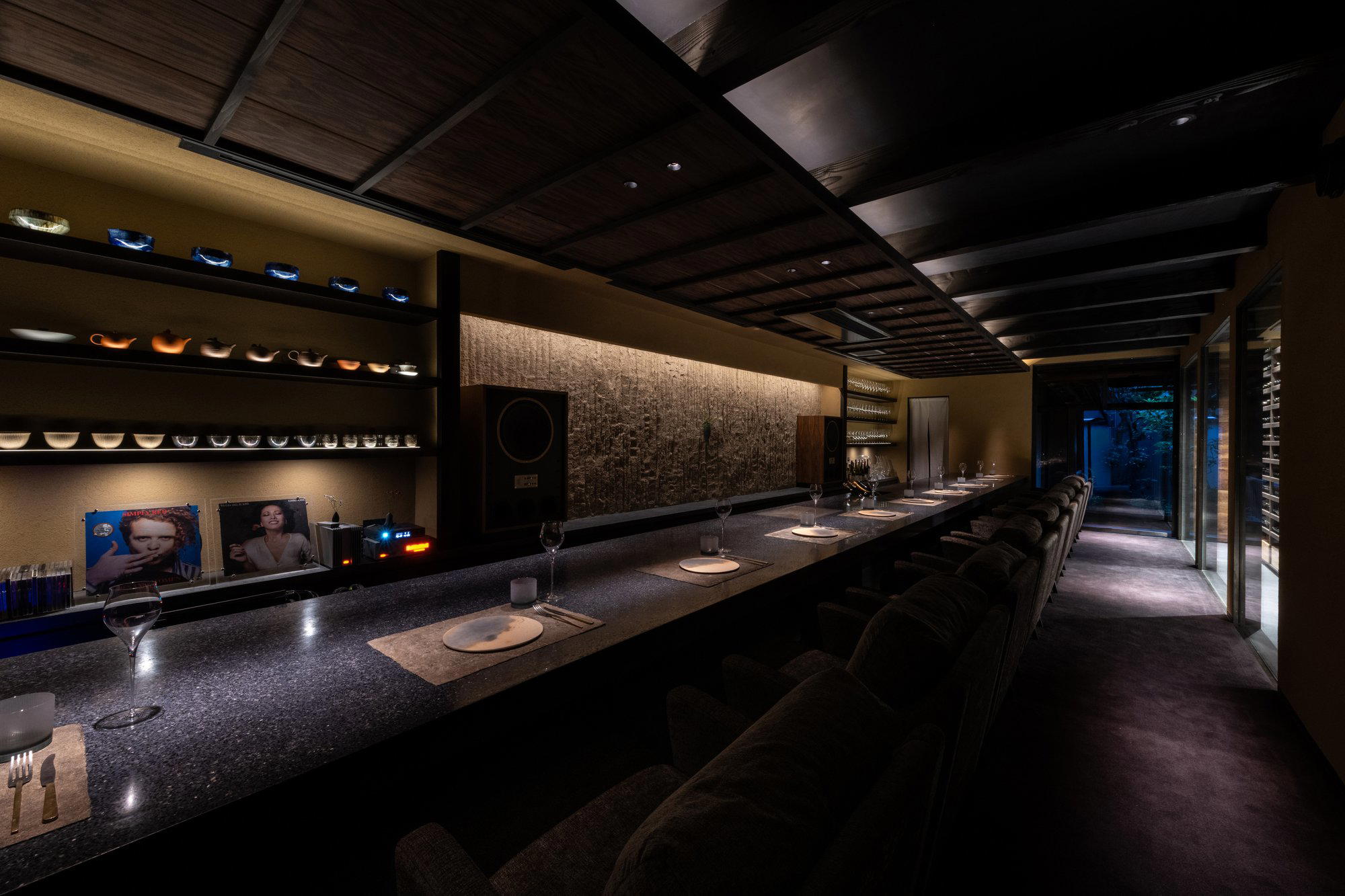
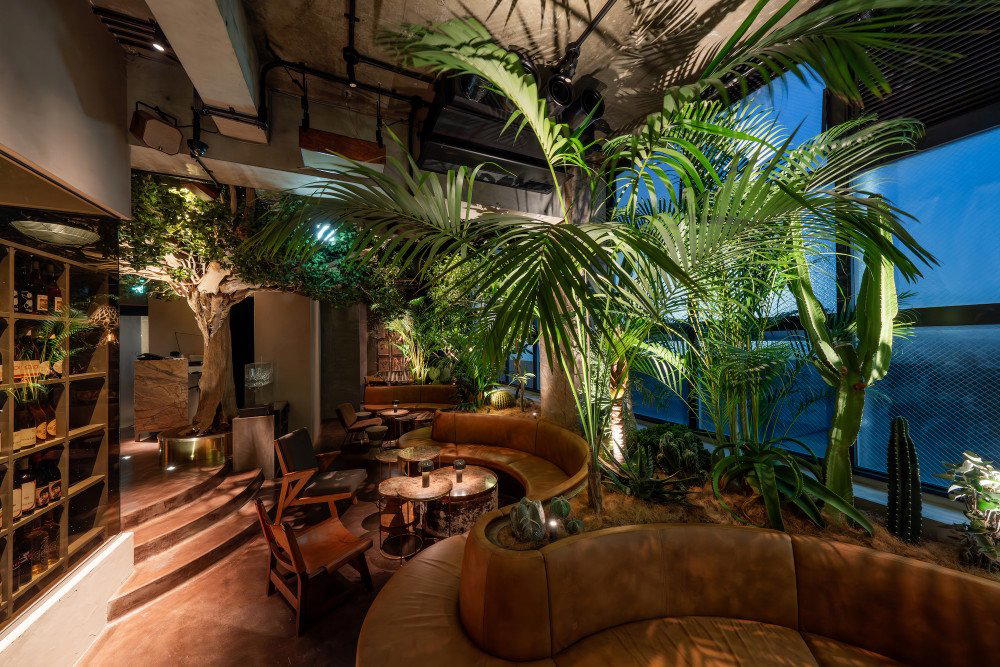
Hotels in Kyoto
All hotels in Kyoto →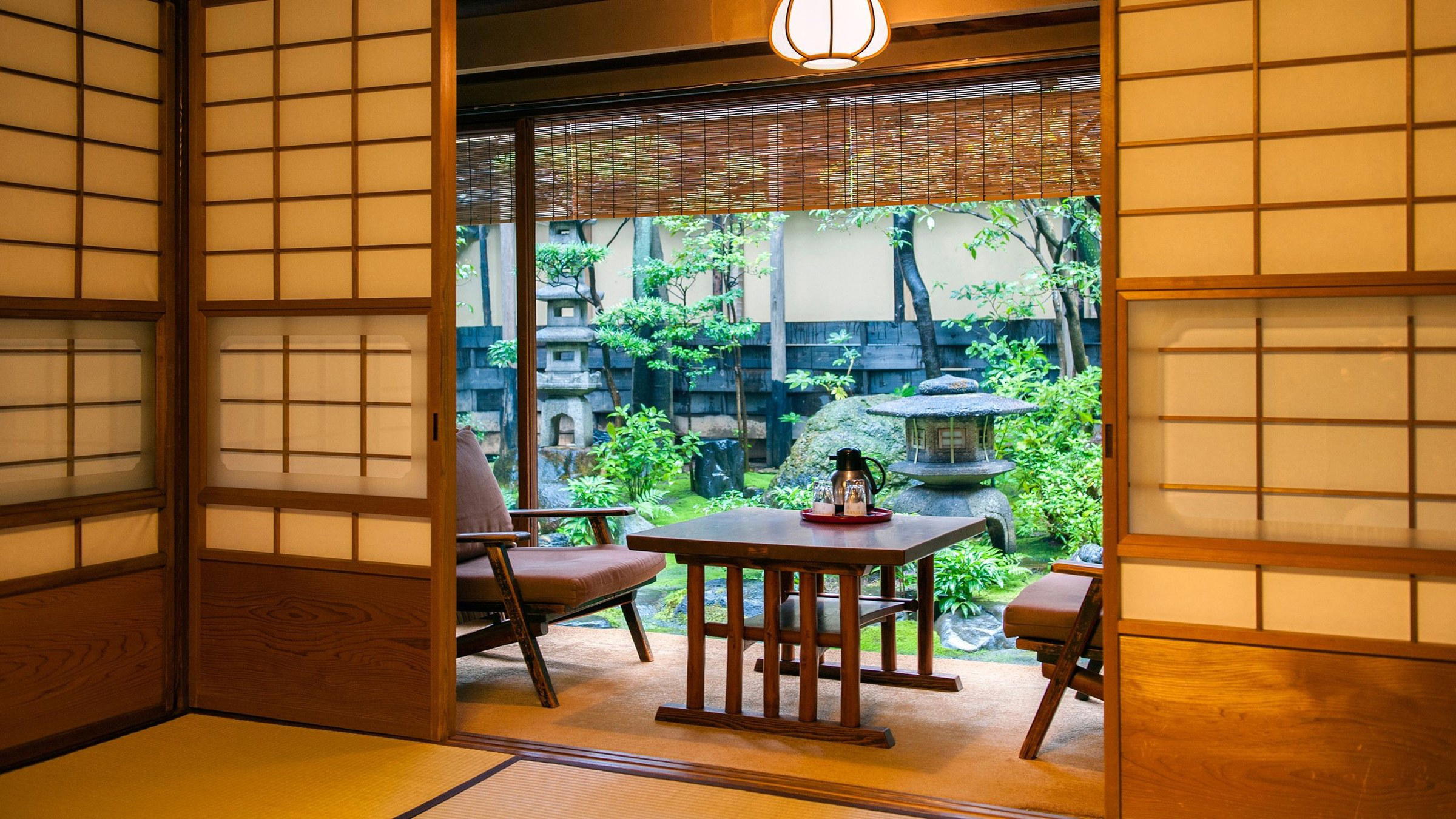
Wineries in Kyoto
Browse all →
Details
- Intimate
- Elegant
- Modern
- Sophisticated
- Date Night
- Special Occasion
- Solo
- Chefs Counter
- Open Kitchen
- Historic Building
- Design Destination
- Sake Program
- Local Sourcing
- Counter Dining
- Tasting Menu
Current opening hours
- Monday
- 6–11 PM
- Tuesday
- 6–11 PM
- Wednesday
- 6–11 PM
- Thursday
- 6–11 PM
- Friday
- 6–11 PM
- Saturday
- 6–11 PM
- Sunday
- 6–11 PM
Hours can change for holidays and private events. Last verified .
Minimalist counter setting within a traditional Japanese townhouse interior that fuses Japanese spatial logic with Western aesthetic references, creating an intimate and considered dining environment.