
In Nakagyo Ward, Sokkon Fujimoto operates within a Zen-inflected framework rarely articulated so precisely in Kyoto dining. The kitchen draws on the classical shin-gyo-so principle, balancing orthodox technique with deliberate creative latitude. Carrying a Michelin Plate in both 2024 and 2025, it sits in the city's broader tradition of detail-obsessed Japanese dining at the ¥¥¥¥ tier.
Pearl is the En Primeur Club membership app — saves, bookings, and concierge access live there. Same editors, same standards.
- Address
- 580-1 Matsumotocho, Nakagyo Ward, Kyoto, 604-0982, Japan
- Phone
- +81 75-708-2851
- Website
- r.gnavi.co.jp
- Directions
- Get directions
 Saves & bookings on Pearl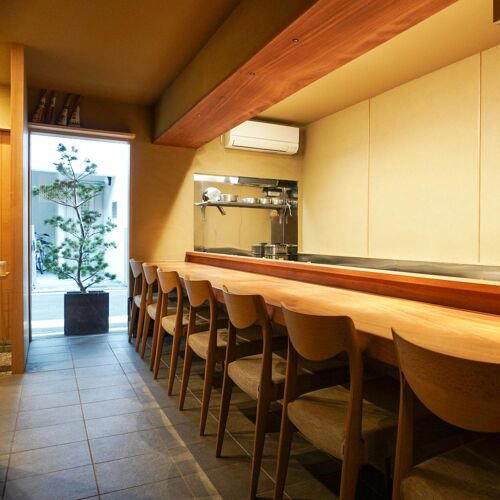
Presence Before the First Course
Sokkon Fujimoto is a Kyoto restaurant in Nakagyo Ward serving Traditional Seasonal Kaiseki at the ¥¥¥¥ price tier. In this neighbourhood, where temple walls give way to early-twentieth-century machiya and quieter residential lanes, the mood shifts. A restaurant that grounds itself in Zen principles fits this setting without affectation. At Sokkon Fujimoto, the name itself signals the governing philosophy: sokkon, the Zen practice of savouring the present moment and clearing the mind of extraneous thought. That intention shapes everything from the room arrangement to the tempo of service before a single plate arrives.
The Kansai Tradition Behind the Approach
To understand what Sokkon Fujimoto represents, it helps to understand the broader Kansai framework in which it operates. Kyoto cuisine, kyo-ryori, developed over centuries under the influence of Buddhist temple cooking, imperial court aesthetics, and the tea ceremony. The result is a tradition that prizes visual restraint, seasonal precision, and a kind of understated rigour that differs markedly from Tokyo's tendency toward technical showmanship and high-voltage presentation. Kanto-style kaiseki, as it has evolved in elite Tokyo dining rooms such as those seen at Harutaka in Tokyo, can lean into the theatrics of individual courses as discrete performances. Kansai kaiseki, by contrast, tends to treat the meal as a single sustained mood, where each element supports rather than competes with the others.
The restaurant belongs squarely in that Kansai lineage. The kitchen's reported engagement with tea ceremony, flower arrangement, and calligraphy is not decorative background detail. These practices feed directly into a Kyoto aesthetic tradition where the arrangement of food and the configuration of a room are understood as continuous disciplines. Comparable Kyoto houses such as Isshisoden Nakamura and Kikunoi Roan hold their places in this tradition through similar commitments to craft across every visible surface of the experience.
Shin-Gyo-So: A Framework Worth Understanding
The principle the kitchen operates under, shin-gyo-so, originates in calligraphy: shin denotes the formal and orthodox script, so the loosest and most expressive, and gyo the semi-cursive register between them. In culinary application, this framework allows a kitchen to move fluidly between rigorous classical technique and more intuitive creative expression, using established form as the constraint that gives freedom its meaning. It is an unusually articulate conceptual scaffold for a restaurant to operate under, and it places the restaurant in a different intellectual register from restaurants that frame creativity simply as innovation for its own sake.
This kind of philosophical grounding is not uncommon in Kyoto's most serious dining rooms. What matters is whether it produces discernible results in the food and the room. Across the broader ¥¥¥¥ tier in Kyoto, where peer venues like Gion Matayoshi, Kodaiji Jugyuan, and Kenninji Gion Maruyama each hold distinct positions, the differentiating factor is rarely ingredient quality or technical competence alone. It is the coherence of a vision sustained across every detail. The restaurant's stated attention to cuisine, room arrangement, and service as a unified whole is a direct expression of that competitive logic.
Regional Positioning: Kyoto Against the Field
Michelin Plate recognition in 2024 and 2025 places the restaurant in Kyoto's competitive dining field. In a city where Michelin-recognized Japanese restaurants are concentrated with a density few other cities outside Tokyo match, a Plate designation means something different than it would in a smaller food city. The competition is stiffer, and the floor of acceptable quality is higher. The same ¥¥¥¥ price tier appears across the Kyoto field at venues like Ifuki and Gion Sasaki, both of which carry star recognition. The restaurant operates in that same price bracket, positioning itself on craft and philosophy rather than award tier alone.
Across the wider Kansai region, this kind of positioning has parallels. HAJIME in Osaka and akordu in Nara each sit in different culinary traditions but share the regional characteristic of grounding ambition in a clearly articulated philosophy rather than in spectacle. The contrast with restaurants like Goh in Fukuoka or 1000 in Yokohama underlines how distinct Kansai dining culture remains even within Japan's premium tier.
What the Room Communicates
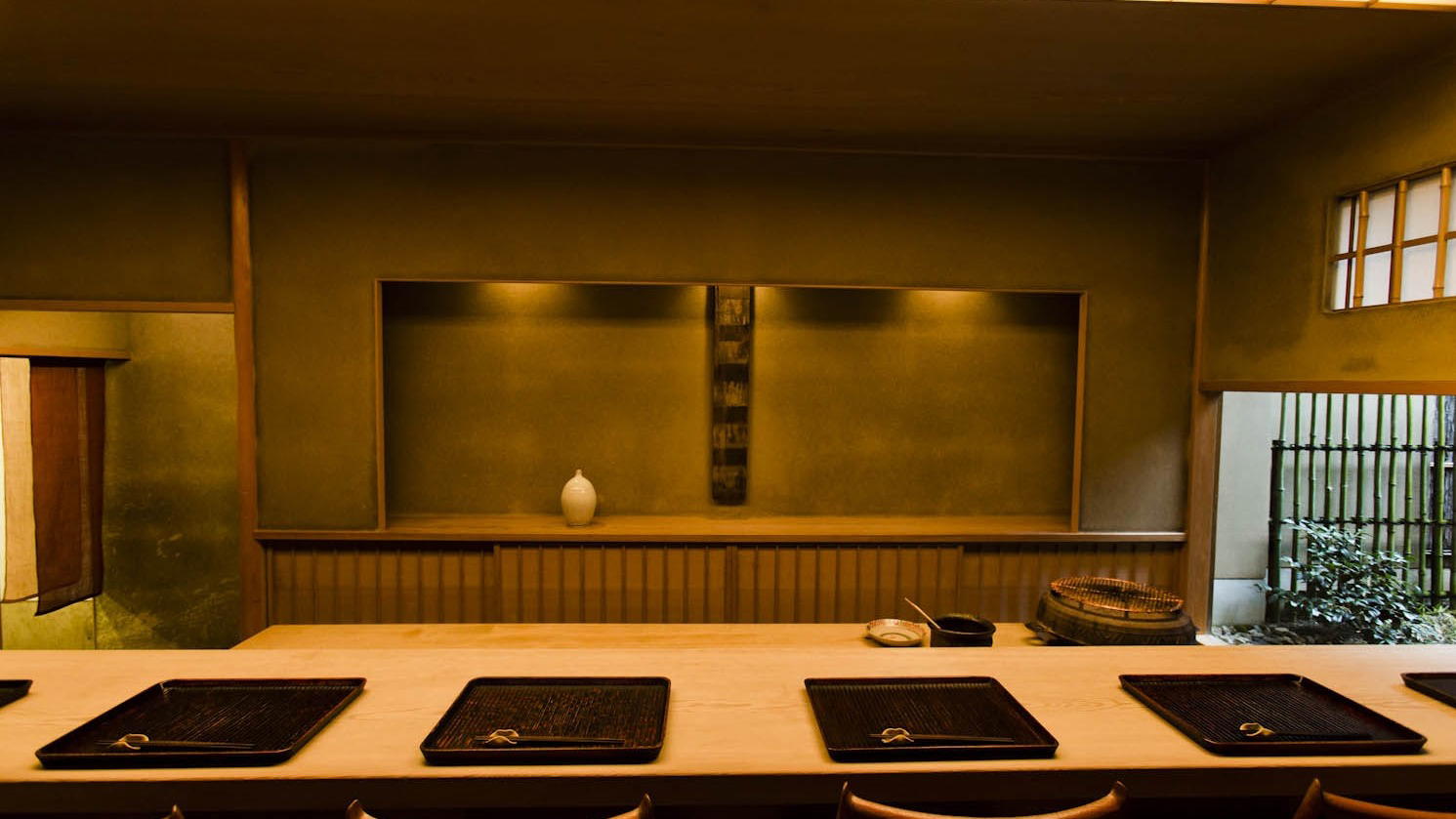
Kyoto's serious Japanese restaurants at this price point are not, as a rule, casual in their spatial language. The ¥¥¥¥ designation signals a committed dining event, and the room at the restaurant reflects that expectation. The reported attention to room arrangements as a discrete element of the experience sits within a long Kyoto tradition where the tokonoma alcove, the flower arrangement, and the choice of ceramic all function as commentary on the season and the meal's internal logic. Diners familiar with similar registers at Myojaku in Tokyo or Azabu Kadowaki will recognise the mode, though the Kyoto expression tends toward greater stillness and less overt drama.
At the ¥¥¥¥ tier, a narrow, strongly positive review sample is more reliable as a signal than a large, diffuse one.
Planning Your Visit
Location: 580-1 Matsumotocho, Nakagyo Ward, Kyoto, 604-0982, Japan. Price tier: ¥¥¥¥. Reservations: essential. Dress: smart casual.
Accolades, Compared
Comparable venues nearby, for context on price, style, and recognition.
| Venue | Cuisine | Price | Awards | Notes |
|---|---|---|---|---|
| Sokkon FujimotoThis venue — the venue you are viewing | Traditional Seasonal Kaiseki | $$$$ | Michelin Plate | Not listed |
| Masumasu Masuda | Tochigi-Kyoto Kaiseki | $$$$ | Michelin Plate | Kamigyō |
| Wakasugi | Traditional Japanese Kaiseki & Omakase | $$$$ | Michelin Plate | Kita |
| Noguchi | Modern Kaiseki Counter Dining | $$$$ | Not listed | Kamigyō |
| Tokuo | Michelin 3-Star Traditional Japanese Kaiseki | $$$$ | Michelin Plate | Nakagyō |
| Takezaki | Traditional Kappo Kaiseki | $$$$ | Michelin Plate | Nakagyō |
Recognition history
Dated appearances from independent guides and award organizations, with the underlying list record or original source where available.
Michelin 1 Star
Michelin
Michelin Plate
Michelin
Michelin Plate
Michelin
Continue exploring
More in Kyoto
Restaurants in Kyoto
Browse all →
Bars in Kyoto
Browse all →
Hotels in Kyoto
Browse all →
Wineries in Kyoto
Browse all →
At a Glance
- Elegant
- Intimate
- Sophisticated
- Quiet
- Special Occasion
- Date Night
- Chefs Counter
- Sake Program
Current opening hours
- Monday
- 12–3 PM, 6–9 PM
- Tuesday
- 12–3 PM, 6–9 PM
- Wednesday
- Closed
- Thursday
- 12–3 PM, 6–9 PM
- Friday
- 12–3 PM, 6–9 PM
- Saturday
- 12–3 PM, 6–9 PM
- Sunday
- 12–3 PM, 6–9 PM
Hours can change for holidays and private events. Last verified .
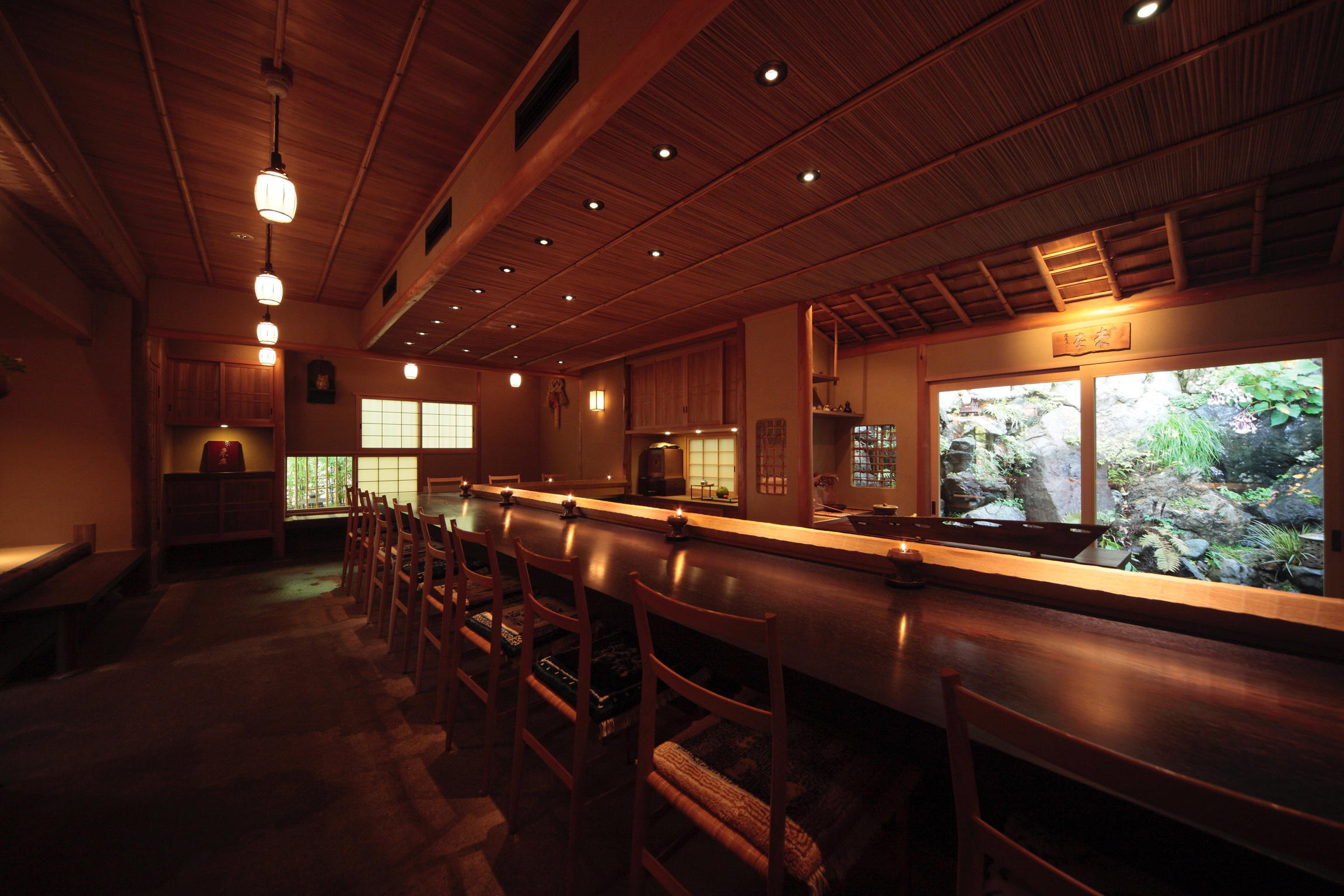
Serene tea room-like atmosphere with tatami-matted counter seats, subtle woods, gentle lighting, tasteful decorations, and seasonal floral elements.