
Michelin Bib Gourmand
Our verdict
A Michelin Bib Gourmand-recognised Italian address in Kyoto's Shimogyo Ward, BOCCA del VINO brings southern Italian cooking to a city dominated by kaiseki and precision-driven tasting menus. The kitchen leans on tomatoes, olive oil, and seafood-forward appetisers, with pasta and meat-based mains that reference everyday Italian eating rather than fine-dining ceremony. At the ¥¥ price point, it occupies a distinct position in Kyoto's small but active Italian scene.

Pearl is the En Primeur Club membership app, where members save venues, book tables and use the concierge.
The menu
What to order
- Maritozzo donuts
- Linguine
- Assaggini
Southern Italy in a City Built on Restraint
Kyoto's dining identity is shaped by kaiseki: seasonal, spare, technique-led cooking where the cook's ego recedes behind the ingredient. That tradition sits at the expensive end of the market, with multi-star kaiseki rooms such as Gion Sasaki operating at ¥¥¥¥ and Ifuki commanding the same tier for its two-Michelin-star format. Against that backdrop, the city's Italian restaurants occupy a niche that is smaller and structurally different. They are not chasing the kaiseki audience directly. They are serving a different occasion: something louder, warmer, and less ceremonial. BOCCA del VINO, on a back street in Shimogyo Ward, sits squarely in that category, and its 2025 Michelin Bib Gourmand recognition confirms it as the reference point for affordable, quality-driven Italian in the city.
The name translates as "mouth of wine," and the reference is intentional. The cooking here draws on the chef's time in southern Italy, where wine arrived in jugs rather than by the bottle and dinner was an unrehearsed daily act rather than a curated sequence. That sensibility sets the tone for the room and the plate. This is not Italian cuisine filtered through Japanese precision. It is Italian cuisine remembered with affection and reproduced with direct technique: tomatoes used heavily, olive oil applied generously, seafood in the starters, meat and poultry in the mains, pasta sauced with oil, ragu, or tomato depending on the shape. The simplicity is the point, and the Bib Gourmand, which Michelin awards to restaurants delivering notable value rather than ambition, validates that posture.
The Room and the Approach
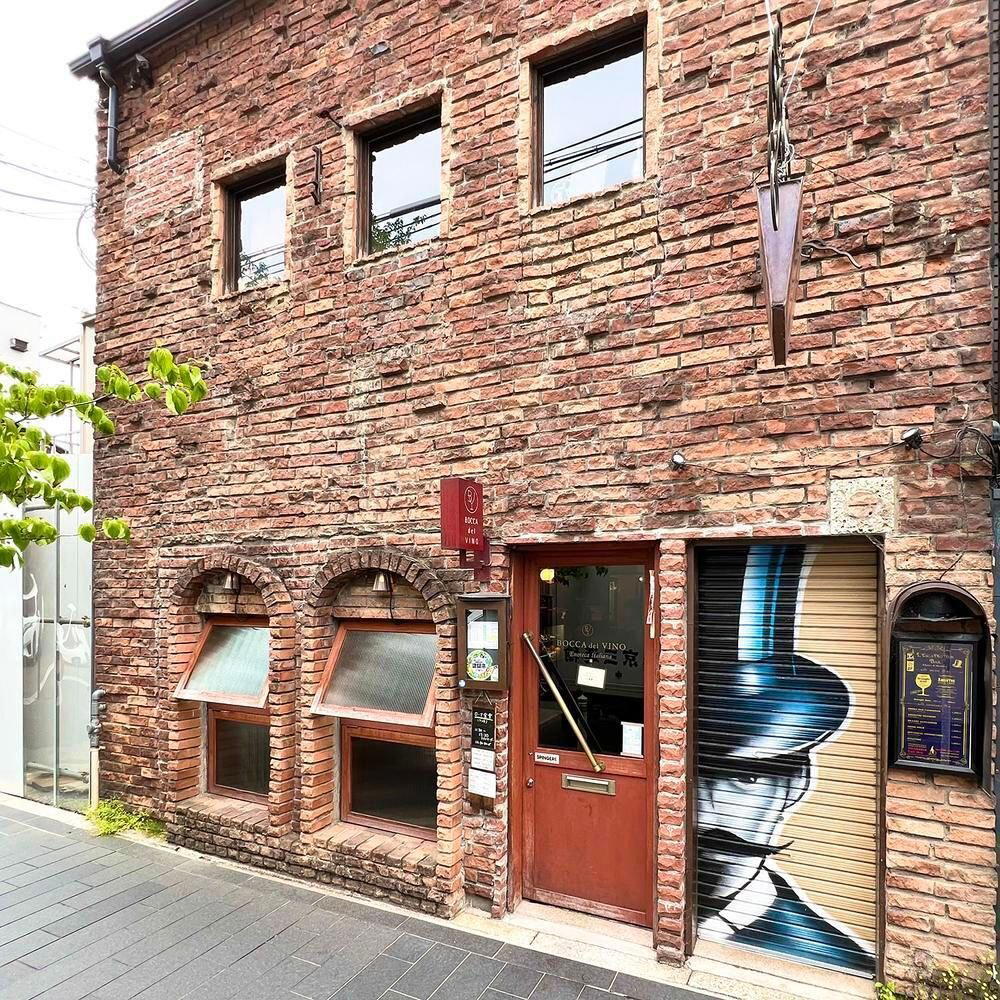
The address in Shimogyo Ward places BOCCA del VINO away from the high-traffic tourist corridors of Gion and the luxury hotel cluster further north. Shimogyo is a working ward, domestic in character, and the physical context reinforces what the menu communicates: this is neighbourhood dining, not destination dining in the formal sense. The entrance is on the ground floor of a brick building at 138-9 Saitocho, and the format is consistent with small Italian trattorias throughout southern Europe: compact, unpretentious, and oriented around the table rather than the room's appearance.
Front-of-house dynamic at a restaurant of this type matters more than the room's aesthetics. In casual Italian formats, the relationship between service and kitchen determines whether the experience feels like hospitality or mere transaction. At the ¥¥ price point, you are not paying for elaborate wine programming or timed-sequence service. The team's job is simpler and in some ways harder: make the room feel like a place you want to stay, without the scaffolding of luxury. Bib Gourmand status suggests this has been achieved consistently enough to register with Michelin inspectors, who visit repeatedly and unannounced before making that call.
Where It Sits in Kyoto's Italian Scene
Kyoto has a small cluster of Italian restaurants worth tracking. At the tier above BOCCA del VINO, cenci holds a Michelin star with a more formal tasting menu format, and DODICI and Vena represent other points on the Italian spectrum in the city. Bini rounds out the group. What separates BOCCA del VINO from most of these is the price tier and the style. At ¥¥, it is accessible for repeat visits in a way that a starred tasting menu is not. The southern Italian register, specifically the emphasis on tomatoes, seafood, and olive oil rather than butter-rich northern preparations or Japanese-Italian fusion grammar, also gives it a distinct position. For comparison, cenci operates at ¥¥¥ and pursues a more composed, chef-driven format. The two restaurants are doing different things for different occasions.
Across Japan, the broader conversation about Italian cooking in Japanese cities is interesting. HAJIME in Osaka and akordu in Nara each represent European cooking filtered through Japanese craft at the high end, while restaurants like BOCCA del VINO operate closer to the trattoria model. Outside Japan, the comparison point might be Frasca Food and Wine in Boulder or 8 1/2 Otto e Mezzo Bombana in Hong Kong, both of which show the range Italian cooking can occupy when transplanted outside Italy itself. BOCCA del VINO occupies the unpretentious end of that range, intentionally.
What the Kitchen Prioritises
Southern Italian cooking is built around a short list of foundational ingredients: San Marzano-style tomatoes, good olive oil, dried pasta, fresh seafood from the coast, and slow-cooked meat. The chef's background in the south of Italy, rather than the more technically formal kitchens of the north, means the cooking at BOCCA del VINO skews toward comfort and recognisability rather than innovation. Seafood appears in the appetiser section, reflecting both southern Italian coastal habit and the strong seafood culture of Japanese ingredient supply. Meat and poultry anchor the mains. Pasta arrives dressed simply. The logic is consistent throughout and the Bib Gourmand confirms the execution holds at a price point where the margin for error is narrower than in higher-ticket formats.
For readers planning a wider Kyoto dining itinerary, TAKAYAMA represents another dimension of what the city's restaurant scene offers at a different price tier and culinary register. The full range of options is covered in our full Kyoto restaurants guide.
Planning Your Visit
BOCCA del VINO is located in Shimogyo Ward at 138-9 Saitocho, on the ground floor of a brick building. The ¥¥ price point makes it accessible for most dining budgets, and the Bib Gourmand recognition from Michelin's 2025 guide means demand has been consistent enough to warrant advance planning, particularly at weekends. For wider Kyoto planning, our full Kyoto hotels guide, bars guide, and experiences guide cover the city across categories. Those travelling elsewhere in Japan might cross-reference Harutaka in Tokyo, Goh in Fukuoka, 1000 in Yokohama, or 6 in Okinawa for points of reference across the country's dining range.
Frequently asked questions
What's the vibe at BOCCA del VINO?
Casual and unhurried. The room sits on the ground floor of a brick building in Shimogyo Ward, away from Kyoto's tourist-heavy corridors, which gives it a neighbourhood feel rather than a destination-restaurant atmosphere. The ¥¥ price point and Bib Gourmand recognition from Michelin in 2025 confirm it punches for value over formality.
Where is BOCCA del VINO in Kyoto?
BOCCA del VINO is located at Japan, 〒600-8012 Kyoto, Shimogyo Ward, 斎藤町138-9 レンガ 1F, Kyoto.
Is BOCCA del VINO award-winning?
BOCCA del VINO has received recognition including: The quirky name, ‘mouth of wine’, reflects the chef’s fond memories of Italy, where jugs of wine graced every dinner table. The chef studied in the southern Italy, so recipes are simple, prepared with lashings of tomatoes and olive oil. Sea….
What do people recommend at BOCCA del VINO?
The kitchen's focus is southern Italian in the most literal sense: seafood in the starters, pasta dressed with tomatoes, olive oil, or ragu, and meat and poultry carrying the main courses. The chef trained in southern Italy, so the cooking is ingredient-led rather than technique-driven. Michelin's Bib Gourmand award backs the consistency of that approach.
| Venue | Cuisine | Price | Awards | Notes |
|---|---|---|---|---|
| BOCCA del VINOThis venue (the venue you are viewing) | Southern Italian Trattoria | $30–50 | Michelin Bib Gourmand | Not listed |
| Gion Sasaki | Modern Kaiseki | $300–500 | 3 Michelin Stars · La Liste Top Restaurants | Kaiseki, Japanese |
| cenci | Innovative Italian-Japanese Fusion | $100–150 | 1 Michelin Star · World's 50 Best #76 | Italian |
| Ifuki | Sumibi Kappo Kaiseki | $200–300 | 2 Michelin Stars · La Liste Top Restaurants | Kaiseki |
| Kyokaiseki Kichisen | Kyoto Kaiseki | $200–300 | 2 Michelin Stars · La Liste Top Restaurants | Japanese |
| Kyo Seika | Modern Chinese Fine Dining | $150–200 | 1 Michelin Star · Tabelog Bronze #216 | Chinese |
Recognition history
Dated appearances from independent guides and award organizations, with the underlying list record or original source where available.
Michelin Bib Gourmand
Michelin
Full recognition history (3 entries)
Michelin Bib Gourmand
Michelin
Michelin Bib Gourmand
Michelin
Continue exploring
More in Kyoto
Restaurants in Kyoto
All restaurants in Kyoto →
Bars in Kyoto
All bars in Kyoto →

Hotels in Kyoto
All hotels in Kyoto →


Wineries in Kyoto
Browse all →
BOCCA del VINO
The wine
- Wine program
- Deep wine list
- Extensive wine list
- Sommelier-led
- Corkage allowed
Details
- Elegant
- Intimate
- Classic
- Date Night
- Casual Hangout
- Brunch
- Open Kitchen
- Extensive Wine List
- Sommelier Led
- Corkage Allowed
- A La Carte
- Small Plates
- Italian Wine
Stylish and relaxed Italian dining experience with warm, intimate atmosphere focused on wine appreciation and authentic regional cooking.