分とく山 in Minami-Azabu represents the quieter, more enduring tier of Tokyo kaiseki: a restaurant that has maintained its position in the city's serious dining conversation not through reinvention or spectacle but through accumulated discipline. The address in Minato-ku places it alongside some of Tokyo's most considered restaurants, and its reputation among Japanese clientele is the kind that doesn't depend on international press cycles.
Pearl is the En Primeur Club membership app — saves, bookings, and concierge access live there. Same editors, same standards.
- Address
- 5 Chome-1-5 Minamiazabu, Minato City, Tokyo 106-0047, Japan
- Phone
- +81357893838
- Website
- waketoku.com
- Directions
- Get directions
 Saves & bookings on Pearl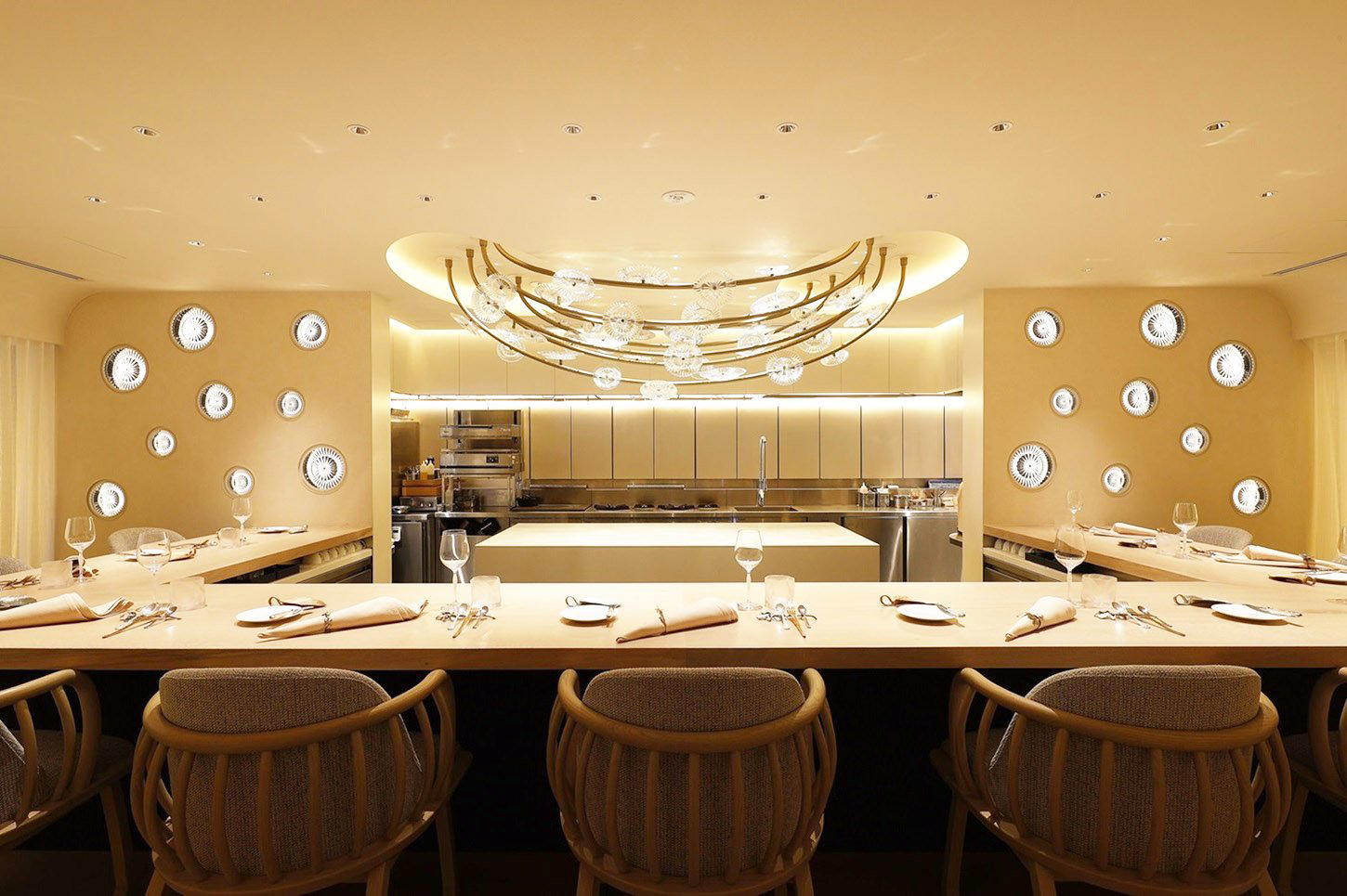
Minami-Azabu and the Long Arc of Tokyo Kaiseki
Tokyo's kaiseki scene has always contained two distinct currents. One runs toward the dramatic and the contemporary, restaurants that deploy seasonal ingredients as conceptual statements and measure themselves against international tasting-menu culture. The other runs quieter, toward establishments that treat kaiseki as an accumulated practice rather than a performance, where the proof of quality is repetition over decades rather than novelty each season. 分とく山 is a Michelin-Starred Seasonal Japanese Kaiseki restaurant in Minami-Azabu, Minato City, Tokyo, with a formal dress code and an appointment-only reservation policy.
The neighbourhood context matters here. Minami-Azabu is not Ginza, with its parade of internationally visible counters, nor is it Roppongi, where restaurants often court the expat and tourist market. It sits closer in character to the discreet, address-driven dining culture of a certain Tokyo establishment type: places where the clientele is predominantly Japanese, where reservations travel by word of mouth as much as by digital platform, and where the absence of a heavily curated online presence is a feature rather than an oversight. 分とく山 has historically operated with less of that scaffolding, which positions it differently in the city's dining hierarchy without diminishing what it represents.
The Shape of the Tradition
Kaiseki, in its classical form, is a cuisine of sequence and restraint. It emerged from the tea ceremony tradition of Kyoto and developed across centuries into a format where the cook's art is demonstrated through timing, temperature, and the precise calibration of each course to the season. The ingredient is not subordinate to technique, but neither does technique disappear behind the ingredient. What distinguishes a serious kaiseki counter from a perfunctory one is less the sourcing list and more the internal logic of the meal: whether each dish creates the right condition for the next.
In Tokyo, that tradition has been both honoured and reinterpreted. Restaurants like RyuGin have built international reputations by pushing the form toward modernist expression, while L'Effervescence represents the French parallel: classical rigour expressed through a contemporary Japanese lens. 分とく山 sits in a different position, one more aligned with continuity than reinvention. The restaurant's evolution has not been a series of announced pivots but a slower process of refinement within an established framework, which in kaiseki terms is itself a philosophical stance.
How the Restaurant Has Changed Over Time
One instructive thing about 分とく山's trajectory is that its reputation has survived the multiple disruptions that reshaped Tokyo dining over the past two decades: the rise of international ranking infrastructure, the explosion of social media-driven restaurant discovery, the pandemic years that thinned out many long-standing establishments, and the growing appetite among younger Japanese diners for formats that feel less ceremonial. Restaurants that relied on a single generation of loyal clientele often found that loyalty insufficient to sustain them through those shifts.
What 分とく山 appears to have managed, based on its continued presence and standing in the city's dining conversation, is the gradual renewal of its audience without abandoning the format that defines it. That is not a small thing in a city where kaiseki restaurants serving an older, primarily corporate clientele have faced genuine structural pressure. The comparable challenge has been documented across Japan's kaiseki culture, from Kyoto's established houses to newer regional expressions like Gion Sasaki in Kyoto, each navigating the question of how much adaptation serves the tradition and how much dilutes it.
For restaurants in 分とく山's category, the evolution has typically been incremental: adjustments in sourcing philosophy, gradual shifts in the formality of service, menu structures that retain classical sequencing while allowing seasonal ingredients to do more expressive work. The restaurant occupies the Minami-Azabu address at 5 Chome-1-5.
Placing 分とく山 in Tokyo's Broader Dining Map
For visitors constructing a serious Tokyo dining itinerary, 分とく山 represents a particular kind of choice. It sits in a comparable set that includes established Japanese-format restaurants where the experience is shaped by classical discipline rather than contemporary spectacle, contrasting with the omakase counter culture represented by venues like Harutaka or the French-influenced innovation of Crony. Those are different kinds of evenings, measuring themselves against different traditions.
Across Japan more broadly, the kaiseki form has produced a diverse regional expression. HAJIME in Osaka represents the avant-garde end of that spectrum, while akordu in Nara illustrates how the form intersects with international culinary training. Goh in Fukuoka shows how regional ingredient cultures shape local kaiseki. What 分とく山 offers in that national context is something closer to the Tokyo establishment model: cuisine rooted in the capital's particular version of the tradition, shaped by proximity to Japan's most demanding and knowledgeable dining public.
Further afield, Japan's regional dining culture contains venues that provide useful comparative context: 一本木 名川製 in Nanao, 夕月山乃 in Sapporo, and 湖畔庵 in Takashima each represent the diffusion of serious Japanese dining culture outside the major urban centres. 庄羽屋 in Nishikawa Machi and Birdland in Sakai round out that regional picture. For the international visitor, Atomix in New York City offers a point of transatlantic comparison for how Korean fine dining intersects with similar tasting-menu disciplines, while Le Bernardin in New York and Bistro Ange in Toyohashi represent different national traditions of sustained, format-faithful fine dining.
Planning a Visit
The Minami-Azabu address (5 Chome-1-5, Minato City) is reachable from Hiroo Station on the Hibiya Line. For a restaurant of this type in Tokyo, reservations should be treated as essential planning rather than optional, with serious demand at kaiseki establishments in this category typically requiring advance booking of several weeks to months.
Quick reference: 分とく山, 5 Chome-1-5 Minamiazabu, Minato City, Tokyo 106-0047. Kaiseki format. Nearest station: Hiroo (Hibiya Line).
Budget and Context
Comparable venues nearby, for context on price, style, and recognition.
| Venue | Cuisine | Price | Notes |
|---|---|---|---|
| 分とく山This venue — the venue you are viewing | Not listed | $$$$ | Not listed |
| Yachiyo | Marunouchi, Traditional Japanese Kaiseki | $$$$ | Not listed |
| 寿司 健 | Ginza, High-End Edo-Mae Sushi Omakase | $$$$ | Not listed |
| Otani No Sushi | Minato, Traditional Japanese Omakase | $$$$ | Not listed |
| Roku Roku | Minato, Edo-mae Sushi & Kaiseki | $$$$ | Not listed |
| Sushi Tanji | Not listed | $$$$ | Minato, Traditional Edo-style Omakase Sushi |









At a Glance
- Elegant
- Sophisticated
- Intimate
- Classic
- Special Occasion
- Date Night
- Business Dinner
- Chefs Counter
- Open Kitchen
- Sake Program
- Sommelier Led
- Local Sourcing
Current opening hours
- Monday
- 5–10:30 PM
- Tuesday
- 5–10:30 PM
- Wednesday
- 5–10:30 PM
- Thursday
- 5–10:30 PM
- Friday
- 5–10:30 PM
- Saturday
- 5–10:30 PM
- Sunday
- Closed
Hours can change for holidays and private events. Last verified .
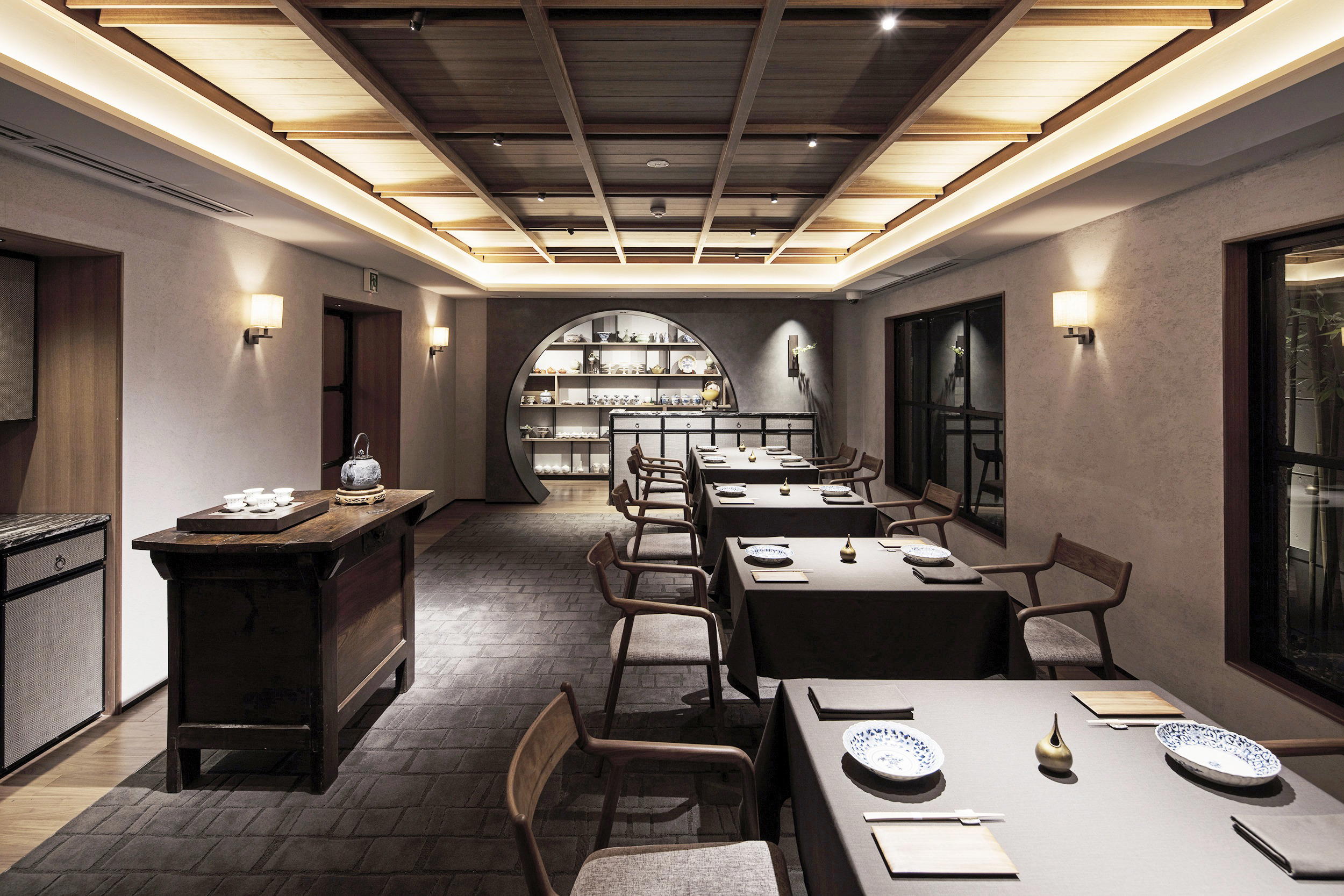
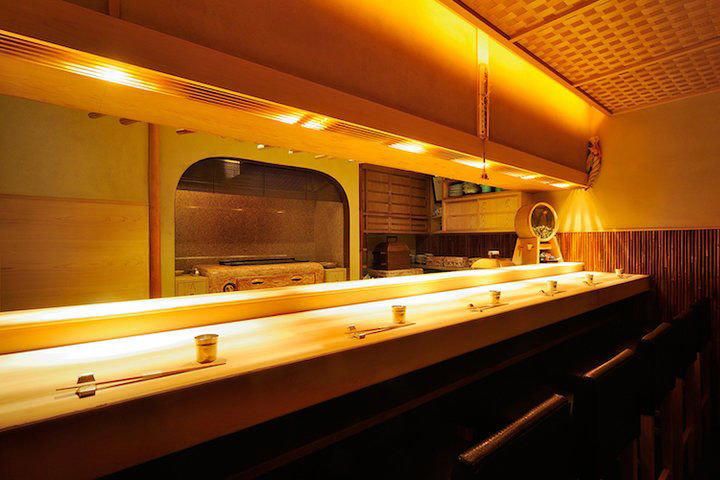
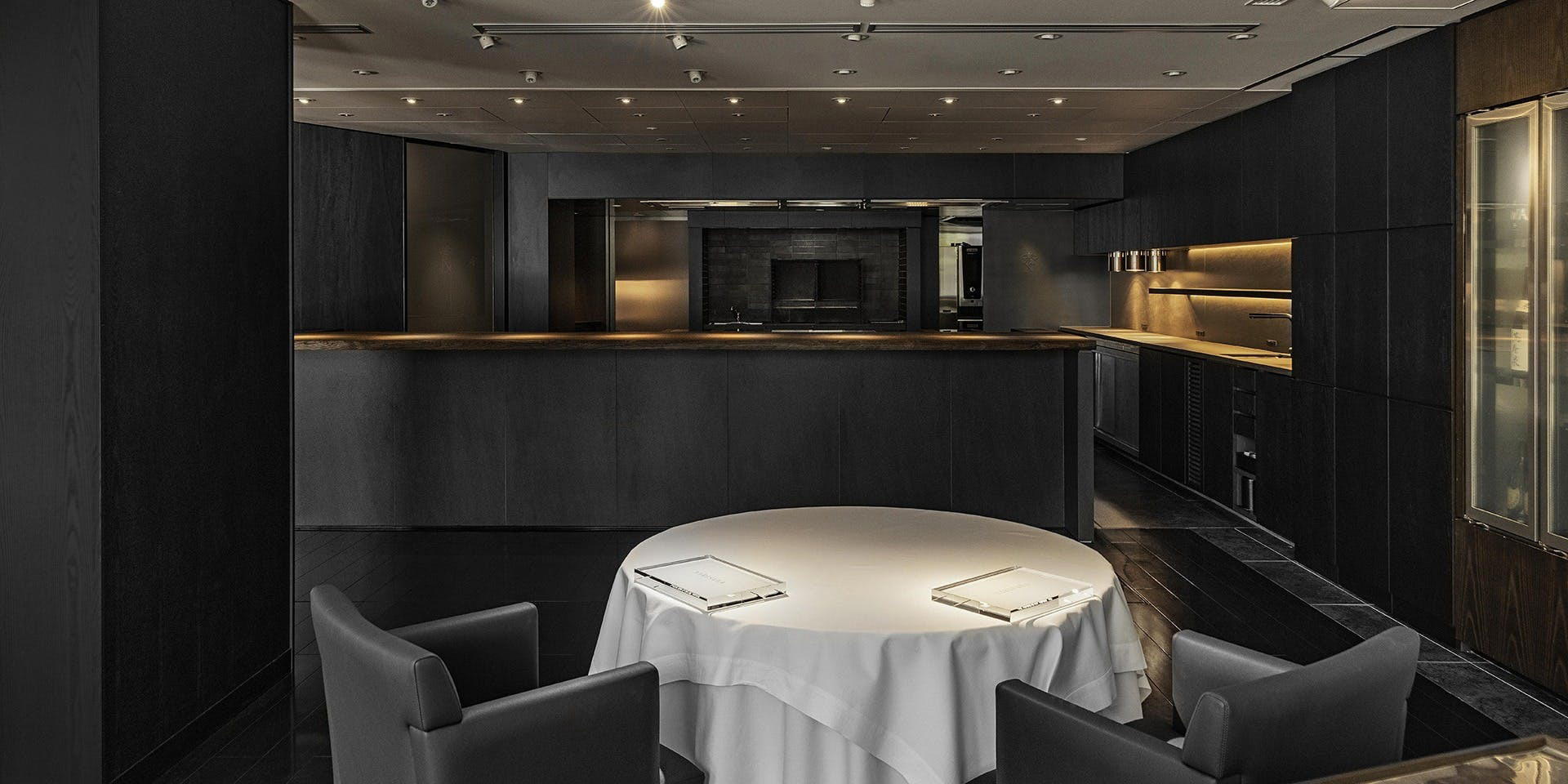
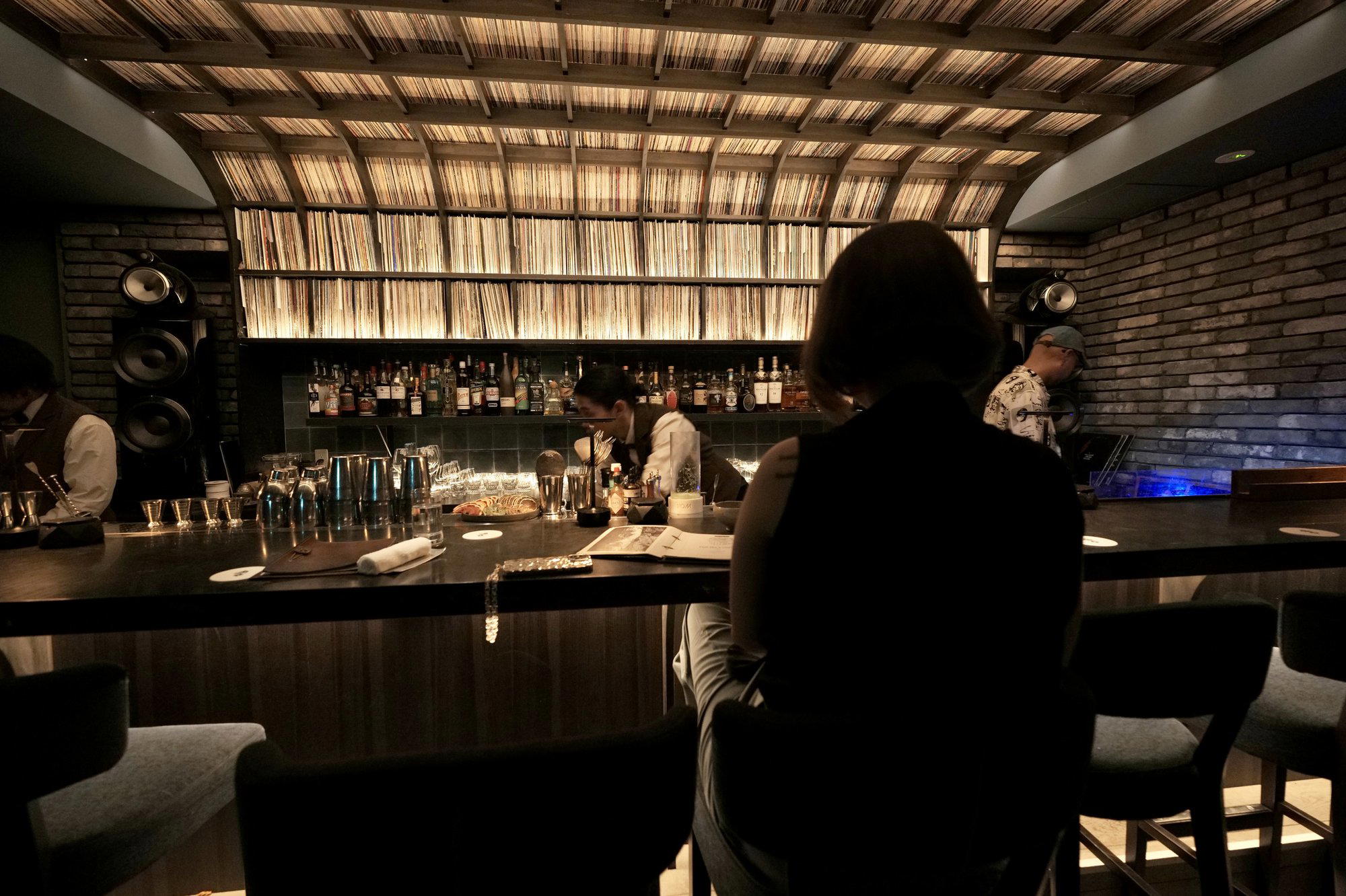
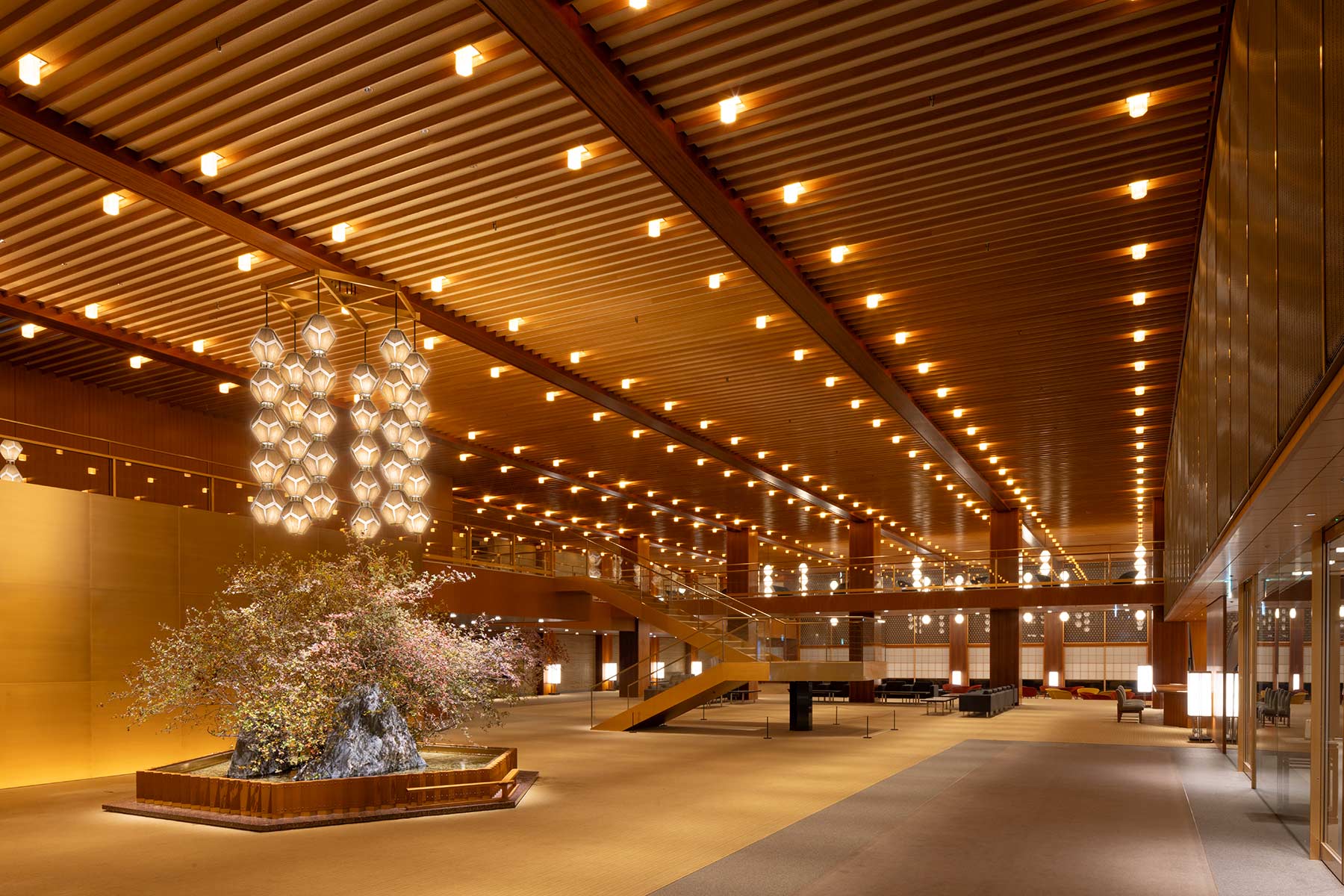
Clean, serene, and modern Japanese aesthetic with a refined atmosphere; counter seating on two levels provides an intimate setting where guests can observe the chef's meticulous preparation.