
Black Pearl 1 Diamond
Our verdict
寿司 健 belongs to Tokyo’s compact sushi-counter tradition, where sourcing discipline matters as much as technique. Its Black Pearl Restaurant Guide 2026 one-diamond recognition places it in a credentialed tier, but the more useful lens is ingredient judgment: rice temperature, fish condition, and restraint at the counter define the meal more than spectacle.

Pearl is the En Primeur Club membership app, where members save venues, book tables and use the concierge.
The menu
What to order
- Nigiri-only lunch course
- Omakase sushi course
- Sea urchin gunkan
- Tuna fatty cuts nigiri
- Conger eel (anago) nigiri
Tokyo dining rooms are often judged before the first course: by the room’s quiet, the pace of service, and whether the meal is organized around care rather than performance. In that setting, 寿司 健 should be approached as a serious Tokyo booking, not a stage set for visitors. The restaurant’s Black Pearl Restaurant Guide 2026 one-diamond recognition gives it an external marker in a city where dining is dense, competitive, and unforgiving.
The ingredient question matters because Tokyo dining is not abundance for its own sake; it is selection. The work is choosing materials in the right condition, handling them with conviction, and serving each part of the meal at a pace that keeps the experience coherent. At this level, sourcing is not decorative; it structures the visit. A dining room carries authority only if the materials and details have been edited hard before they reach the guest.
Tokyo dining, judged through selection rather than theatre
The city’s dining culture splits broadly between everyday neighbourhood rooms, high-priced destination bookings, and a middle tier where recognition, consistency, and control decide reputation. 寿司 健 sits in that conversation through its one-diamond listing, useful less as trophy than sorting signal. Tokyo has too many dining rooms for reputation to rest on atmosphere alone. Formal recognition suggests the restaurant has cleared a standard of execution in a category where small errors are visible.
Ingredient sourcing is where Tokyo’s dining grammar becomes legible. Different dishes and moments demand different handling; the point is not variety alone, but sequencing. The meal should move with clarity, avoiding heaviness or repetition. Supporting elements matter as much as headline ingredients. Temperature, seasoning, and pacing determine whether the experience tastes precise or merely expensive. Better restaurants make those choices feel inevitable, not showy.
This is why Black Pearl’s one-diamond note is worth reading in context. It does not turn the restaurant into a global trophy address, and should not substitute for the meal itself. It does place 寿司 健 inside a recognized Tokyo dining bracket, in a city where credentials are often opaque outside local reservation circles. For travelers comparing categories across the city, that credential is more concrete than a vague reputation for quality.
The sourcing lens: what serious dining asks of the diner
Dining at this level rewards attention to details casual diners often miss. Ingredients are not merely “fresh”; freshness can be the wrong benchmark when careful preparation produces deeper balance. The better question is whether each part of the meal arrives in the right condition for its role in the sequence. An opening should sharpen the palate. A richer moment later should not flatten it. Textural contrasts should bring interest without distraction. Resetting elements should keep the rhythm intact, not act as intermissions.
Tokyo’s dining culture has made diners fluent in these distinctions. The city’s reputation grew around access, but access alone is no longer enough. Many restaurants can buy well; fewer can edit well. That difference is where a serious room earns attention. The diner is not being asked to admire luxury ingredients in isolation. The test is whether sourcing, seasoning, and pacing create a clear line from start to finish.
For visitors building a wider Tokyo itinerary, this meal sits apart from the city’s louder formats. A focused dining room demands concentration, while other casual, grilled, café, and everyday dining formats map different parts of the city’s appetite. Useful contrasts appear across Tokyo’s broader restaurant scene, where dining rooms of many styles show how broad the city’s register becomes once a recognized meal is placed in a full-day plan.
How to place it in a Tokyo itinerary
Treat 寿司 健 as a focused Tokyo booking, not a casual add-on. Recognized meals work better when the surrounding day is simple: avoid stacking another long destination dinner nearby, and leave room for the restaurant’s rhythm. Because public-facing details such as price, opening hours, and reservation method are not listed here, plan conservatively. Assume a recognized Tokyo dining room requires advance coordination, especially with limited nights in the city.
The restaurant is not the right format for every diner. More focused dining formats tend to be paced by the restaurant’s sequence and can be less flexible than broad menu-driven rooms. Vegetarian diners, young children, and guests needing flexible timing should confirm suitability before committing. In Tokyo, the strongest meals often come from accepting the discipline of the format rather than bending it into a general-purpose restaurant.
For a broader city plan, use EP Club’s wider Tokyo coverage across restaurants, hotels, bars, wineries, and experiences. Regional detours widen the frame further, with other Japanese cities showing how dining shifts by region and format. For readers tracking Japanese drinking and casual food culture abroad, international examples can extend that comparison outside Japan without changing the core point: 寿司 健 belongs in the Tokyo portion of the itinerary.
The editorial case for 寿司 健 is concise: a Tokyo dining room with Black Pearl one-diamond recognition should be approached through sourcing, sequence, and restraint. The draw is not spectacle. It is the chance to read a disciplined version of the city’s dining culture through the ingredients chosen, their order, and the quiet pressure a serious meal places on every decision.
Frequently asked questions
Does 寿司 健 have a Michelin star or similar recognition?
寿司 健 has received recognition including: Black Pearl Restaurant Guide 2026 one-diamond.
How hard is it to get a table at 寿司 健?
The Black Pearl Restaurant Guide 2026 one-diamond designation suggests planning ahead is sensible. Treat 寿司 健 as a planned reservation rather than a spontaneous dinner.
What's 寿司 健 best at?
Its clearest credential is the Black Pearl Restaurant Guide 2026 one-diamond recognition, which points to a serious dining room in Tokyo. It suits diners who want a focused meal rather than a broad menu-driven format.
Can 寿司 健 handle vegetarian requests?
Vegetarian requests should be confirmed directly in advance. The safest approach is to ask before booking, especially for a venue with Black Pearl one-diamond recognition.
Is 寿司 健 suitable for children?
It may suit older children who can handle a quiet, focused dining setting. A Black Pearl Restaurant Guide 2026 one-diamond venue in Tokyo is generally a better fit for attentive diners than for restless younger children.
In Context
Comparable venues nearby, for context on price, style, and recognition.
| Venue | Cuisine | Price | Awards | Notes |
|---|---|---|---|---|
| 寿司 健This venue (the venue you are viewing) | High-End Edo-Mae Sushi Omakase | $300–500 | Black Pearl 1 Diamond | Not listed |
| Ningyocho Imahan Ueno hirokoji ten | Traditional Wagyu Sukiyaki & Shabu-shabu | $100–150 | Tabelog 100 #1 | Taitō, Traditional Wagyu Sukiyaki & Shabu-shabu |
| 銀座 下鴨茶寮 東のはなれ | Chiyoda, Kyoto Kaiseki Tea House | Not listed | Not listed | Not listed |
| にく割烹金座 | Niku Kappo (Meat Kappo) | Not listed | Not listed | Chūō, Niku Kappo (Meat Kappo) |
| きよ田 離れ | High-end Edomae Sushi Omakase | $500+ | Black Pearl 1 Diamond · Tabelog 100 #11 | Ginza, Edomae Sushi Omakase |
| Yakitori Hirano | Edo-style Yakitori Omakase with Modern Japanese Pairings | $150–200 | Tabelog 100 #75 | Chūō, Edo-style Yakitori Omakase with Modern Japanese Pairings |
Recognition history
Dated appearances from independent guides and award organizations, with the underlying list record or original source where available.
Black Pearl 1 Diamond
Black Pearl
Continue exploring
More in Tokyo
Restaurants in Tokyo
All restaurants in Tokyo →

Bars in Tokyo
All bars in Tokyo →




Details
- Intimate
- Elegant
- Cozy
- Sophisticated
- Special Occasion
- Date Night
- Business Dinner
- Solo
- Celebration
- Chefs Counter
- Standalone
- Design Destination
- Sake Program
- Sustainable Seafood
- Local Sourcing
- Omakase
- Tasting Menu
- Counter Dining
- Set Menu
- Sake
- Beer
- Wine
- Pescatarian Friendly
- Allergy Accommodating
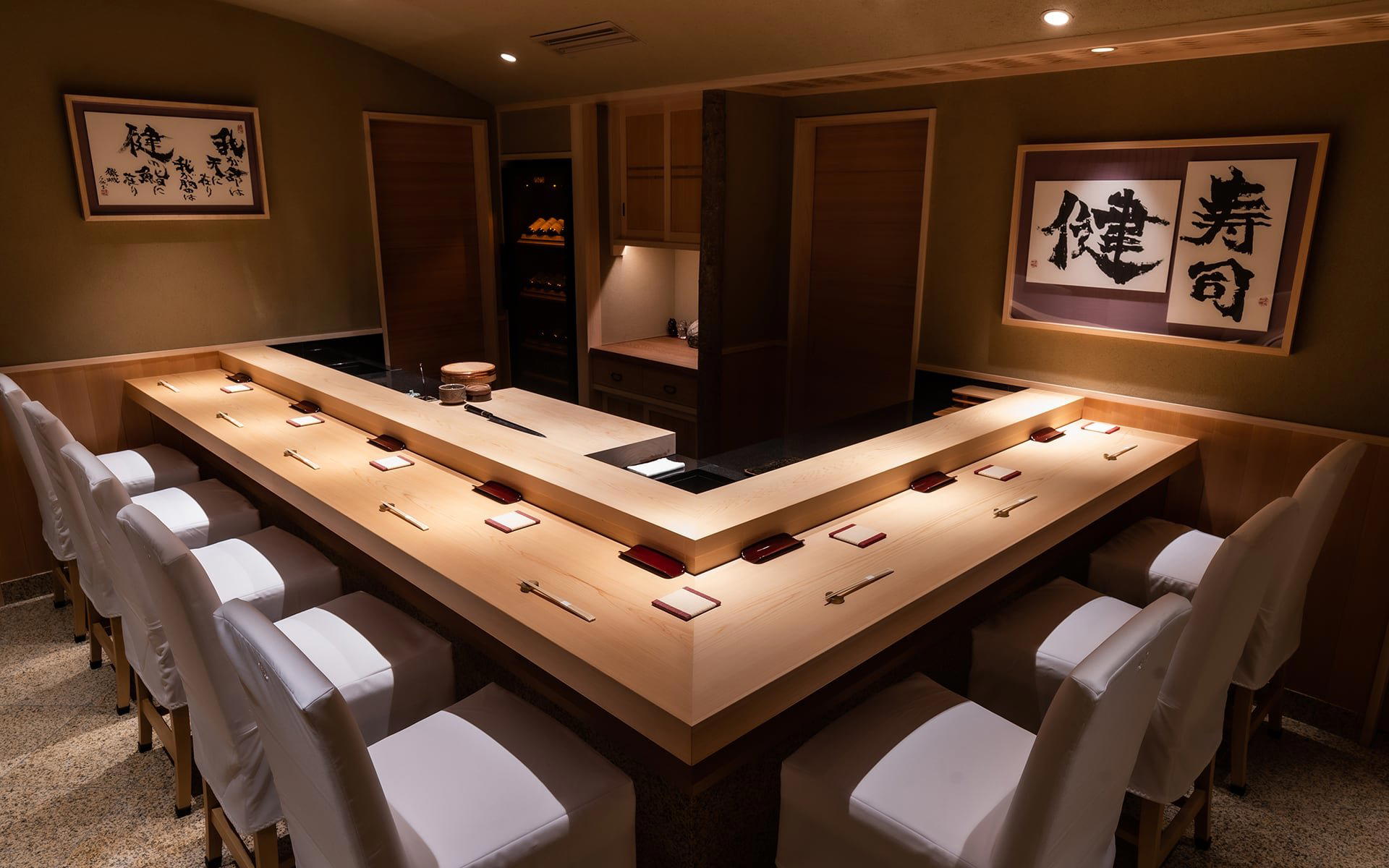
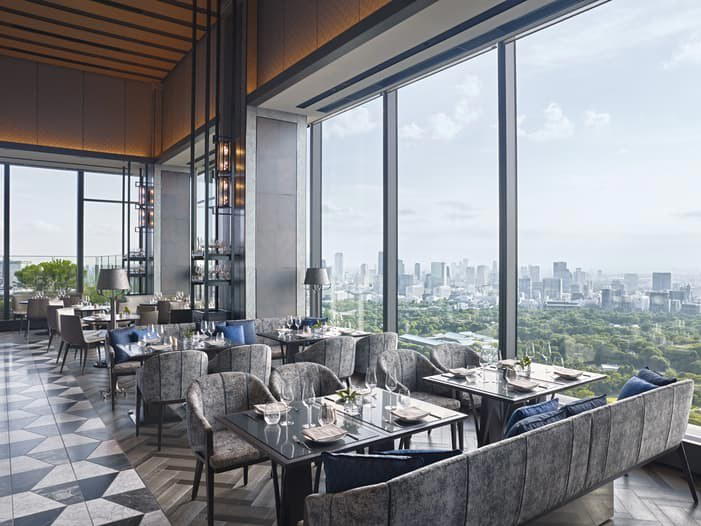
A small, warm counter-only space with traditional mud walls and an arched ceiling, creating a calm, refined atmosphere where guests sit close to the chef and focus on seasonal sushi in a relaxed yet polished Ginza setting.