Our verdict
Yachiyo is a Tokyo restaurant operating within Japan's demanding tradition of formal dining, where pacing, etiquette, and seasonal precision carry as much weight as the food itself. Positioned among the capital's serious Japanese dining establishments, it draws visitors who approach the meal as a structured ritual rather than a casual outing. Research bookings carefully and confirm allergy requirements well in advance.

Pearl is the En Primeur Club membership app — saves, bookings, and concierge access live there. Same editors, same standards.
- Address
- Tokyo, Japan
- Directions
- Get directions
The Ritual Before the First Course
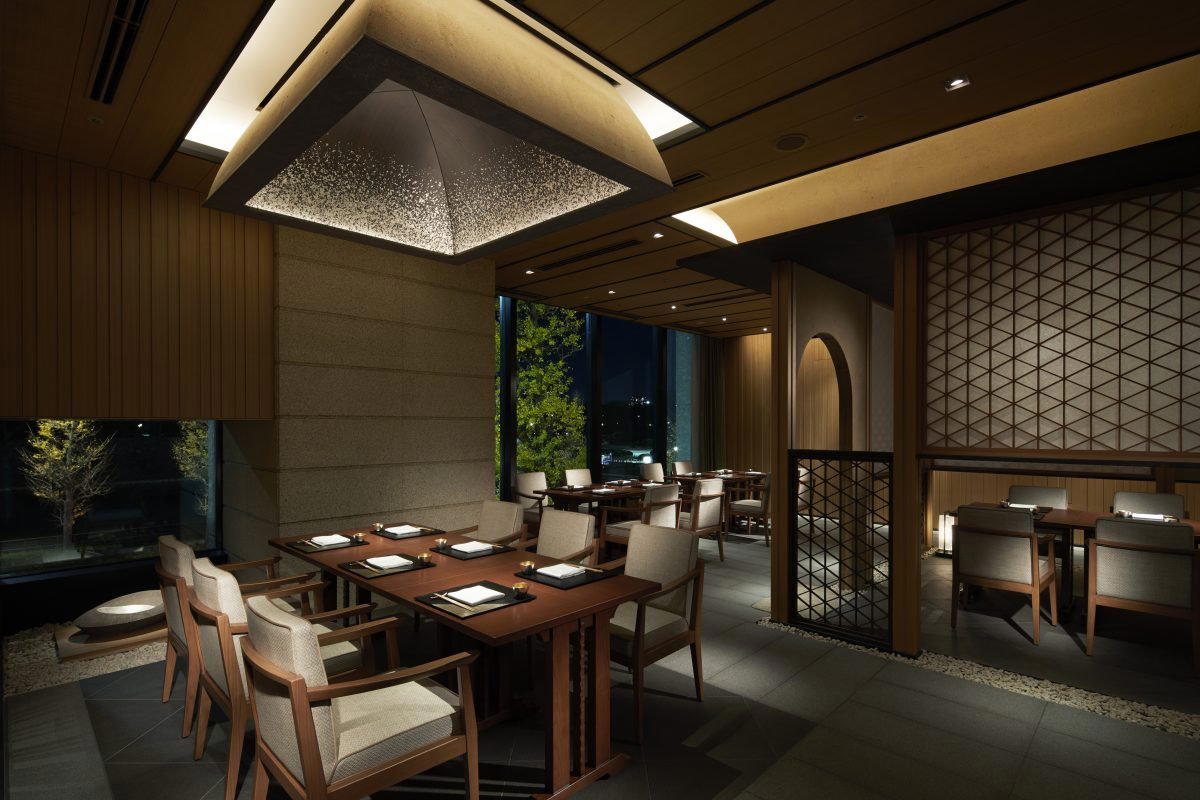
Japan's formal dining culture did not emerge from a single moment of invention. It accumulated across centuries of court protocol, Buddhist dietary discipline, and the merchant-class aesthetics of the Edo period, eventually crystallising into a set of conventions that now govern everything from the angle of a serving dish to the silence between courses. Within that tradition, Tokyo restaurants like Yachiyo operate not simply as places to eat but as settings where a defined ritual is performed — and where a guest's familiarity with that ritual shapes how the experience unfolds.
Understanding this before you book matters more than most travel advice. The customs here — removing shoes at the threshold, receiving dishes with both hands, allowing the server to pour before you reach for a bottle, are not affectations. They are the grammar of the meal, and guests who arrive knowing the grammar tend to find the experience considerably more textured than those who treat it as decoration.
What Kind of Dining Does Yachiyo Represent?
Tokyo's high-end Japanese dining scene divides, broadly, into three registers. There is the sushi counter tradition, where a chef working at close quarters over aged fish and seasoned rice controls both timing and conversation, Harutaka sits at the sharper end of that category. There is the kaiseki format, where a multi-course seasonal progression is shaped by what the market offered that morning, RyuGin occupies the more experimental end of kaiseki. And there is a third tier of Japanese restaurants that resist easy categorisation: those built around a specific regional technique, a particular ingredient obsession, or a hybrid sensibility that has absorbed French discipline without abandoning Japanese restraint.
Yachiyo falls within this broader world of formal Tokyo dining, where the competition for the guest's attention is not between venues but between centuries of tradition and the city's appetite for innovation. The same district that houses concentrated French technique, from L'Effervescence to Sézanne, also shelters deeply rooted Japanese formats that have not shifted to accommodate Western expectations. Yachiyo sits closer to that latter pole.
The Architecture of a Formal Japanese Meal
What separates a serious Japanese dining experience from a casual one is almost never the ingredient list. It is pacing. A kaiseki or washoku progression is built on deliberate tempo: courses arrive when the kitchen decides, not when the guest signals readiness. Tea is replenished before the cup empties. A dish that looks simple, a single piece of grilled fish on lacquerware, a clear broth with one tofu float, carries the weight of a technique practised across many years and refined to a point where any addition would be interference rather than improvement.
Guests eating within this format for the first time are often surprised by how unhurried the meal feels relative to the visual simplicity of each plate. This is not a miscalculation, it is the point. The pacing creates space for attention, and attention is what a kitchen working at this level is asking for. Comparable formality exists at venues in other Japanese cities: Gion Sasaki in Kyoto and HAJIME in Osaka both operate within this structural discipline, though each with distinct regional character.
Tokyo's Competitive Frame
Tokyo holds more Michelin stars than any other city, a statistical reality that has shaped how both locals and foreign visitors approach restaurant selection. The density of decorated venues creates a different kind of pressure than you find in, say, Fukuoka, where Goh operates with more breathing room from peers, or in smaller cities like Nanao, where 一本杉川島 draws guests specifically because the concentration of fine dining elsewhere has not yet reached there.
In Tokyo, the sheer number of serious restaurants means that a venue's positioning is defined as much by what it is not as by what it is. The more French-inflected end of the city's dining scene, occupied by places like Crony, competes against European counterparts for a guest demographic that moves fluidly between cuisines. Yachiyo operates in a different competitive conversation: one anchored in Japanese form, where the reference points are domestic tradition and seasonal ingredient availability rather than international technique comparison.
For context across Japan's broader formal dining map, akordu in Nara offers an interesting counterpoint, a European-trained sensibility applied in a historically resonant Japanese setting. The contrast helps clarify what makes strictly Japanese-form restaurants distinct: the absence of that negotiation, the commitment to a single culinary language.
Booking, Timing, and Practical Orientation
Tokyo's serious dining sector operates on advance reservations, and restaurants at this level often require bookings weeks or months ahead, particularly for weekend sittings. For venues where no English-language booking channel is clearly established, working through a hotel concierge with established relationships, or using a specialist reservation service, tends to be more effective than direct contact. This applies across the tier: even at well-known counters, the path to a confirmed seat frequently runs through an intermediary.
Seasonality governs the menu in any restaurant working within Japanese traditions, so the time of year affects what you eat as much as where you sit. Autumn and spring, the periods associated with peak ingredient transitions, are when these menus are typically at their most differentiated from what the same kitchen offers in summer or deep winter. Planning around those windows, rather than optimising for flight prices, is the more productive approach for guests who care about the full experience.
Those with dietary restrictions should communicate requirements at the time of booking, not on arrival. Japanese formal dining kitchens prepare components well in advance and do not always have structural flexibility for substitutions once the menu has been composed for that service. The same applies at comparable restaurants across the country, from 湖畔庵 in Takashima to 庄羽屋 in Nishikawa Machi.
For a broader map of where Yachiyo sits within Tokyo's dining scene, our full Tokyo restaurants guide covers the city's major categories and price tiers in detail.
Beyond Tokyo: The Wider Fine Dining Reference Frame
For guests who are building an itinerary around serious restaurants rather than a single booking, it is worth noting how Japan's formal dining culture compares to equivalent tiers elsewhere. Le Bernardin in New York City and Atomix, also in New York, both operate at the upper register of their respective cuisines with a comparable emphasis on technique and seasonal precision. The structural difference is that Japanese formal dining typically eliminates the theatrical elements that Western tasting-menu formats often rely on: no tableside drama, no explanatory monologue for each course. The food is expected to speak through form rather than through narration.
Regional Japanese destinations like 冬木山乃 in Sapporo and Birdland in Sakai extend this pattern into different ingredient and climate contexts, while Bistro Ange in Toyohashi shows how French influence has dispersed across smaller Japanese cities. The thread connecting all of them is a relationship to craft that does not perform for the guest but instead invites the guest into sustained attention, which is, ultimately, what any serious meal in Japan is asking you to bring.
Frequently asked questions
Is Yachiyo suitable for first-time visitors to formal Japanese dining in Tokyo?
Tokyo's formal washoku and kaiseki venues are structured to guide guests through the meal, making prior experience with Japanese cuisine helpful but not a requirement. The pacing and service conventions at restaurants in this register are designed with attentive hospitality in mind, which typically means guests unfamiliar with the format are oriented naturally through the progression of courses. Researching the general structure of a kaiseki meal before visiting gives first-timers a useful frame of reference.
What dish is Yachiyo famous for?
Yachiyo operates within Tokyo's formal Japanese dining tradition, where the meal as a sequence carries more weight than any single dish. The kitchen's reputation is built around the washoku or kaiseki structure, where each course is calibrated to season, temperature, and pacing rather than a signature item. Specific menu details are confirmed at the time of booking.
What's the best way to book Yachiyo?
For international visitors, a hotel concierge with established relationships in Tokyo's restaurant sector can improve access significantly. Checking Yachiyo's current booking process before planning your itinerary is advisable.
What has Yachiyo built its reputation on?
Yachiyo sits within Tokyo's formal Japanese dining scene, a city that holds more Michelin stars than any other in the world and where longevity and consistency carry considerable weight with local diners. Restaurants in this register build standing through adherence to seasonal discipline, sourcing integrity, and service precision rather than through any single headline credential. Yachiyo's position in that context reflects the sustained standards Tokyo's dining culture demands.
Do they accommodate allergies at Yachiyo?
Formal Japanese kitchens in Tokyo generally handle dietary requirements through advance communication at the time of booking, since multi-course menus are prepared ahead of service. Guests with allergies or restrictions should notify the restaurant directly when making a reservation. Specific accommodation policies are best confirmed with Yachiyo before your visit.
Recognition, Side-by-Side
| Venue | Cuisine | Price | Awards | Notes |
|---|---|---|---|---|
| YachiyoThis venue — the venue you are viewing | Japanese Kaiseki | $100–150 | Not listed | Not listed |
| Harutaka | Edo-Style Omakase Sushi | $200–300 | 3 Michelin Stars · World's 50 Best #76 | Sushi |
| L'Effervescence | Modern French with Japanese Influences | $200–300 | 3 Michelin Stars · World's 50 Best #69 | French |
| RyuGin | Modern Kaiseki | $500+ | 3 Michelin Stars · World's 50 Best #41 | Kaiseki, Japanese |
| Crony | Modern French with Japanese Influences | $150–200 | 2 Michelin Stars · World's 50 Best #34 | Innovative, French |
| Florilège | Modern French-Japanese Plant-Based Fine Dining | $50–100 | 2 Michelin Stars · World's 50 Best #31 | French |