ロー occupies a basement address in Minami-Aoyama, one of Tokyo's most considered dining neighbourhoods, where a loyal returning clientele has shaped its reputation through word of mouth rather than broad visibility. The venue sits within the tier of intimate, address-specific restaurants that reward prior knowledge and repeat visits. For those who already know it, the question is rarely whether to return, it is when.
Pearl is the En Primeur Club membership app — saves, bookings, and concierge access live there. Same editors, same standards.
- Address
- Japan, 〒107-0062 Tokyo, Minato City, Minamiaoyama, 2 Chome−14−14 南青山 Kfk Bldg. B1F
- Phone
- +81358430140
- Website
- leau.tokyo
- Directions
- Get directions
 Saves & bookings on Pearl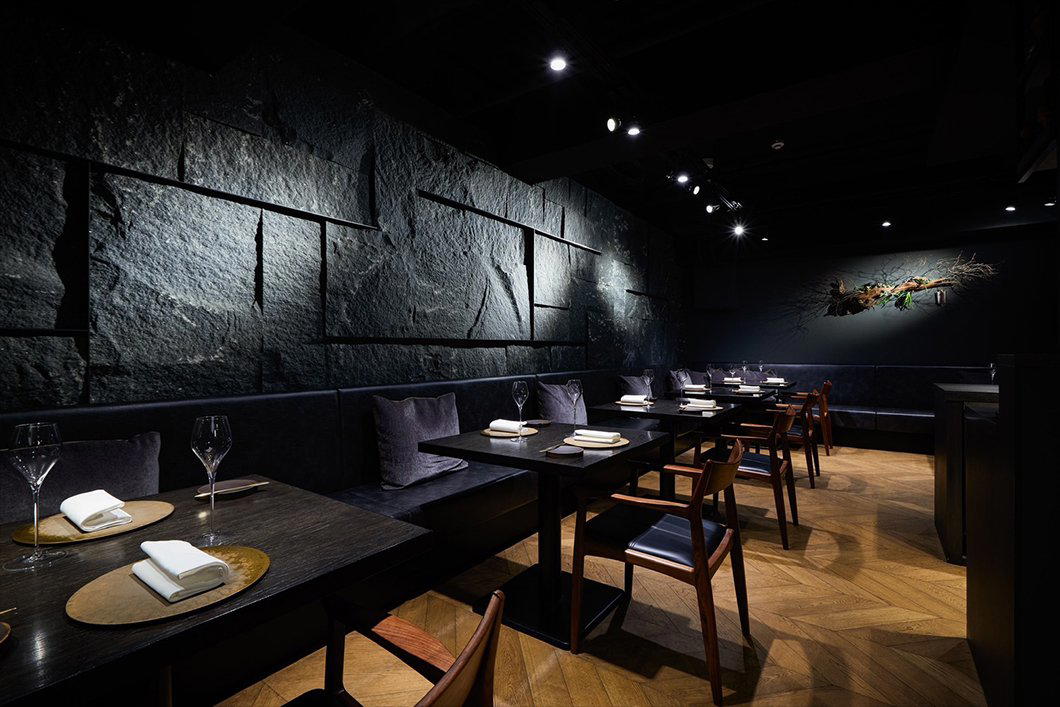
Minami-Aoyama and the Restaurants That Reward Loyalty
ロー is a Modern Japanese Fine Dining restaurant in Tokyo's Minami-Aoyama district, with reservations essential and an approximate price of US$120 per person. These venues accumulate guests the way a good neighbourhood bar does: one at a time, through recommendation, and kept through consistency. ロー, in the basement of the KFK Building on Minamiaoyama 2-chome, operates inside that model. Its address, a sub-street-level floor in a low-profile block, suggests a deliberate preference for the kind of guest who already knows where they are going.
Minami-Aoyama has long functioned as the thoughtful counterpoint to Roppongi's higher-volume dining energy. The neighbourhood carries a concentration of galleries, independent boutiques, and restaurants that tend toward precision over scale. This is the same district that has produced some of Tokyo's most discussed modern French and Japanese cooking, with peers like L'Effervescence and Crony staking out the area's reputation for serious, quieter dining rooms. ロー fits that neighbourhood logic: a restaurant for people who approach dinner as a considered act, not an occasion to be seen.
The Regulars' View: What Brings Guests Back
In Tokyo's densest dining tier, the restaurants that generate genuine repeat traffic tend to share a set of structural features: a format that changes enough to justify returning, a room where the interaction between staff and familiar guests carries its own value, and a precision that holds across visits rather than peaking on notable occasions. The regulars at this type of address do not return because every meal is identical, they return because the kitchen maintains a standard that makes variation feel like range rather than inconsistency.
The basement setting on Minamiaoyama 2-chome speaks to a specific guest relationship with the space itself. Below-street rooms in Tokyo's premium dining tier often create a quality of enclosure that separates the experience from the city above. At venues of this type, the room becomes a kind of shared agreement between kitchen and guest: quieter, more focused, and less subject to the ambient noise of street-level Tokyo. For regulars, that quality is part of the return logic.
Across Tokyo's intimate dining category, returning guests also tend to develop what might be called an unwritten menu, a set of dishes, timings, or preferences built through prior visits and communicated without much formal instruction. This is not distinctive to any single address; it is how trust accumulates between kitchen and clientele at small-format restaurants everywhere.
Placing ロー in Tokyo's Broader Dining Field
Tokyo's highest-scrutiny dining tier tends to operate in a narrow band of recognisable formats: the omakase counter, the kaiseki progression, and the multi-course modern European room. The recognisable comparable set for a Minami-Aoyama basement restaurant includes venues like Harutaka at the formal sushi end, RyuGin in kaiseki, and Sézanne in contemporary French. These are venues where booking lead times run to months and where the format itself is legible before a guest arrives.
ロー's precise format is not detailed in current records, but its location in Minami-Aoyama places it inside a competitive set that expects a degree of formality and intention in how the meal is structured. The neighbourhood has little appetite for casual formats at its premium addresses. For context across Japan's fine dining circuit, comparable address-specific restaurants have appeared in cities like Osaka, where HAJIME holds a comparable position, and Kyoto, where Gion Sasaki operates within similarly precise expectations around formality and progression.
Internationally, the model of the small-format, loyalty-driven restaurant that earns its reputation through returned visits rather than broad publicity has analogues in cities like New York, where Atomix and Le Bernardin occupy different ends of the same premium-dining spectrum. The Tokyo version of this category tends to be more compressed in format and more restrained in communication, which makes address-specific knowledge more valuable, not less.
Dining Beyond Aoyama: Japan's Regional Fine Dining Circuit
Guests reaching Tokyo's premium dining neighbourhood from outside the city often build itineraries that extend into Japan's broader regional fine dining network. The country's serious restaurant culture does not concentrate only in the capital. akordu in Nara has drawn attention for an approach to European technique applied to local produce. Goh in Fukuoka operates within that city's well-established reputation for high-quality ingredients and direct sourcing. In less-visited prefectures, addresses like 一本木 皆川製 in Nanao and 湖里庵 in Takashima represent the kind of regionally embedded cooking that draws dedicated dining travellers away from the major cities. 夕月山乃 in Sapporo and 鶯羽屋 in Nishikawa Machi extend the map further north, into Hokkaido and Yamagata respectively, regions where seasonal produce cycles create menus that shift substantially across the year. Birdland in Sakai and Bistro Ange in Toyohashi each offer distinct regional takes on European-inflected cooking outside the major city circuits.
For the full Tokyo picture, including neighbourhood-by-neighbourhood breakdowns of where the city's serious dining concentrates, see our full Tokyo restaurants guide.
Planning a Visit
ロー sits at KFK Building B1F, Minamiaoyama 2-14-14, Minato City, Tokyo. The address is basement level on a mid-block position in Minami-Aoyama, accessible from Gaiemmae Station on the Ginza Line. Reservations are essential.
Comparable Venues
Comparable venues nearby, for context on price, style, and recognition.
| Venue | Cuisine | Price | Notes |
|---|---|---|---|
| ローThis venue — the venue you are viewing | Modern Japanese Fine Dining | $$$$ | Not listed |
| きよ田 離れ | Edomae Sushi Omakase | $$$$ | Ginza |
| Sushi Sho Yotsuya | Sushi Sho-style Edomae Omakase | $$$$ | Shinjuku |
| Sushi Saitou Azabudai | High-End Edomae Sushi Omakase | $$$$ | Minato |
| 小笠原伯爵邸 | Seasonal Kaiseki | $$$$ | Shinjuku |
| Kamon | Modern Wagyu-focused Teppanyaki in Imperial Hotel Tokyo | $$$$ | Chiyoda |










At a Glance
- Elegant
- Minimalist
- Sophisticated
- Special Occasion
- Date Night
- Business Dinner
- Open Kitchen
- Design Destination
- Farm To Table
- Organic
- Zero Waste
- Local Sourcing
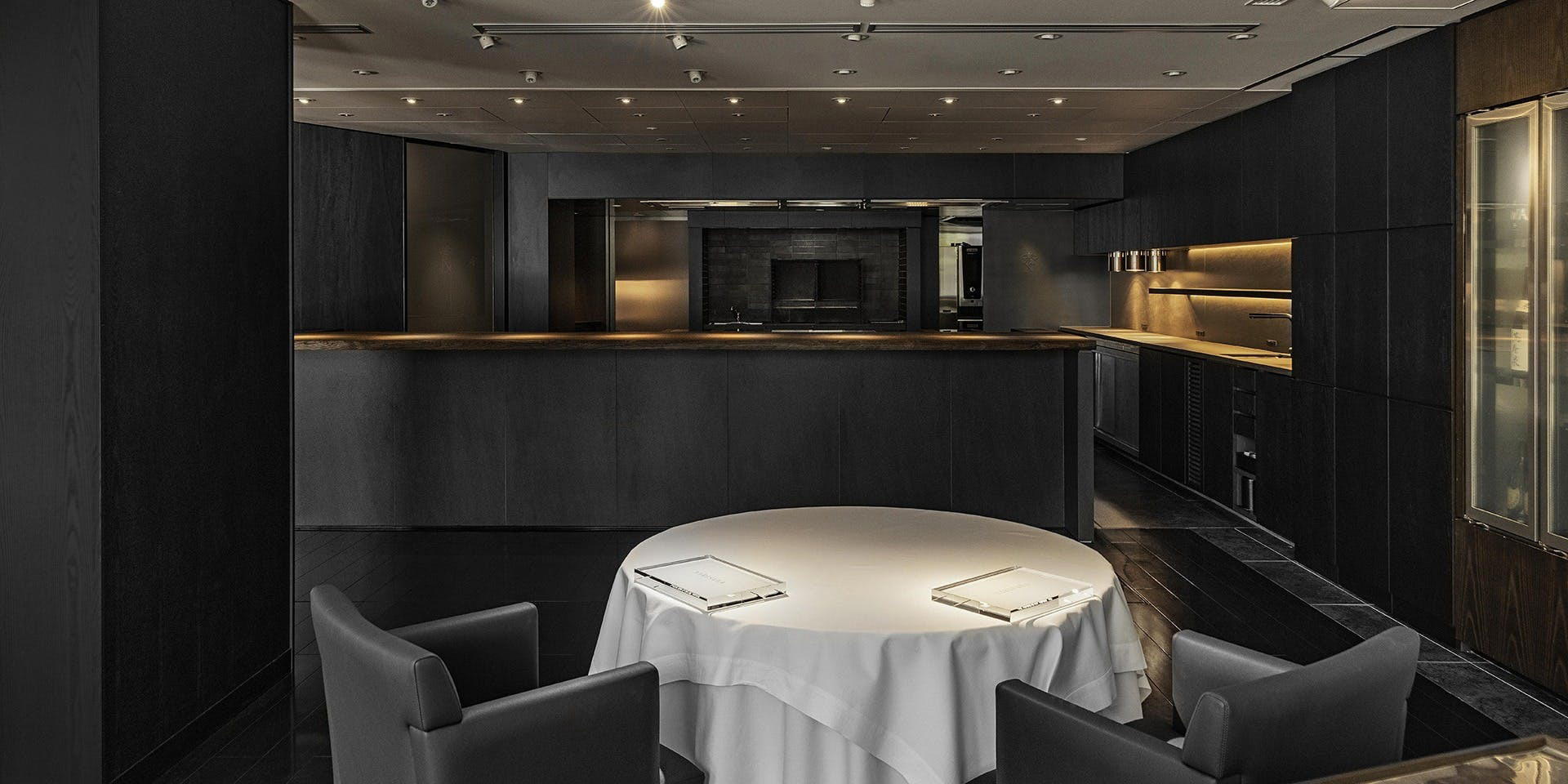
Minimalist grey interior with a laboratory-like aesthetic, creating an understated and refined dining environment.