
きよ田 離れ belongs to Tokyo’s small, reputation-led dining tier, where recognition matters because public-facing detail is sparse. Its Black Pearl Restaurant Guide 2026 one-diamond listing places it within a serious bracket for travelers tracking Japanese restaurants through awards rather than volume, trend cycles, or social-media visibility.
 Request Booking on Pearl
Pearl is the En Primeur Club membership app — saves, bookings, and concierge access live there. Same editors, same standards.
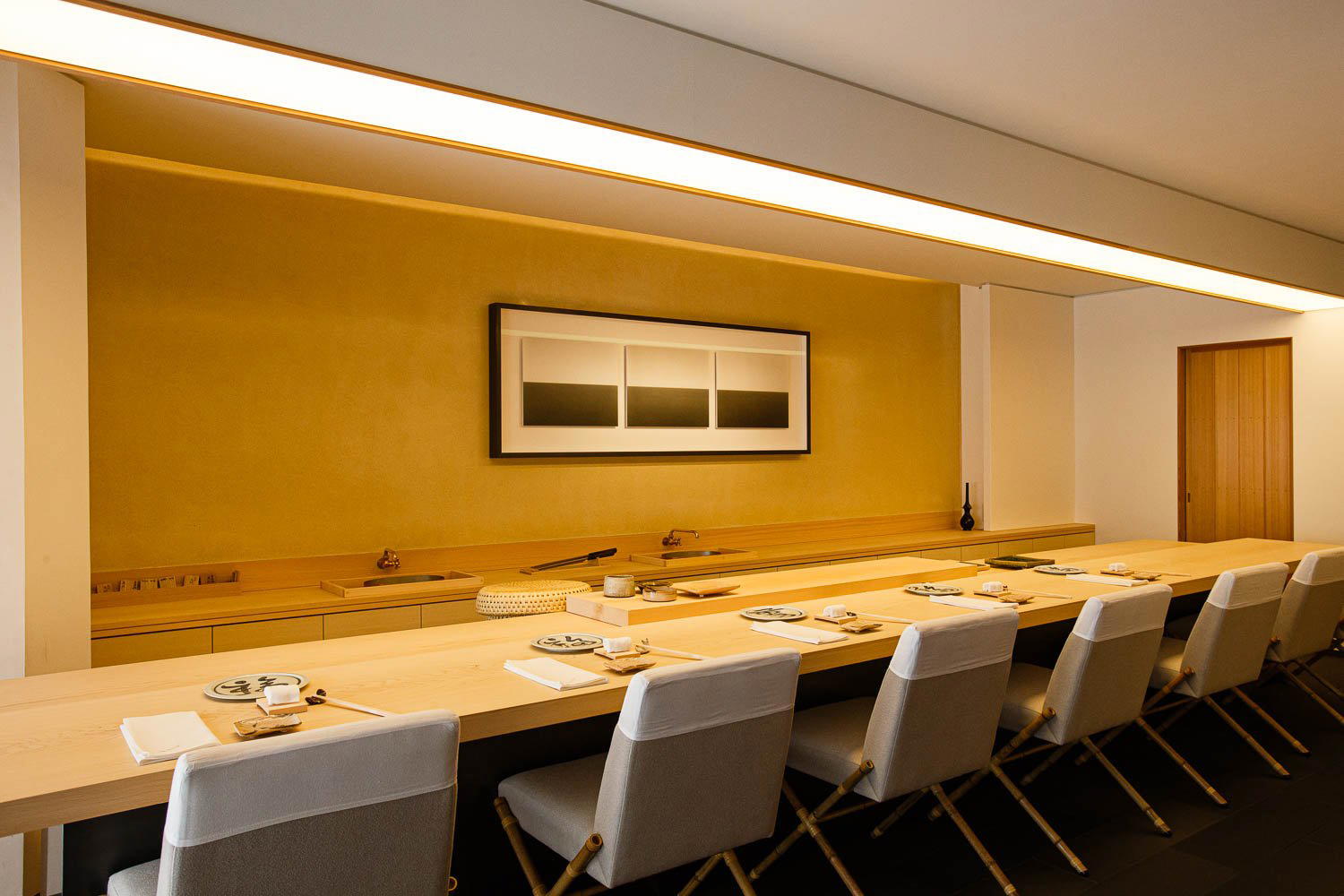
The room is better imagined through Tokyo’s quiet dining codes than through theatrical cues: controlled arrival, low visual noise, and a meal shaped by restraint rather than spectacle. In the city’s higher-end Japanese restaurants, atmosphere is often built by subtraction. The counter, the pacing, the temperature of rice or broth, the handling of seasonal produce and seafood, and the small acts of service carry more weight than décor. きよ田 離れ sits inside that grammar, where the meal is judged less by novelty than by discipline.
Tokyo rewards restaurants that make local ingredients feel inevitable. The city’s luxury dining culture is not only about imported technique, though French knife work, global wine service, and tasting-menu choreography have all left marks on the capital. The more interesting pattern is how those methods are absorbed into Japanese produce logic: fish bought for condition rather than name recognition, vegetables used at their seasonal point, rice treated as structure rather than filler, and service paced around attention rather than performance. That is the useful frame for reading a restaurant with limited public detail but formal guide recognition.
Tokyo restraint, read through a one-diamond signal
The meaningful public marker here is the Black Restaurant Guide 2026 one-diamond recognition. That matters because Tokyo has an unusually crowded field of small-format Japanese restaurants, many operating with minimal outward explanation. Awards do not replace judgment, but they do help separate serious rooms from anonymous luxury. A one-diamond listing places きよ田 離れ within an inspected tier, which is particularly useful in a city where many restaurants publish little about chef biography, menu structure, seating, or booking flow.
The local context is also important. Tokyo’s dining hierarchy is not built only on famous names or international rankings. It is shaped by access, repeat custom, specialist supply chains, and a deep culture of small rooms where precision is expected rather than advertised. For travelers, that means the absence of a long public narrative is not, by itself, a warning sign. In Japan, discretion can be part of the operating model. The better question is whether a restaurant has an external credential strong enough to justify attention; here, the 2026 one-diamond citation supplies that baseline.
This is also where the city’s global technique meets indigenous product culture. Tokyo chefs have long absorbed outside formats, from dégustation pacing to wine-led service and pared-back counter choreography, but the strongest meals remain anchored in Japanese sourcing and seasonality. The imported method is the frame; the domestic ingredient is the argument. A serious Tokyo room should not feel international by decoration alone. It should show how technique clarifies product, not how technique overwhelms it.
What the dining decision hinges on
The case for adding this address to a Tokyo itinerary depends on the traveler’s appetite for formal, low-noise dining. This is not the city’s casual side, and it is not the part of Tokyo where breadth matters more than focus. The appeal lies in a narrower question: how much value the diner places on guide-recognized Japanese cooking when many operational details are intentionally quiet. For visitors who want named dishes, chef mythology, or a menu described in advance, Tokyo has easier choices. For those who read awards and room discipline as part of the experience, the signal is stronger.
That distinction matters because Tokyo can overwhelm even experienced diners. The city runs from commuter-counter curry and yakitori to specialist sushi, kappo, tempura, French-Japanese tasting rooms, and hotel dining. A restaurant such as きよ田 離れ belongs to the end of that spectrum where confidence is expressed through control: fewer visible promises, more reliance on reputation, and a dining style that assumes guests understand the codes. The risk is opacity; the reward is a meal positioned inside one of the world’s deepest restaurant cultures without needing to turn itself into a performance for outsiders.
Readers mapping the city more broadly can use Our full Tokyo restaurants guide as the main planning spine, then branch outward depending on appetite and schedule. Casual counter energy appears in . 鮪と炭火焼き うお炭 秋葉原店, Shinjuku’s compact dining circuit includes 12/10 Shinjuku ten, and yakitori specialists such as 124. KAGURAZAKA (Yakitori) show another version of ingredient-led Japanese cooking. For lighter stops, 2D Cafe and 3 Chome no Curry Ya San sit in a different register entirely.
How to place it within a wider Japan trip
Tokyo dining rarely works in isolation. The city pairs naturally with hotels, bars, cultural programming, and regional detours, especially for travelers building a food-led route across Japan. Use Our full Tokyo hotels guide, Our full Tokyo bars guide, Our full Tokyo wineries guide, and Our full Tokyo experiences guide to keep the surrounding itinerary coherent rather than overloading every night with formal dining.
Regional contrast sharpens the read on Tokyo. Kamakura’s beef sukiyaki culture appears through -Grilled beef Sukiyaki- KAMAKURA TANUKIAN 鎌倉 たぬき庵 in Kamakura, Osaka’s café register through.cafe in Osaka, Kumamoto’s smaller-city dining through.know in Kumamoto, Kawasaki’s Vietnamese cooking through (Shoku) Vietnam in Kawasaki, Sapporo curry culture through [Curry Senmon Ten] Maruyama Kyoju. in Sapporo, and Kyoto’s dining cadence through [ki:] in Kyoto. For a Japanese food thread outside Japan, Jōdo Saké Bar in Los Angeles and Onigiri Time in Pasadena show how the vocabulary changes when it crosses the Pacific.
The verdict is measured but clear: きよ田 離れ is for diners who value Tokyo’s quieter luxury language and take guide recognition seriously. The Black 2026 one-diamond listing gives it a concrete credential; the sparse public profile means expectations should be set around category, city, and dining culture rather than a promised dish list. In Tokyo, that can be enough reason to pay attention.
Reputation & Price
Comparable venues nearby, for context on price, style, and recognition.
| Venue | Cuisine | Price | Notes |
|---|---|---|---|
| きよ田 離れThis venue — the venue you are viewing | Ginza, Edomae Sushi Omakase | $$$$ | Not listed |
| Ginza Cobau | Chūō, Modern Yakiniku with Wagyu | $$$$ | Not listed |
| Sushi Yuu | Chūō, Traditional Edomae Omakase Sushi | $$$$ | Not listed |
| てんぷら前平 | Minato, Michelin-Starred Tempura Omakase | $$$$ | Not listed |
| Namba | Chiyoda, Modern Edomae Omakase | $$$$ | Not listed |
| Tempura Yokota | Not listed | $$$$ | Minato, Traditional Japanese Tempura Omakase |
Recognition history
Dated appearances from independent guides and award organizations, with the underlying list record or original source where available.
Black Pearl 1 Diamond
Black Pearl

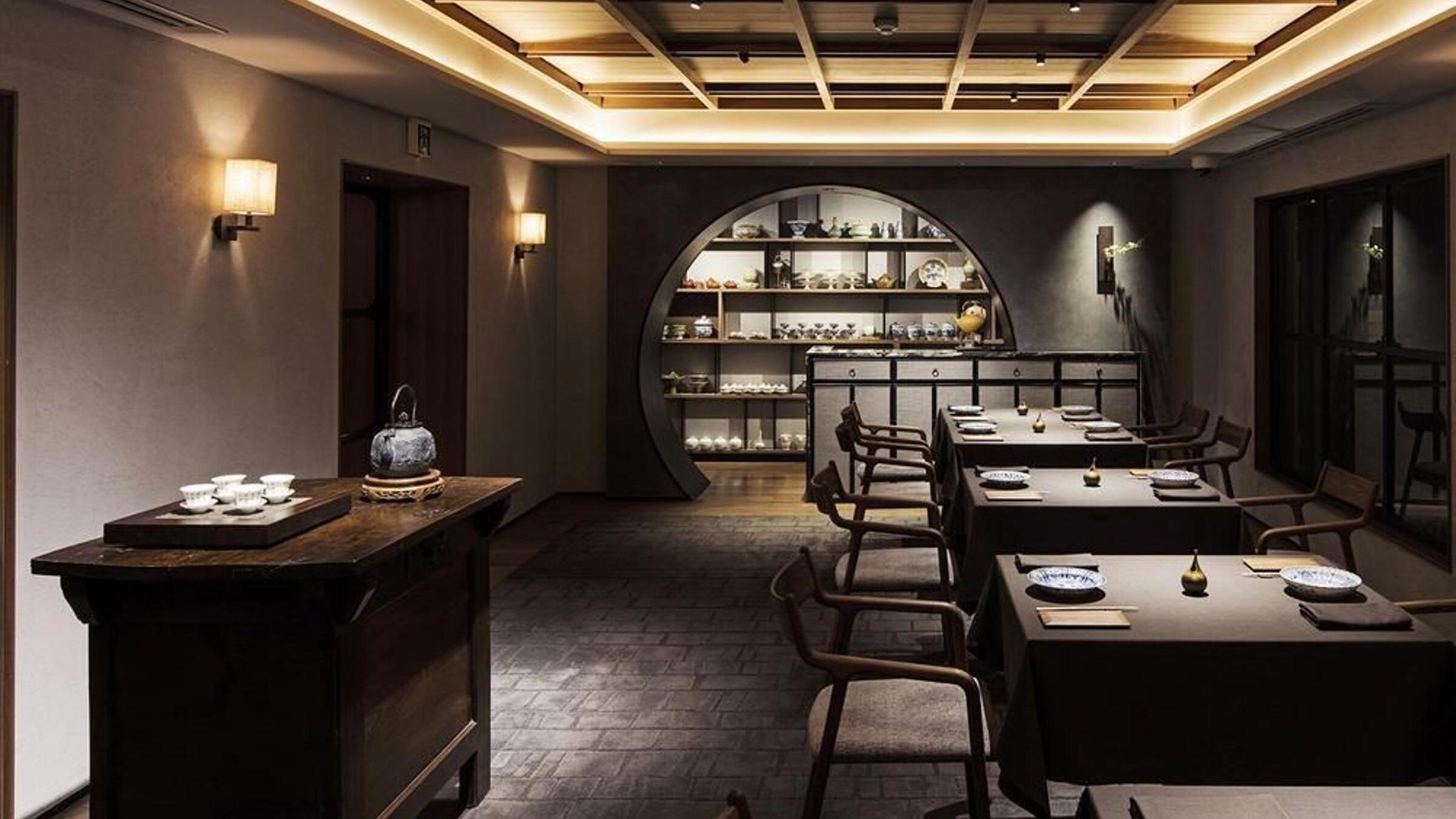
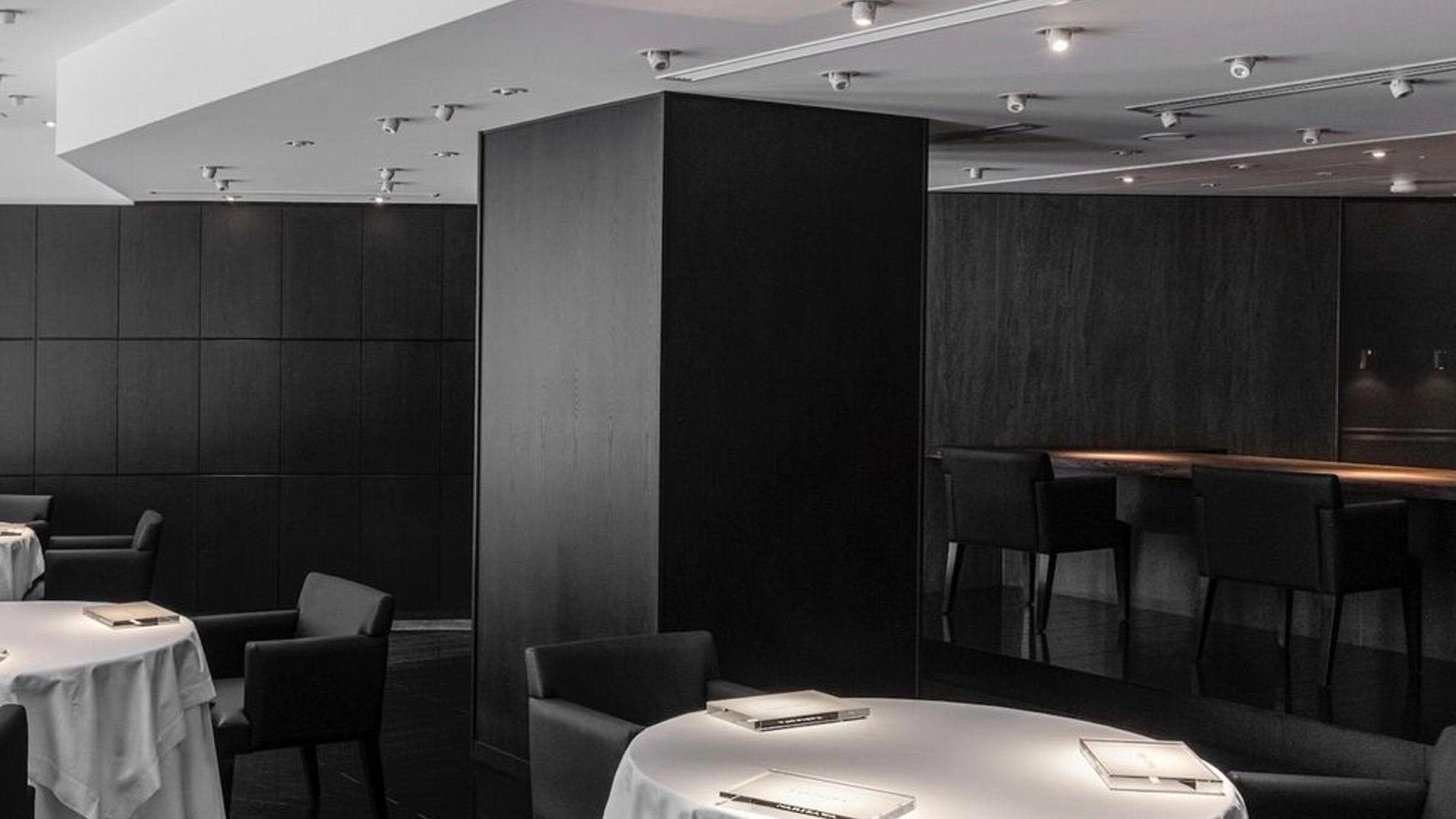
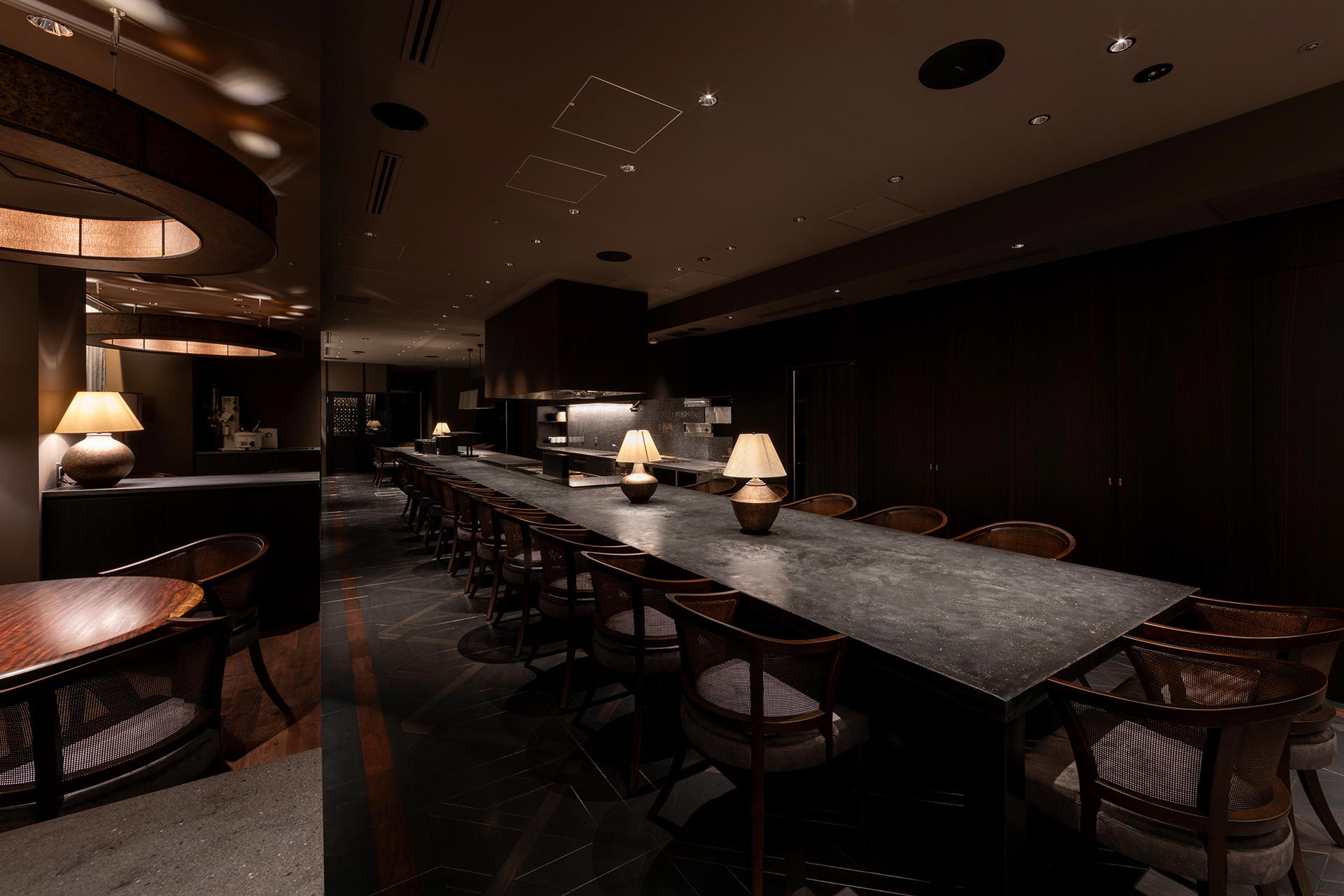






At a Glance
- Sophisticated
- Elegant
- Intimate
- Classic
- Special Occasion
- Celebration
- Business Dinner
- Date Night
- Chefs Counter
- Design Destination
- Standalone
- Sake Program
- Extensive Wine List
- Sommelier Led
- Sustainable Seafood
- Local Sourcing
Private, refined, and art-forward, with a detached-entry feel, counter seating, seasonal flowers, and a hushed omotenashi-driven atmosphere.