
Tabelog 100 #44
Our verdict
Kamon places Tokyo teppanyaki in a hotel dining frame: measured service, counter cooking, wine support, and a room high above Hibiya. Its Tabelog 100 selection for Steak / Teppanyaki EAST in 2025 signals a serious address for travelers comparing daytime value against a more formal evening spend.

Pearl is the En Primeur Club membership app, where members save venues, book tables and use the concierge.
The menu
What to order
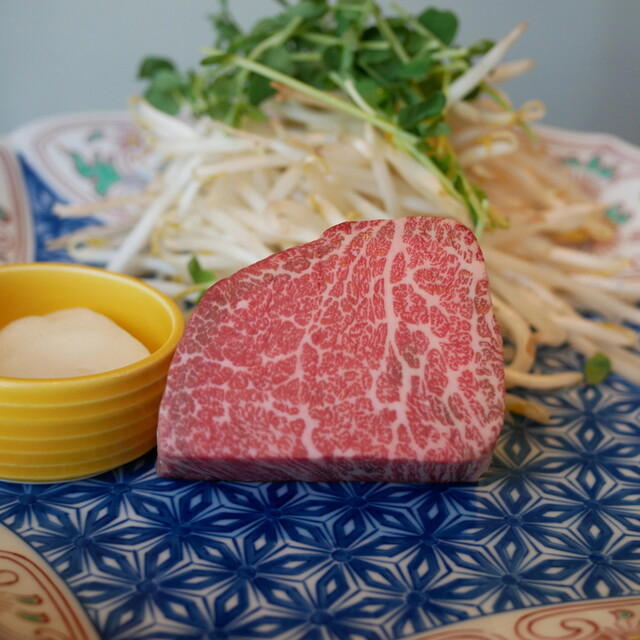
- Premium Japanese Wagyu beef teppanyaki
- Lobster and abalone teppanyaki courses
- Seasonal teppanyaki vegan course
Arriving at a Tokyo teppanyaki counter changes the rhythm of the meal before the first plate appears. The city outside is dense and fast-moving, but the dining room format slows that down into the grammar of polished steel, chef-facing seats, controlled heat, and a composed setting. Tokyo has many ways to eat beef; teppanyaki is the version that makes timing visible.
That visibility matters. Teppanyaki can be misunderstood abroad as performance dining, but in Tokyo’s higher tier it is closer to a controlled service language: ingredients are portioned in front of the guest, doneness is managed in increments, and the room’s pace is set by the grill rather than by the kitchen pass. Kamon belongs to that more formal school. Its Tabelog Hyakumeiten 2025 recognition in the steak and teppanyaki category places it among recognized rooms in that field, a useful signal in a category where polish and ingredient quality often sit in close competition.
Daylight value and evening ceremony on the Tokyo grill
The useful way to read Kamon is through the split between lunch and dinner. Lunch in Tokyo often functions as an access point: shorter, brighter, more efficient, and easier to fit around a busy city schedule. Dinner moves the same format into a more deliberate register, with the counter carrying more of the evening’s weight and the occasion itself becoming a larger part of the decision.
This divide is not just about spending more after dark. It changes the room’s social purpose. A daytime teppanyaki meal can suit a business lunch, a family meal, or a visitor who wants the format without committing the whole evening. Dinner suits the guest who wants the theatre of the grill to anchor the night, particularly in a composed Tokyo setting where the meal can feel insulated from the surrounding city. The price bands reinforce that distinction, with lunch listed at JPY 6,000 - JPY 7,999 and dinner at JPY 15,000 - JPY 19,999.
Tokyo’s dining culture also shapes the expectation. Les Saisons represents the French grand-restaurant lane, while Old Imperial Bar and THE IMPERIAL LOUNGE AQUA cover the city’s classic drinking grammar. Kamon occupies a different position: less about Western formality, more about Japanese counter control, but still within the same broader idea of composed hospitality. That makes it a useful choice for travelers who want Tokyo specificity without the sharper edges of a tiny independent counter.
Teppanyaki as a Tokyo hotel language, not a novelty act
The stronger teppanyaki rooms in Tokyo do not rely on noise. They rely on proximity. Counter seating turns the grill into both kitchen and stage, but the better reading is technical rather than theatrical: heat management, sequence, resting, and the handling of steak in front of the guest. Kamon’s listing identifies it in the steak and teppanyaki categories, which is the important frame for understanding the meal. It is a grill-led format rather than a generic luxury restaurant template.
The room’s role also changes the experience. This is not framed as a tiny, single-counter Tokyo format where scarcity is the central drama. It is better understood as a polished teppanyaki restaurant built for more than one occasion: family meals, visiting guests, business entertaining, and evening dining shaped around the grill. That flexibility gives it a different kind of usefulness. It can suit a wider range of diners than more austere chef-counter rooms, while retaining enough format discipline to sit credibly within Tabelog-recognized steak and teppanyaki dining.
For comparison within Tokyo’s broader dining map, Torakuro sits in a Japanese fine-dining lane, Les Saisons in French, and Imperial Buffet Sal in the buffet tradition. Kamon’s point is narrower: heat, timing, counter exchange, and the guest’s choice between efficient lunch and more ceremonial dinner. That specificity is why the venue works better as part of a Tokyo dining plan than as a generic luxury meal. It answers a precise question: where can a traveler find polished teppanyaki in Tokyo without surrendering the meal to either spectacle or extreme reservation theatre?
How to place it in a Tokyo itinerary
Tokyo is practical for dining because it can support both business-focused meals and leisure-led evenings within the same day. A teppanyaki lunch can be folded into a packed schedule, while dinner can become the anchor of the night. For readers mapping a broader trip, Our full Tokyo restaurants guide gives the wider restaurant context, while Our full Tokyo hotels guide, Our full Tokyo bars guide, Our full Tokyo wineries guide, and Our full Tokyo experiences guide help separate dining from the rest of the city’s planning demands.
Tokyo also rewards contrast. A polished grill reads differently when set against casual counters, specialist dining rooms, and faster everyday meals elsewhere in the city. For a wider Japan itinerary, beef and grill formats can be cross-read against other regional approaches to steak, counter cooking, and occasion dining, while more casual detours show how different the same broad Japanese dining vocabulary can feel outside a formal teppanyaki setting. Outside Japan, Japanese-inspired formats can also show how much changes when the service culture is removed from Tokyo’s dense restaurant environment.
The editorial call is simple: choose lunch for value and schedule control; choose dinner when the grill and the room are meant to carry the evening. Kamon is not the choice for diners chasing a tiny counter with cult scarcity. It is the choice for a composed Tokyo teppanyaki meal, backed by Tabelog Hyakumeiten 2025 recognition and useful across more occasions than many narrower specialist rooms.
Frequently asked questions
Is Kamon more mid-range or high-end?
Pricing at Kamon is listed as Dinner: JPY 15,000 - JPY 19,999; Lunch: JPY 6,000 - JPY 7,999.
Where do I go for Kamon?
Tokyo.
How hard is it to get a table at Kamon?
Kamon has Tabelog Hyakumeiten 2025 recognition in the steak and teppanyaki category, so booking ahead is sensible for preferred dates and times.
What is Kamon known for?
Kamon is known for teppanyaki and steak in Tokyo, with Tabelog Hyakumeiten 2025 recognition.
Reputation First
Nearby venues at a similar price tier for orientation.
| Venue | Cuisine | Price | Awards | Notes |
|---|---|---|---|---|
| KamonThis venue (the venue you are viewing) | Modern Wagyu-focused Teppanyaki in Imperial Hotel Tokyo | $200–300 | Tabelog 100 #44 | Not listed |
| Mon cher ton ton (六本木 モンシェルトントン) | Kobe Beef Teppanyaki | Not listed | Tabelog 100 #69 | Roppongi |
| Japanese Restaurant "Ginza Tsuru" Tokyo / Wagyu Shabu-shabu & Sukiyaki | Japanese Wagyu Shabu-Shabu & Sukiyaki | $150–200 | Not listed | Chūō |
| 鮨 和美 | Edomae Omakase | $200–300 | Not listed | Minato |
| 鮨処 やまと | Edomae Sushi Omakase | $200–300 | Michelin Plate | Chūō |
| 福鮨 | Hokkaido-style Omakase Sushi | Not listed | Not listed | Minato |
Recognition history
Dated appearances from independent guides and award organizations, with the underlying list record or original source where available.
Tabelog 100 #44 · No. 44
Tabelog · Tabelog 100 - Steak / Teppanyaki - EAST - 2025
Continue exploring
More in Tokyo
Restaurants in Tokyo
All restaurants in Tokyo →


Bars in Tokyo
All bars in Tokyo →

Details
- Elegant
- Sophisticated
- Modern
- Romantic
- Well Known
- Business Dinner
- Celebration
- Special Occasion
- Date Night
- Group Dining
- Chefs Counter
- Open Kitchen
- Private Dining
- Design Destination
- Hotel Restaurant
- Historic Building
- Extensive Wine List
- Sake Program
- Skyline
- Tasting Menu
- Set Menu
- Counter Dining
- Wine
- Sake
- Whisky
- Vegetarian Friendly
- Vegan Options
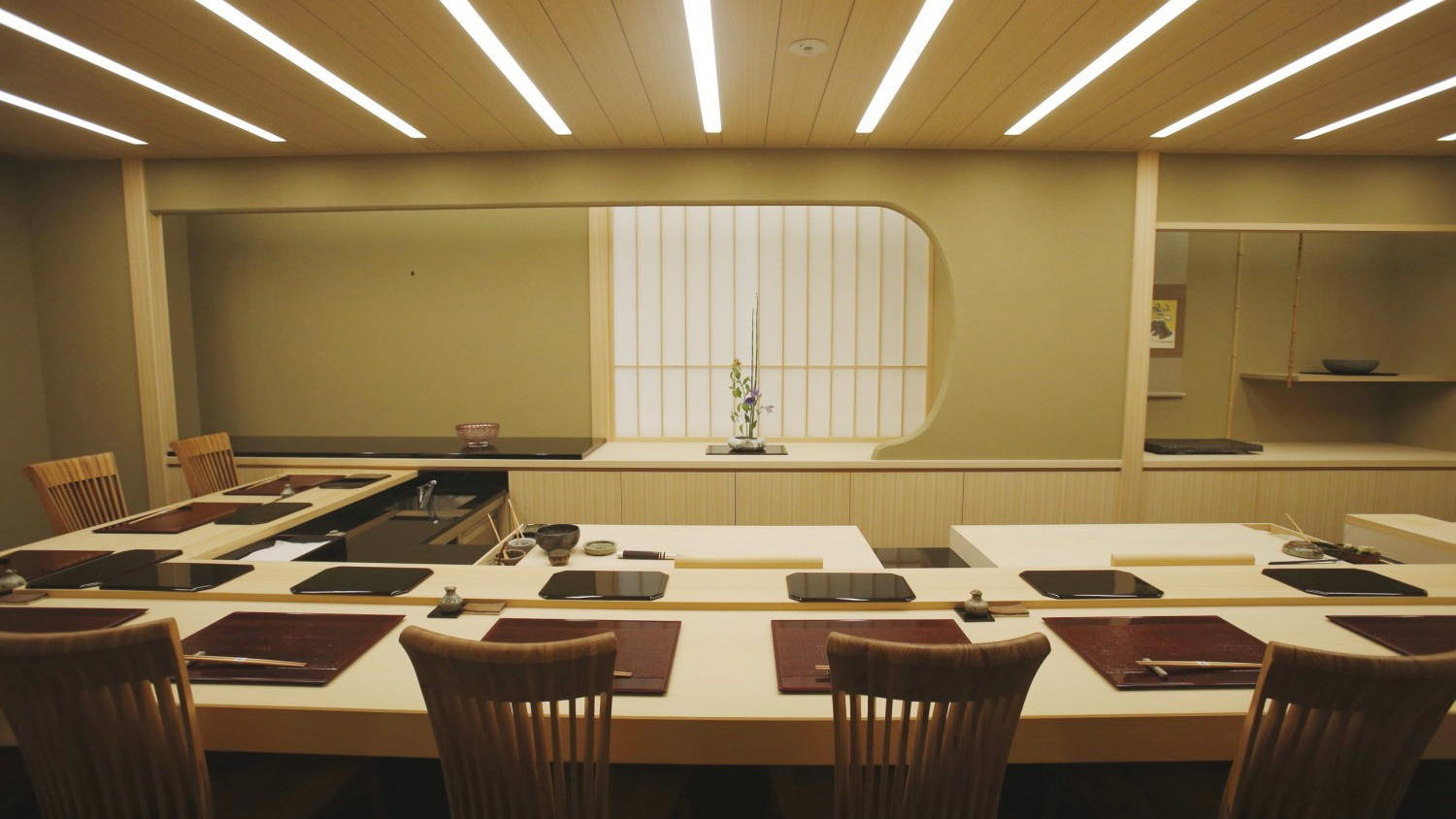
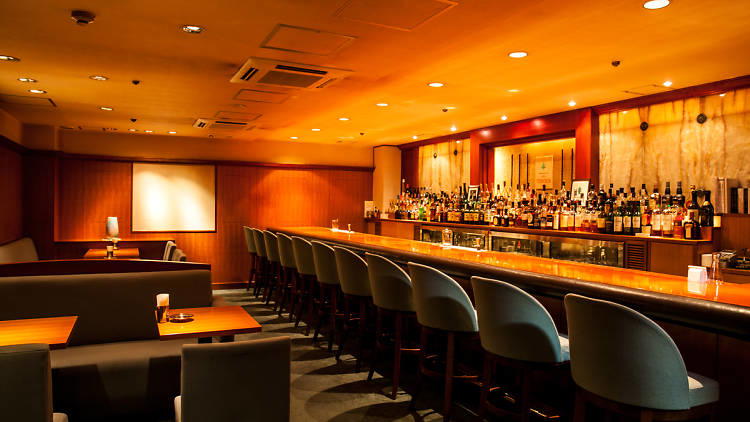
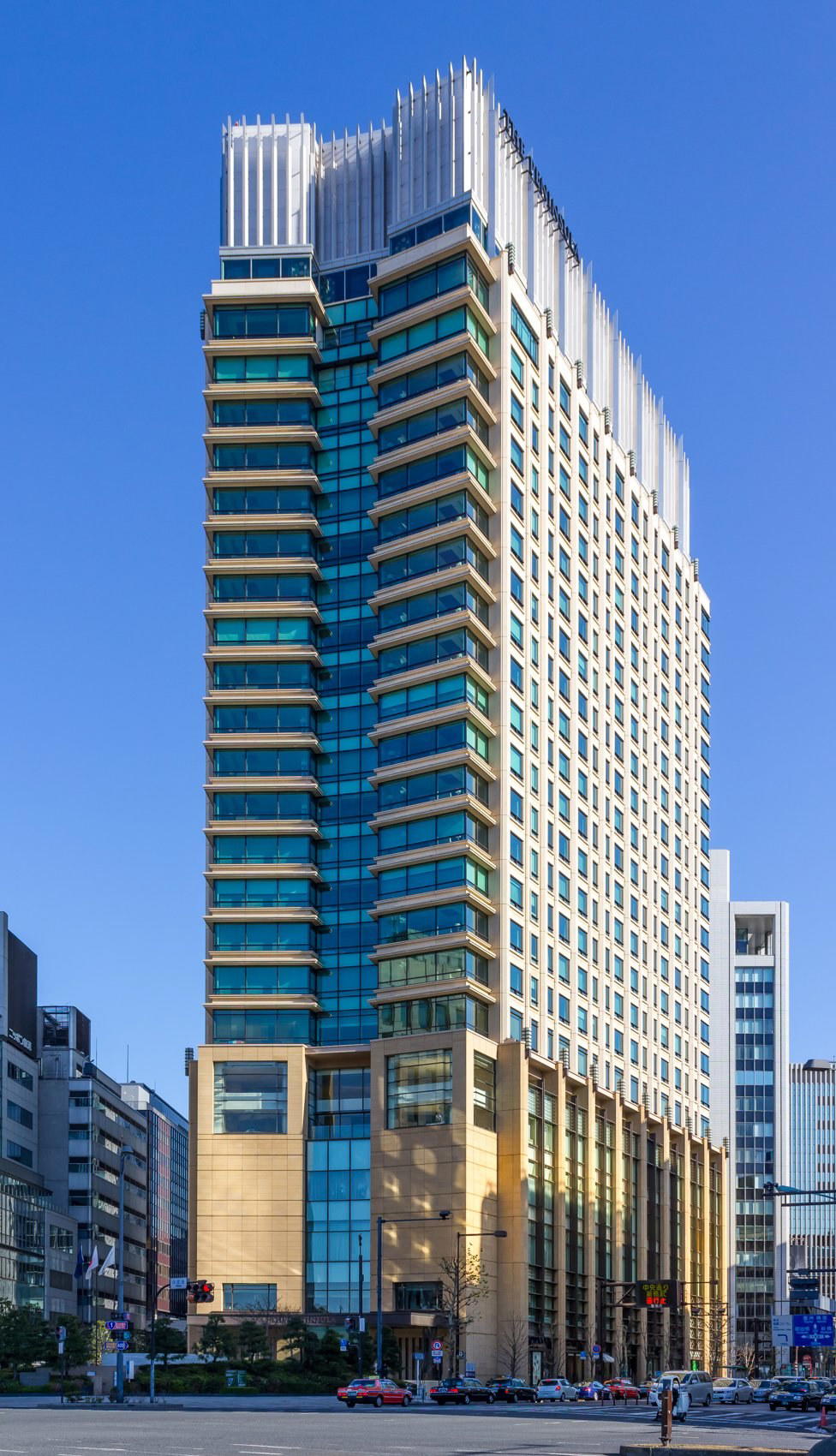
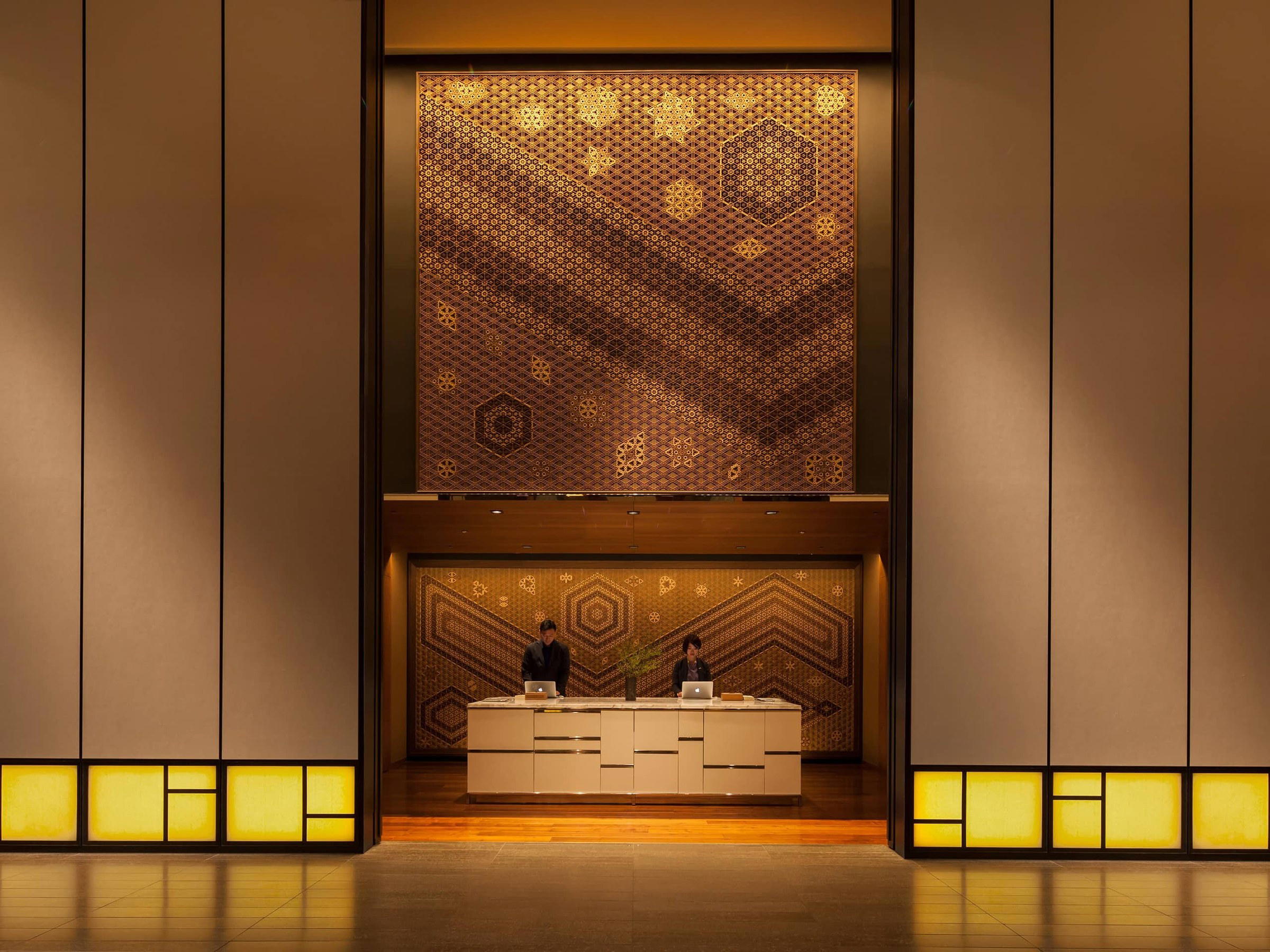
Refined hotel-teppanyaki setting on the 17th floor with counter-focused seating, dramatic lighting and art that blend traditional Japanese motifs with Western glass etching, creating an intimate yet spacious feel suited to celebrations and business dining.