
Sushi Sho Yotsuya belongs to Tokyo’s serious Edomae sushi conversation, with Tabelog Award Silver recognition through 2026 and selection for Tabelog Sushi TOKYO 100 in 2025. Its appeal is not spectacle but discipline: Japanese seafood handled through aging, seasoning, rice temperature, and counter timing, in a compact Yotsuya setting that rewards diners already fluent in sushi’s quieter signals.
Pearl is the En Primeur Club membership app — saves, bookings, and concierge access live there. Same editors, same standards.
- Address
- 東京都新宿区四谷1-11 陽臨堂ビル 1F
- Phone
- +81333516387
- Website
- tabelog.com
 Saves & bookings on Pearl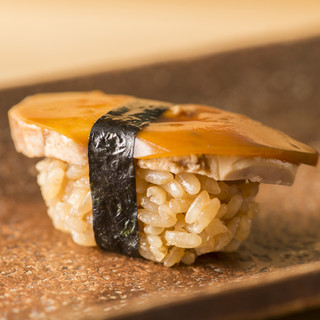
Yotsuya shifts register quickly: office blocks, old residential lanes, and restaurants confident enough not to need a Ginza address. In that setting, Sushi Sho Yotsuya belongs to a Tokyo sushi tier where the room is small, the counter matters, and the meal depends less on luxury cues than on sequencing, temperature, and the dialogue between fish and seasoned rice.
Tokyo’s Edomae tradition has always been local product shaped by technique. Its old logic came from preservation: curing, marinating, simmering, brushing, resting. The contemporary high-end counter has made those methods a language of precision, with Japanese seafood treated through aging and seasoning rather than served as plain raw fish. Sushi Sho Yotsuya sits inside that lineage, and its Tabelog profile explicitly frames the kitchen around fish and aged ingredients, a useful clue to how to read the experience.
A Yotsuya counter for Edomae technique rather than Ginza theatre
Ginza remains the international shorthand for expensive sushi, but Tokyo’s serious counters are not confined to that grid. Yotsuya has a different rhythm: less performative, more residential, with long-running specialists beside everyday shops. In the same district, Katsuretsu Yotsuya Takeda, Taiyaki Wakaba, and Sakamoto Ya point to a neighbourhood where narrow-format food businesses become destinations without behaving like luxury brands. Sushi Sho Yotsuya occupies the formal end of that spectrum.
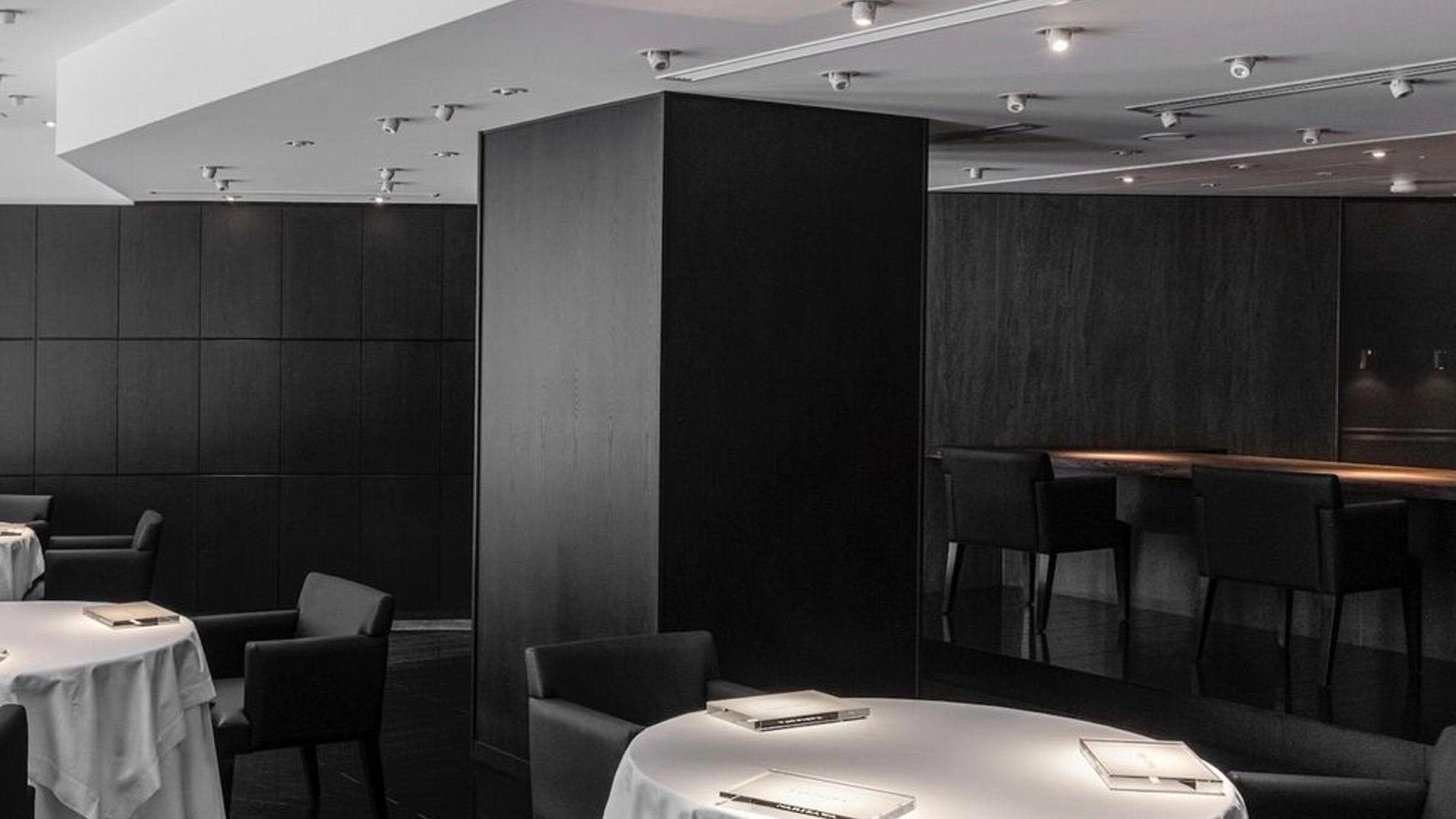
The format reinforces the point. Fourteen seats, 11 at the counter plus a small private-room component, place it in the low-capacity category that defines Tokyo’s serious sushi economy. This is not a room built for table turnover or broad menu choice. It is counter-led, where pacing and chef-side handling of each piece are part of the value. For readers comparing Tokyo dining styles, that puts it closer to omakase discipline than to à la carte seafood dining.
The recognition is material. The restaurant has been named a Tabelog Award Silver winner in multiple recent years, including 2026, and was selected for Tabelog Sushi TOKYO 100 in 2025. Tabelog’s sushi rankings are especially influential in Japan because they capture domestic diner attention at a level that often differs from international award circuits. A 4.44 score in this category signals a restaurant competing within Tokyo’s demanding sushi conversation, not merely a polished counter for visitors.
Local fish, imported expectation, Japanese control
Global appetite for omakase has changed how many travelers approach sushi. Outside Japan, the word often means a premium tasting format with a theatrical arc. In Tokyo, stronger counters tend to be less interested in performance than in control: rice temperature, seasoning, cut, aging, and the moment a piece is handed across the counter. That distinction matters here. The stated focus on fish, sake, shochu, and wine frames the meal around Japanese product and drink culture, while the format meets the international expectation of a composed counter sequence.
Edomae sushi is not about adding more, but intervening at the right point. Aging can concentrate texture and flavour; vinegar and salt can clarify rather than dominate; soy or nikiri can finish a piece without turning it into a condiment exercise. Those techniques are not imported, but they now answer a global audience trained to compare Tokyo sushi counters with tasting-menu restaurants in New York, London, Hong Kong, and Singapore. The restaurant’s relevance lies in that intersection: indigenous seafood culture presented with the rigour international diners associate with high-end Japanese dining.
That also makes it a poor choice for anyone who wants flexibility over the meal’s direction. The appeal is the counter’s judgment. Tokyo has many genres for improvisation, from yakitori to curry to kissaten culture; a sushi counter at this level asks the diner to accept a narrower exchange. For a broader view of how those categories sit across the city, Our full Tokyo restaurants guide is the better starting point, while nearby and category-adjacent contrasts can be found in 12/10 Shinjuku ten, 124. KAGURAZAKA (Yakitori), 3 Chome no Curry Ya San, and . 鮪と炭火焼き うお炭 秋葉原店.
How to place it within a Tokyo dining itinerary
The smart way to use a meal like this is not to stack it against another major sushi counter on the same day. Tokyo rewards contrast. Pairing counter-led Edomae with a looser neighbourhood lunch, specialist bar, or sweets stop gives a clearer read on the city than chasing prestige reservations. In Yotsuya, Taiyaki Wakaba and Sakamoto Ya nearby show the area’s scale: craft often appears in narrow, repeated gestures rather than grand dining-room theatre.
Travelers building a larger Japan route should keep that logic. The sushi counter is one expression of Japanese precision, not the whole story. A Kansai detour might compare different forms of restraint through [ki:] in Kyoto or.cafe in Osaka; a coastal or regional extension could shift the frame through -Grilled beef Sukiyaki- KAMAKURA TANUKIAN 鎌倉 たぬき庵 in Kamakura, (Shoku) Vietnam in Kawasaki.know in Kumamoto, and [Curry Senmon Ten] Maruyama Kyoju. in Sapporo.
For Tokyo, the better planning question is what role the evening should play. If the goal is a compact, technique-led sushi experience with domestic recognition, the restaurant makes sense. If the trip needs range around it, use Our full Tokyo bars guide, Our full Tokyo hotels guide, Our full Tokyo experiences guide, and Our full Tokyo wineries guide to avoid turning the itinerary into similar counters. For a transpacific comparison in Japanese drinking and casual formats, Jōdo Saké Bar in Los Angeles and Onigiri Time in Pasadena show how Japanese culinary ideas travel, simplify, and reassemble abroad. Tokyo’s lesson is sharper: the smallest room can carry the heaviest technique, if the counter knows exactly what to leave alone.
For a lighter Tokyo detour outside the sushi register, 2D Cafe sits at the opposite end of the city’s visual culture, where concept and design lead instead of knife work and rice. That contrast is useful. Sushi at this level is not merely expensive seafood; it is a compact demonstration of how Tokyo turns repetition, seasonality, and restraint into a dining form with international pull.
Cuisine and Credentials
Comparable venues for cuisine and category context.
| Venue | Cuisine | Price | Notes |
|---|---|---|---|
| Sushi Sho YotsuyaThis venue — the venue you are viewing | Sushi Sho-style Edomae Omakase | $$$$ | Not listed |
| Torioka | Premium Yakitori Omakase | $$$$ | Azabudai, Minato Ward |
| 神楽坂 石かわ | Michelin Three-Star Kaiseki Omakase | $$$$ | Shinjuku |
| Chidori | Chicken Omakase (Toriryori) Counter | $$$$ | Minato |
| Yakitori Hirako | Modern farm-to-table yakitori omakase | $$$$ | Minato |
| Taku | Michelin-Starred Edomae Sushi Omakase | $$$$ | Minato |
Recognition history
Dated appearances from independent guides and award organizations, with the underlying list record or original source where available.
Tabelog 100 #49 · No. 49
Tabelog · Tabelog 100 - Sushi - TOKYO - 2025













At a Glance
- Lively
- Intimate
- Classic
- Sophisticated
- Special Occasion
- Date Night
- Business Dinner
- Solo
- Celebration
- Chefs Counter
- Standalone
- Design Destination
- Sake Program
- Extensive Wine List
- Sustainable Seafood
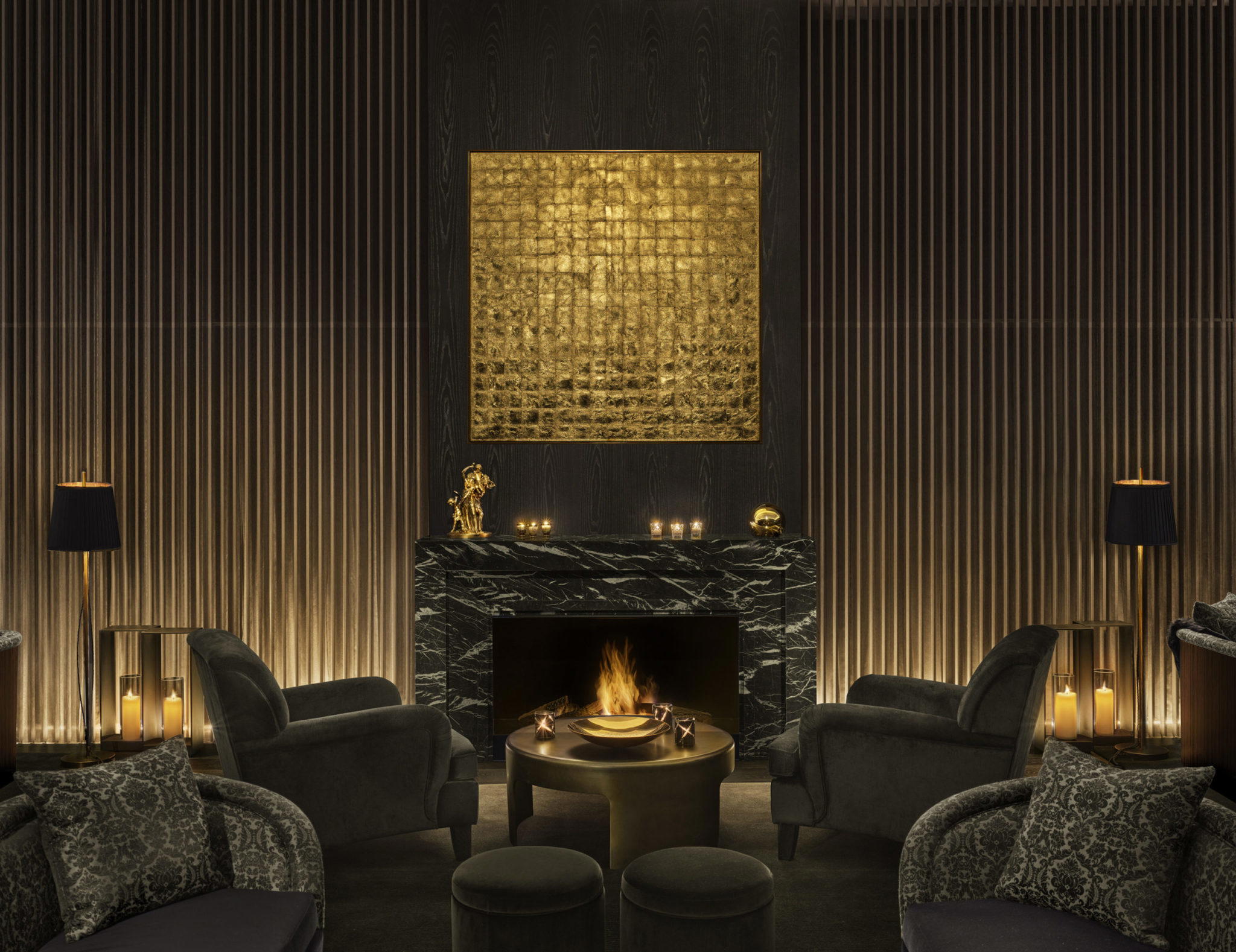
A compact, quietly polished sushi counter with warm wood, relaxed but energetic interaction between chef and guests, and a classic Edomae atmosphere that feels like an upscale neighborhood hideout rather than a formal temple of sushi.