Located on the fourth floor of GYRE in Omotesando, レラン (Reran) occupies a precise tier within Tokyo's high-end dining circuit. The Shibuya address places it among a comparable set defined by collaboration between kitchen, floor, and cellar rather than the singular chef-as-auteur model dominant elsewhere in the city. A considered choice for diners who weight service architecture alongside cuisine.
Pearl is the En Primeur Club membership app — saves, bookings, and concierge access live there. Same editors, same standards.
- Address
- Japan, 〒150-0001 Tokyo, Shibuya, Jingumae, 5 Chome−10−1 GYRE 4F
- Phone
- +81368038670
- Website
- lelan.jp
- Directions
- Get directions
 Saves & bookings on Pearl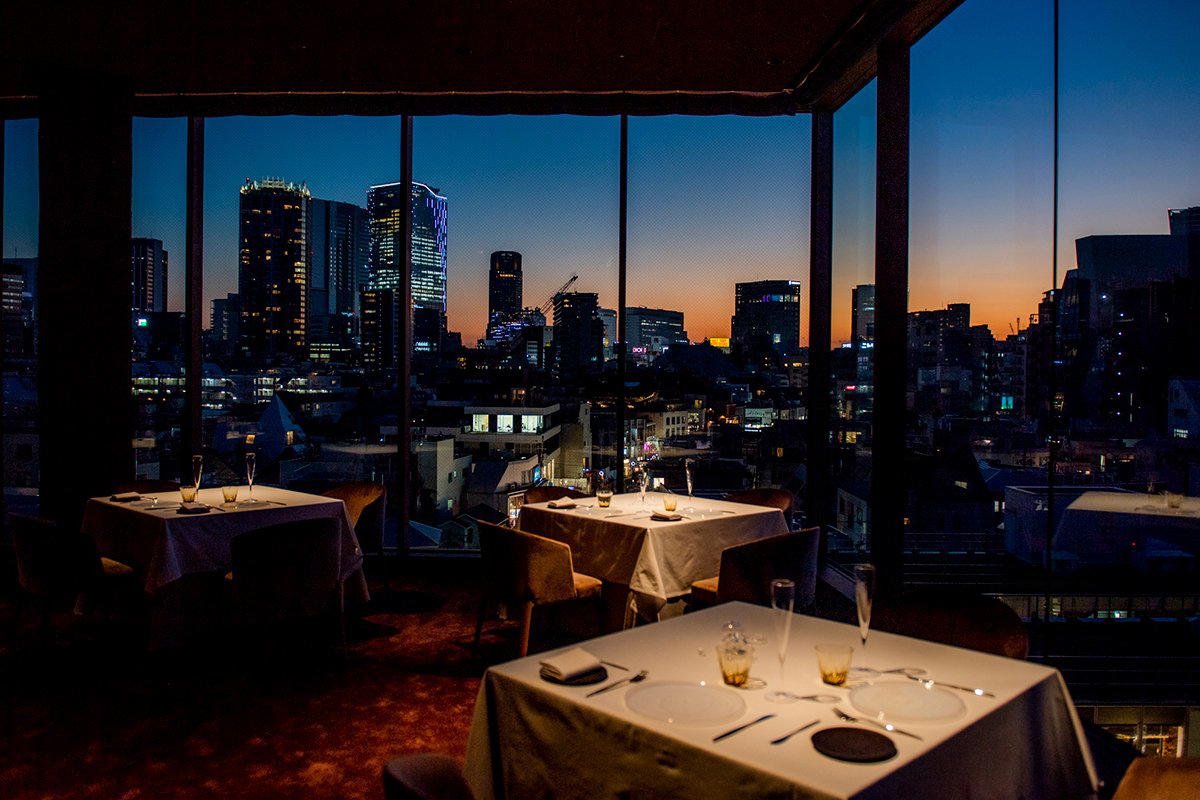
Omotesando's Dining Architecture and Where レラン Sits Within It
レラン is a modern French fine dining restaurant in Tokyo's Omotesando district, located on the fourth floor of GYRE at 5 Chome-10-1 Jingumae, Shibuya. The building's design-led setting shapes the restaurant's tone and audience.
Omotesando as a dining zone has evolved considerably over the past two decades. Where the neighbourhood once served primarily as a corridor between Harajuku street fashion and Aoyama gallery culture, its restaurant tier has consolidated into something more deliberate. The high-end French and contemporary Japanese houses here now compete less with each other than with the Ginza and Azabu-Juban establishments that attract the same reservation-holding audience. L'Effervescence in Nishi-Azabu and Sézanne in Marunouchi anchor one end of that peer group; レラン's GYRE address puts it in conversation with both.
The Team Dynamic as Dining Philosophy
Tokyo's top tier has long rewarded the chef-as-singular-genius model, the kind of establishment where a single name on the door concentrates critical attention and determines everything from plating geometry to reservation scarcity. That model produced extraordinary results at counters like Harutaka in Ginza and kaiseki houses such as RyuGin in Roppongi, where the chef's sensibility is the product being sold as much as the food itself.
A smaller cohort of Tokyo's serious restaurants has moved in a different direction, treating the collaboration between kitchen, sommelier, and front-of-house as the actual design of the experience rather than a support structure for a named chef. レラン belongs to this second model. A restaurant positioned at this address and in this building makes an implicit argument: the floor matters as much as the kitchen. The pacing of a meal, the moment a glass is topped without interruption, the degree to which the room reads the table's energy and adjusts accordingly, these are the products of sommelier and front-of-house training that runs parallel to the kitchen's ambitions, not subordinate to them.
This approach has international precedents. Le Bernardin in New York built its reputation partly on exactly this dynamic, with the service and wine programs treated as co-equal pillars rather than finishing touches. More recently, Atomix, also in New York, has made the front-of-house a vehicle for narrative and education that extends rather than merely supports the kitchen's output. レラン's GYRE context suggests a similar orientation: the building demands venues that think in totality.
Positioning Within Tokyo's Contemporary Dining Circuit
Tokyo rewards specialisation, and its dining map is leading read as a set of nested categories rather than a single hierarchy. Sushi counters operate by their own internal logic. Kaiseki houses answer to a tradition with centuries of formal precedent. The French and contemporary European segment, where venues like Crony have carved out a younger, more experimental register, is actively contested space in the city right now.
レラン's Omotesando location places it adjacent to but distinct from both the Ginza luxury corridor and the Azabu-Juban neighbourhood that has attracted much of Tokyo's newer fine dining ambition. The GYRE address carries its own credential: the building selects for tenants with design and cultural coherence, which functions as a soft form of curation before a guest has read a single review. For diners building a Tokyo itinerary that moves between restaurants, the GYRE fourth floor is a logical anchor point in the Omotesando half-day.
For those planning broader Japan itineraries, the same sensibility that makes レラン worth attention in Tokyo has regional equivalents: HAJIME in Osaka operates in a similarly concept-heavy contemporary register, while Gion Sasaki in Kyoto and akordu in Nara each represent their city's answer to the question of what serious contemporary dining looks like outside the capital. In Fukuoka, Goh is the equivalent reference point. Venturing further, restaurants like 一本木 奈加川制 in Nanao, 夕佳亭山乃 in Sapporo, 湖畔荘 in Takashima, 庭羽屋 in Nishikawa Machi, Birdland in Sakai, and Bistro Ange in Toyohashi together map out a Japan dining circuit that extends well beyond the standard three-city loop.
Planning a Visit
GYRE sits at 5 Chome-10-1 Jingumae in Shibuya, a three-minute walk from Omotesando station on the Ginza, Chiyoda, and Hanzomon lines. The building's fourth floor is accessible by elevator from the ground-floor entrance.
Awards and Standing
Comparable venues nearby, for context on price, style, and recognition.
| Venue | Cuisine | Price | Notes |
|---|---|---|---|
| レランThis venue — the venue you are viewing | Modern French Fine Dining | $$$$ | Not listed |
| フィリップ・ミル 東京 | Modern French Fine Dining | $$$$ | Minato |
| Cuisine Michel Troisgros | Contemporary French Fine Dining | $$$$ | Shinjuku |
| ボンシュマン | Modern French with Japanese Influences | $$$$ | Meguro |
| ジョエル・ロブション | Modern French Fine Dining | $$$$ | Shibuya |
| French Kitchen | Classic French Bistro | $$$$ | Minato |











At a Glance
- Elegant
- Sophisticated
- Modern
- Date Night
- Special Occasion
- Open Kitchen
- Sake Program
- Local Sourcing
- Street Scene
Current opening hours
- Monday
- Closed
- Tuesday
- 6–8:30 PM
- Wednesday
- 6–8:30 PM
- Thursday
- 6–8:30 PM
- Friday
- 6–8:30 PM
- Saturday
- 6–8:30 PM
- Sunday
- Closed
Hours can change for holidays and private events. Last verified .
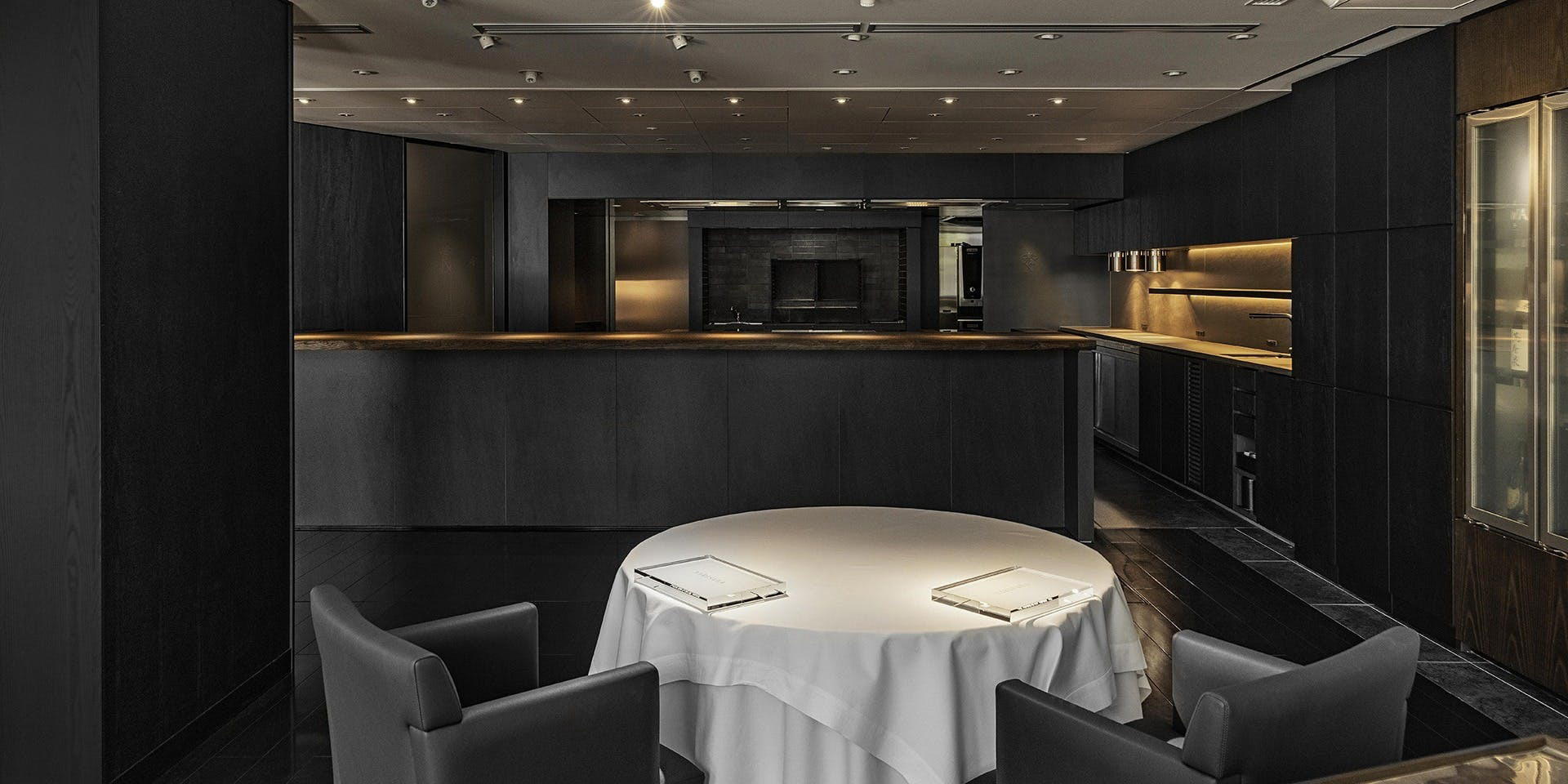
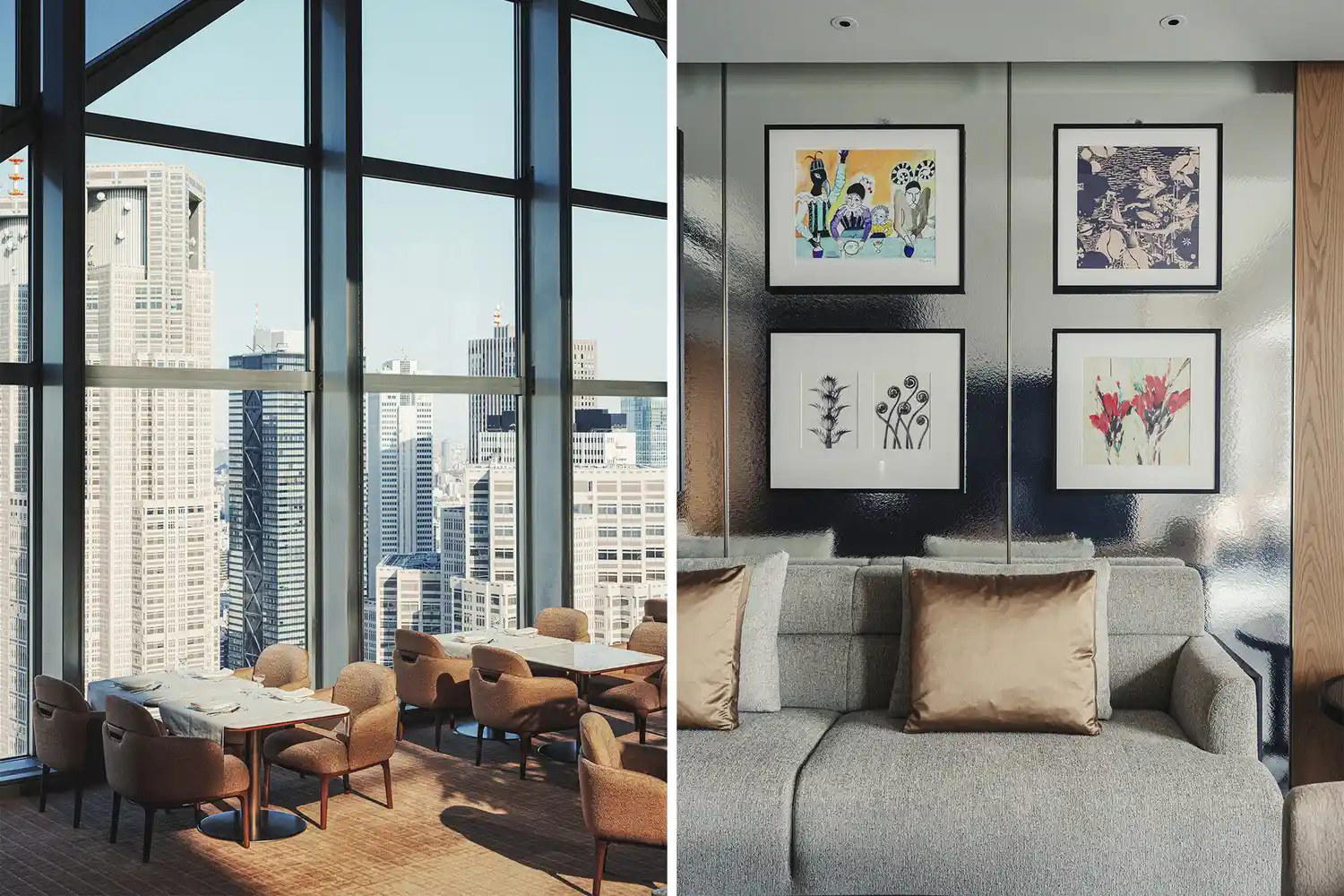
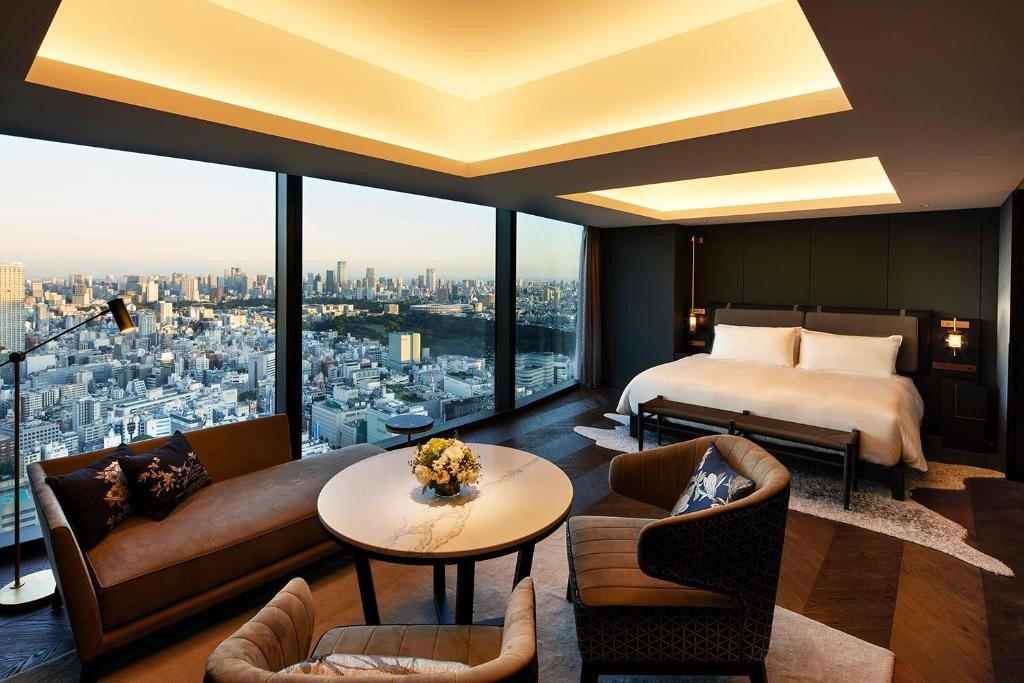
Spacious interior with large windows offering openness and natural light, elegant and sophisticated atmosphere.