ボンシュマン occupies a quiet residential address in Meguro's Gohongi district, sitting at a remove from the dense dining corridors of central Tokyo. The surrounding neighbourhood frames the experience before you reach the door: this is a pocket of the city where restaurants earn their reputation on repeat local custom rather than foot traffic. Visitors planning an evening here should confirm hours and reservations directly, as operational details are not widely published.
Pearl is the En Primeur Club membership app — saves, bookings, and concierge access live there. Same editors, same standards.
- Address
- Japan, 〒153-0053 Tokyo, Meguro City, Gohongi, 2 Chome−40−5 Beat101
- Phone
- +815054870953
- Website
- bonchemin.com
- Directions
- Get directions
 Saves & bookings on Pearl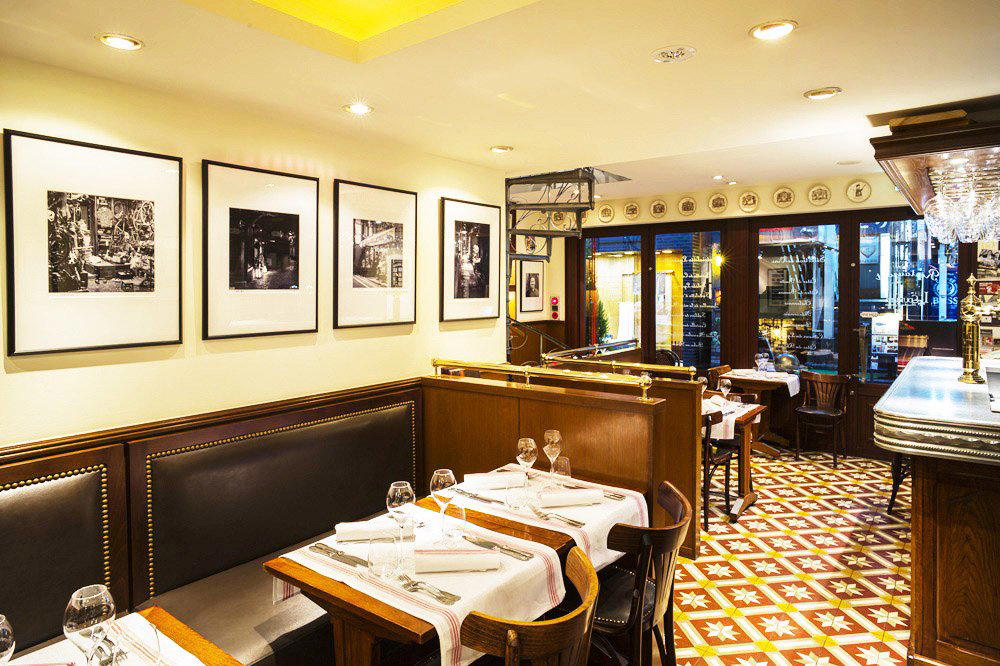
Gohongi's Quiet Register
Meguro City's Gohongi district occupies a frequency that most visitors to Tokyo never tune into. The area sits south of the Yamanote loop's obvious anchors, away from the galley-style dining streets of Ebisu or the tasting-menu corridors of Minami-Aoyama, in a residential fabric where restaurants succeed through neighbourhood loyalty rather than tourism. It is the kind of address that rewards the traveller who has already worked through the obvious lists and is now following a different signal. ボンシュマン is a restaurant in Gohongi, Meguro City, Tokyo, at 2 Chome-40-5 Beat101.
Tokyo's dining geography has always had this quality: for every three-Michelin-star counter commanding international attention in Ginza or Roppongi, there are a dozen smaller rooms in residential wards that hold the daily confidence of the neighbourhood. The Gohongi tier is different. The friction is lower, the audience is local, and the relationship between a restaurant and its block often runs years deep before a wider audience notices. That dynamic produces a particular kind of room, unfussy in presentation, precise in execution, with a quality ceiling that can surprise.
Approaching the Address
The sensory experience of Gohongi begins on the walk in. The ward retains more of pre-bubble Tokyo's residential density than the polished precincts closer to the city centre: narrower streets, lower rooflines, the smell of evening cooking mixing with rain on concrete. Arriving at an address like Beat101, a building designation rather than a named landmark, you are navigating by proximity and attention rather than by signage. This is not unusual for Tokyo's mid-tier neighbourhood dining, where the absence of a marquee exterior is a kind of assurance: the room is not performing for the street.
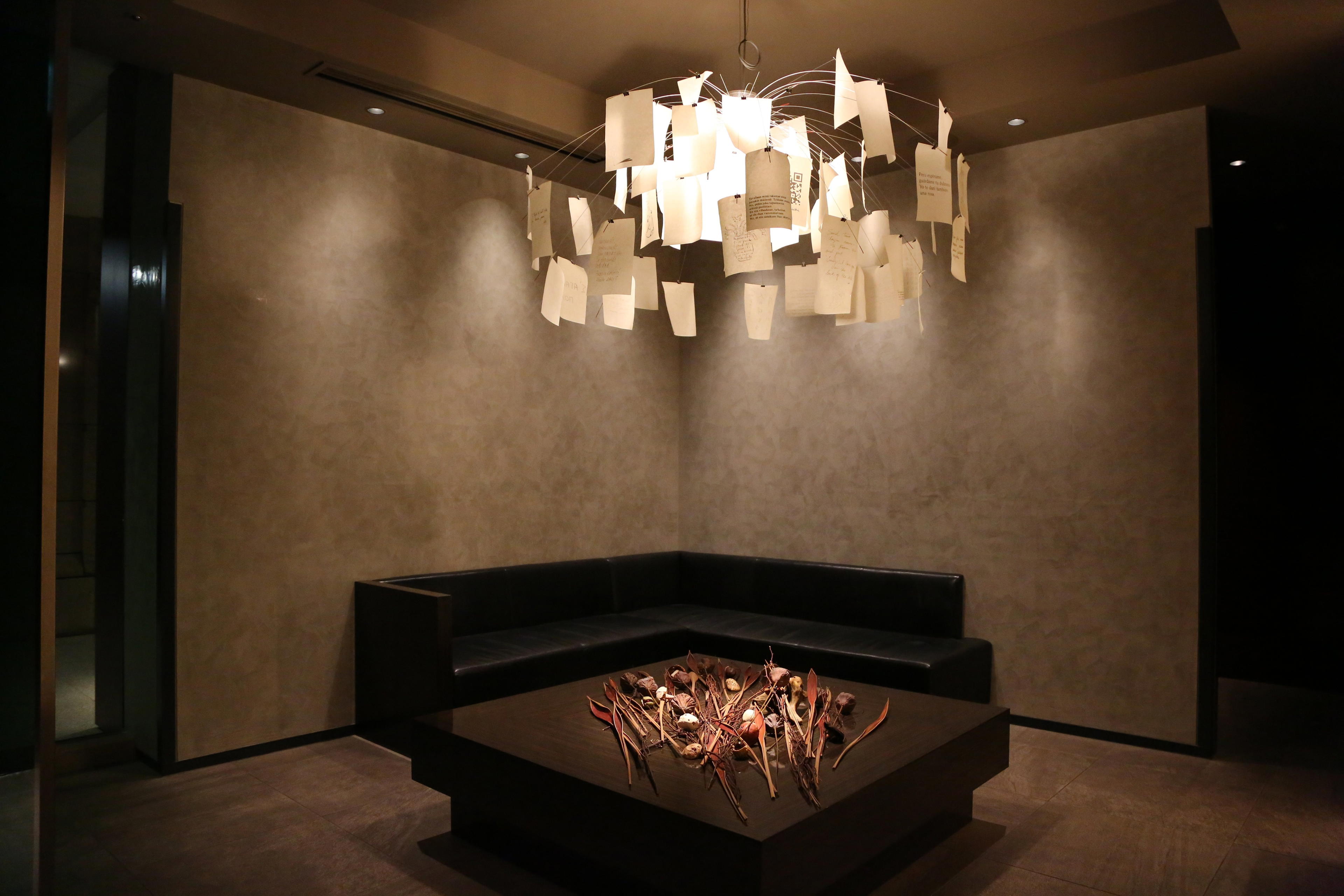
Inside, the atmosphere of a place in this category typically builds through restraint. Gohongi's restaurant rooms tend toward compact seating, warm light, and a sound level calibrated to conversation rather than ambient production. The neighbourhood's character is closer to the quiet confidence of a good Parisian bistro in the 11th than to the theatrical minimalism of kaiseki rooms in central Tokyo. That comparison holds for the experience of arrival and settling: the room does the work without announcing itself.
Where ボンシュマン Sits in Tokyo's Dining Conversation
Tokyo's restaurant offering has stratified sharply over the past decade. At the leading, omakase sushi counters and kaiseki rooms like RyuGin or the Franco-Japanese formats of Sézanne command the international booking conversation. A generation of kitchens practising innovative, cross-reference cooking, places like Crony, has established a confident mid-tier that operates on chef reputation and format. Below and beside that tier, neighbourhood rooms in wards like Meguro do the actual work of feeding the city's residents, and some of them deserve the same critical attention.
ボンシュマン's published data is spare: no cuisine classification, no listed price range, no awards on record. That absence, in a city where Michelin guides and Tabelog scores circulate as shorthand for quality, is itself contextual information. The venue has not been positioned through institutional recognition, which places it in a category of restaurant that Tokyo produces in quantity, rooms that operate on local word of mouth, repeat custom, and a quality of cooking that does not require external validation to hold its audience. Whether that reflects a deliberate posture or simply a room that has not yet attracted the attention of the relevant bodies, the reader cannot know from data alone. What the Gohongi address signals is that the experience is rooted in the neighbourhood rather than addressed to a wider audience.
For comparison, Japan's most formally recognised rooms, HAJIME in Osaka, Gion Sasaki in Kyoto, Goh in Fukuoka, akordu in Nara, operate within explicit institutional frameworks that shape expectations before you sit down. A room in Gohongi with no listed awards arrives without that scaffolding. The experience is determined entirely by what is on the plate and in the room, which is a different kind of pressure and, for some diners, a different kind of pleasure.
Planning a Visit
The practical reality of visiting ボンシュマン requires more legwork than a listed Michelin address. For visitors coming in from central Tokyo, the Meguro area is accessible via the Tokyu Toyoko and Meguro lines, with Gohongi a short walk from the nearest stations. The neighbourhood rewards arriving slightly early and walking: the streets between the station and the address give you Gohongi's residential character before you enter, which is part of how this kind of room earns its atmosphere. Dress code is smart casual. Tokyo's neighbourhood restaurants in this district do not typically enforce formality, but the evening cooking at this level usually sets its own tone about what you bring to the table.
That week might also include 湖麺屋 in Takashima, 庭羽屋 in Nishikawa Machi, Birdland in Sakai, Bistro Ange in Toyohashi, or bodai in 那智勝浦町, rooms where the draw is the specific, local commitment of a kitchen rather than a globally legible credential. The contrast with more formally positioned rooms, including Blue Ocean Steak in Nakagami District, is part of what makes that week instructive. For reference across other global cities, the dynamic of neighbourhood rooms operating outside institutional recognition has parallels at the level of Atomix in New York City or Le Bernardin, though the market context differs significantly.
Comparable Spots
Comparable venues nearby, for context on price, style, and recognition.
| Venue | Cuisine | Price | Notes |
|---|---|---|---|
| ボンシュマンThis venue — the venue you are viewing | Modern French with Japanese Influences | $$$$ | Not listed |
| フィリップ・ミル 東京 | Modern French Fine Dining | $$$$ | Minato |
| SOMBREUIL TOKYO | Classic French fine dining in a Tokyo mansion | $$$$ | Chiyoda |
| シグネチャー | Modern French Fine Dining | $$$$ | Chūō |
| ル スプートニク | Modern French Tasting Menu | $$$$ | Minato |
| YAWYE | Modern French with Japanese influences | $$$$ | Minato |












At a Glance
- Elegant
- Cozy
- Intimate
- Sophisticated
- Date Night
- Special Occasion
- Private Dining
- Sake Program
- Local Sourcing
Current opening hours
- Monday
- 12–3 PM, 6–11 PM
- Tuesday
- Closed
- Wednesday
- Closed
- Thursday
- 12–3 PM, 6–11 PM
- Friday
- 12–3 PM, 6–11 PM
- Saturday
- 12–3 PM, 6:30–11 PM
- Sunday
- 12–3 PM, 6:30–11 PM
Hours can change for holidays and private events. Last verified .
Clean white-based interior with fresh impression, cute ornaments, and colorful murals for visual enjoyment.