Our verdict
Joel Robuchon at Ebisu Garden Place has anchored Tokyo's French fine dining tier since 1994, making it one of the earliest European restaurant-hotel concepts to take root in the city.

Pearl is the En Primeur Club membership app, where members save venues, book tables and use the concierge.
The menu
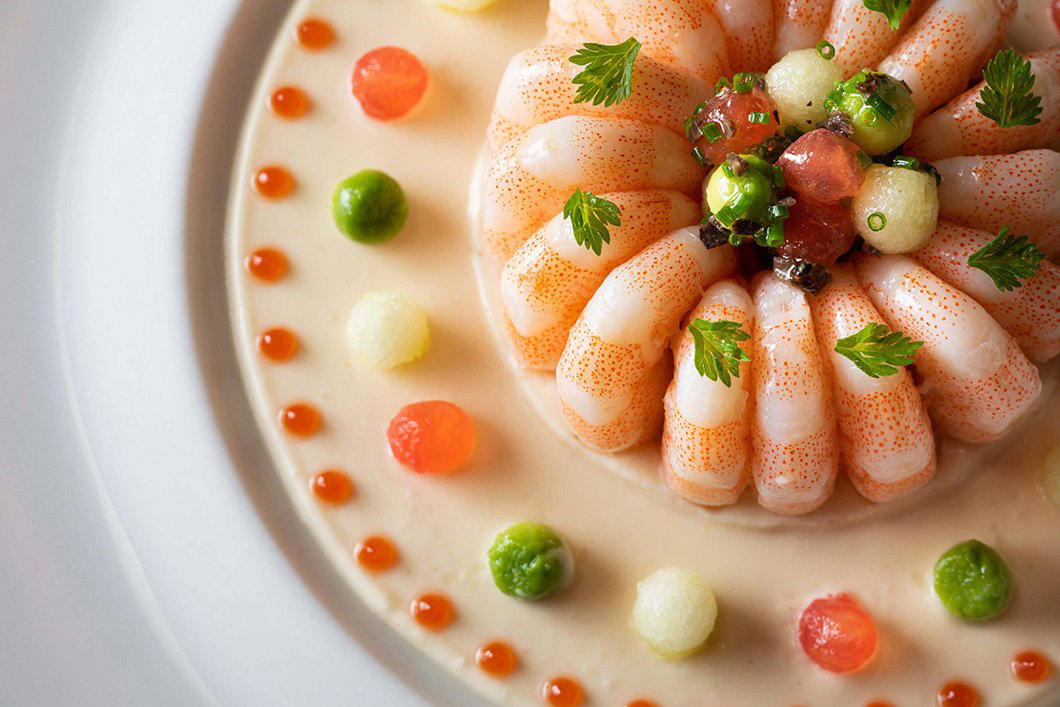
What to order
- L'Amuse Bouche
- じゃがいものピュレ
- Sea Urchin with delicate crustacean jelly
- Pan Fried Amadai
Tokyo's French Dining Tier and Where Robuchon Sits Inside It
When Joël Robuchon opened at Ebisu Garden Place in 1994, Tokyo's luxury French restaurant scene was a different proposition. European chefs operating flagship outposts in Japan was rare, and the city's capacity for absorbing multi-format, multi-room French dining concepts had not yet been tested at scale. Three decades later, that experiment reads as foundational. The Robuchon address in Meguro has outlasted most of the French fine dining concepts that followed it, and its position inside a mock-château building on the Garden Place terrace remains one of Tokyo's more architecturally deliberate restaurant settings.
Tokyo's French dining market has since stratified considerably. Venues like Sézanne, L'Effervescence, and Crony occupy the current conversation around what contemporary French technique looks like when filtered through Japanese sourcing and kitchen discipline. Robuchon operates in a different register: it is the French establishment format, the house that defined what a prestige European restaurant in Tokyo could be, now measured against successors that drew from its blueprint.
The Setting as Argument
Ebisu Garden Place is itself an unusual proposition for Tokyo dining. Built on the former Yebisu Beer factory site and completed in the mid-1990s, the complex imported a French château facade as its visual centerpiece, and the Robuchon restaurant occupies that building directly. Few Tokyo restaurants make such an explicit architectural argument for European formality, and the setting does real editorial work before a single course arrives. This is not the subdued counter format that defines much of Tokyo's high-end dining, from the sushi bars of Ginza to the kaiseki rooms of Akasaka. It is a room that signals ceremony.
That distinction matters when mapping Tokyo's fine dining geography. High-end Japanese formats, including the omakase counters of Harutaka or the kaiseki precision of RyuGin, operate on an aesthetic of restraint: materials, light, and minimal visual noise. The Robuchon château sits at the opposite end of that spectrum. Guests arriving for dinner at Ebisu Garden Place understand the register immediately.
Planning the Visit: The Booking Logic
The editorial angle that matters most for ジョエル・ロブション is logistical. This is a venue where planning discipline separates a confirmed reservation from a missed opportunity, and where the format you book determines the experience you receive. The Robuchon Tokyo model, consistent with the global L'Atelier and restaurant format split established by the Robuchon group, typically offers different dining rooms at different formality and price tiers. Understanding which format aligns with your intended experience before booking is the first practical requirement.
Tokyo's leading French addresses book weeks to months ahead, particularly for weekend dinner. The compressed availability at this tier, shared by peers like L'Effervescence and Sézanne, means that last-minute access is rarely available for the primary dining rooms. Visitors building a Japan itinerary around a single city are better served booking the Tokyo French component before flights, not after. Ebisu is well-served by the JR Yamanote Line at Ebisu Station, making the venue accessible from most central Tokyo hotels in under twenty minutes.
For broader Japan context, if your itinerary extends beyond Tokyo, comparable prestige-tier French and European cooking exists at HAJIME in Osaka and ambitious regional expressions appear at akordu in Nara. Within Tokyo, our full Tokyo restaurants guide maps the broader fine dining tier by format and neighbourhood.
What the Venue's Longevity Signals
Thirty years of operation in a market as trend-driven and competitive as Tokyo's fine dining scene is not incidental. Venues that opened alongside Robuchon in the mid-1990s luxury restaurant wave, many of them European brands testing Asian market appetite, have largely closed or restructured. The Ebisu address persisting into its fourth decade indicates sustained demand at its price tier, a kitchen that has maintained quality through generational staff changes, and a guest profile that continues to treat the venue as a reference point rather than a legacy curiosity.
That longevity also invites comparison with how younger French fine dining addresses in Japan have evolved. Gion Sasaki in Kyoto represents what happens when Japanese chefs absorb French technical training and rebuild from local tradition. Goh in Fukuoka demonstrates regional ambition operating outside Tokyo's gravity. These are different arguments from the one Robuchon makes, but understanding how they differ sharpens what you are choosing when you book Ebisu.
For readers whose Japan travel extends further, the country's regional fine dining network is richer than it appears from Tokyo alone. 一本杉川島 in Nanao, 大地の宿乃乃 in Sapporo, 湖里庵 in Takashima, 羽根屋 in Nishikawa Machi, Birdland in Sakai, and Bistro Ange in Toyohashi each represent a different facet of Japan's culinary geography at the serious end of the spectrum.
For international context, the Robuchon name operates across multiple cities. Le Bernardin in New York City and Atomix in New York City illustrate how French technique and Korean fine dining respectively operate inside a different market with its own prestige logic, useful reference points for understanding how the Tokyo Robuchon sits within the global French dining map.
Know Before You Go
- Location: Ebisu Garden Place (Château building), 1-13-1 Mita, Meguro City, Tokyo
- Getting There: JR Yamanote Line to Ebisu Station; the Garden Place skywalk connects directly to the complex
- Booking: Reserve well in advance for weekend dinner; the primary dining rooms at this tier do not hold for walk-ins
- Dress Code: Smart formal is the appropriate standard for the main restaurant room; confirm requirements when booking
- Format: Multiple dining formats available across the building; clarify which room you are reserving
- Timing: Weekday lunch is historically the most accessible entry point into prestige French dining in Tokyo
Frequently asked questions
What's the signature dish at ジョエル・ロブション?
Can I walk in to ジョエル・ロブション?
What has ジョエル・ロブション built its reputation on?
What if I have allergies at ジョエル・ロブション?
Is the Tokyo Robuchon connected to the global L'Atelier format, and how does it differ?
Accolades, Compared
Comparable venues nearby, for context on price, style, and recognition.
| Venue | Cuisine | Price | Awards | Notes |
|---|---|---|---|---|
| ジョエル・ロブションThis venue (the venue you are viewing) | Modern French Fine Dining | $300–500 | Not listed | Not listed |
| ラトリエ ドゥ ジョエル・ロブション | Modern French Fine Dining | $150–200 | 1 Michelin Star · La Liste Top Restaurants | Minato |
| Gastronomy Joel Robuchon | Modern French Fine Dining | $500+ | Tabelog 100 #55 | Meguro |
| A New Shohei Shimono | French-Japanese Fusion Tasting Menu | Not listed | Tabelog 100 #93 | Shibuya |
| レフェルヴェソンス | Modern French with Japanese Influences | $200–300 | 3 Michelin Stars · World's 50 Best #69 | Minato |
| Paris Yugao | Neo-French Japonism & Teppanyaki in Ginza | $150–200 | Tabelog 100 #18 | Chūō |
Continue exploring
More in Tokyo
Restaurants in Tokyo
All restaurants in Tokyo →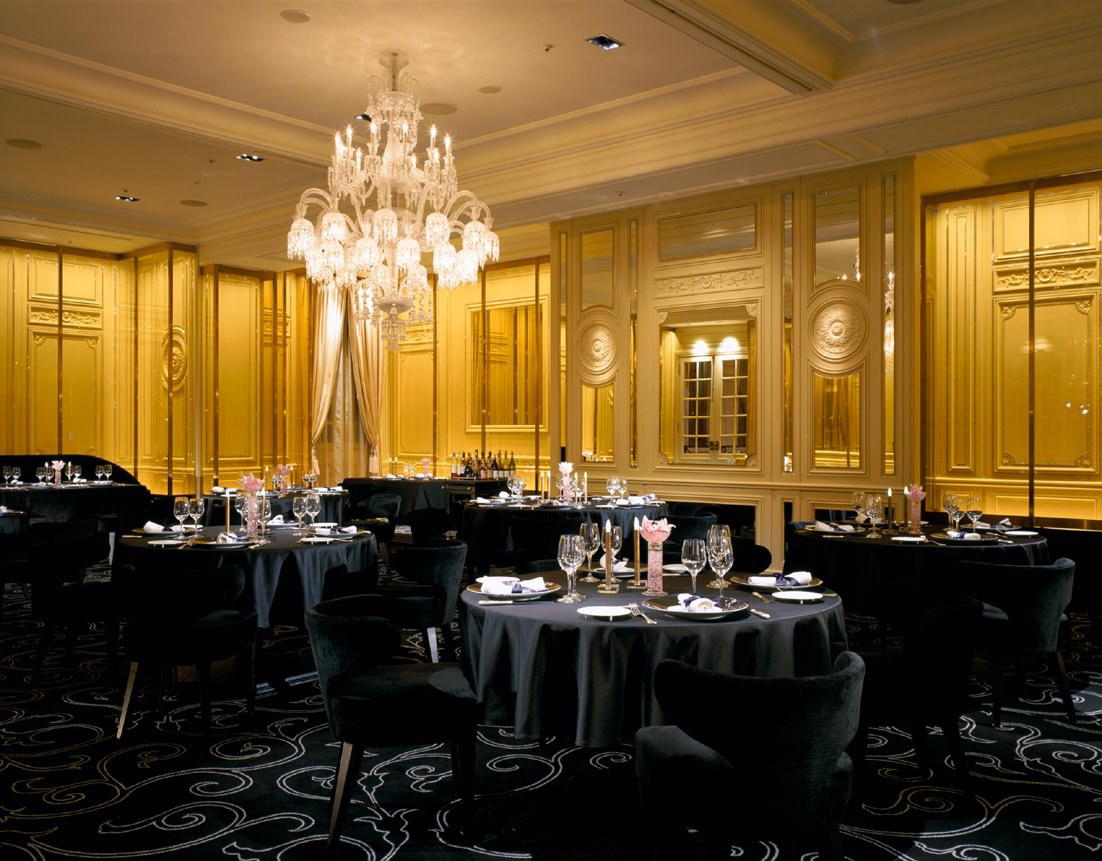
Bars in Tokyo
All bars in Tokyo →
ジョエル・ロブション
The wine
- Wine program
- Deep wine list
- Extensive wine list
- Sake program
Details
- Elegant
- Sophisticated
- Ornate
- Well Known
- Special Occasion
- Date Night
- Business Dinner
- Celebration
- Private Dining
- Standalone
- Hotel Restaurant
- Extensive Wine List
- Sake Program
- Tasting Menu
- Vegetarian Friendly
Current opening hours
- Monday
- 5:30–7:30 PM
- Tuesday
- 5:30–7:30 PM
- Wednesday
- 5:30–7:30 PM
- Thursday
- 5:30–7:30 PM
- Friday
- 5:30–7:30 PM
- Saturday
- 11:30 AM–12 PM, 6–7:30 PM
- Sunday
- 11:30 AM–12 PM, 6–7:30 PM
Hours can change for holidays and private events. Hours as of .
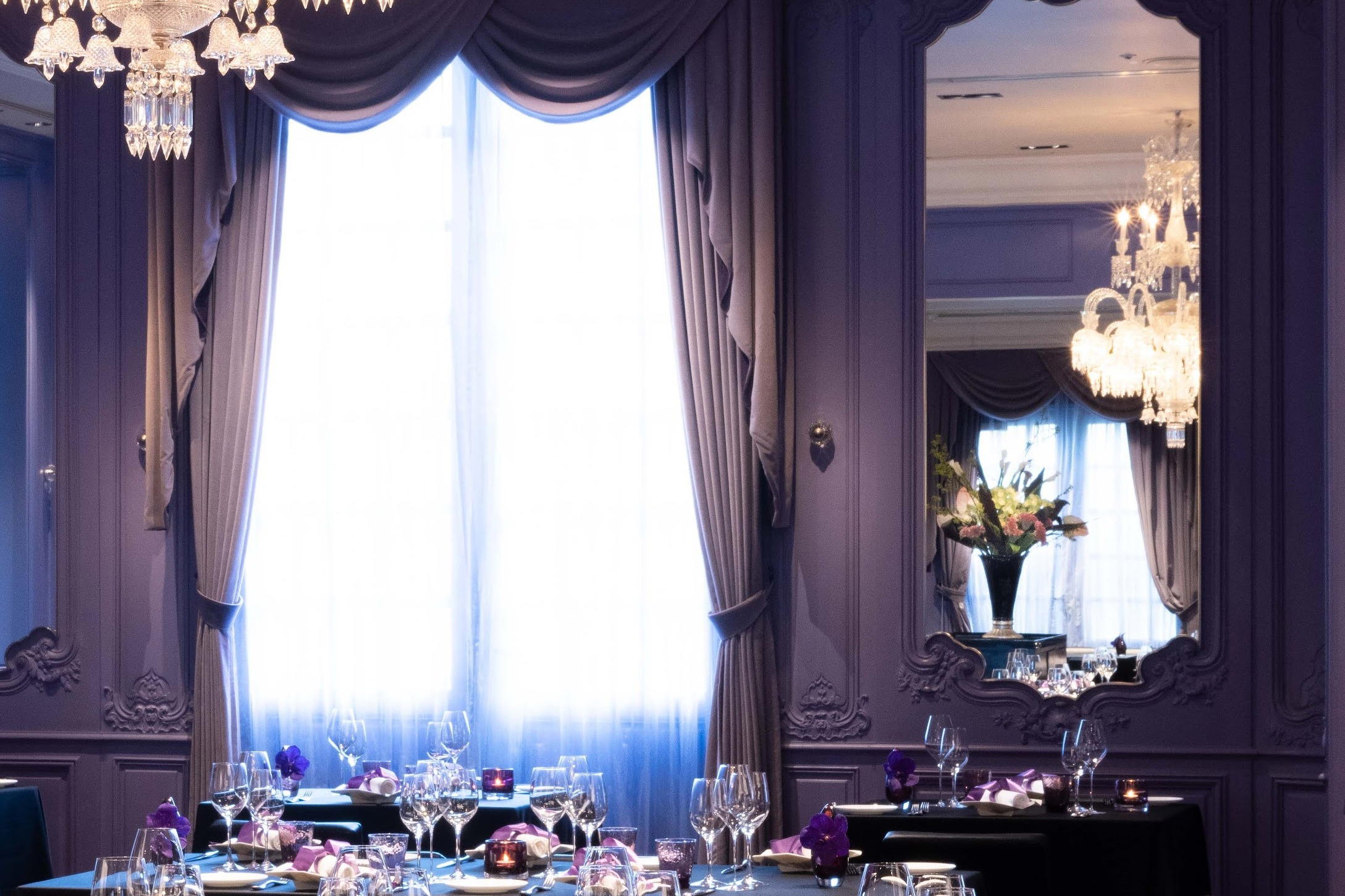
Elegant atmosphere reminiscent of a French castle with sophisticated service, beautiful and delicate presentations, and a sense of extraordinary luxury.