
A Hiroo neighbourhood Chinese restaurant ranked #610 on the 2025 Opinionated About Dining list for Japan, Coyacoya holds, a signal of consistent local following rather than occasional destination dining. Positioned in Shibuya's quieter Hiroo district, it operates in a segment of Tokyo where Chinese cooking is taken seriously as a category in its own right.
Pearl is the En Primeur Club membership app — saves, bookings, and concierge access live there. Same editors, same standards.
- Address
- Japan, 〒150-0012 Tokyo, Shibuya, Hiroo, 1 Chome−6−6 第1三輪ビル 1F
- Phone
- +81 3-6456-4458
- Website
- instagram.com
 Saves & bookings on Pearl
Hiroo and the Quiet Seriousness of Tokyo's Chinese Dining Scene
Tokyo's relationship with Chinese cuisine runs deeper than most outside the city expect. The capital has absorbed and refined Chinese cooking traditions across multiple waves, Cantonese imports during the early twentieth century, Shanghainese and Sichuan arrivals in the postwar decades, and more recently a generation of chefs moving between China, Hong Kong, and Japan with credentials that blur the line between imported technique and local adaptation. The result is a category of restaurant that doesn't announce itself loudly but maintains serious followings built on precision and repetition rather than spectacle.
Hiroo, the Shibuya sub-district where Coyacoya operates, fits this pattern. The neighbourhood sits at a remove from the high-visibility dining corridors of Shinjuku or Ginza, attracting instead a residential and diplomatic crowd, the French embassy anchors the area, and the surrounding streets carry a quieter, more purposeful energy. In a city where location often doubles as a signal of ambition, Hiroo restaurants tend to draw regulars over tourists, which creates a different pressure on quality: consistency counts more than first impressions.
Where Coyacoya Sits in Tokyo's Chinese Restaurant Tier
Coyacoya is a modern Chinese restaurant in Tokyo's Hiroo district, with a 2025 Opinionated About Dining ranking. For a Chinese restaurant in Tokyo to appear on that list at all puts it in a distinct minority; the OAD Japan list skews heavily toward Japanese cuisine categories, so Chinese representation at any rank carries weight.
For context on the broader Tokyo restaurant hierarchy: the city's highest-recognised dining tier runs through venues like Ippei Hanten and Koshikiryori Koki, with Chinese-adjacent and cross-cultural programmes appearing throughout the mid and upper ranges. Coyacoya's OAD placement, combined Points to a restaurant with a loyal local base rather than a revolving door of first-time visitors. A 4.4 average held over that volume of reviews generally indicates fewer polarising experiences and more consistent delivery.
The comparison set that matters here isn't necessarily the kaiseki rooms or the French tasting menu formats. The peer group for a Chinese restaurant operating at this level in Tokyo includes venues like Chugoku Hanten Fureika and Chugoku Hanten Kohakukyu (Amber Palace), establishments where Chinese culinary tradition is treated with the same rigour applied to Japanese categories elsewhere in the city.
Local Ingredients, Imported Methods: How Tokyo Handles Chinese Technique
The editorial angle that defines particularly interesting Chinese restaurants in Japan right now is the intersection of mainland or Hong Kong-derived technique with Japanese sourcing. Japan's produce infrastructure is among the more demanding in the world, the specificity of regional vegetables, the quality tiering of proteins, the seasonal precision that Japanese chefs apply to ingredient selection, and when that infrastructure meets Chinese cooking methods, the results tend to shift the cuisine in ways that aren't easily replicated elsewhere.
Wok technique, for instance, lands differently when the proteins sourced are Japanese-grade chicken or pork from producers whose standards exceed what most Chinese kitchens in China would use as a baseline. Dim sum formats gain a different texture profile when the wheat and rice flours are Japanese-milled. Braising traditions from Cantonese or Shanghainese kitchens, when applied to Japanese seasonal vegetables, produce dishes that sit in a genuinely hybrid register, not fusion in the reductive sense, but cooking that absorbs its location without abandoning its lineage.
This dynamic plays out across Tokyo's Chinese dining tier and is part of what makes the category worth tracking separately from both Japanese cuisine and from Chinese restaurants in other global cities. For a parallel in different markets, Restaurant Tim Raue in Berlin and Mister Jiu's in San Francisco illustrate how Chinese culinary frameworks adapt when transplanted into high-craft local produce environments, the logic is similar even if the outputs differ significantly.
Planning a Visit: Hiroo Logistics and Context
Hiroo is reachable via the Tokyo Metro Hibiya Line, making it direct to combine with Roppongi or Ebisu visits in a single evening. The 1-Chome Hiroo address places Coyacoya in a low-key commercial pocket, first-floor premises in a building that reflects the neighbourhood's preference for functional over decorative. Walk-in availability at Hiroo restaurants varies considerably by time and day; as with most smaller Tokyo dining rooms, an advance reservation is the lower-risk approach, particularly on weeknights when local regulars fill the room.
Those building a wider Japan itinerary around serious dining can cross-reference with HAJIME in Osaka, Gion Sasaki in Kyoto, akordu in Nara, Goh in Fukuoka, 1000 in Yokohama, and 6 in Okinawa. Also worth considering within Tokyo itself: itsuka, which sits in a different culinary register but illustrates the range of serious smaller dining rooms operating outside the Michelin spotlight.
Know Before You Go
- Address: 1 Chome-6-6 Hiroo, Shibuya, Tokyo 〒150-0012, 1F
- Nearest Station: Hiroo (Tokyo Metro Hibiya Line)
- Recognition: Opinionated About Dining Leading Restaurants in Japan, #610 (2025) 4 / 5 (183 reviews)
- Cuisine: Chinese
- Price: About US$25 per person; Hours: Wed-Sat 5-10 PM; Dress code: Casual
Price and Recognition
Comparable venues nearby, for context on price, style, and recognition.
| Venue | Cuisine | Price | Notes |
|---|---|---|---|
| CoyacoyaThis venue — the venue you are viewing | Shibuya, Modern Chinese | $$ | Not listed |
| 虎ノ門PAIRON | Toranomon, Taiwanese Gyoza Izakaya | $$ | Not listed |
| Anda Gyoza Yoyogi uehara ten | Shibuya, Chinese Gyoza | $$ | Not listed |
| Tezukuri Gyoza no Mise Yoshiharu | Not listed | $$ | Chofu, Handmade Gyoza & Chinese Small Plates |
| Eiraku | Edogawa, Chinese Dumplings | $$ | Not listed |
| chuukaryouri tokutake | Sumida, Modern Chinese & Ramen | $$ | Not listed |
Recognition history
Dated appearances from independent guides and award organizations, with the underlying list record or original source where available.
Opinionated About Dining Top Restaurants in Japan Ranked #610
Opinionated About Dining
Continue exploring
More in Tokyo
More from Chef Various
Browse all →
Restaurants in Tokyo
Browse all →


Bars in Tokyo
Browse all →








At a Glance
- Trendy
- Lively
- Intimate
- Modern
- Casual Hangout
- After Work
- Open Kitchen
- Natural Wine
Current opening hours
- Monday
- Closed
- Tuesday
- Closed
- Wednesday
- 5–10 PM
- Thursday
- 5–10 PM
- Friday
- 5–10 PM
- Saturday
- 5–10 PM
- Sunday
- Closed
Hours can change for holidays and private events. Last verified .
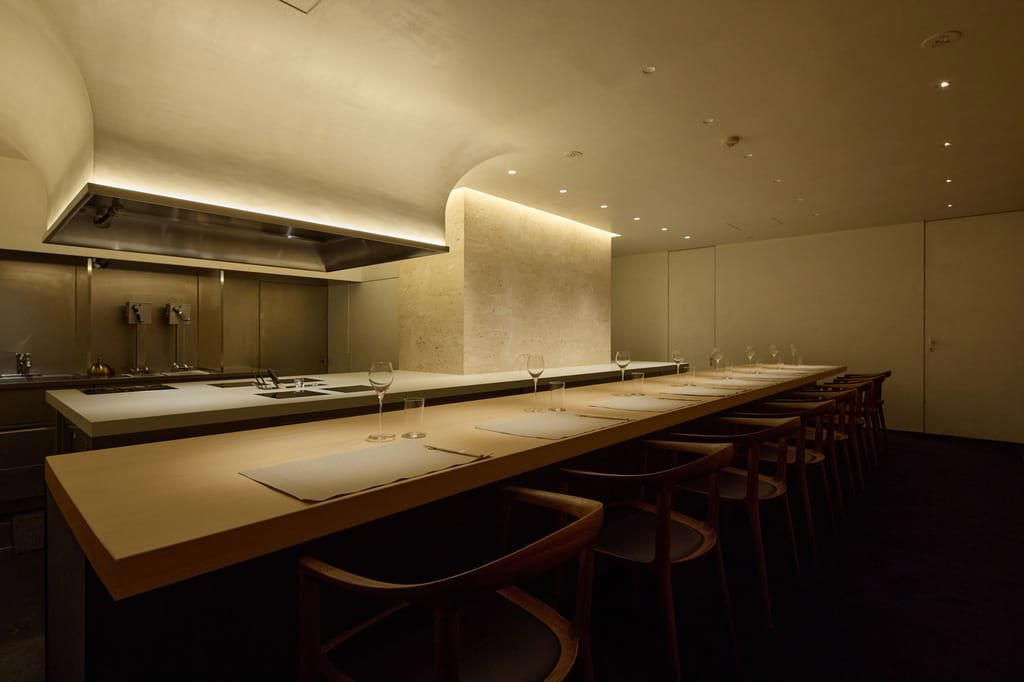
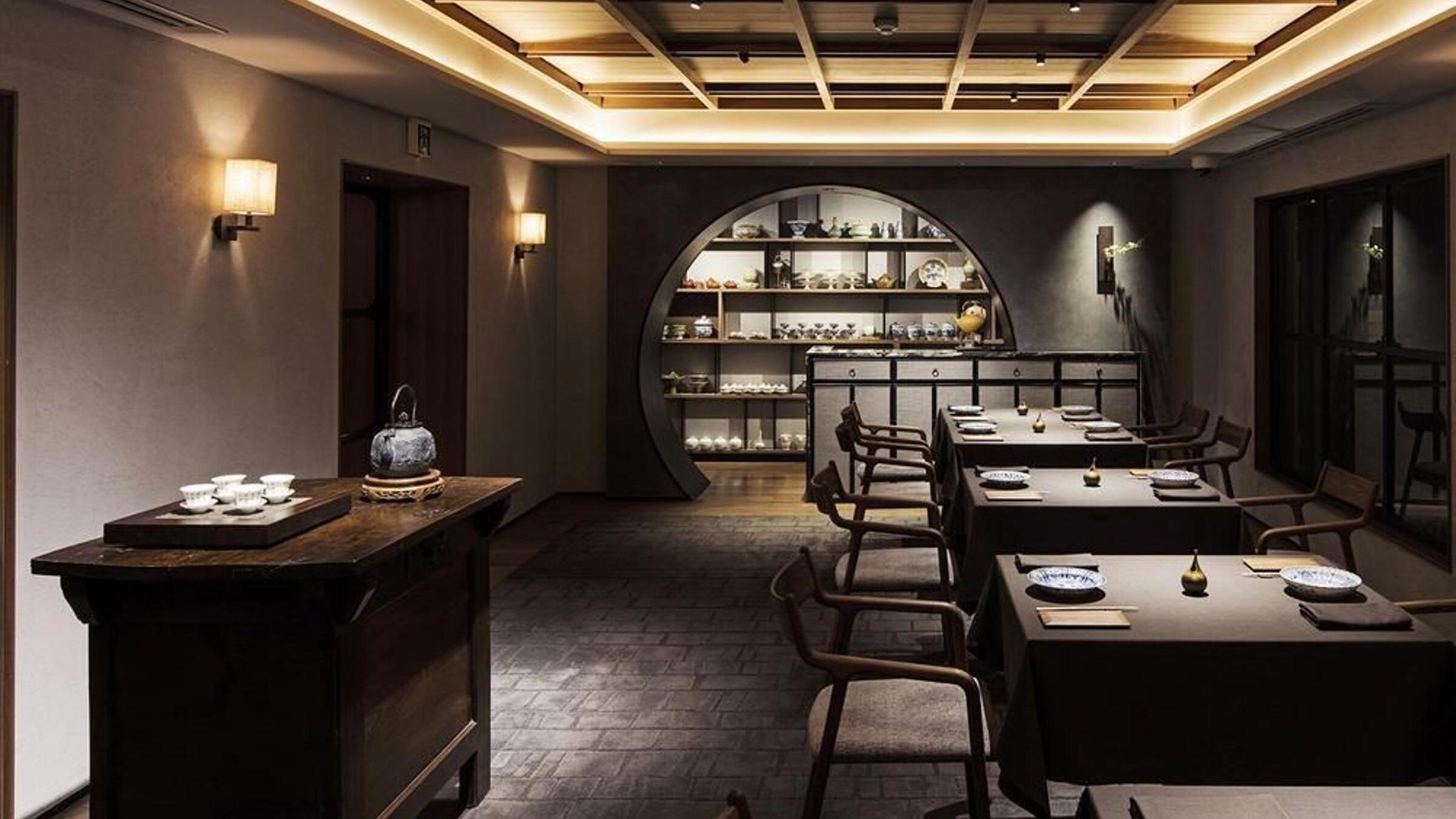
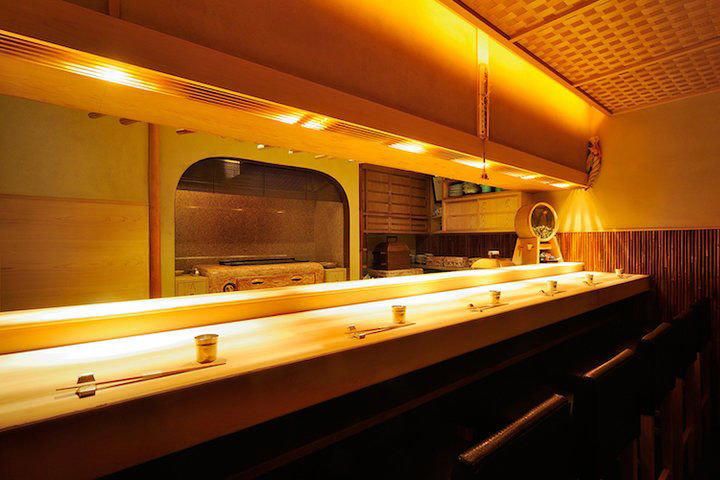
Compact counter-only setup with grey tones, upbeat BGM, and energetic atmosphere from the bustling kitchen and friendly owner interactions.