Our verdict
虎ノ門PAIRON occupies the third floor of Toranomon Hills Business Tower inside the Toranomon Yokocho food hall, placing it at the intersection of Tokyo's corporate district dining and the city's broader shift toward curated, ingredient-focused food concepts. The address alone signals a specific kind of ambition: serious cooking delivered at the pace and scale that a business-district crowd demands, without sacrificing the sourcing rigour more commonly associated with destination restaurants.

Pearl is the En Primeur Club membership app, where members save venues, book tables and use the concierge.
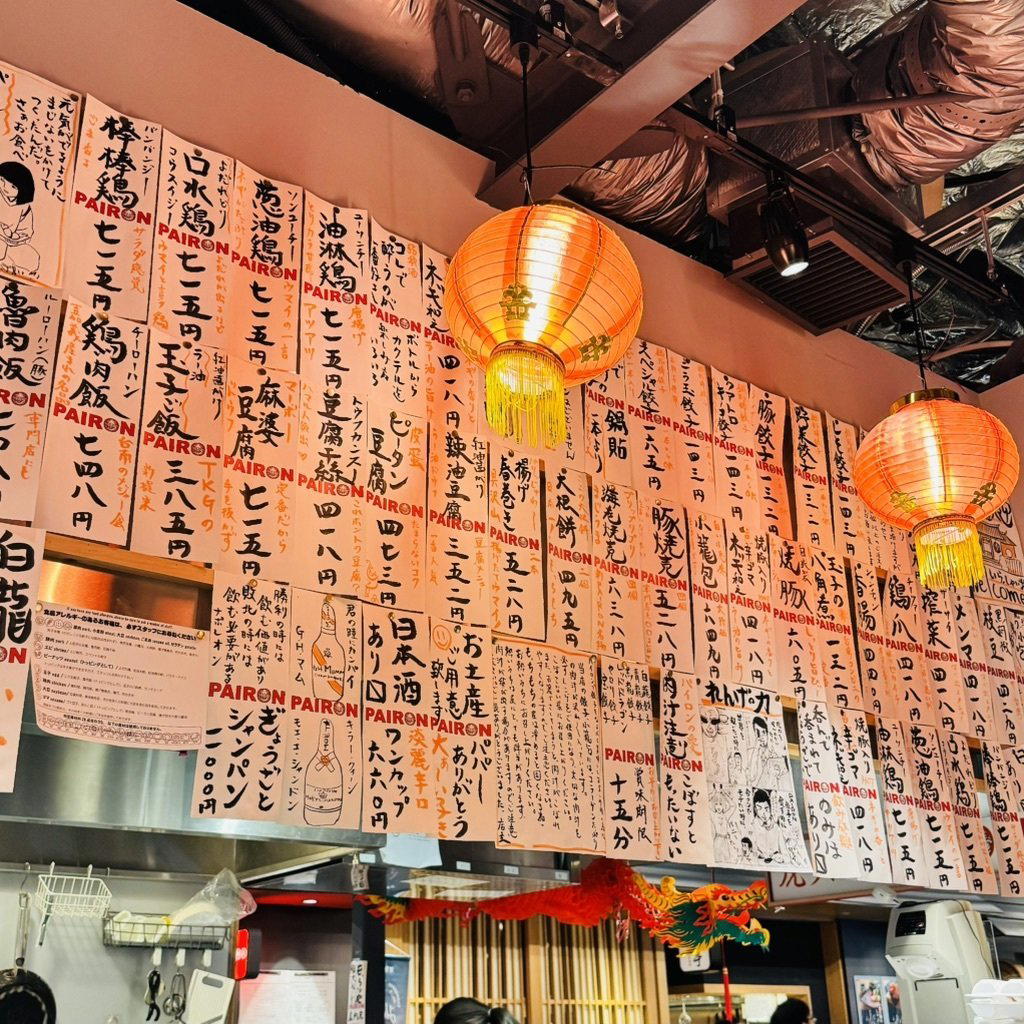
The menu
What to order
- 白龍餃子
- 黒龍餃子
- 割包
Toranomon Yokocho and the Rise of the Curated Food Hall
Tokyo's food hall format has matured well beyond the department store basement. The generation of concepts that arrived with developments like Toranomon Hills Business Tower operate on a different logic: rather than aggregating familiar brands, they select a tight roster of individual concepts where sourcing credentials and cooking philosophy carry genuine weight. 虎ノ門PAIRON sits on the third floor of that tower within Toranomon Yokocho, a corridor of concepts that collectively function less like a food court and more like a neighbourhood of specialists. That framing matters, because it tells you what kind of restaurant this is before you sit down.
The broader Toranomon district has changed shape significantly over the last decade. The opening of Toranomon Hills and its subsequent towers accelerated the area's transition from a mid-tier office corridor into one of the city's denser intersections of international business traffic and premium hospitality. That demographic creates specific pressure on restaurant operators: the lunchtime crowd moves quickly and expects precision; the evening crowd, often entertaining or celebrating, expects depth. Concepts that survive in that environment tend to have clear identity and repeatable quality, which is why sourcing discipline tends to separate the durable operators from the transient ones.
Ingredient Sourcing as the Central Argument
Across Tokyo's more ambitious mid-to-premium restaurant tier, the conversation about provenance has shifted from marketing language to operational fact. What used to appear as a footnote on a menu, a regional name beneath a dish description, now frequently anchors the entire concept. This is particularly legible in Chinese-influenced cooking, where the gap between produce sourced for convenience and produce sourced for flavour expression is wide enough to define two entirely different experiences.
At 虎ノ門PAIRON, the name itself carries geographic signal: PAIRON references a culinary lineage with roots in the Chinese-Japanese cooking tradition, a category that Tokyo treats with considerably more seriousness than most Western cities. The city's leading practitioners in this space, whether operating ramen concepts or more formal Chinese-adjacent dining, treat the supply chain as the first creative decision. Which pork, from which prefecture, aged for how long. Which soy, from which producer, fermented under what conditions. These are not incidental questions in a format where the broth or the sauce is the primary vehicle of flavour.
Japan's network of regional producers, many of them supplying Tokyo restaurants directly, gives operators access to ingredient quality that is difficult to replicate elsewhere. Concepts based in buildings like Toranomon Hills, which attract operators with the logistical infrastructure to maintain those supply relationships, benefit from a ready audience that has been trained by the city's broader dining culture to notice the difference. Comparable precision in sourcing is visible at restaurants across Tokyo's top tier, from the sushi counter discipline at Harutaka to the French-Japanese hybrids at L'Effervescence and Sézanne, where the sourcing argument is as important as the cooking technique. See our full Tokyo restaurants guide for the broader context of how this city's dining tiers are structured.
The Business Tower Context: What It Changes
Dining inside a business tower development is not a neutral choice for a restaurant operator. The format imposes constraints, primarily around service pace and format legibility, that can work for or against a concept depending on how the menu is structured. The most successful operators in these environments tend to offer formats that function across lunch and dinner without losing coherence: dishes that read clearly to a first-time visitor but reward return visits, and price points that justify the address without requiring a special occasion.
That proximity functions as a trust signal for visitors unfamiliar with the concept: the development's selection process acts as a form of editorial curation, similar in effect to the way a strong neighbourhood reputation elevates individual operators in areas like Ginza or Minami-Aoyama. For comparison, RyuGin and Crony operate in similarly curated address contexts, where the surrounding environment amplifies the signal the restaurant is trying to send.
Tokyo in a National Dining Context
Understanding 虎ノ門PAIRON fully requires some awareness of how Tokyo sits within Japan's restaurant geography. The city concentrates a density of serious cooking talent that draws comparison only with Paris and New York, but the operating formats differ substantially from those cities. Tokyo's mid-tier and premium operators tend to specialise more narrowly, which produces depth of execution across categories that generalist formats struggle to match. The same rigour visible at a Kyoto kaiseki counter like Gion Sasaki, or at Osaka's HAJIME, is present in the sourcing discipline of Tokyo's better food hall concepts, even if the format appears more casual on the surface.
Regional producers supply Tokyo restaurants through networks that extend to Nara, as seen at akordu, Fukuoka, where Goh draws on Kyushu's distinct ingredient culture, and further afield to operators in Nanao (一本杉 川嶋), Sapporo (夕月山乃), Takashima (湖畔庵), and Nishikawa Machi (鳥羽屋). Tokyo's position as the terminus of those supply networks gives its operators a structural advantage in ingredient access. Internationally, the sourcing-first philosophy visible at Tokyo's better addresses has parallels at Le Bernardin in New York and at Korean-influenced tasting formats like Atomix, though the specific supply chains and culinary traditions differ substantially. Concepts like Birdland in Sakai, Bistro Ange in Toyohashi, and others outside major metropolitan centres illustrate how the sourcing ethic is not confined to capital-city dining in Japan.
Planning a Visit
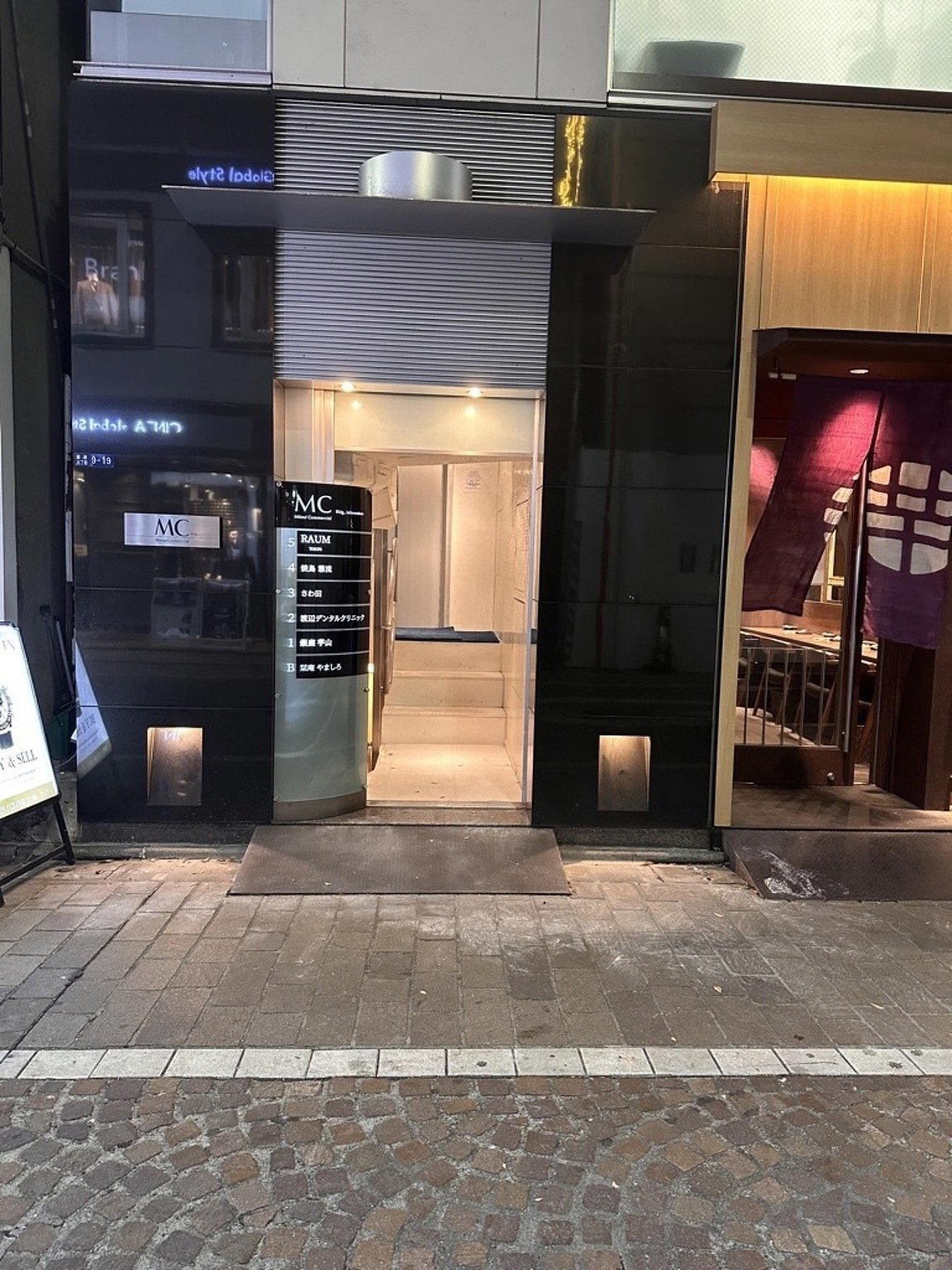
虎ノ門PAIRON is located at 虎ノ門1-17-1, Toranomon Hills Business Tower 3F, within the Toranomon Yokocho corridor, Tokyo 105-0001. The address is a short walk from Toranomon Hills Station on the Tokyo Metro Hibiya Line, making access from central Tokyo and the broader city direct. For context on how this address fits within Tokyo's broader dining geography, and how to plan a multi-venue itinerary across the city's premium tier, the EP Club Tokyo guide provides neighbourhood-level detail.
Frequently asked questions
Where is 虎ノ門PAIRON in Tokyo?
虎ノ門PAIRON is located at 虎ノ門1-17-1 (虎ノ門ヒルズビジネスタワー 3F/虎ノ門横丁), 東京, 東京都, 105-0001, Tokyo.
Is 虎ノ門PAIRON suitable for a solo diner visiting Toranomon Hills?
Food hall formats like Toranomon Yokocho, where 虎ノ門PAIRON is located on the 3rd floor of Toranomon Hills Business Tower, are structurally better suited to solo diners than conventional table-service restaurants in Tokyo. Counter or communal seating is the norm in this corridor, and the focused-concept model means a solo visitor can engage directly with the cooking tradition without the overhead of a multi-hour tasting format.
What's the signature dish at 虎ノ門PAIRON?
The PAIRON name references a culinary tradition connecting Chinese and Japanese cooking lineages, with broth-based preparations the most commonly associated format in that canon. Toranomon Yokocho operators in this tier of the Business Tower development generally commit to a focused, defined menu rather than a broad one.
How hard is it to get a table at 虎ノ門PAIRON?
Current booking data for 虎ノ門PAIRON is not confirmed. The venue sits inside Toranomon Yokocho on the 3rd floor of Toranomon Hills Business Tower, a development that draws a consistent flow of business and destination diners in one of Tokyo's most active commercial districts. Walk-in availability will likely depend on time of day and day of week; contacting the venue directly or checking the development's reservation channels is the practical approach.
What's the signature at 虎ノ門PAIRON?
The PAIRON concept positions itself at the intersection of Chinese and Japanese culinary tradition, a pairing Tokyo's mid-to-premium restaurant tier takes seriously at multiple price points. Its placement within the Toranomon Yokocho corridor at Toranomon Hills Business Tower 3F signals a curated, concept-driven approach rather than a generalist menu. The venue's name itself functions as a culinary argument: PAIRON is a Japanese phonetic rendering with roots in Chinese cooking vocabulary.
How does 虎ノ門PAIRON handle allergies?
Food hall operators within major Tokyo business tower developments like Toranomon Hills typically have staff capable of fielding dietary questions, given the international business clientele the district attracts. Contacting the venue directly before visiting is advisable for any specific requirements.
A Quick Peer Check
| Venue | Cuisine | Price | Awards | Notes |
|---|---|---|---|---|
| 虎ノ門PAIRONThis venue (the venue you are viewing) | Taiwanese Gyoza Izakaya | $20–30 | Not listed | Not listed |
| Harutaka | Edo-Style Omakase Sushi | $200–300 | 3 Michelin Stars · World's 50 Best #76 | Sushi |
| L'Effervescence | Modern French with Japanese Influences | $200–300 | 3 Michelin Stars · World's 50 Best #69 | French |
| RyuGin | Modern Kaiseki | $500+ | 3 Michelin Stars · World's 50 Best #41 | Kaiseki, Japanese |
| Crony | Modern French with Japanese Influences | $150–200 | 2 Michelin Stars · World's 50 Best #34 | Innovative, French |
| Florilège | Modern French-Japanese Plant-Based Fine Dining | $50–100 | 2 Michelin Stars · World's 50 Best #31 | French |
Continue exploring
More in Tokyo
Restaurants in Tokyo
All restaurants in Tokyo →

Bars in Tokyo
All bars in Tokyo →


Details
- Cozy
- Trendy
- Casual Hangout
- After Work
- Group Dining
- Standalone
- Sake Program
- Local Sourcing
- A La Carte
- Small Plates
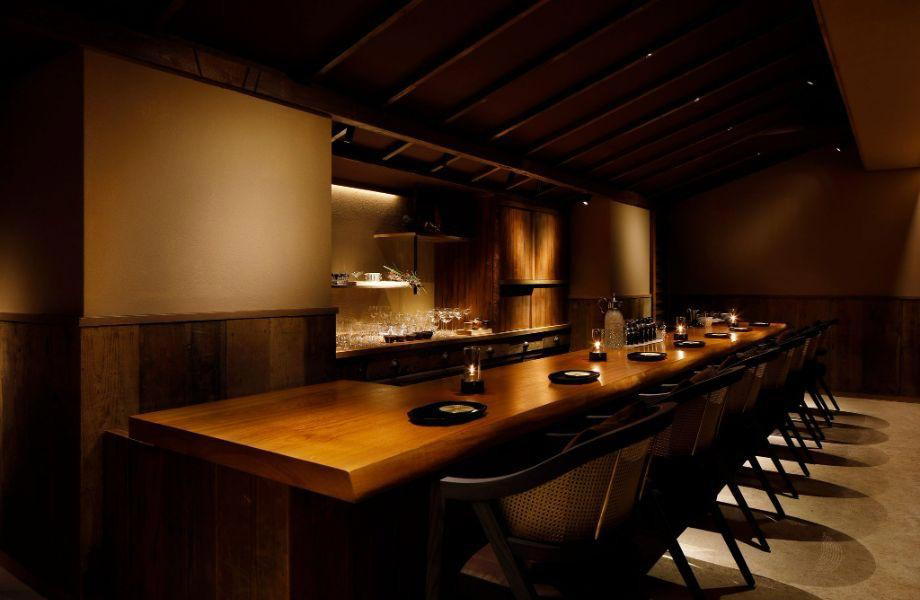
Casual Taiwanese izakaya atmosphere in a low-profile address spot within Toranomon Hills.